Navarra

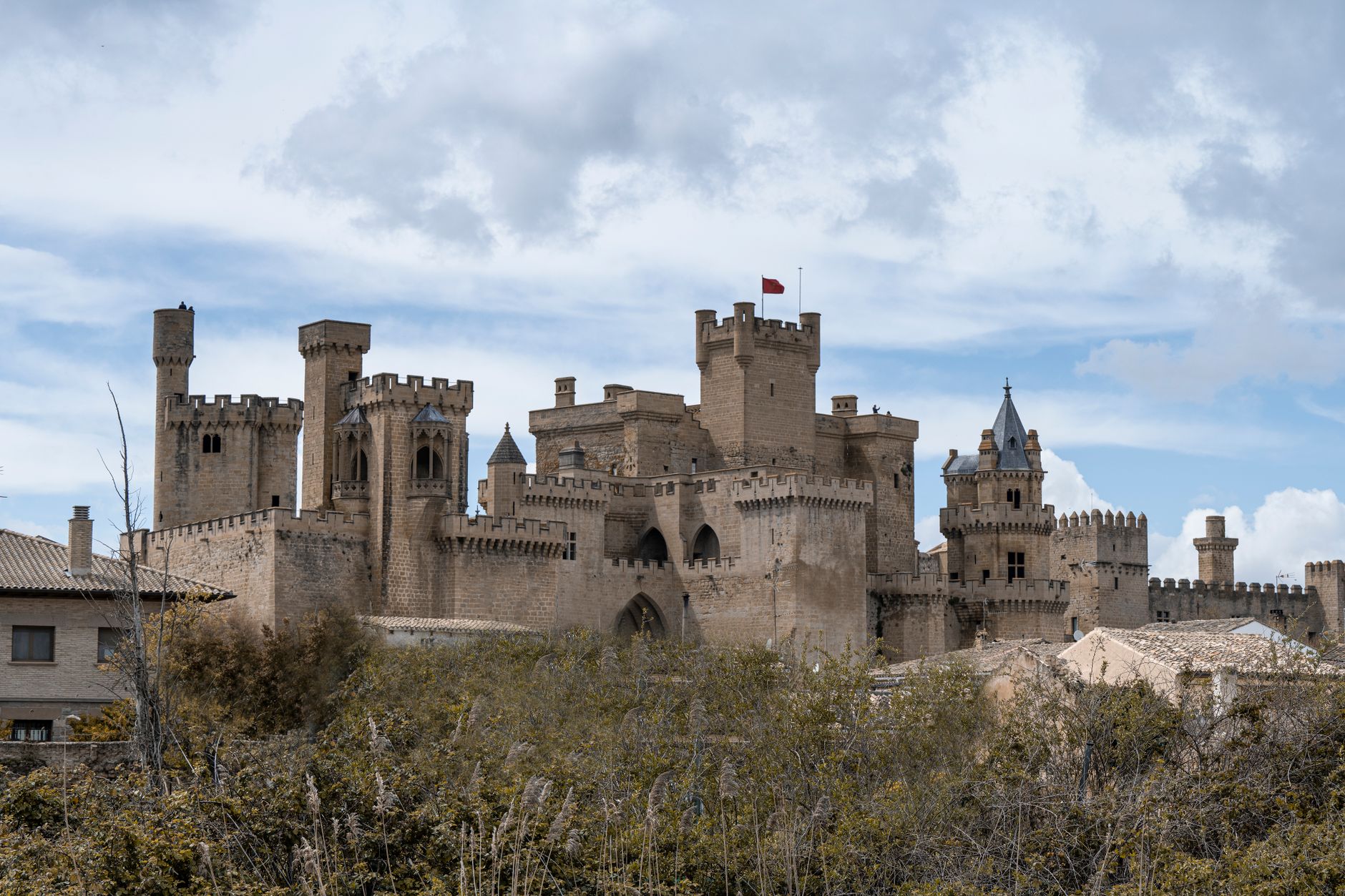
Stay in Olite and do wineries around it (Otazu, Guelbenz, Chivite). Navarra rosé is the summer wine most of Spain drinks but few tourists source.
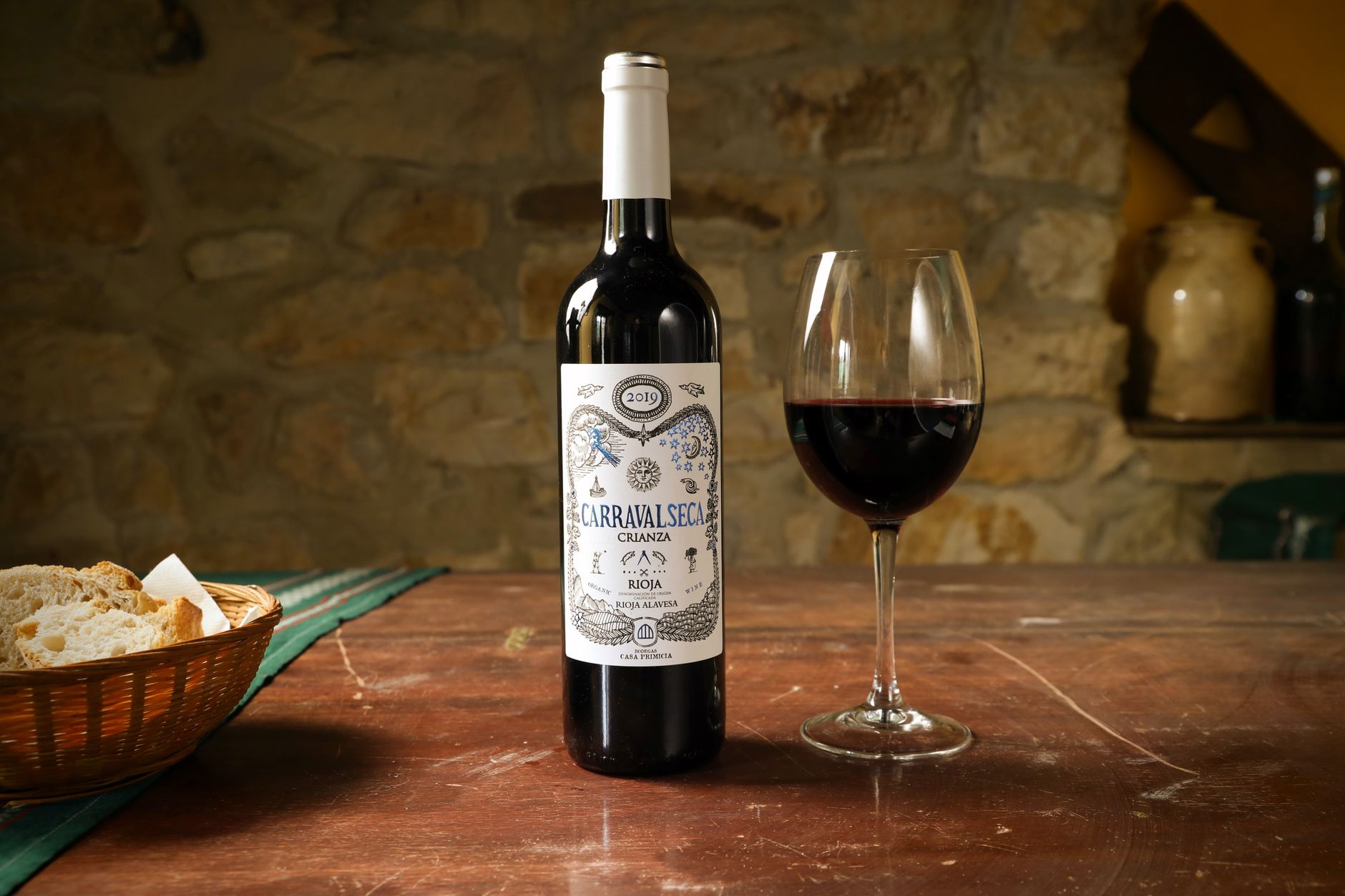
Spain's most diverse wine region — rosados, structured reds, and now whites from the southern Ebro basin, between Rioja and the Pyrenees. The most underrated DO in Spain.
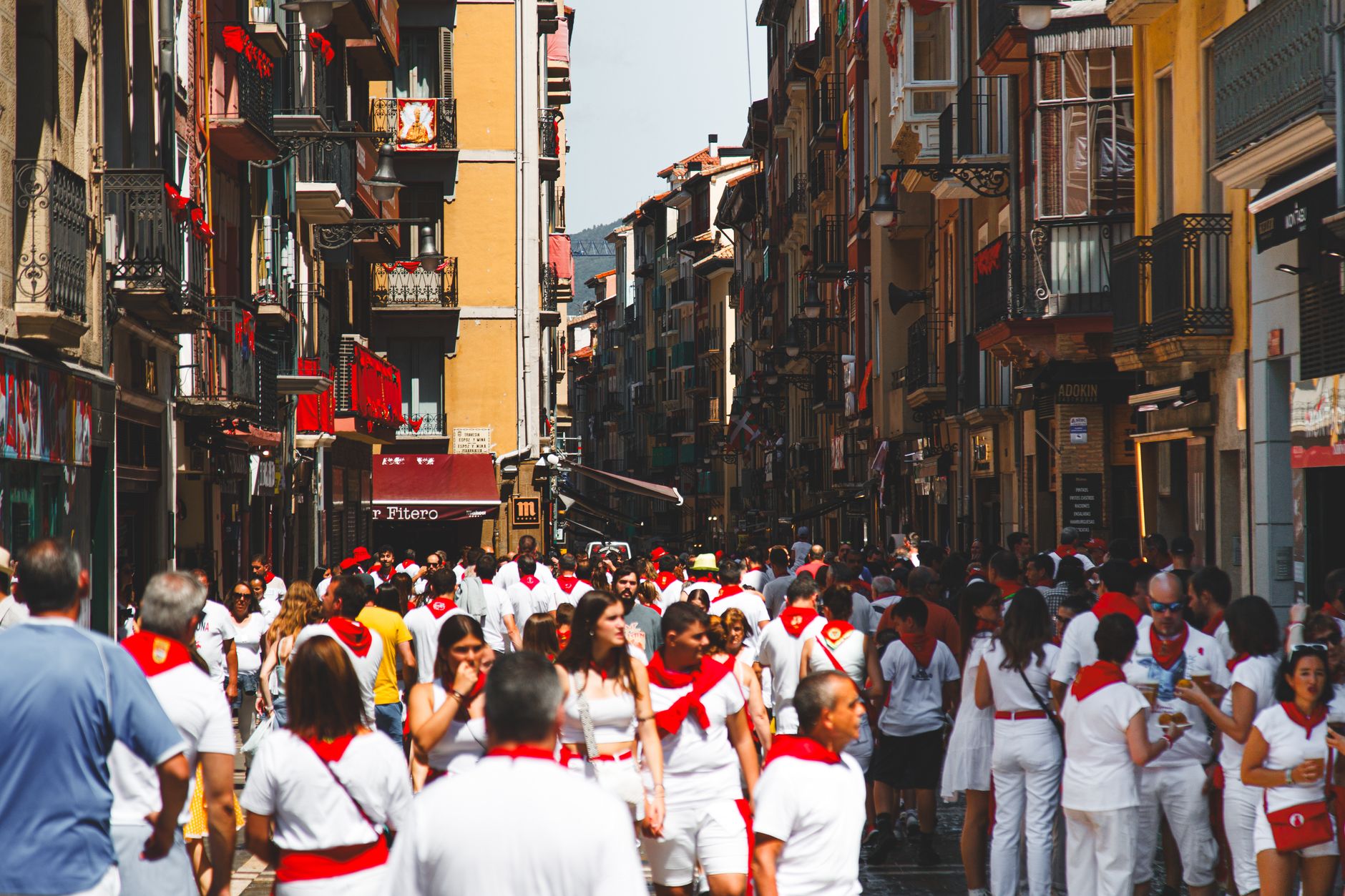
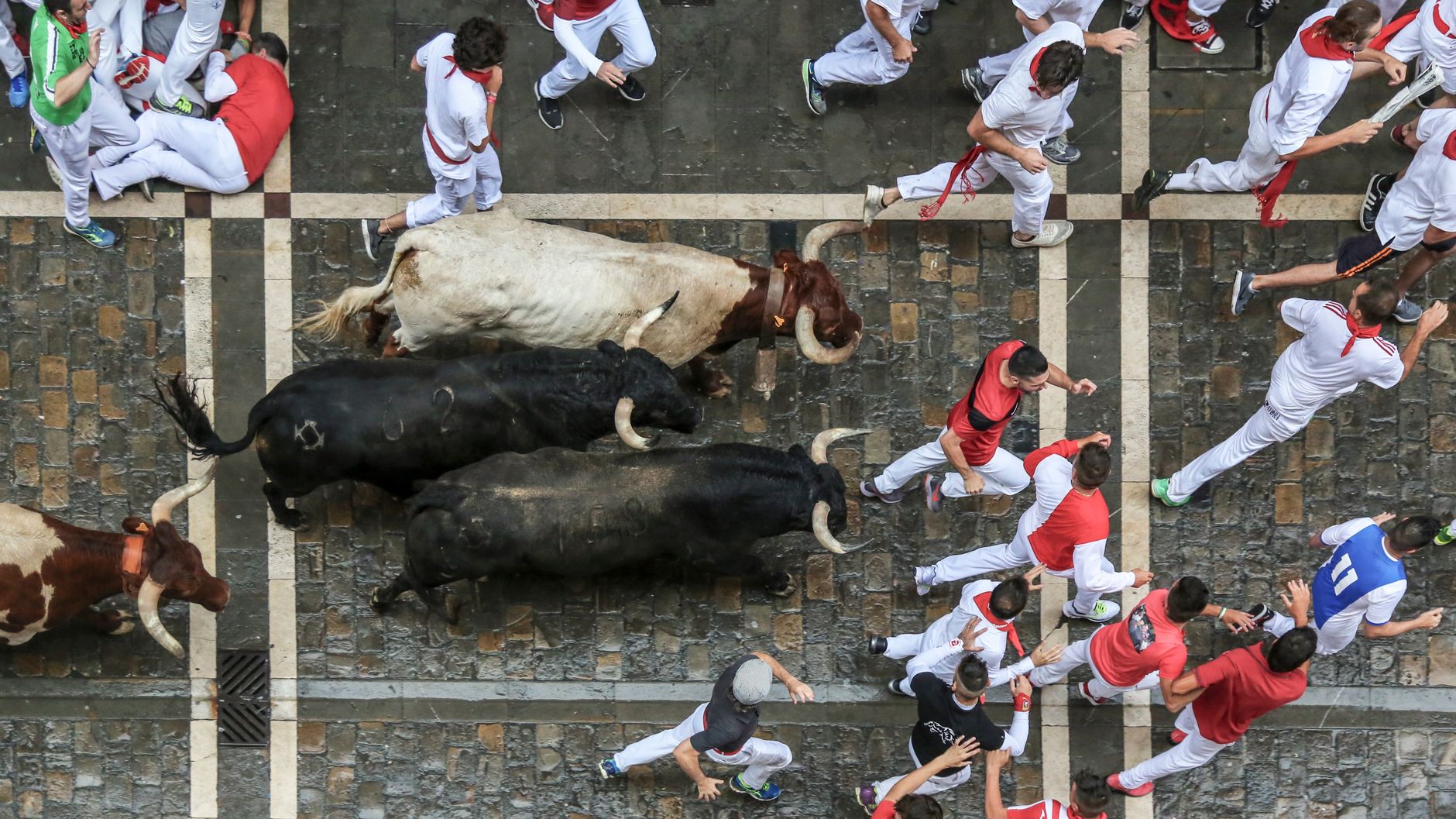
San Fermín (Fiesta de San Fermín) · San Sebastián · Txakoli de Getaria
At a Glance
- — You're already doing Rioja next door
Bridging the gap between the Rioja region and the mountains, this is perhaps Spain’s most overlooked and diverse wine territory. While the reds are structured and complex, the region is rightfully famous for its crisp rosados, which are the standard summer pour for locals. Staying in the medieval town of Olite allows for easy access to wineries that are currently producing some of the most exciting, under-the-radar bottlings in the entire country.
How it got here
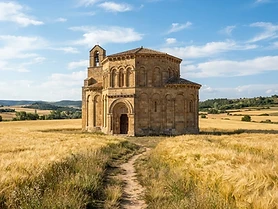
Navarra sits at the crossing of the Ebro valley and the Pyrenees. For centuries this transition zone acted as a vital thoroughfare for pilgrims traveling toward Santiago de Compostela. The kingdom of Navarre emerged in the ninth century under Iñigo Arista and occupied a central position in the volatile landscape of medieval northern Spain. This frontier role dictated the construction of fortified towns such as Olite and Artajona. Today the vineyards follow these ancient routes and historical boundaries, maintaining a focus on traditional grape varieties that define the identity of the current wine region.
Where it sits
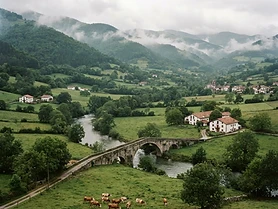
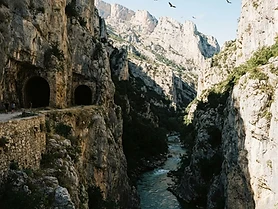
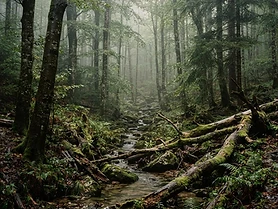
Rolling hills define the transition from the arid plains of the Ebro to the northern mountain range. Vineyards dominate the landscape in the middle zone where the Mediterranean air meets Atlantic influence. The terrain changes from river plains in the south to dense woodland and alpine pastures in the north. Winter brings cold winds from the Pyrenees and spring rainfall keeps the fields green through May. Summer heat settles into the valleys while higher altitudes stay cool. Roads wind through stone villages and past centuries of agricultural land, quiet outside of the autumn harvest.
What to eat and drink
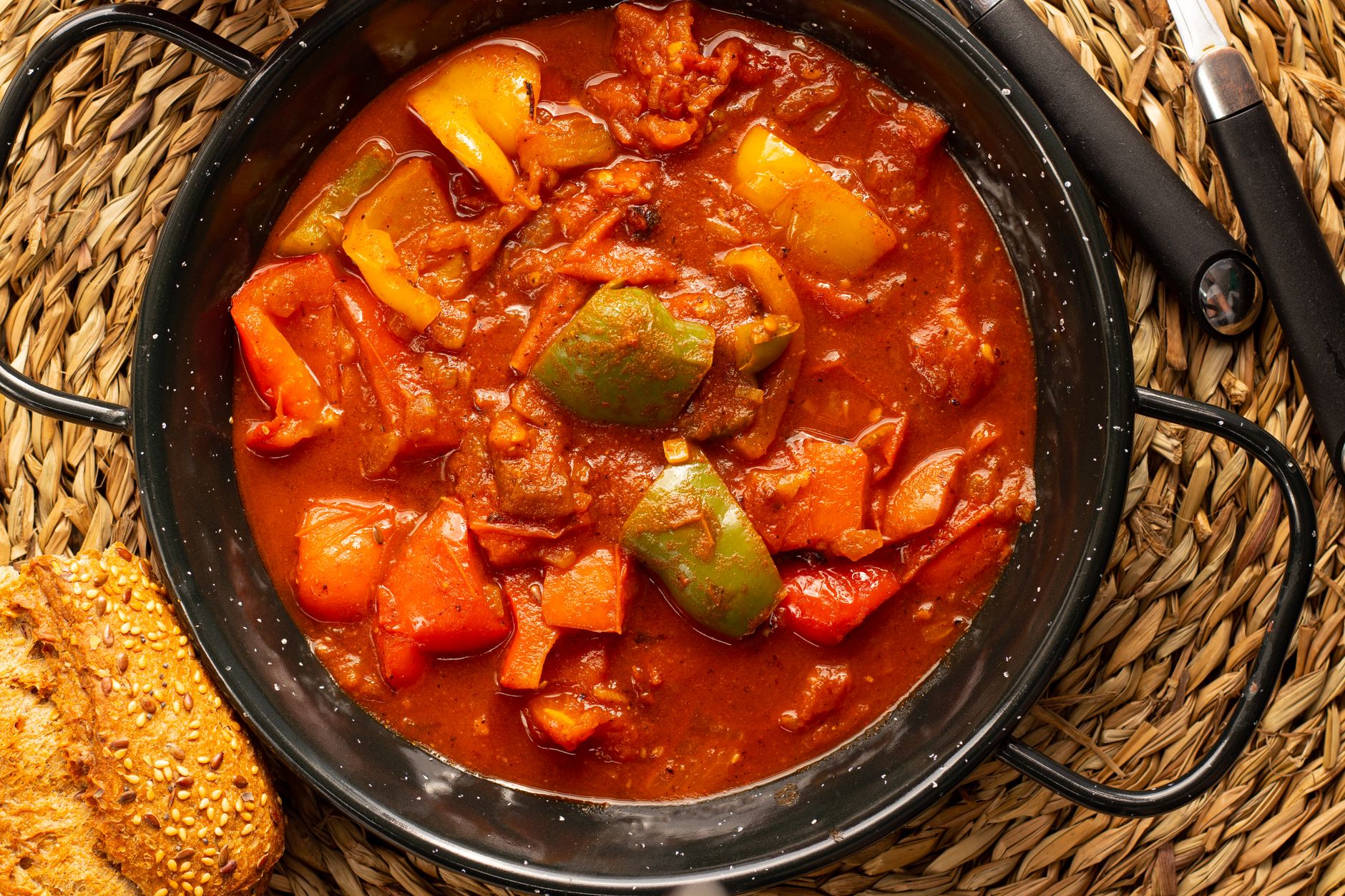
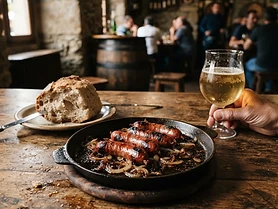
Asparagus from the Ebro riverbanks ranks as the seasonal staple of the spring kitchen. Piquillo peppers from Lodosa, charred and peeled, provide a deep sweetness to local plates. For heavier meals, order chuletón, thick cuts of beef from mountain cattle grilled over coals. The wine culture relies on Garnacha for deep reds and rosado. These rosados rely on the saignée method to achieve a bright, dry character. Pacharán, a liqueur made from macerating sloe berries in anise-flavored spirit, concludes most meals as a traditional digestif.
Navarra: the whole region
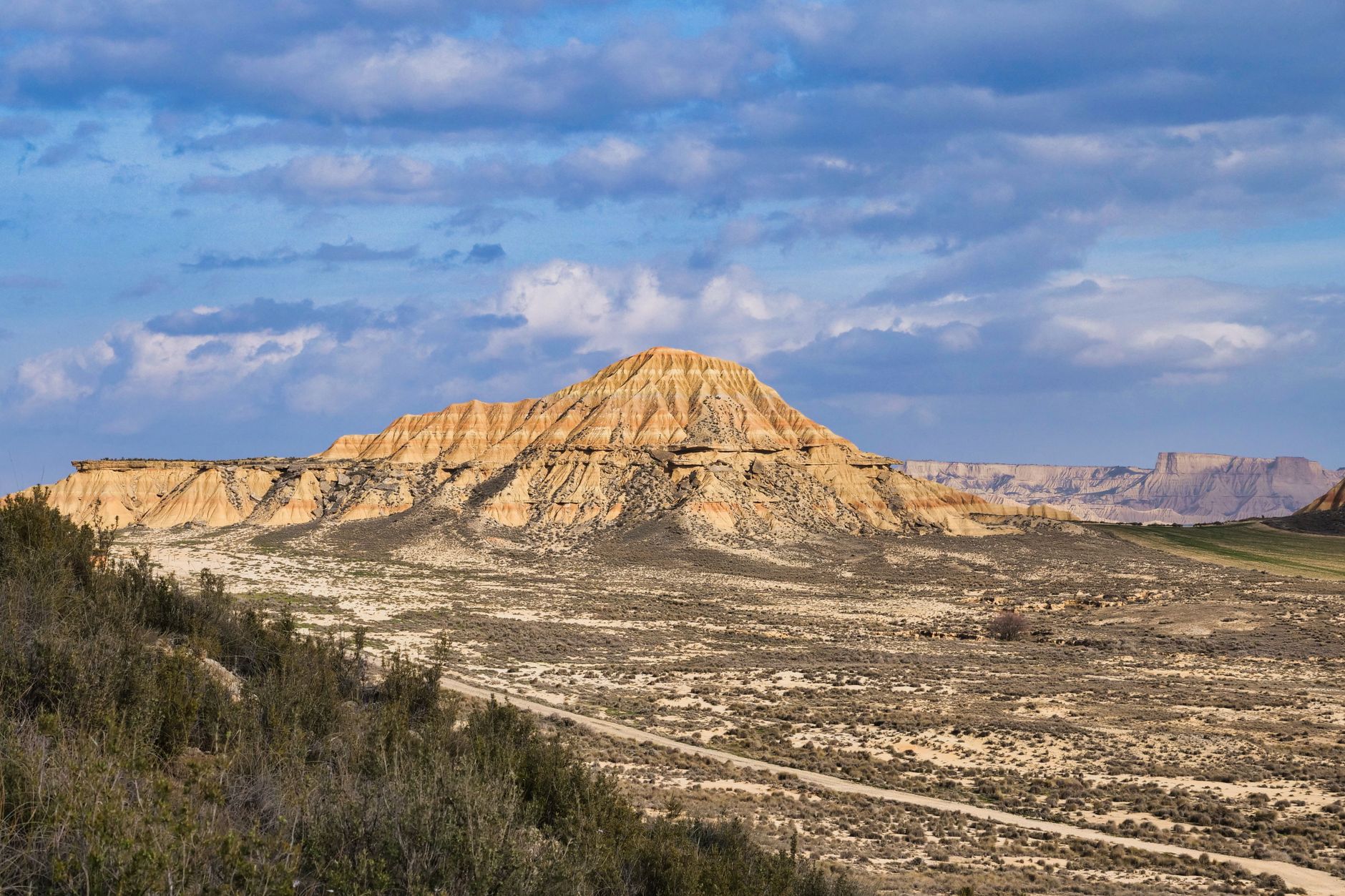
A region of contrasts packed into a small space: Pyrenean valleys and Atlantic beech forest in the north, Pamplona in the middle, and the Bardenas Reales — a desert of eroded badlands — in the south-east, which nobody expects at this…
Minimum 3 days · better 5-6 days · deep 8 days
What's Nearby

Pair It With

In Navarra




In Navarra






Linked from elsewhere
Entries that name this place in their own nearby lists.

Logistics are verified only. We don't publish schedules we haven't confirmed.
Ready to build Navarra into a trip?
You've found a place worth going. When you're ready to turn discovery into an itinerary, Travel Itinerary Co picks up where the Field Guide leaves off — with your saved places already in hand.
Build this into a tripContinues on Travel Itinerary Co
Spain Field Guide may earn a commission when you book through selected links. Recommendations are editorial and independent of commission.