Selva de Irati
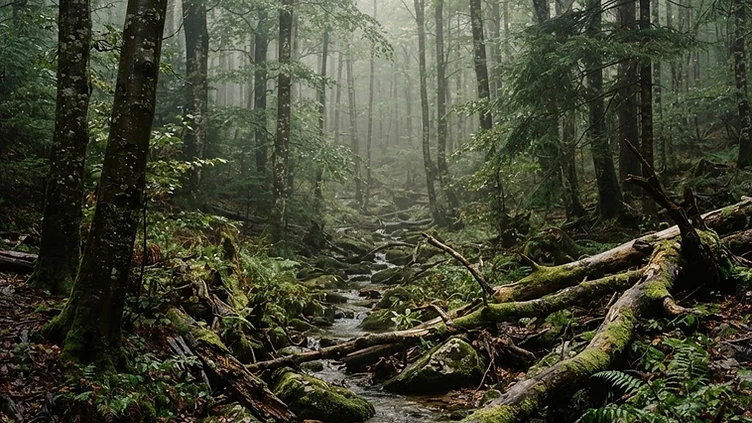
Go in the second half of October and arrive by nine: the central car park is capped and fills. Skippable in summer, when it is just a green wood.
The biggest forest in Navarra and the best autumn colour in Spain — beech and fir for seventeen thousand hectares with hardly a building in it.
Pamplona · Puente la Reina · Sangüesa · Ujué
At a Glance
The Irati covers around seventeen thousand hectares across Navarra and into France, mostly beech and silver fir, crossed by old logging tracks and a reservoir at Irabia. Trails run from the Casas de Irati and up the Abaurrea and Irati river valleys. Access to the central car park is capped in autumn, when the beech turns; outside October it is simply a large, cold, empty wood.
How it got here
Navarra functioned as a medieval kingdom reaching deep into the Pyrenees where the Irati timber supplied shipyards and construction projects across the peninsula. These valleys provided wood for the Spanish Armada and local charcoal production sustained ironworks in the river gorges for centuries. The royal forest management under the Navarran crown controlled logging rights and livestock grazing patterns that shaped the landscape. Conflicts between local mountain communities over common land and transhumance routes defined the social structure of the high valleys. Today the forest retains remnants of old industrial infrastructure that once connected these isolated basins to the broader Navarran economy through the export of high quality beech and silver fir timber.
Where it sits
The forest sits on the border between Spain and France where the Atlantic climate meets the high Pyrenees. Dense stands of beech and silver fir dominate the deep mountain valleys and hold moisture throughout the year. The Irabia reservoir occupies a central basin that gathers runoff from the surrounding peaks. Winter snow renders these high passes impassable and keeps the ground frozen for months. October draws crowds to witness the canopy change color before the onset of the cold season. The forest remains quiet and empty for the rest of the year when the paths belong to the local livestock and the shifting fog.
What to eat and drink
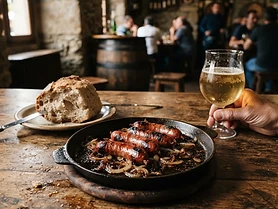
Navarran mountain cooking relies on heavy proteins and seasonal forest yields. Chuletón de ternera, thick cuts of beef from local mountain cattle, provides the necessary fuel for cold weather. Trucha a la navarra, river trout fried with local Serrano ham, draws on the abundance of the mountain streams. Mushrooms collected from the forest floor often appear in sauces or served alongside game meat. Patxaran, a liqueur made by soaking sloe berries in anise, serves as the standard digestif throughout the province. This drink captures the tart flavor of the hedgerows that border the lower slopes of the Pyrenees.
Navarra: the whole region
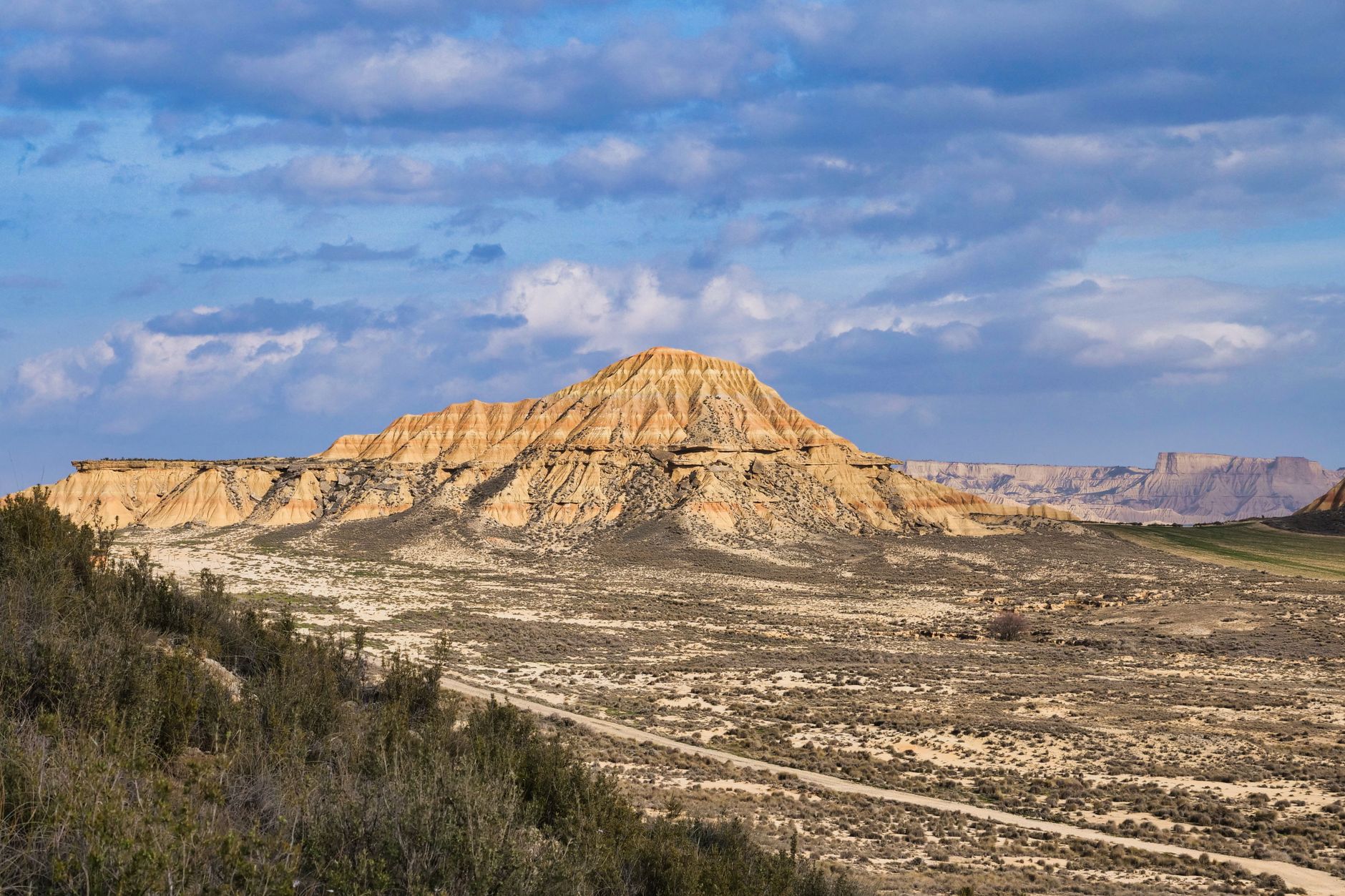
A region of contrasts packed into a small space: Pyrenean valleys and Atlantic beech forest in the north, Pamplona in the middle, and the Bardenas Reales — a desert of eroded badlands — in the south-east, which nobody expects at this…
Minimum 3 days · better 5-6 days · deep 8 days
In Navarra






In Navarra




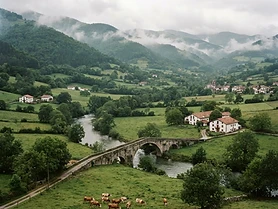

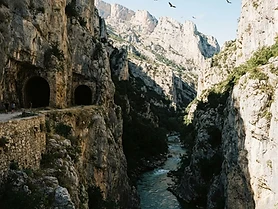

More natural park in Navarra
Logistics are verified only. We don't publish schedules we haven't confirmed.
Ready to build Selva de Irati into a trip?
You've found a place worth going. When you're ready to turn discovery into an itinerary, Travel Itinerary Co picks up where the Field Guide leaves off — with your saved places already in hand.
Build this into a tripContinues on Travel Itinerary Co
Spain Field Guide may earn a commission when you book through selected links. Recommendations are editorial and independent of commission.