Iglesia de Santa María de Eunate
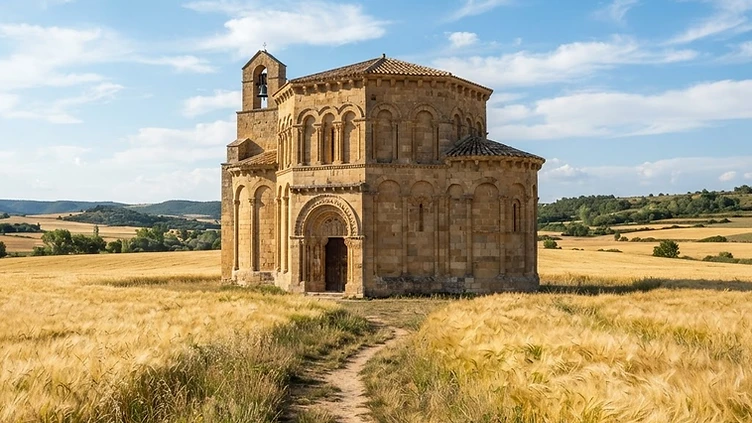
Stop here on the walk into Puente la Reina rather than treating it as a detour — the church stands alone in a field about half an hour along the pilgrim path. Half an hour is enough, and the puzzle is the point: octagonal, two doors, no agreed explanation.
An octagonal Romanesque church standing alone in a wheat field outside Puente la Reina on the Camino, unexplained in origin and unlike any other building on the route.
At a Glance
Isolated in the middle of a wheat field along the Camino, this octagonal church remains a mysterious, free-standing puzzle that defies simple classification. The rough, grey stone is exposed to the elements, and its lack of clear religious or monastic context has spawned centuries of speculation about its Templar origins. Visitors arriving on foot find it a strangely peaceful, geometric anomaly that seems to exist outside of time, rooted in the dirt and the vast, open horizon of Navarra.
How it got here
Navarra sits at the nexus of the Pyrenees and the Ebro valley, functioning as a corridor for pilgrims moving toward Santiago de Compostela. The Camino de Santiago brought Romanesque architecture into the rural landscapes of this kingdom, building a network of parish churches and hospices. Eunate stands as a primary example of this movement, showing the octagonal ground plan often linked to the Holy Sepulchre. While theories regarding its origins vary, historians ground its existence in the twelfth-century boom of pilgrimage infrastructure. It functioned within the ecclesiastical networks of the time, serving the spiritual needs of travelers moving across the arid interior of the Iberian Peninsula.
Where it sits
The church sits amid the expansive wheat fields of the Valdizarbe valley, miles away from the main streets of Puente la Reina. The limestone structure catches the light against a backdrop of undulating hills and dry scrubland. In summer the sun bleaches the landscape to pale gold, while winter rains turn the surrounding clay paths into dense mud. Pilgrims reach the site by foot along the traditional route, entering a space that feels detached from the nearby agricultural villages. Winds funnel through the open plain, making the stone walls the only shelter for miles in the empty fields.
What to eat and drink
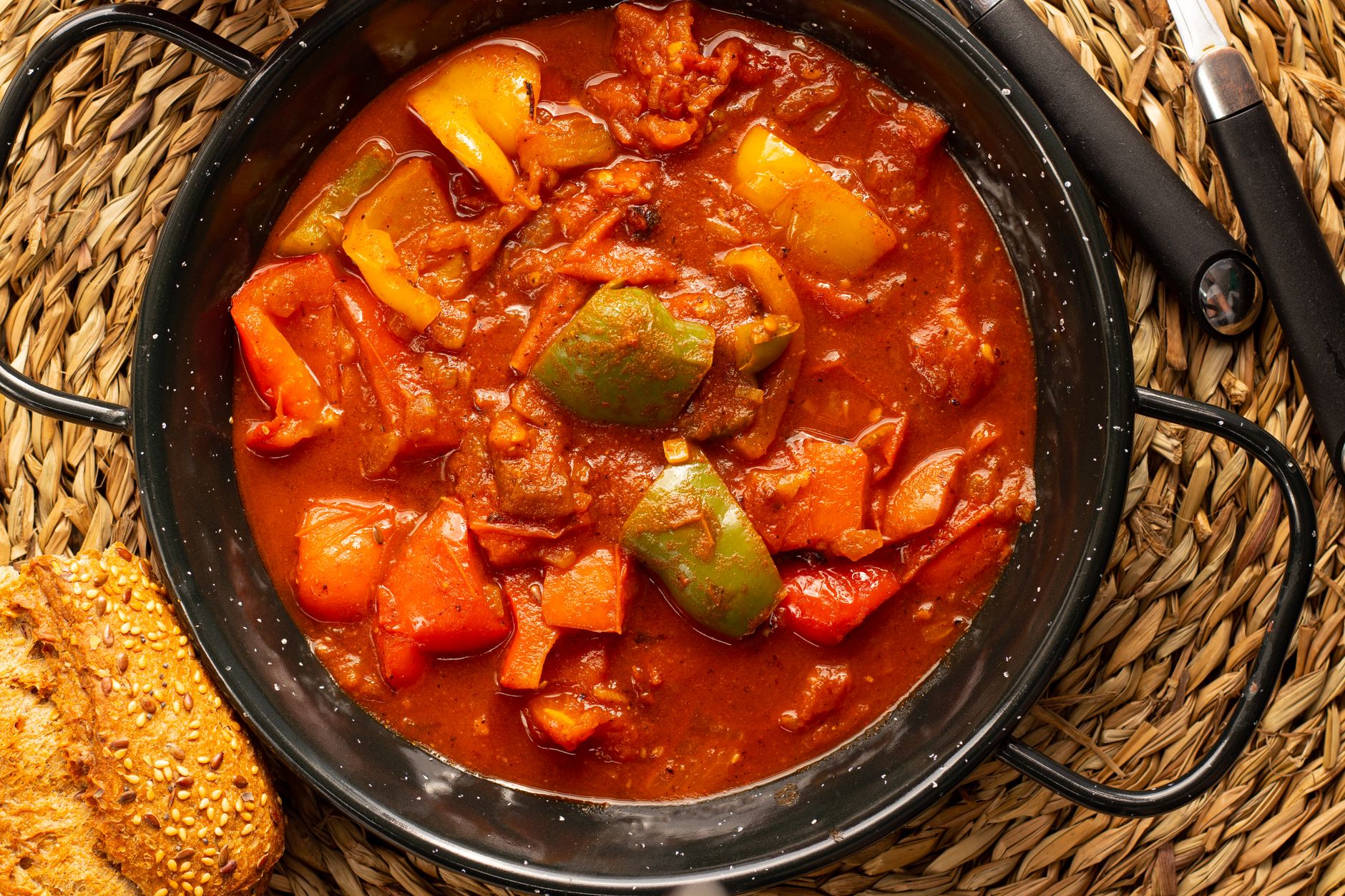
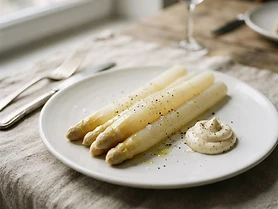
Navarra provides hearty mountain fare suited to the climate of the valleys. Menestra de verduras, a slow-cooked medley of seasonal artichokes, asparagus, and peas, highlights the bounty of the nearby Ebro river basin. Piquillo peppers, fire-roasted and preserved in oil, serve as a standard accompaniment to meat dishes. For protein, diners order cordero al chilindrón, a robust stew of lamb, tomatoes, onions, and red peppers. The local wine culture centers on Garnacha, a grape that produces crisp, dry rosado with sharp acidity. Patxaran, a sweet liqueur made by soaking sloe berries in anise-flavored spirit, finishes a meal.
Navarra: the whole region
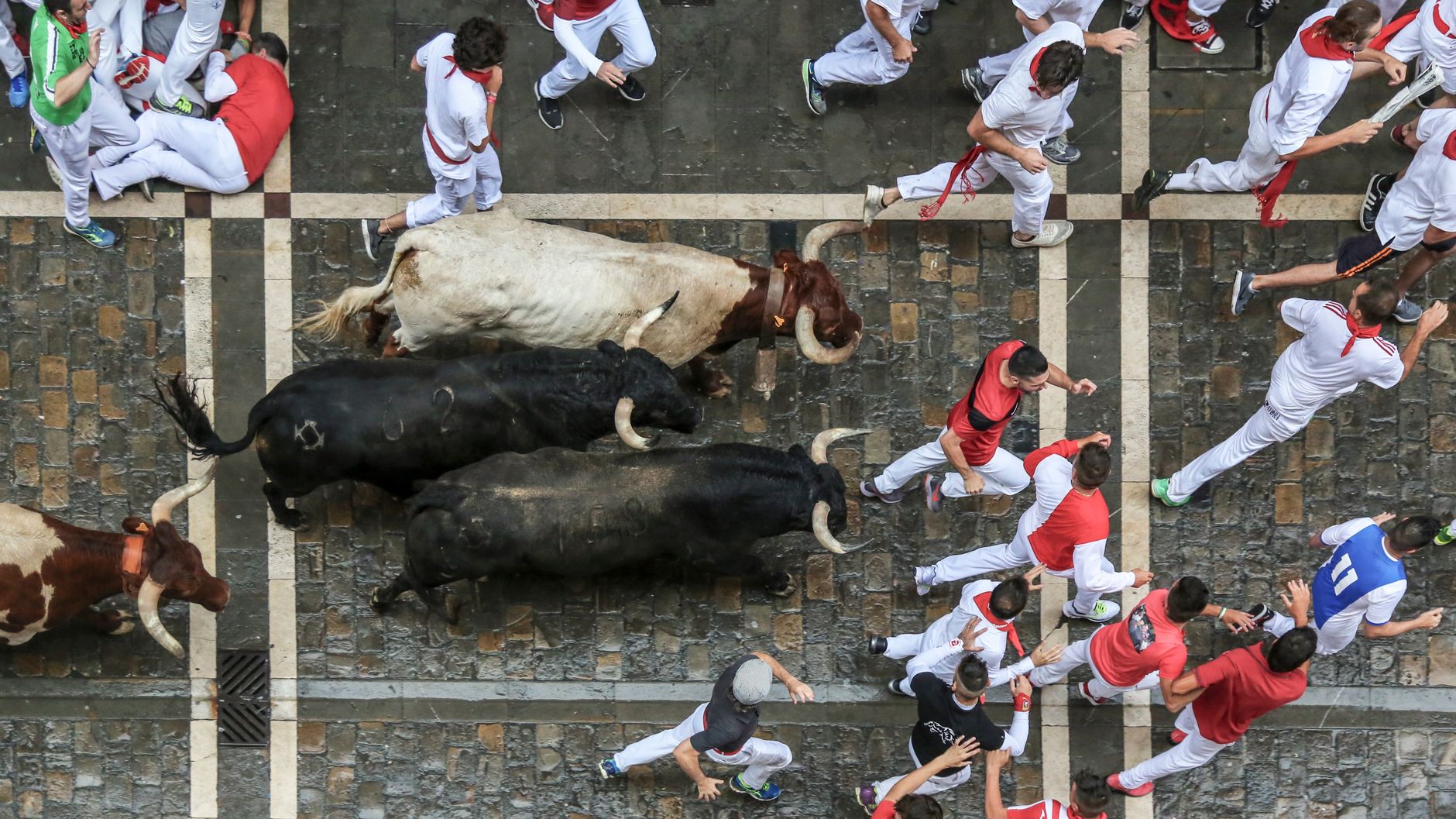
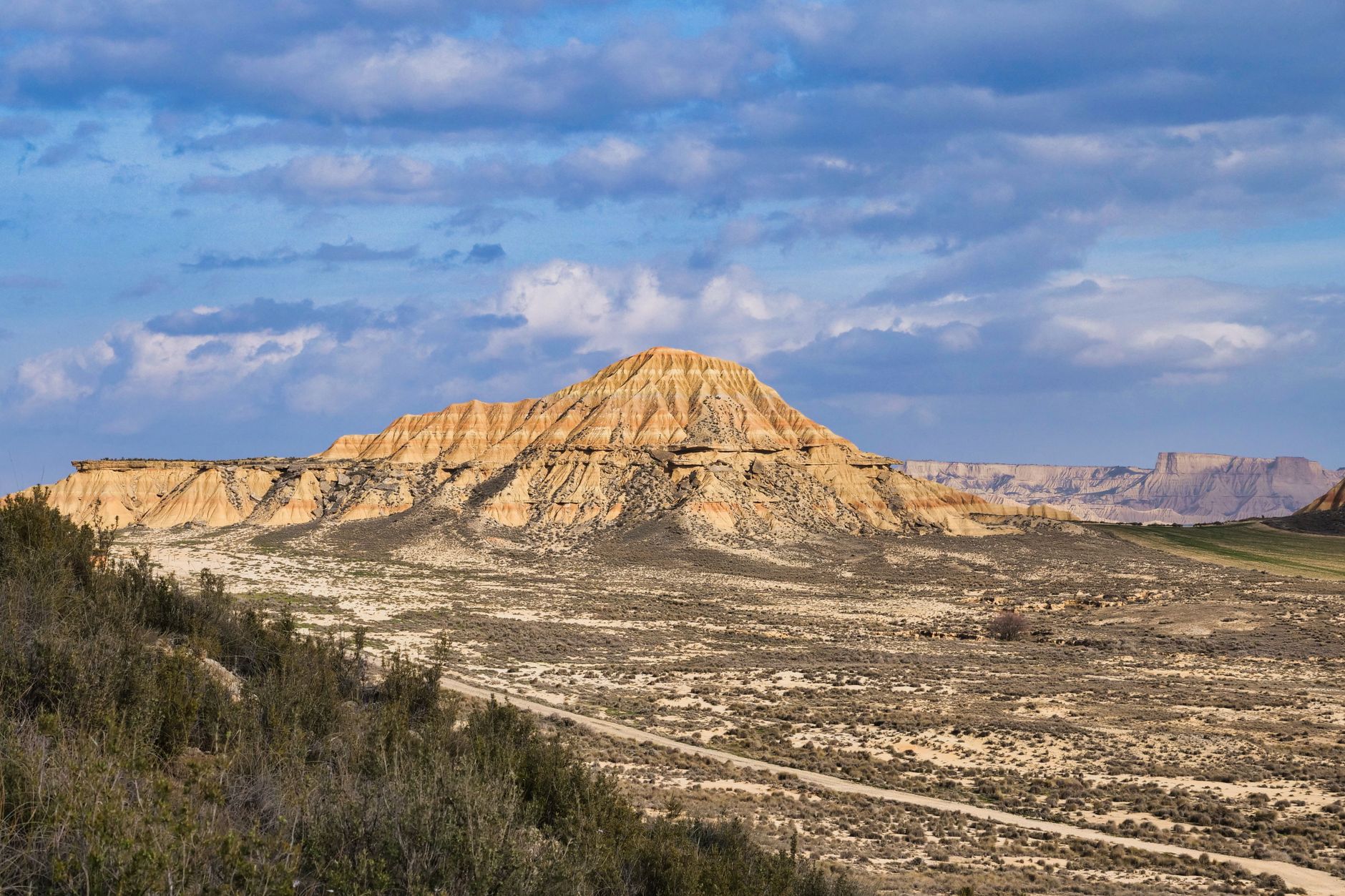
A region of contrasts packed into a small space: Pyrenean valleys and Atlantic beech forest in the north, Pamplona in the middle, and the Bardenas Reales — a desert of eroded badlands — in the south-east, which nobody expects at this…
Minimum 3 days · better 5-6 days · deep 8 days
What's Nearby

In Navarra




In Navarra





Logistics are verified only. We don't publish schedules we haven't confirmed.
Experiences worth booking ahead
Spain Field Guide may earn a commission when you book through selected links. Recommendations are editorial and independent of commission.
Ready to build Iglesia de Santa María de Eunate into a trip?
You've found a place worth going. When you're ready to turn discovery into an itinerary, Travel Itinerary Co picks up where the Field Guide leaves off — with your saved places already in hand.
Build this into a tripContinues on Travel Itinerary Co
Spain Field Guide may earn a commission when you book through selected links. Recommendations are editorial and independent of commission.