Pamplona
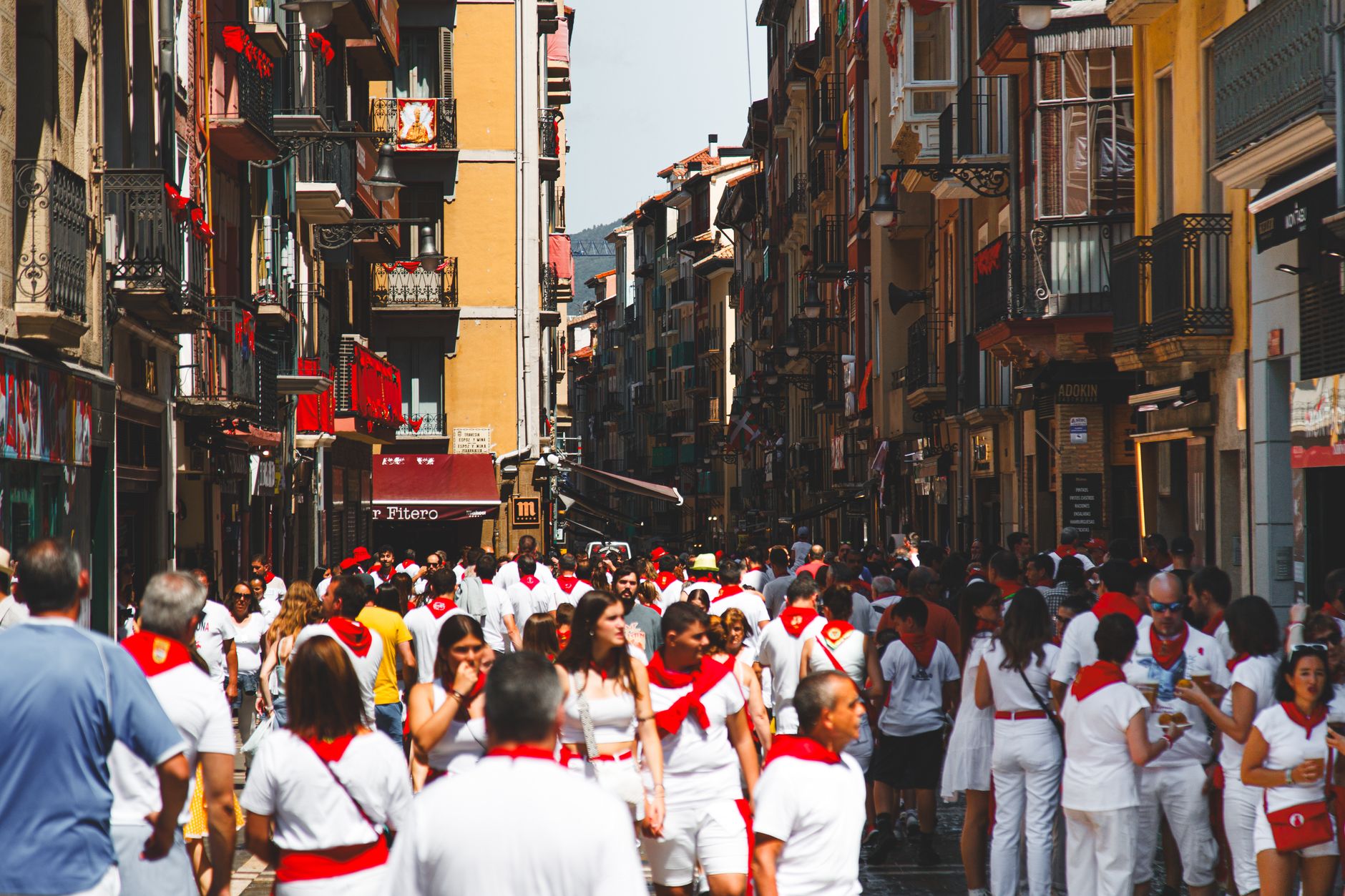
A pleasant overnight on the Camino or a northern drive. The pintxos scene alone justifies a stop.
A Camino crossroads with a handsome old town and the best pintxos outside San Sebastián. Calmer than its festival reputation.
At a Glance
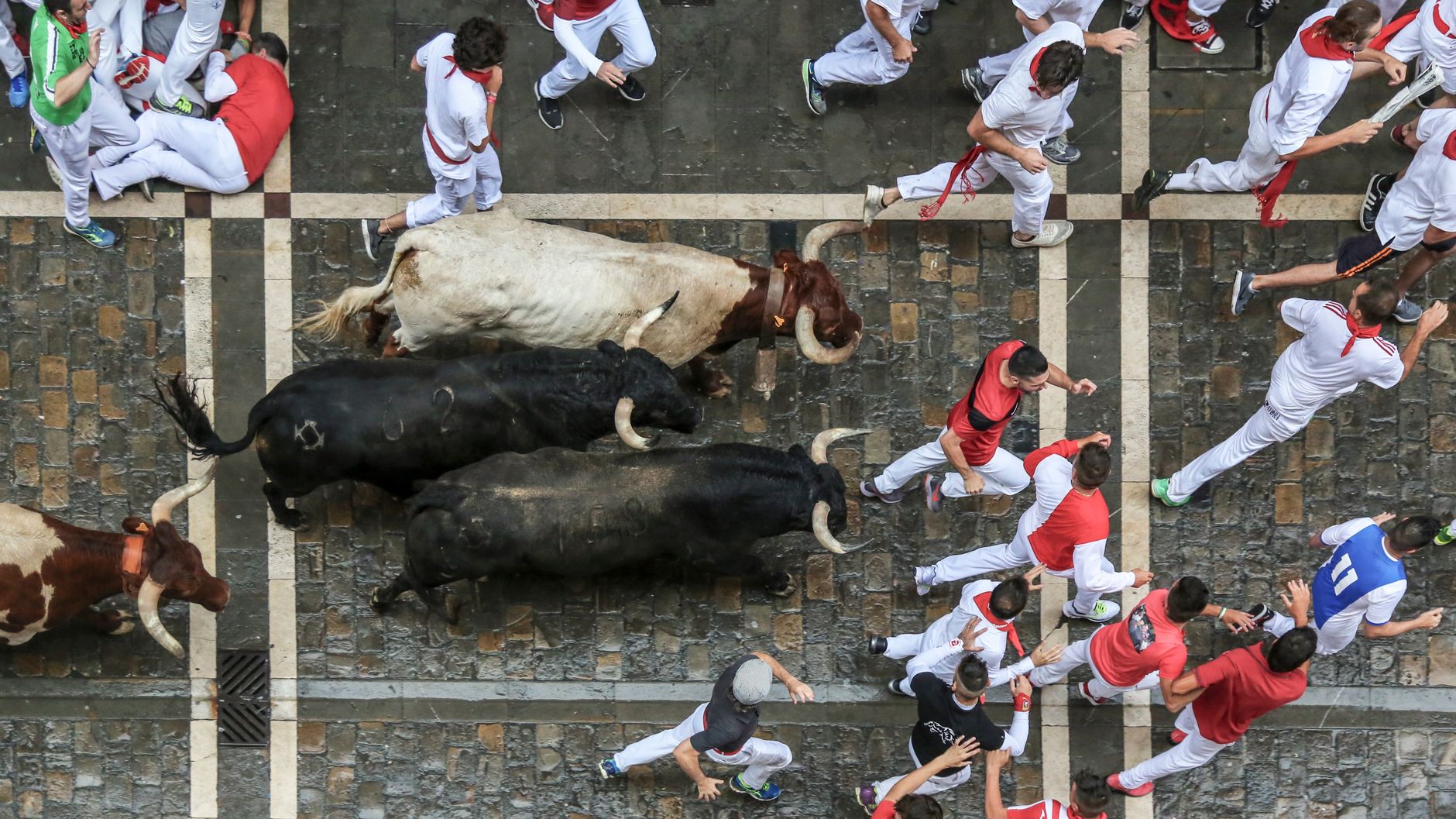
- — You're only here for the running of the bulls and it's not July
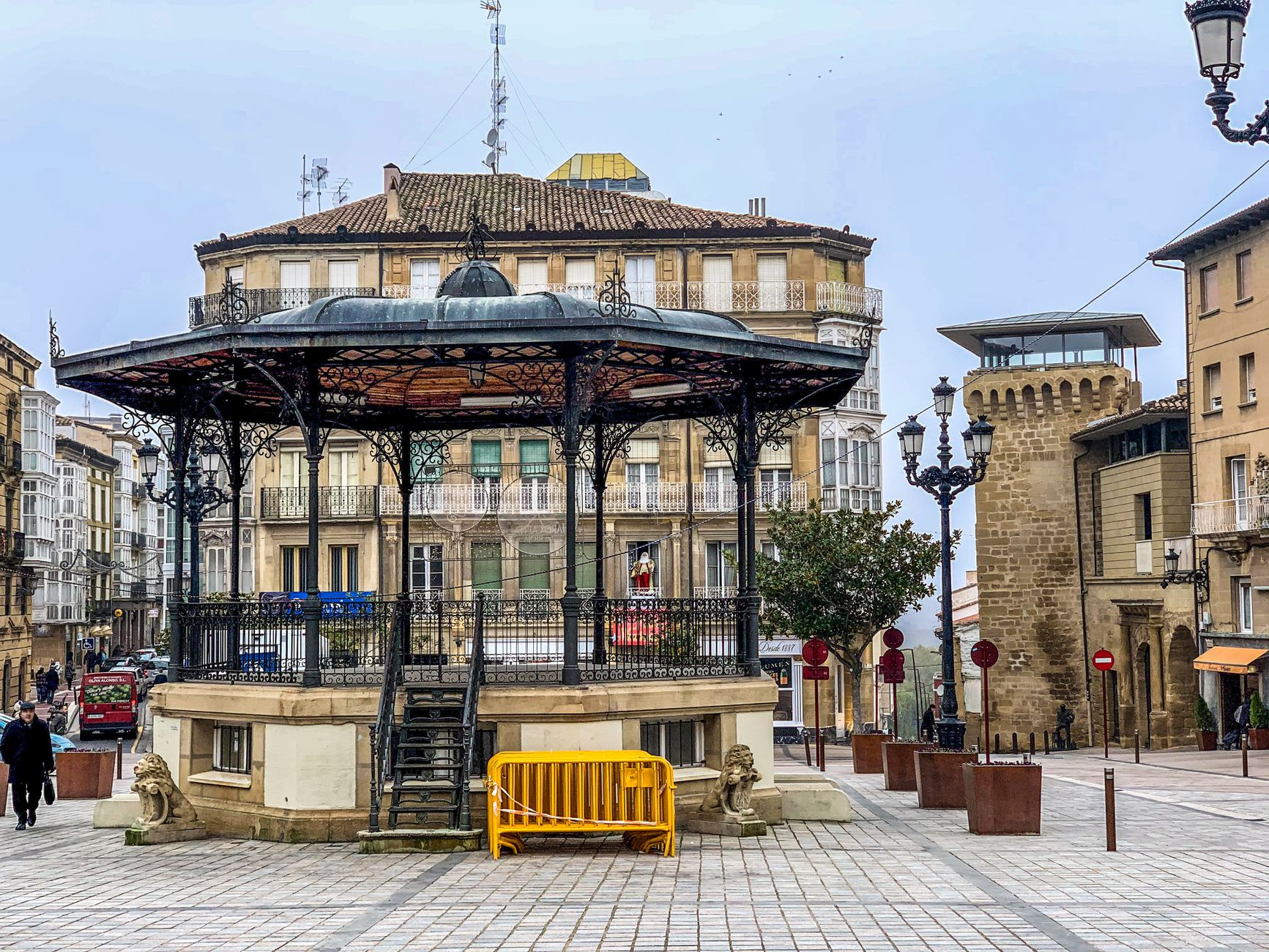
Far more than just its boisterous festival reputation, this city is a sophisticated intersection of medieval stone architecture and a world-class pintxos scene. The narrow, orderly streets of the old town hide counters overflowing with bite-sized culinary art that rivals anything found in San Sebastián. It is a handsome, calm place to spend a night, providing a perfect, high-quality respite for those driving north or finishing a long stretch on the pilgrimage route.
How it got here
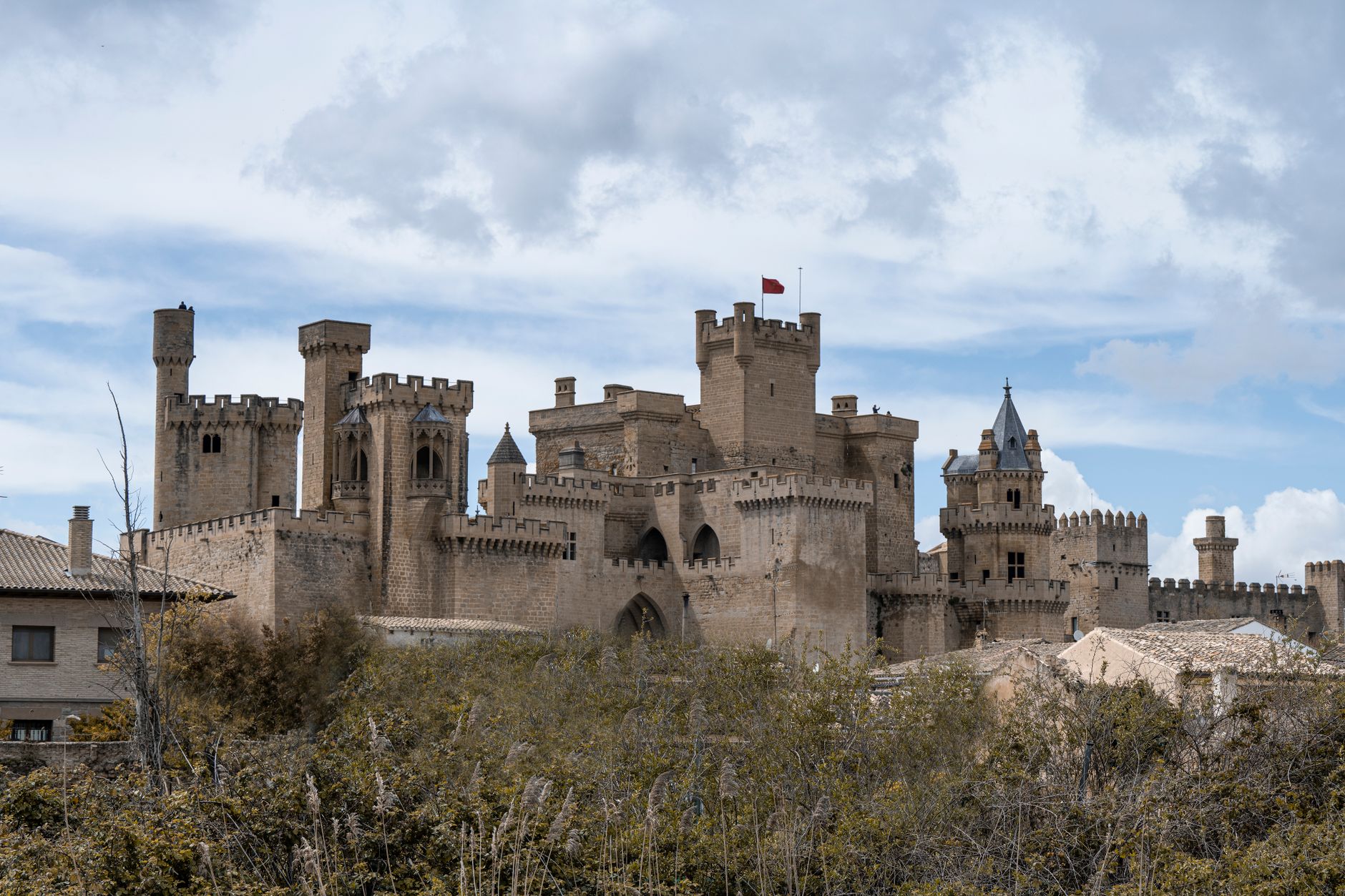
Pompaelo grew from a Roman camp established by Pompey the Great during the Sertorian War. It secured a strategic position on the road linking Aquitania to the Ebro valley. Following the collapse of Roman authority, the city served as a stronghold for Visigothic and later Frankish forces. The fortification of the walls under Sancho III the Great turned the site into a capital for the Kingdom of Pamplona. Its status as a vital stop on the Camino de Santiago solidified its commercial and spiritual importance. Today, the defensive bastions and the layout of the medieval quarters clarify the military necessity that defined its growth over centuries.
Where it sits
The city occupies a terrace above the Arga river in the northern reaches of the Iberian Peninsula. Fields of wheat and vineyards define the rolling plains of the Ebro basin to the south, while the landscape rises sharply into the limestone massifs of the Pyrenees toward the north. North winds bring sharp drops in temperature during winter months, though summers provide moderate heat. Rail and road connections funnel traffic from the Basque Country and the French border. It functions as a transit point between the mountains and the plains, maintaining a quiet pace outside the midsummer calendar events.
What to eat and drink
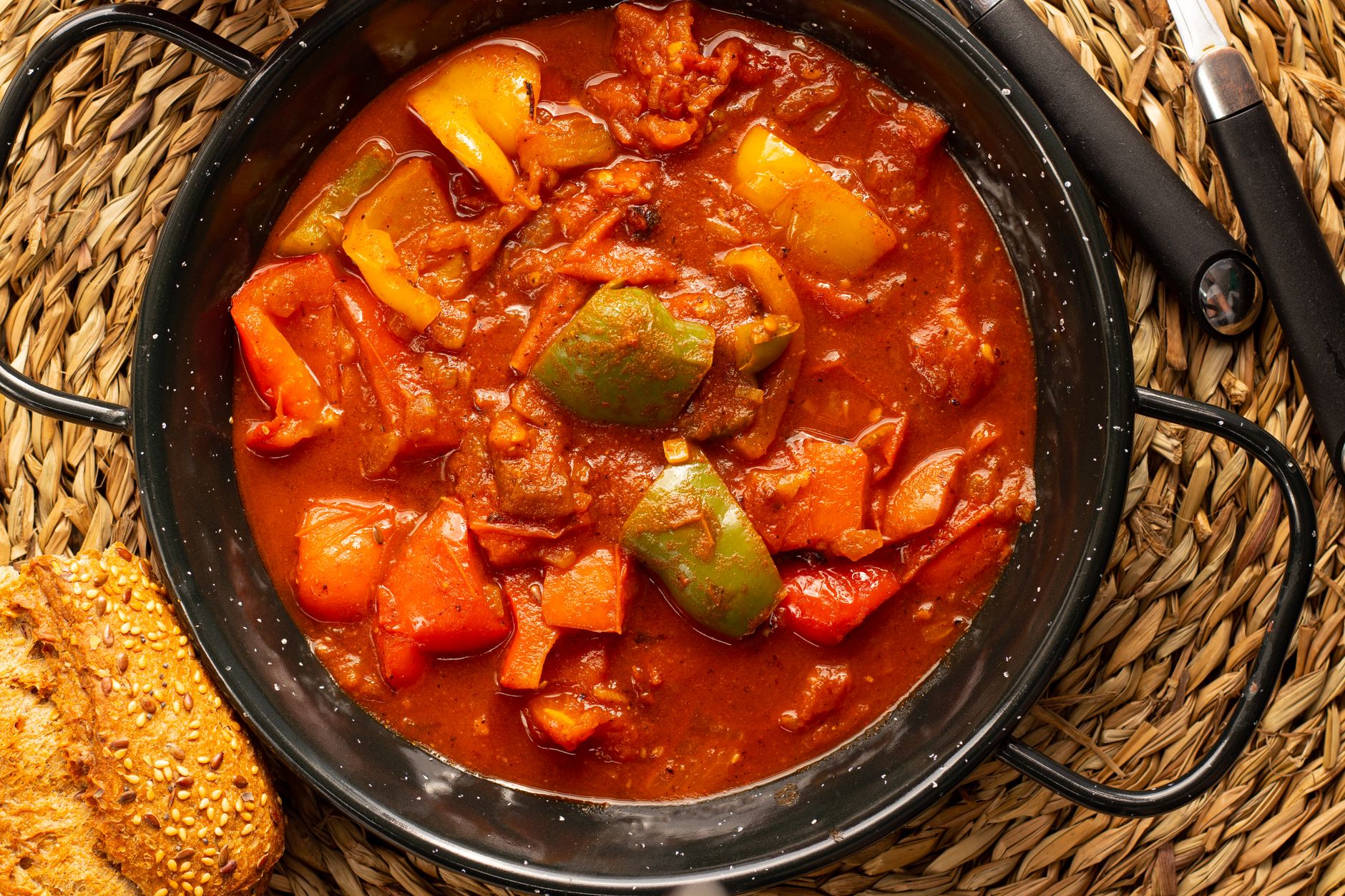
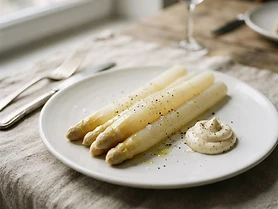
Navarran agriculture dictates the table here. White asparagus, grown in the silt of the river banks, appear fresh in the spring. Piquillo peppers, roasted over wood coals and peeled by hand, accompany stews of ajoarriero, a dish of salt cod with garlic and tomato. The local cattle provide beef for simple roasts. The region produces wine under the Denominación de Origen Navarra, specifically the dry, pale rosado made from Garnacha grapes. Patxaran, an anise-based liqueur macerated with sloe berries gathered from the surrounding shrubland, provides the traditional finish to a meal.
Navarra: the whole region
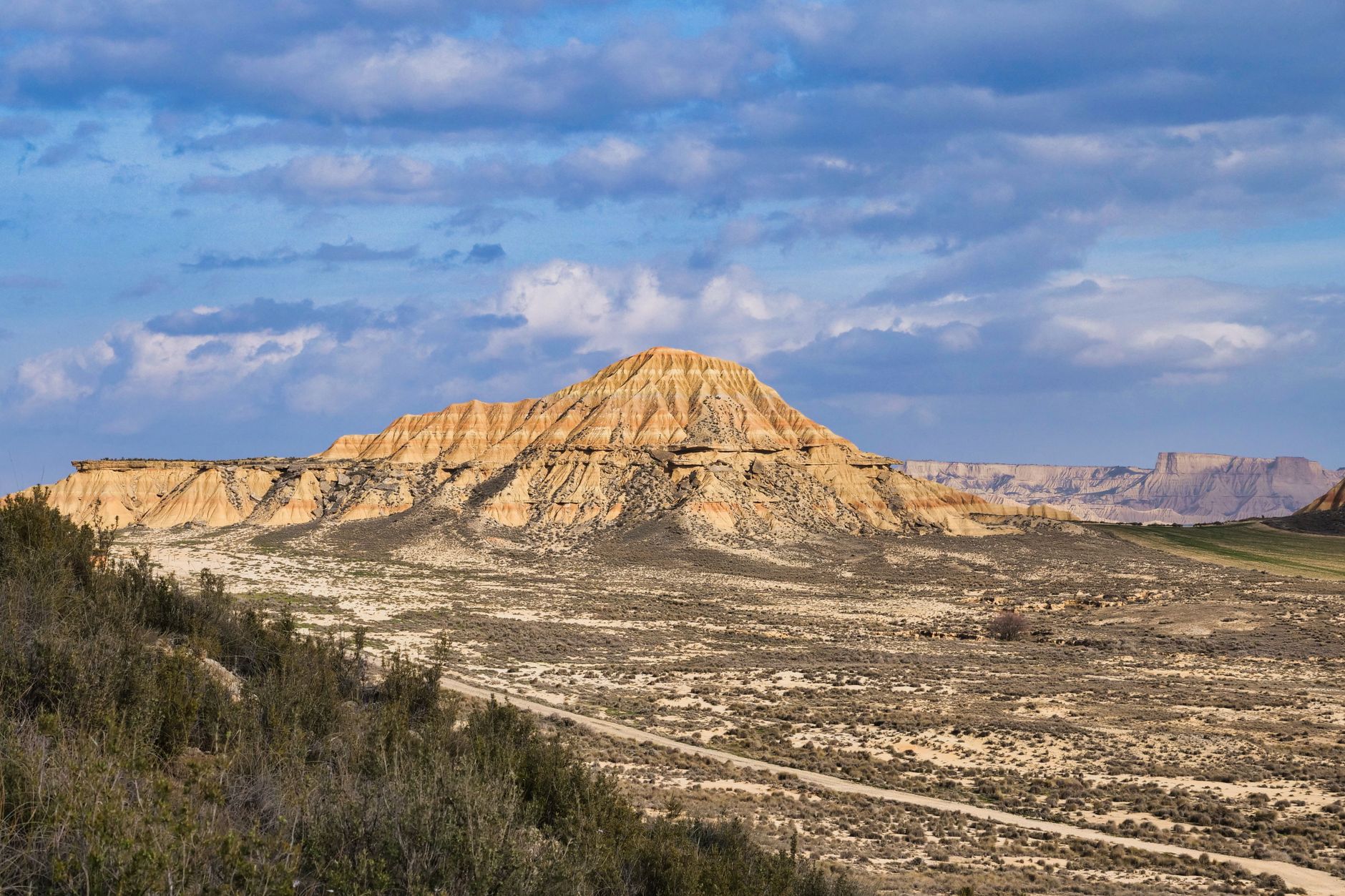
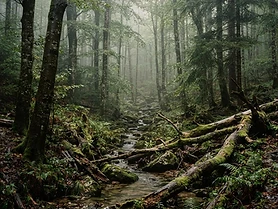
A region of contrasts packed into a small space: Pyrenean valleys and Atlantic beech forest in the north, Pamplona in the middle, and the Bardenas Reales — a desert of eroded badlands — in the south-east, which nobody expects at this…
Minimum 3 days · better 5-6 days · deep 8 days
In and around Pamplona

What's Nearby


Pair It With

In Navarra





In Navarra





Linked from elsewhere
Entries that name this place in their own nearby lists.
Logistics are verified only. We don't publish schedules we haven't confirmed.
Experiences worth booking ahead
Spain Field Guide may earn a commission when you book through selected links. Recommendations are editorial and independent of commission.
Ready to build Pamplona into a trip?
You've found a place worth going. When you're ready to turn discovery into an itinerary, Travel Itinerary Co picks up where the Field Guide leaves off — with your saved places already in hand.
Build this into a tripContinues on Travel Itinerary Co
Spain Field Guide may earn a commission when you book through selected links. Recommendations are editorial and independent of commission.