Valle de Baztán
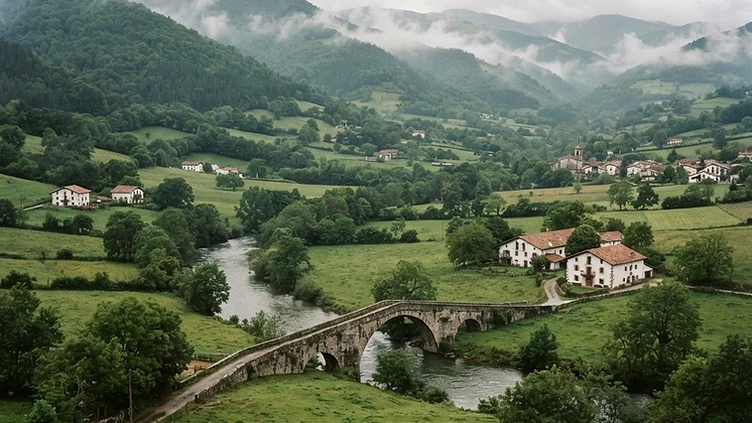
A full day by car with Elizondo as the base. Not worth a hurried afternoon — the driving between the villages is the point.
The best green driving in Navarra: a Basque valley of rivers, forests and enormous farmhouses, still barely on the tourist map.
Pamplona · Puente la Reina · Sangüesa · Ujué
At a Glance
The Baztán runs north to the French border in a chain of villages — Elizondo, Arizkun, Amaiur, Erratzu — through chestnut and oak woods, stone farmhouses with wide eaves and rivers of clear water. Amaiur's castle ruin marks the last stand of an independent Navarra in 1522. It is Basque-speaking, quiet, and rewards slow driving rather than stops.
How it got here
The Baztán valley held a unique status within the Kingdom of Navarra as a collective territory of free men rather than subjects of a feudal lord. Families organized their own administration and grazing rights over the communal mountain pastures while maintaining defenses against frequent incursions from neighboring territories. In 1522 the castle at Amaiur became the site of a final resistance against the Castilian forces that sought to incorporate Navarra into their own crown. The subsequent loss of that independence turned the valley into a border territory where the preservation of local customs and the Basque language became a quiet act of continuity over the centuries.
Where it sits
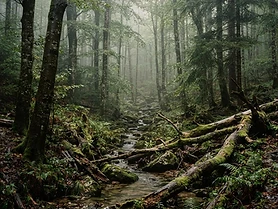
The valley follows the Bidasoa river as it descends from the Pyrenean peaks through narrow passages into the Atlantic slopes of Navarra. Rain and humidity sustain the dense forests of chestnut and oak that cover the slopes and surround the stone farmhouses. The road from Pamplona climbs through high mountain passes before dropping into a landscape of green pastures and dispersed villages built around large square churches. Winters bring heavy fog and persistent dampness while summers retain a temperate air that keeps the meadows lush and quiet despite the light traffic that passes between the French border and the provincial capital.
What to eat and drink
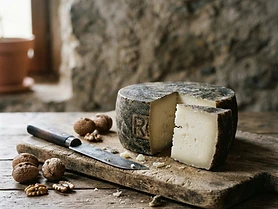
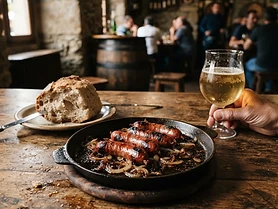
Dairy defines the local table here with Idiazábal cheese made from the raw milk of Latxa sheep. It possesses a firm texture and a distinctive smoky profile from the beechwood fires used in its production. Garden vegetables from the fertile valley floor appear in menus as seasonal staples often prepared with simple olive oil or alongside local beef. Cider, known as sagardoa, holds an ancient place in the mountain culture of this region. It is a tart and unfiltered apple drink produced in small batches, traditionally poured from a height to release its subtle effervescence into the glass.
Navarra: the whole region
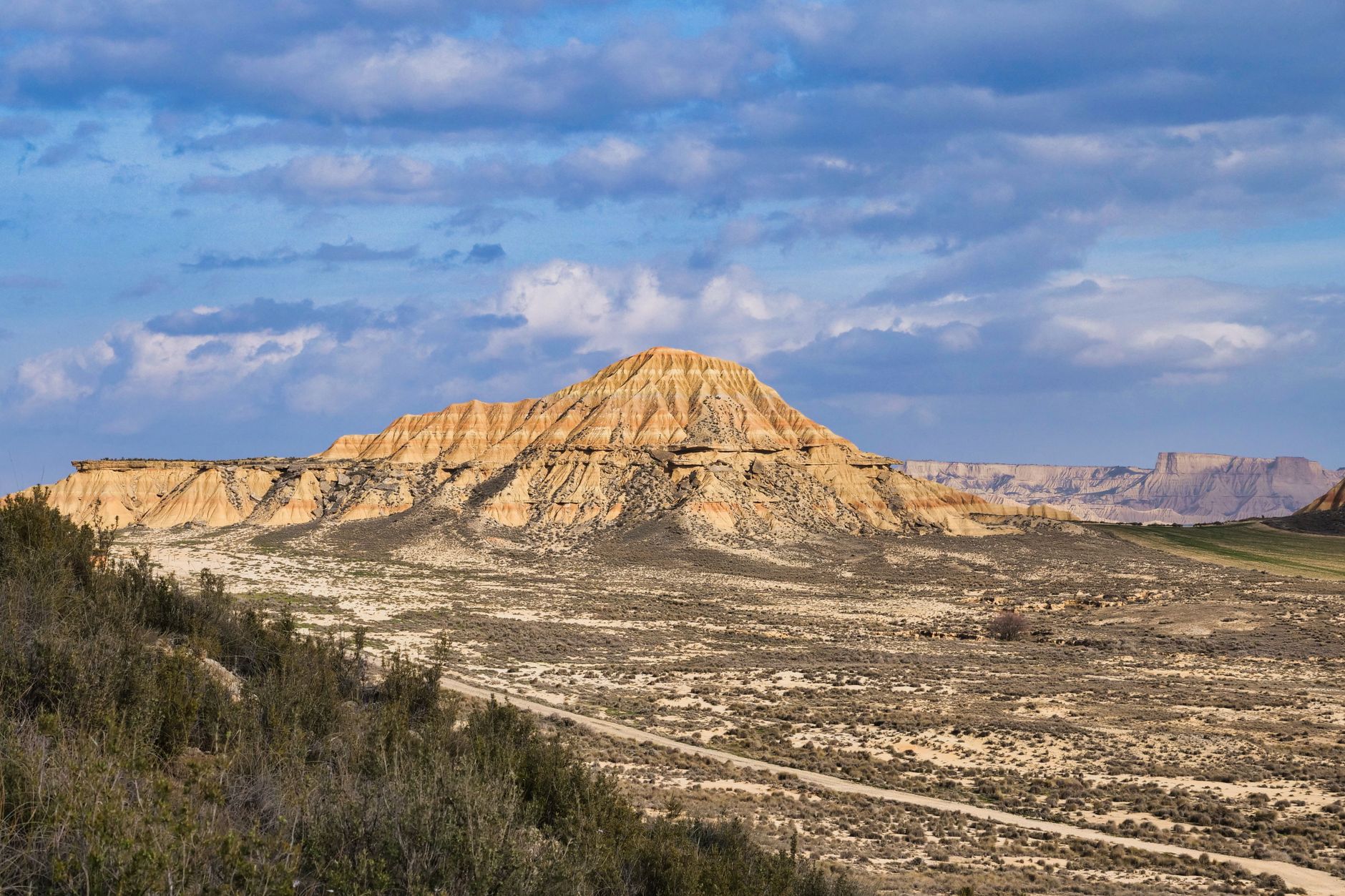
A region of contrasts packed into a small space: Pyrenean valleys and Atlantic beech forest in the north, Pamplona in the middle, and the Bardenas Reales — a desert of eroded badlands — in the south-east, which nobody expects at this…
Minimum 3 days · better 5-6 days · deep 8 days
In Navarra






In Navarra






Logistics are verified only. We don't publish schedules we haven't confirmed.
Ready to build Valle de Baztán into a trip?
You've found a place worth going. When you're ready to turn discovery into an itinerary, Travel Itinerary Co picks up where the Field Guide leaves off — with your saved places already in hand.
Build this into a tripContinues on Travel Itinerary Co
Spain Field Guide may earn a commission when you book through selected links. Recommendations are editorial and independent of commission.