Foz de Lumbier
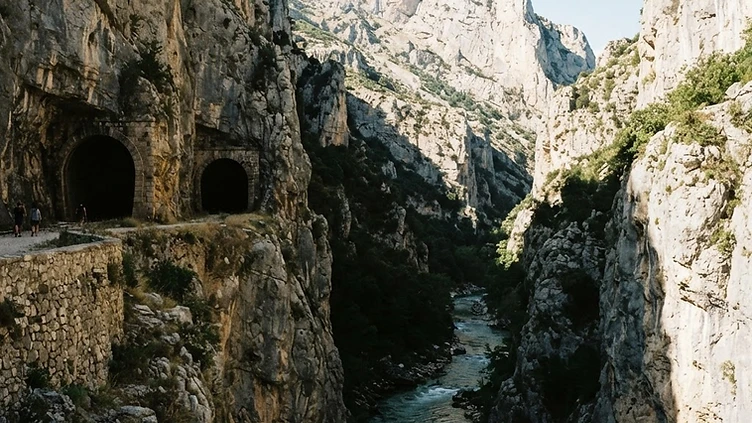
Two hours, and easiest in summer when the shade matters. Pair it with the Arbayún viewpoint and Sangüesa's portal in one afternoon.
A walkable gorge with vultures circling the walls and a Victorian-era railway path through the middle, twenty minutes from Sangüesa.
Pamplona · Puente la Reina · Sangüesa · Ujué
At a Glance
The Foz de Lumbier is a narrow canyon the Irati has sliced through the limestone, its walls holding one of Navarra's largest griffon vulture colonies. An old railway line runs through the gorge on a level path, giving an easy two-kilometre walk beneath the cliffs. The neighbouring Foz de Arbayún is wider and deeper, and is seen from a viewpoint on the road above.
How it got here
Navarra occupies the transition between the Atlantic north and the Ebro valley. The Irati river carved these limestone walls long before human presence, though the gorge track follows the route of the Irati railway. This line carried timber from the northern forests and ore from mines into the industrial heart of the province during the early twentieth century. After the train service ceased, the path became a public thoroughfare. The gorge sits within the Merindad de Sangüesa, a district defined by its proximity to the Aragonese border and the historical weight of the medieval kingdom of Navarra, which governed these valleys for centuries.
Where it sits
The terrain shifts abruptly from the high peaks of the Pyrenees into the jagged limestone ranges of the Navarrese pre-Pyrenees. The Irati river slices through the rock, creating a passage where the wind funnels through the canyon floor. Pale, vertical cliffs dominate the view, providing vertical nesting ground for griffon vultures. The landscape stays arid, with scrub oak and boxwood clinging to the slopes. Summer heat radiates from the stone, while autumn rains swell the river volume. Visitors reach the gorge by navigating the winding roads that connect the villages dotting the rolling hills between Sangüesa and Lumbier.
What to eat and drink
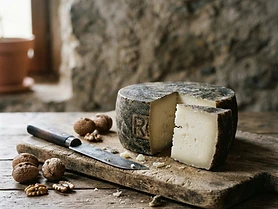
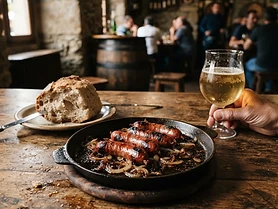
Navarrese cuisine relies on the produce of the Ebro basin and the mountain valleys. Asparagus, grown in the river silt, appears on tables in spring. Chorizo de Pamplona, a fine-grained sausage seasoned with pimentón, is the standard cured meat. During the colder months, kitchens prepare pochas, creamy white beans simmered with vegetables. For a main dish, menestra de verduras combines artichokes, peas, and asparagus in a light sauce. The region produces robust red wines, particularly the Garnacha variety, which balances the earthy weight of mountain stews and the sharp salt of the local curd cheese, cuajada, served with honey.
Navarra: the whole region
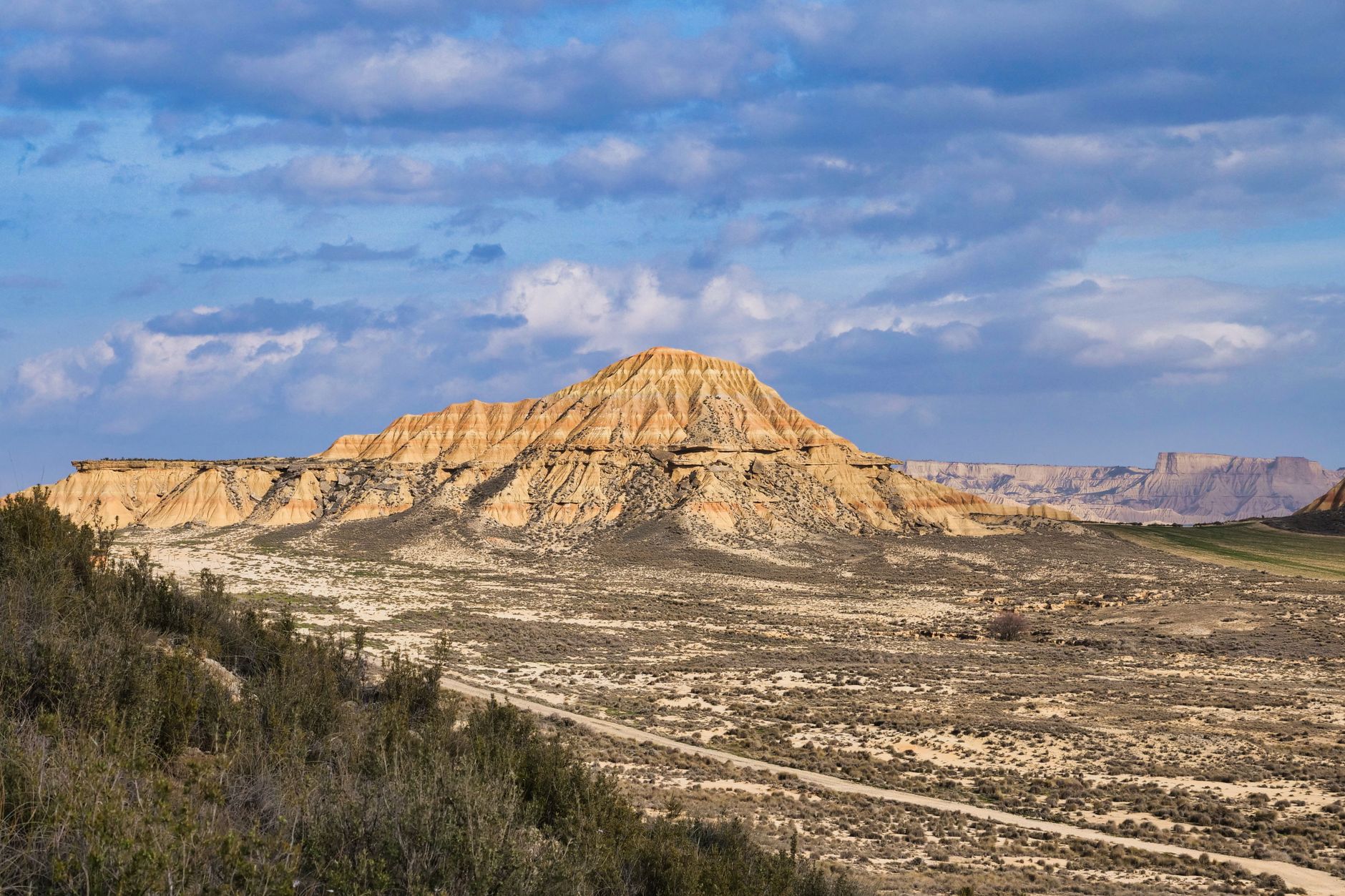
A region of contrasts packed into a small space: Pyrenean valleys and Atlantic beech forest in the north, Pamplona in the middle, and the Bardenas Reales — a desert of eroded badlands — in the south-east, which nobody expects at this…
Minimum 3 days · better 5-6 days · deep 8 days
In Navarra







In Navarra





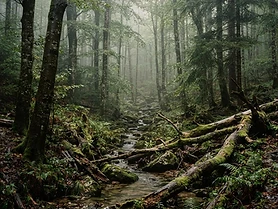

More natural park in Navarra
Logistics are verified only. We don't publish schedules we haven't confirmed.
Ready to build Foz de Lumbier into a trip?
You've found a place worth going. When you're ready to turn discovery into an itinerary, Travel Itinerary Co picks up where the Field Guide leaves off — with your saved places already in hand.
Build this into a tripContinues on Travel Itinerary Co
Spain Field Guide may earn a commission when you book through selected links. Recommendations are editorial and independent of commission.