Olite Royal Palace
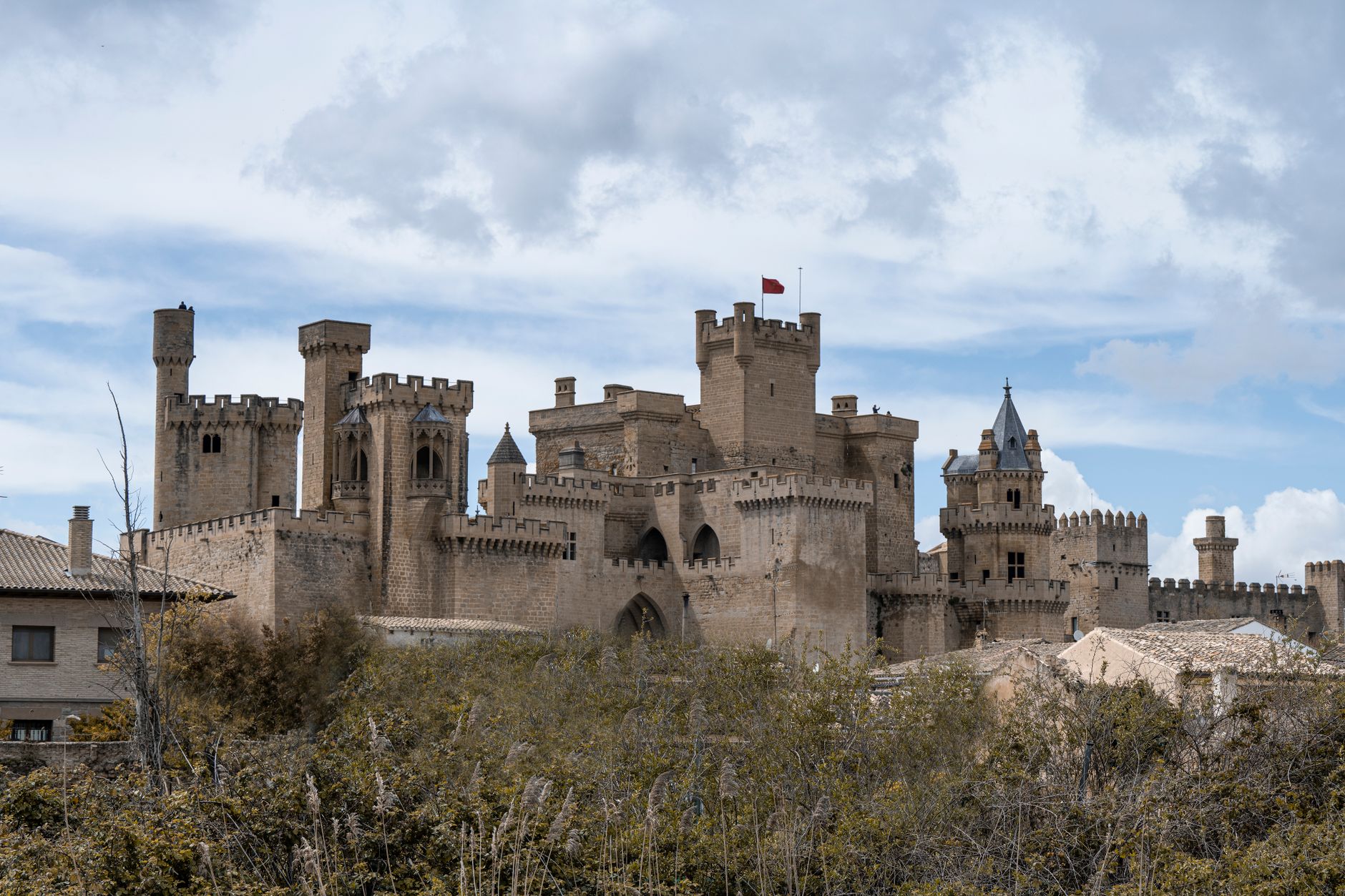
Worth a detour from Pamplona. Climb the towers for the Navarra plain view, stay the night in the parador within the castle if you can.
A 14th-century Gothic castle-palace, once the most luxurious court in Christendom, with towers, hanging gardens, and a parador inside the walls. Navarra's most romantic sight.
At a Glance
- — You're not driving through Navarra
Towers, battlements, and hanging gardens rise above the small town of Olite, a 14th-century palace that reads as a romantic assembly of staircases and hidden rooms. It was the seat of the Kings of Navarra, and the walls give a wide view over the flat, vine-covered plains. Staying inside the castle grounds is the closest thing to the courtly opulence the building was made for.
How it got here
Charles III of Navarra transformed the existing medieval defensive structures into a sprawling royal residence during the early fifteenth century. This ruler sought a palace that aligned with the prestige of the European courts of his era, resulting in the construction of galleries, chambers, and gardens that prioritized elegance over military necessity. The palace endured the subsequent decline of the Kingdom of Navarra as the territory transitioned into the crown of Castile. Fire damaged the structure during the Peninsular War, leaving only the external walls and decorative elements for nineteenth-century restoration. These limestone outlines reveal the shift from fortress to courtly seat during the late Middle Ages.
Where it sits
The palace dominates the horizon of the southern Navarra plains where the Pyrenean foothills subside into cultivated farmland. Low ridges and vine-covered slopes surround the town, creating a landscape defined by the Rio Cidacos and its surrounding irrigation networks. Winter winds whip across the open fields while summer heat settles over the stone walls until nightfall. Travelers reach the site by moving south from Pamplona through the transition zone where the damp north gives way to the drier, Mediterranean climate of the Ebro valley. Traffic through the streets remains moderate throughout the year, peaking when the harvest cycles begin.
What to eat and drink
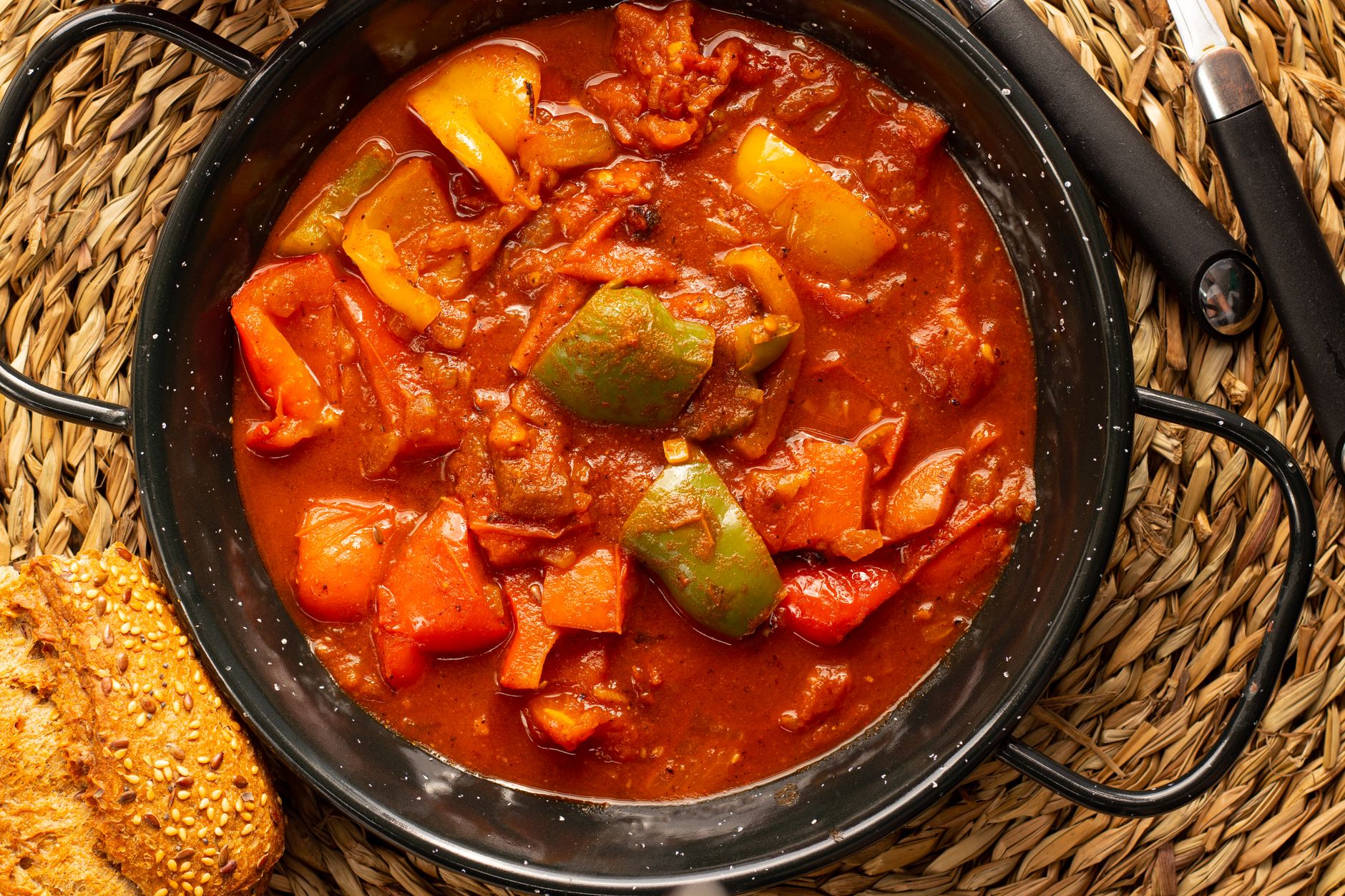
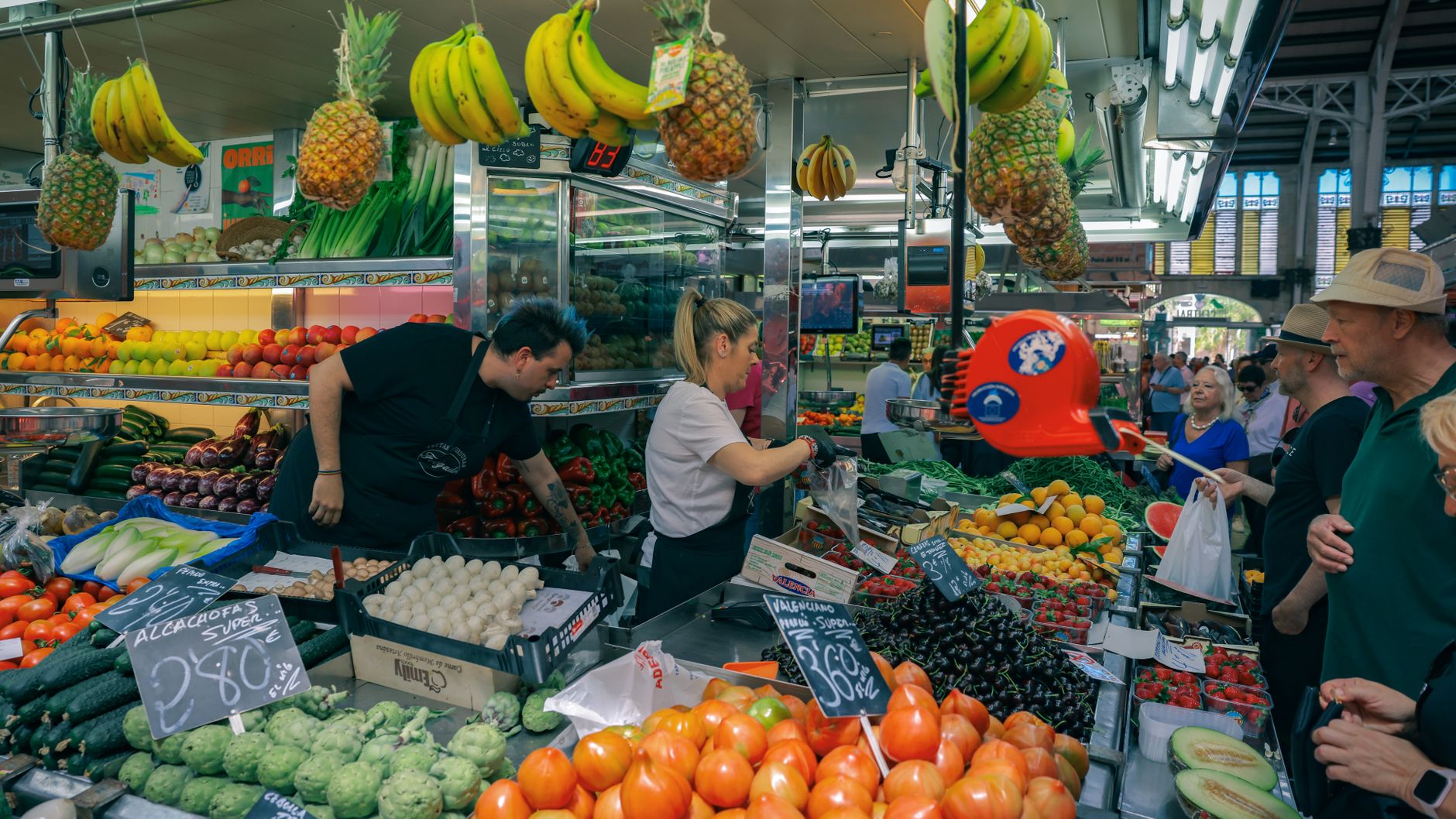
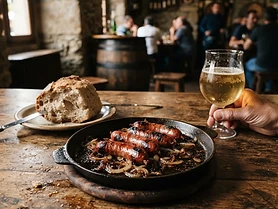
Navarra brings specific focus to garden produce and vineyard output. Pimientos del Piquillo, roasted red peppers prized for their sweet texture, appear on plates throughout the year. Alcachofas de Tudela, local artichokes harvested in spring, receive light preparation to preserve their distinct bitterness. The region relies on the Garnacha grape to produce rosado wines, which maintain a pale hue and high acidity. Patxaran, a liqueur made from macerated sloe berries and aniseed, provides a common finish to meals in this territory. The proximity to the Cantabrian coast also ensures that salt-cured cod, bacalao al ajoarriero, holds a place in the traditional diet.
Navarra: the whole region
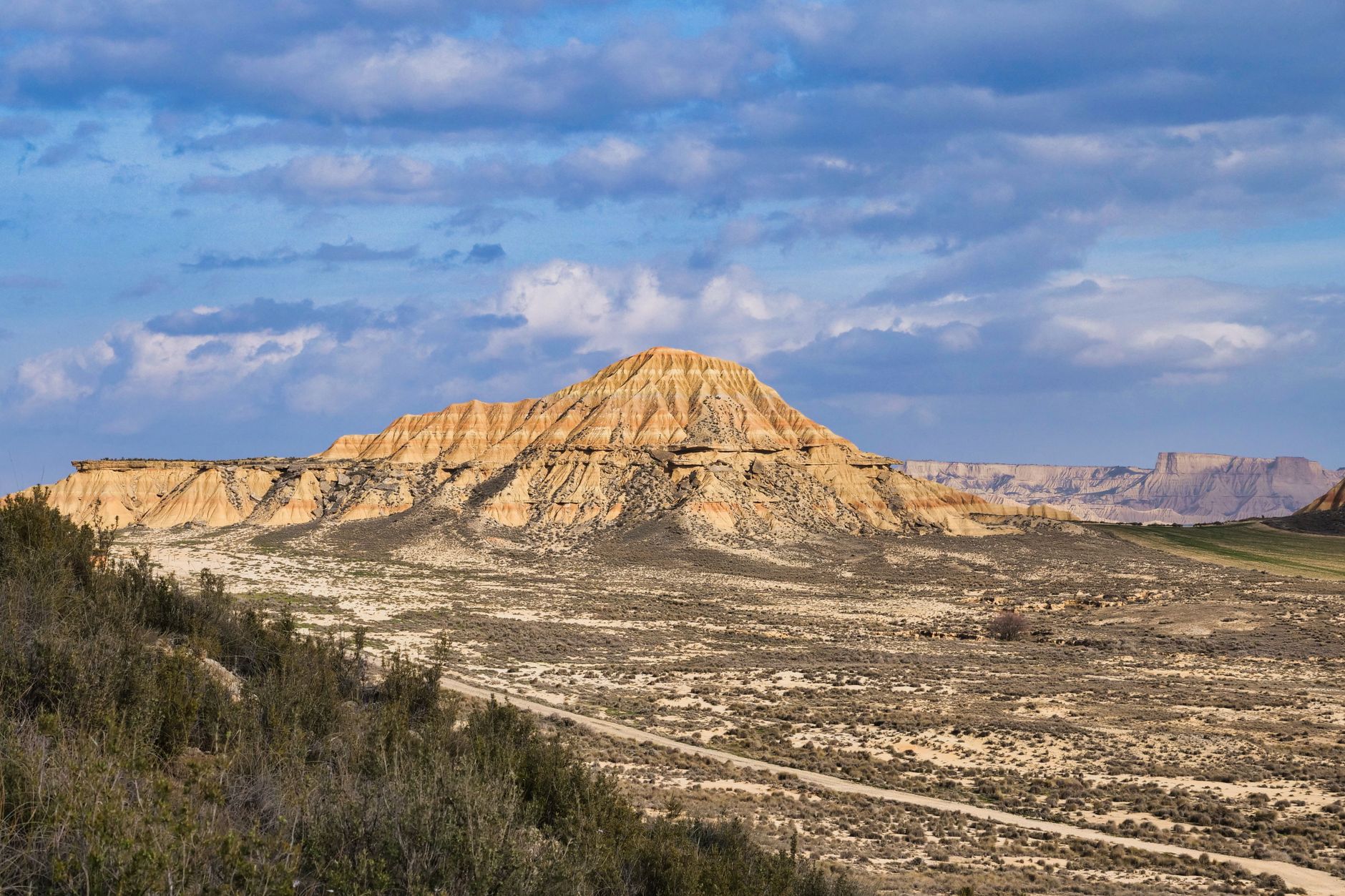
A region of contrasts packed into a small space: Pyrenean valleys and Atlantic beech forest in the north, Pamplona in the middle, and the Bardenas Reales — a desert of eroded badlands — in the south-east, which nobody expects at this…
Minimum 3 days · better 5-6 days · deep 8 days
What's Nearby
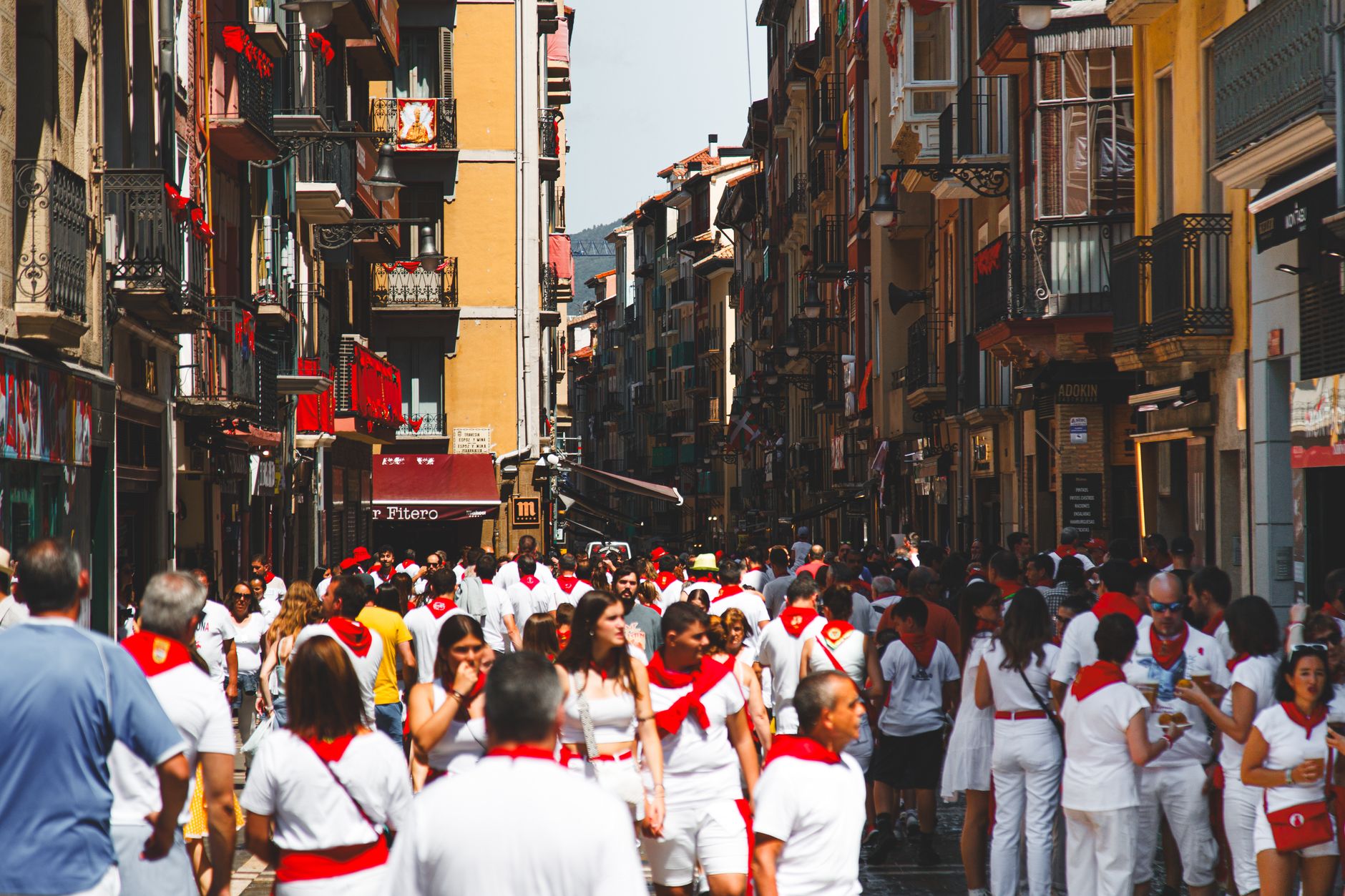

Pair It With


In Navarra




In Navarra






Linked from elsewhere
Entries that name this place in their own nearby lists.
Logistics are verified only. We don't publish schedules we haven't confirmed.
Appears In
Experiences worth booking ahead
Spain Field Guide may earn a commission when you book through selected links. Recommendations are editorial and independent of commission.
Ready to build Olite Royal Palace into a trip?
You've found a place worth going. When you're ready to turn discovery into an itinerary, Travel Itinerary Co picks up where the Field Guide leaves off — with your saved places already in hand.
Build this into a tripContinues on Travel Itinerary Co
Spain Field Guide may earn a commission when you book through selected links. Recommendations are editorial and independent of commission.