Roncesvalles (Camino Start)

For Camino walkers, this is where Spain begins. The Silos chapel and the Charlemagne legend are the draw; the pilgrim's mass at 6pm is the ritual.
The traditional starting point of the Camino Francés — a 12th-century Augustinian collegiate in a Pyrenean pass, where Charlemagne's rearguard fell (the Song of Roland). A pilgrim hospital for 900 years.
Pamplona · Estella (Camino Stop) · Monastery of San Juan de la Peña
At a Glance
- — You're not starting the Camino Francés from the French border
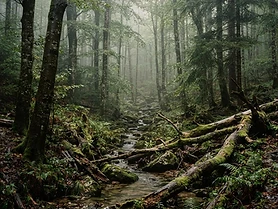
Tucked away in a narrow, lush pass of the Pyrenees, this historic site serves as the solemn, wind-swept gateway for those beginning the long trek along the Camino Francés. The heavy, stone walls of the collegiate church and the lingering legends of Charlemagne’s fallen rear guard create an atmosphere of profound, centuries-old devotion. As the sun drops behind the mountain peaks and the pilgrim’s bell rings out, the place feels suspended in time, acting as the quiet, daunting departure point for thousands of journeys to the west.
How it got here
The collegiate church dates to the twelfth century and replaced an earlier hospice built for pilgrims crossing the Pyrenees. Roncesvalles sits at the intersection of mountain passes that long dictated the movement of armies and travelers between the kingdoms of Navarre and France. The site marks the location of the Battle of Roncevaux Pass in 778 where the rear guard of Charlemagne’s army fell against Basque forces. This defeat passed into epic literature as the Song of Roland. Today the monastery preserves the memory of this medieval violence and piety through its architecture and the continued arrival of pilgrims walking toward Santiago de Compostela.
Where it sits
The Pyrenees rise steeply here in a tangle of deep valleys and beech forests that turn copper in the autumn. Moisture hangs in the air and clouds often shroud the high ridges throughout the year. The route climbs from the lowlands of Navarre into a landscape of limestone outcrops and damp pastures where livestock graze the slopes. Winter snow makes the high mountain passes treacherous and limits movement to the narrow valley floor. During the warmer months the trail attracts a steady flow of walkers who pass through the quiet stone settlement before descending toward the plains of the Ebro valley.
What to eat and drink
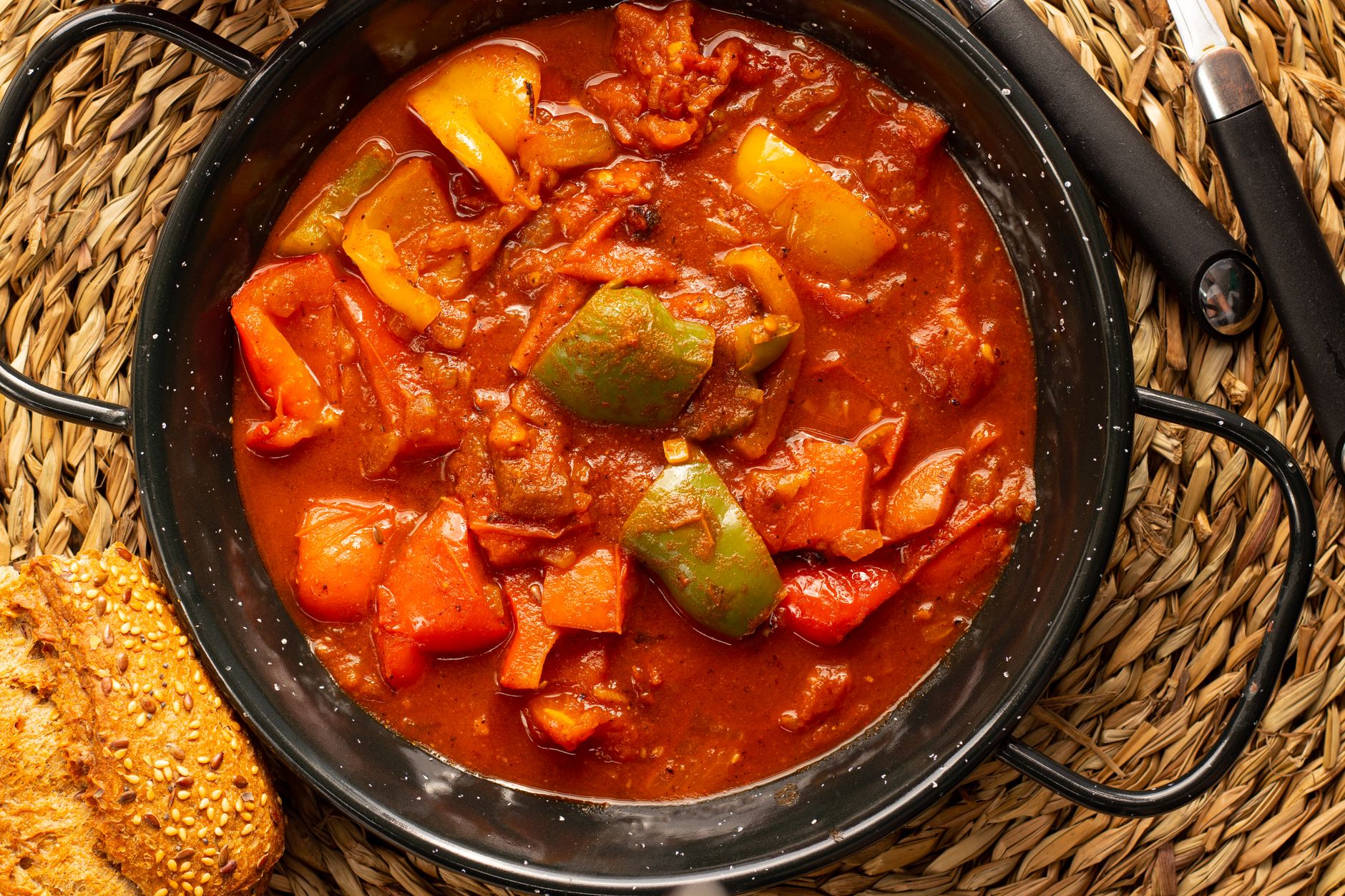
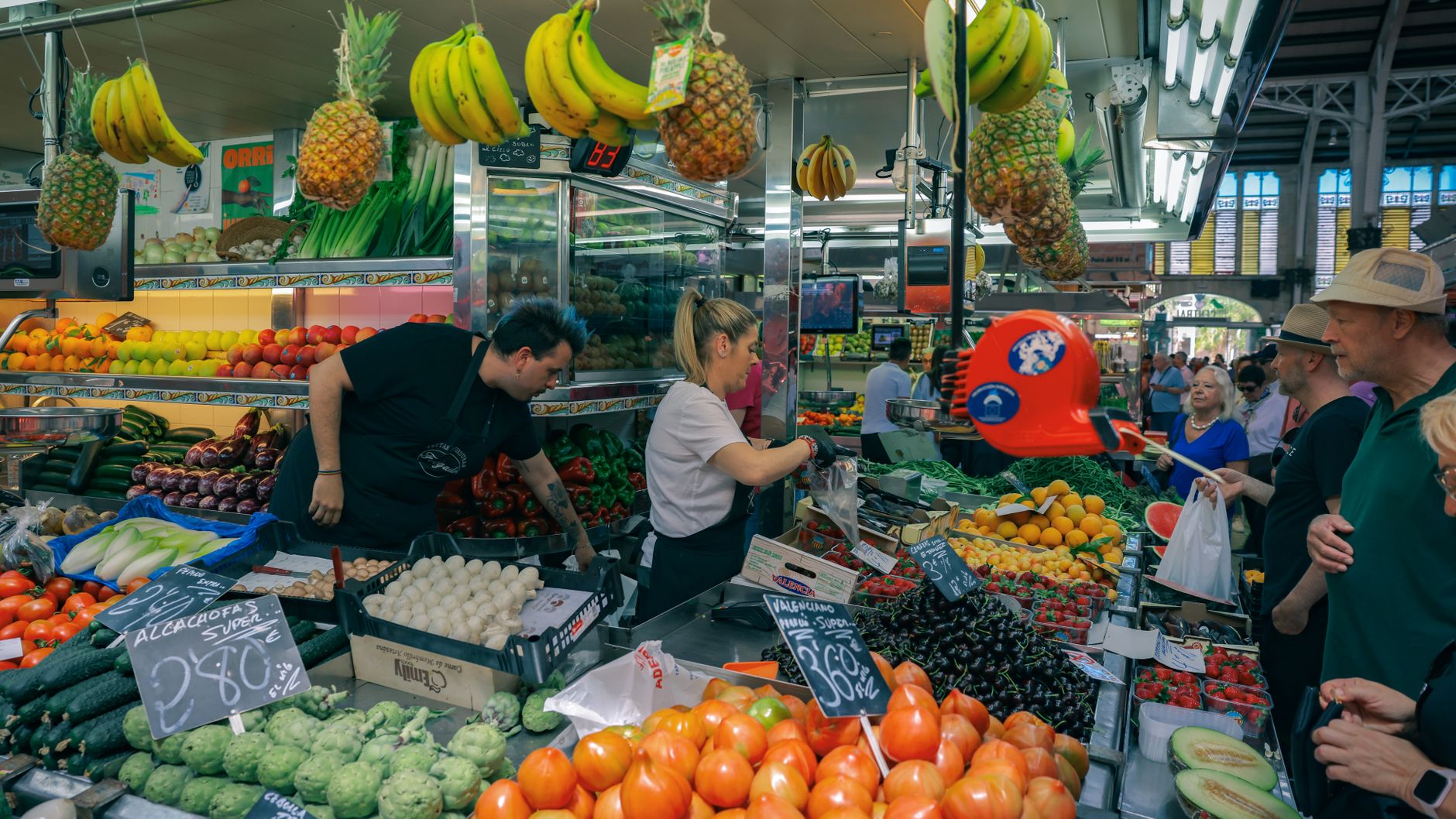
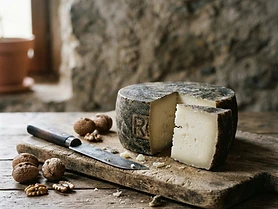
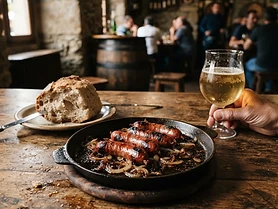
Navarrese cooking relies on the bounty of the Ebro valley and the high pastures of the north. Trucha a la navarra, freshwater trout stuffed with Serrano ham and fried, defines the mountain table. Menestra de verduras, a slow-cooked stew of seasonal artichokes, asparagus, and peas, draws on the fertile produce of the nearby plains. Patxaran, an anise-flavored liqueur made from macerated sloe berries, finishes a meal. The region produces robust red wines that accompany the heavy meat dishes of the Pyrenees, particularly the locally raised lamb served roasted with garlic and mountain herbs.
Navarra: the whole region
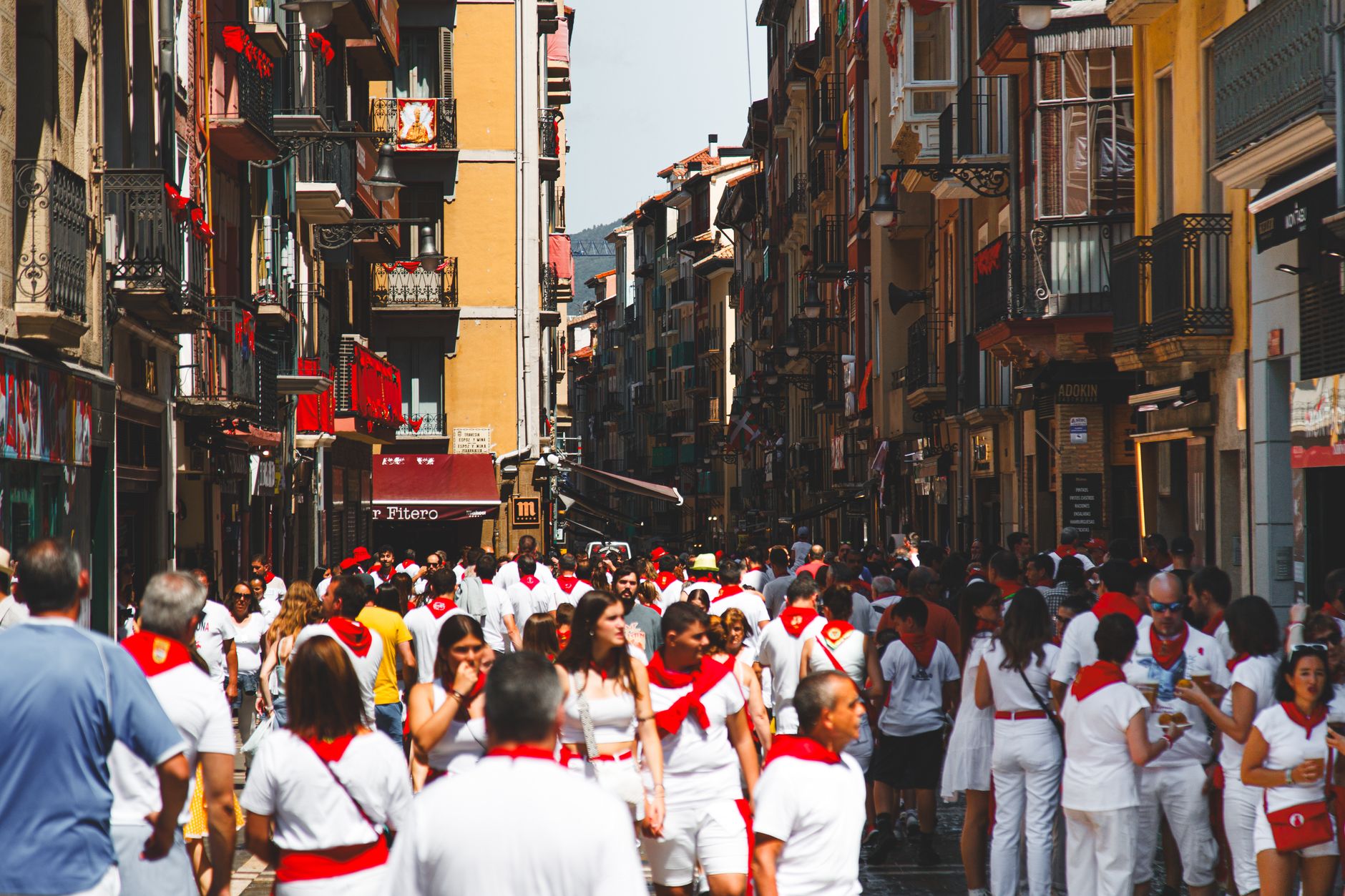
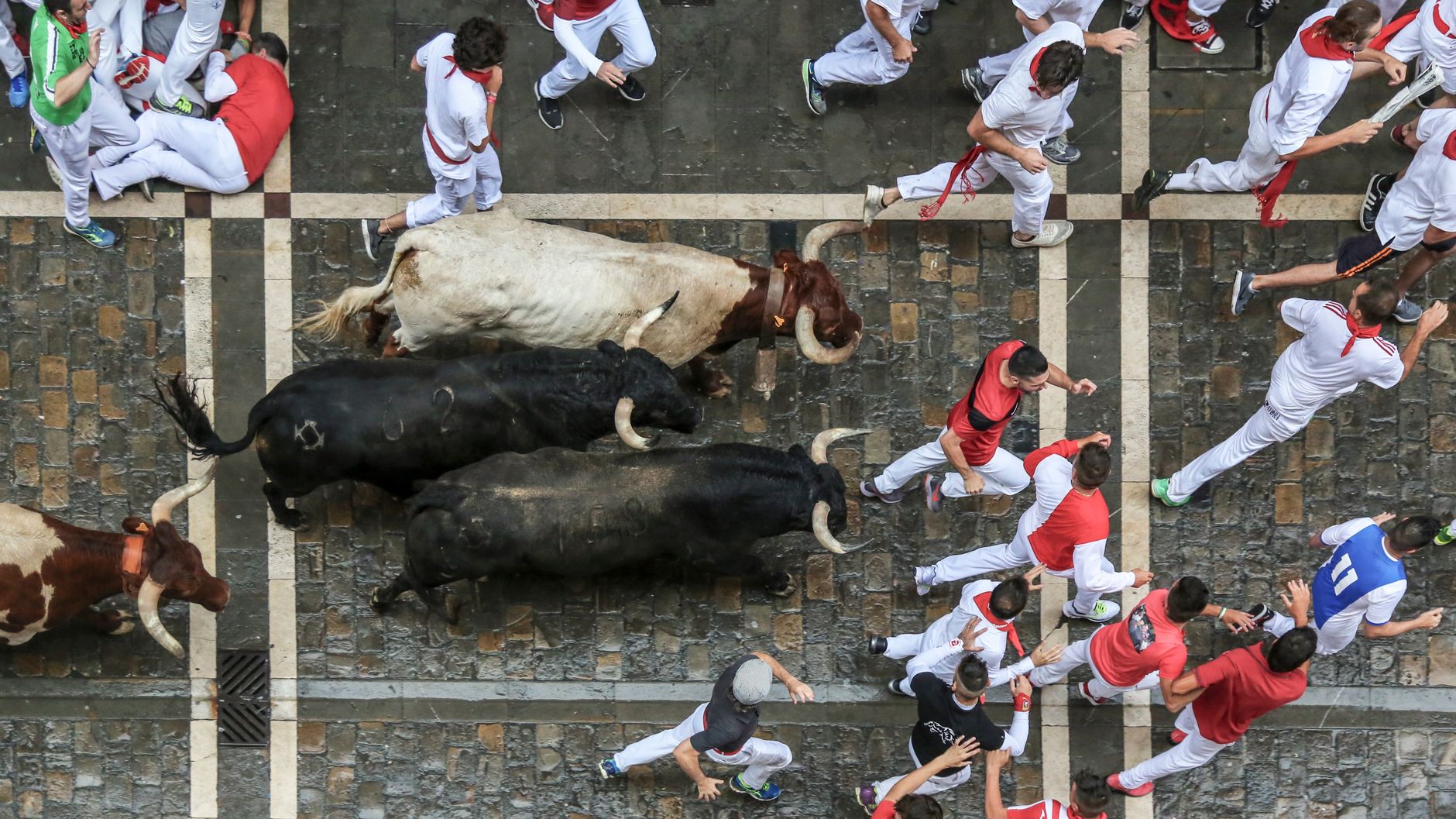
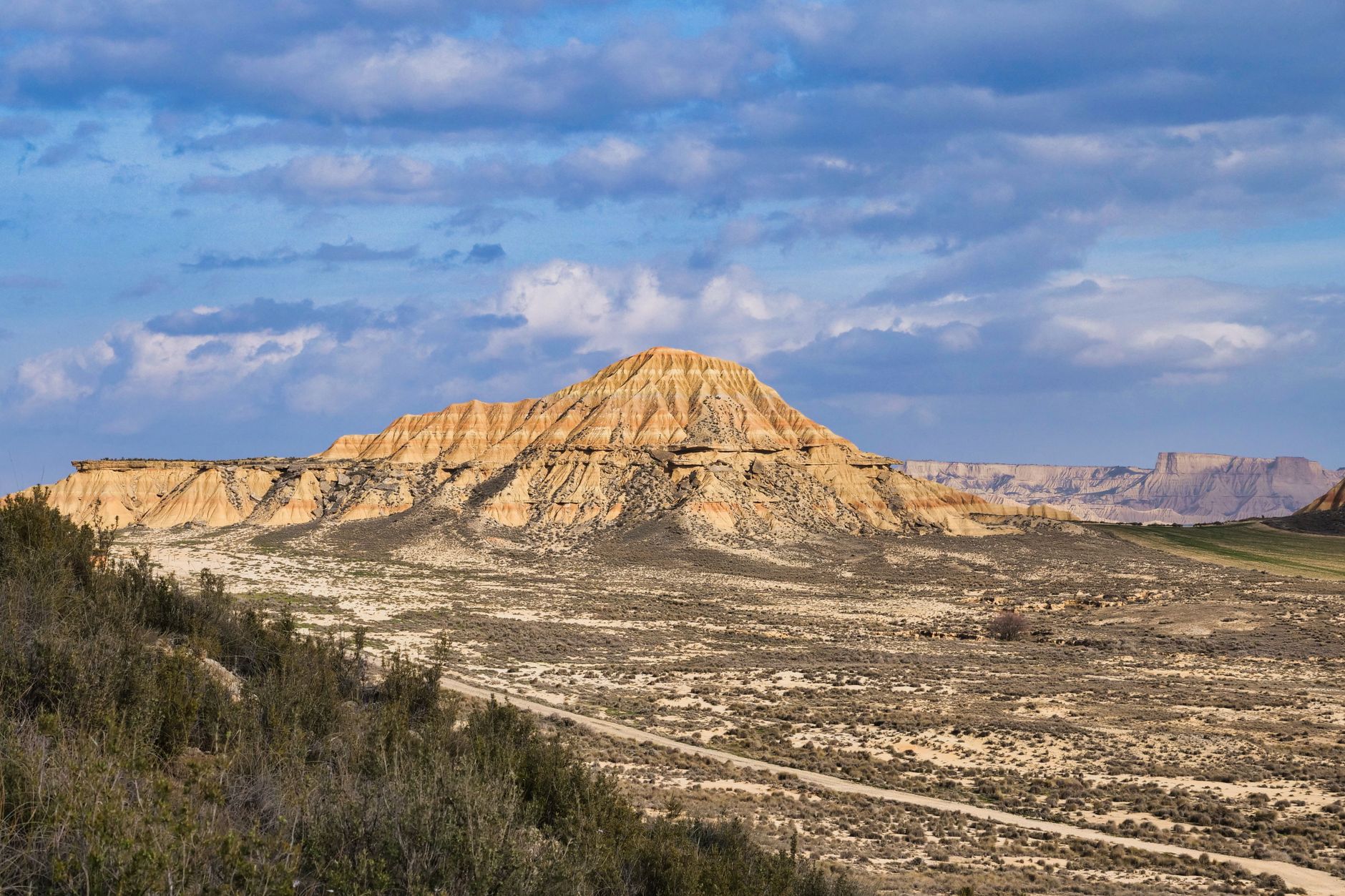
A region of contrasts packed into a small space: Pyrenean valleys and Atlantic beech forest in the north, Pamplona in the middle, and the Bardenas Reales — a desert of eroded badlands — in the south-east, which nobody expects at this…
Minimum 3 days · better 5-6 days · deep 8 days
Pair It With

In Navarra






In Navarra






Linked from elsewhere
Entries that name this place in their own nearby lists.
Logistics are verified only. We don't publish schedules we haven't confirmed.
Appears In
Ready to build Roncesvalles (Camino Start) into a trip?
You've found a place worth going. When you're ready to turn discovery into an itinerary, Travel Itinerary Co picks up where the Field Guide leaves off — with your saved places already in hand.
Build this into a tripContinues on Travel Itinerary Co
Spain Field Guide may earn a commission when you book through selected links. Recommendations are editorial and independent of commission.