San Fermín (Fiesta de San Fermín)
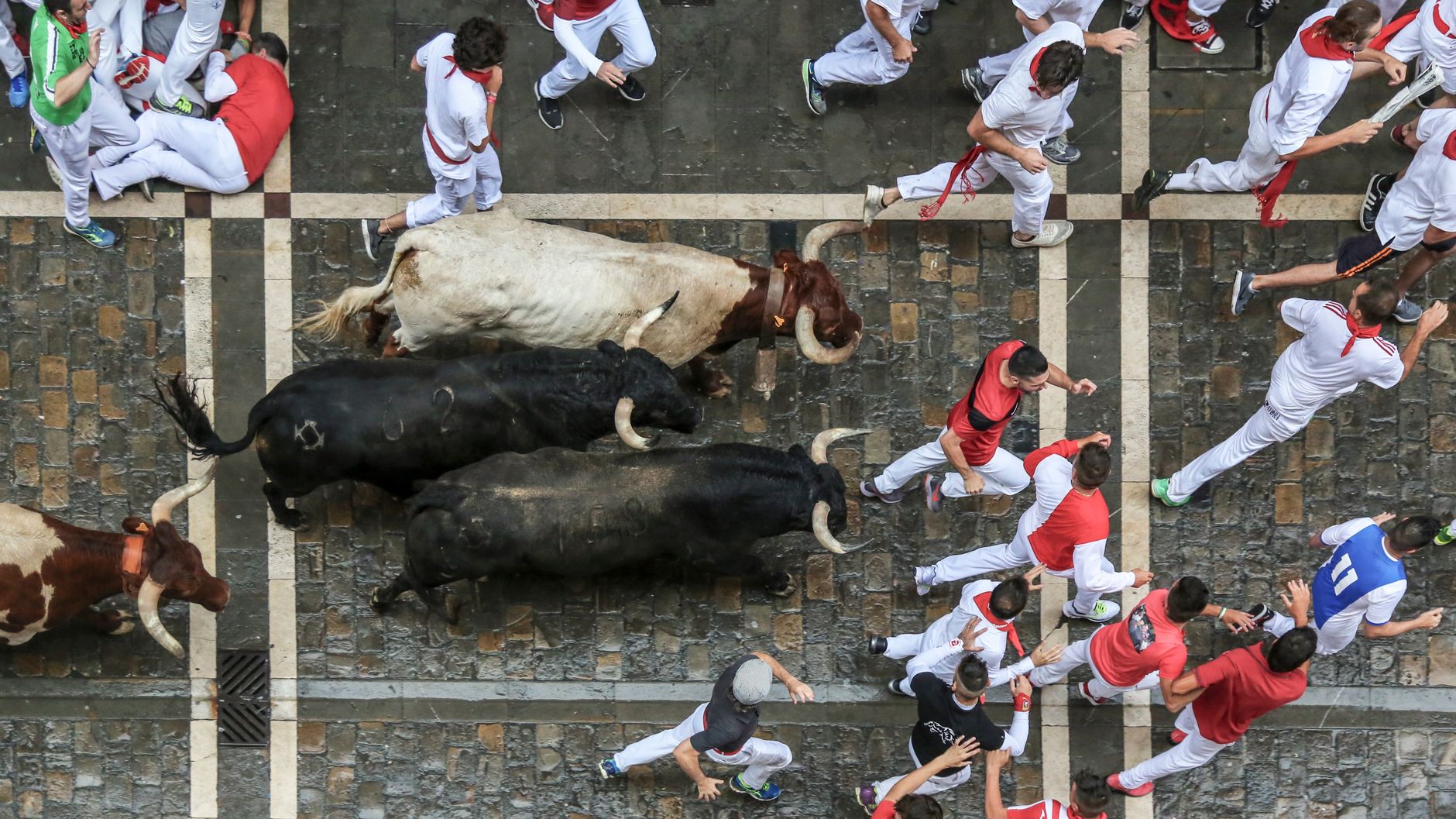
Go for the party, not the encierro. San Fermín is one of the great European fiestas; the encierro is dangerous, increasingly controversial, and not something to run on a first visit. Watch it from a balcony if you must.
To see Spain's most internationally famous festival at full intensity, in a small walkable city that turns itself inside out for it.
At a Glance
- — You dislike dense crowds and late nights
- — You have any interest in animal welfare
- — You're in Spain outside mid-July
San Fermín is Pamplona's patron-saint festival, held 6–14 July, and it's the fiesta the rest of the world knows Spain by. The encierro — the morning run through the old town with six fighting bulls and their herders — is the headline, but the festival is really nine days of music in the Plaza del Castillo, giants and big-heads parading, the txupinazo rocket opening at noon on the 6th, the San Fermín procession on the 7th, and the whole city in white with a red sash and neckerchief, drinking calimocho until dawn. The encierro is dangerous and contested; the fiesta around it is one of the great collective civic celebrations in Europe.
How it got here
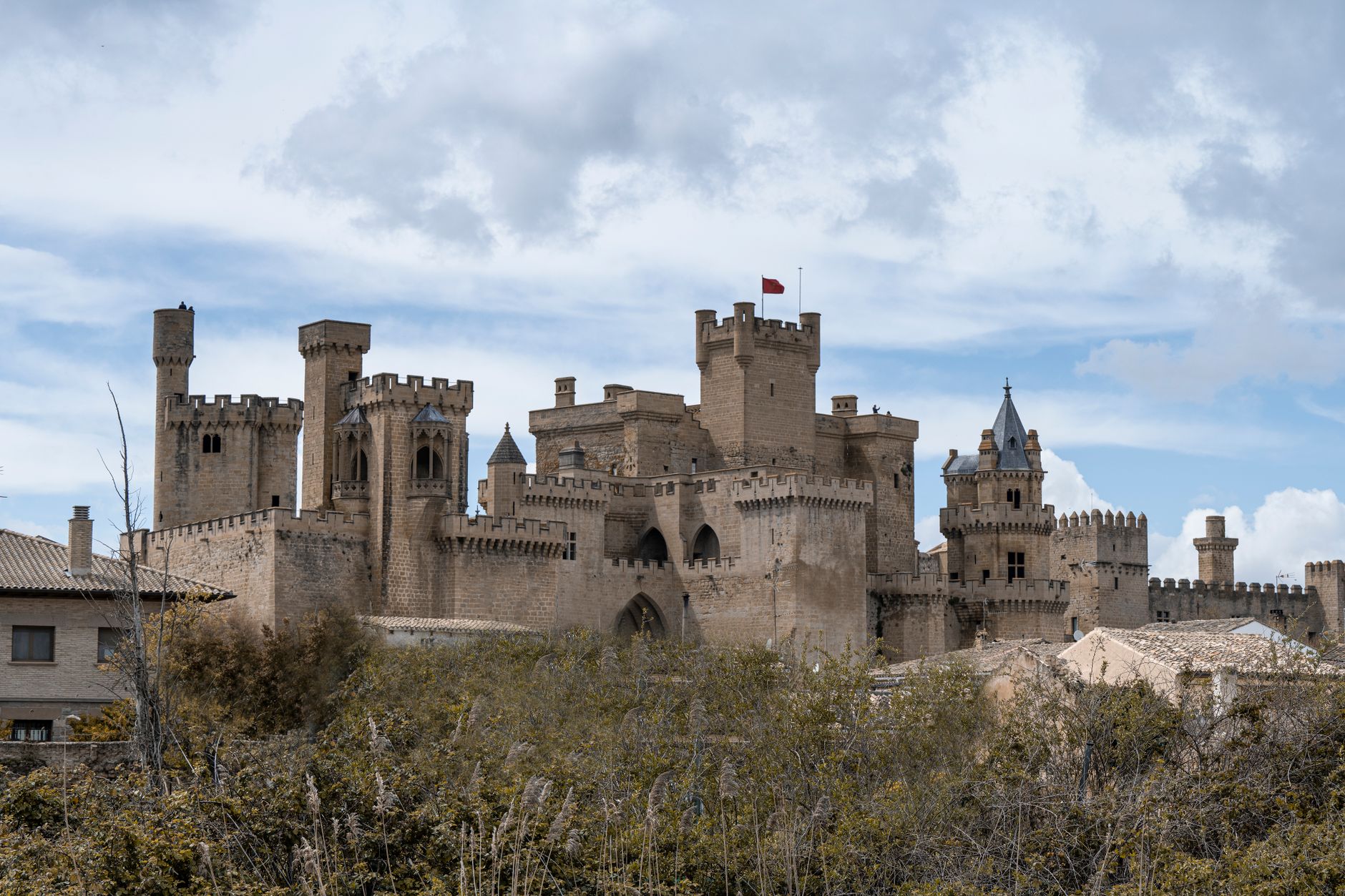
Pamplona grew from a Roman settlement before becoming the capital of the medieval Kingdom of Navarra. The city served as a key strategic point along the Camino de Santiago and the defensive lines against French incursions. The cult of Saint Fermin emerged from the city as a local martyr of the third century, though the current festival rituals crystallized through centuries of ecclesiastical processions and trade fairs held in July. The city walls protected the population through the Carlist Wars of the nineteenth century, leaving behind a compact historic core. Today the intense concentration of daily life during the festival follows the ancient layout of the old city streets.
Where it sits
Pamplona sits on a high terrace above the Arga river in the northern reaches of Navarra. The valley floor gives way to the rolling foothills of the Pyrenees, where dark forests of beech and oak dominate the landscape. Sudden thunderstorms break the heat of July, while winter winds known as the cierzo sweep through the stone canyons of the city center. The rail and road connections link the city to the Basque Country to the west and the Ebro valley to the south. During the second week of July, the movement of the crowd dictates the pace of the city.
What to eat and drink
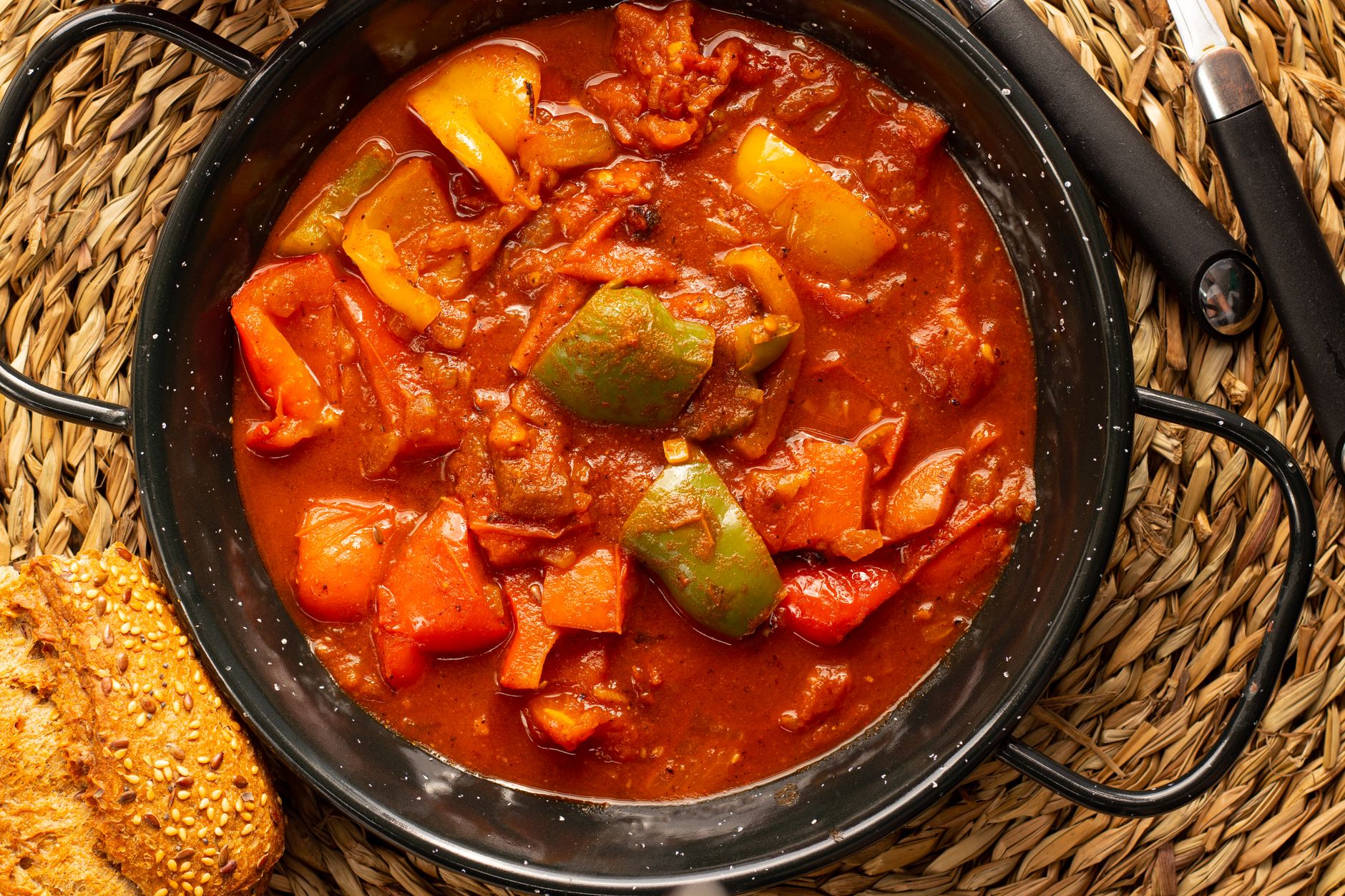
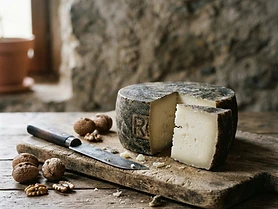
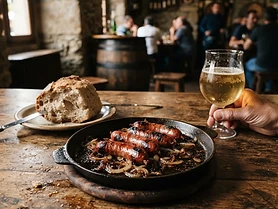
Navarran cooking relies on the bounty of the Ebro valley gardens and the mountain pastures. Menestra de verduras, a stew of artichokes, asparagus, and peas, shows the seasonal quality of the local harvest. Chuletón de buey, large cuts of beef grilled over open flames, arrives from the cattle herds grazing in the northern sierras. Navarran rosado, a dry rosé made from Garnacha grapes, accompanies most meals. Patxaran, a liqueur made by soaking sloe berries in anise spirit, marks the end of a long dinner. During the festival, locals drink calimocho, a mix of red wine and cola, while navigating the crowded city streets.
Navarra: the whole region
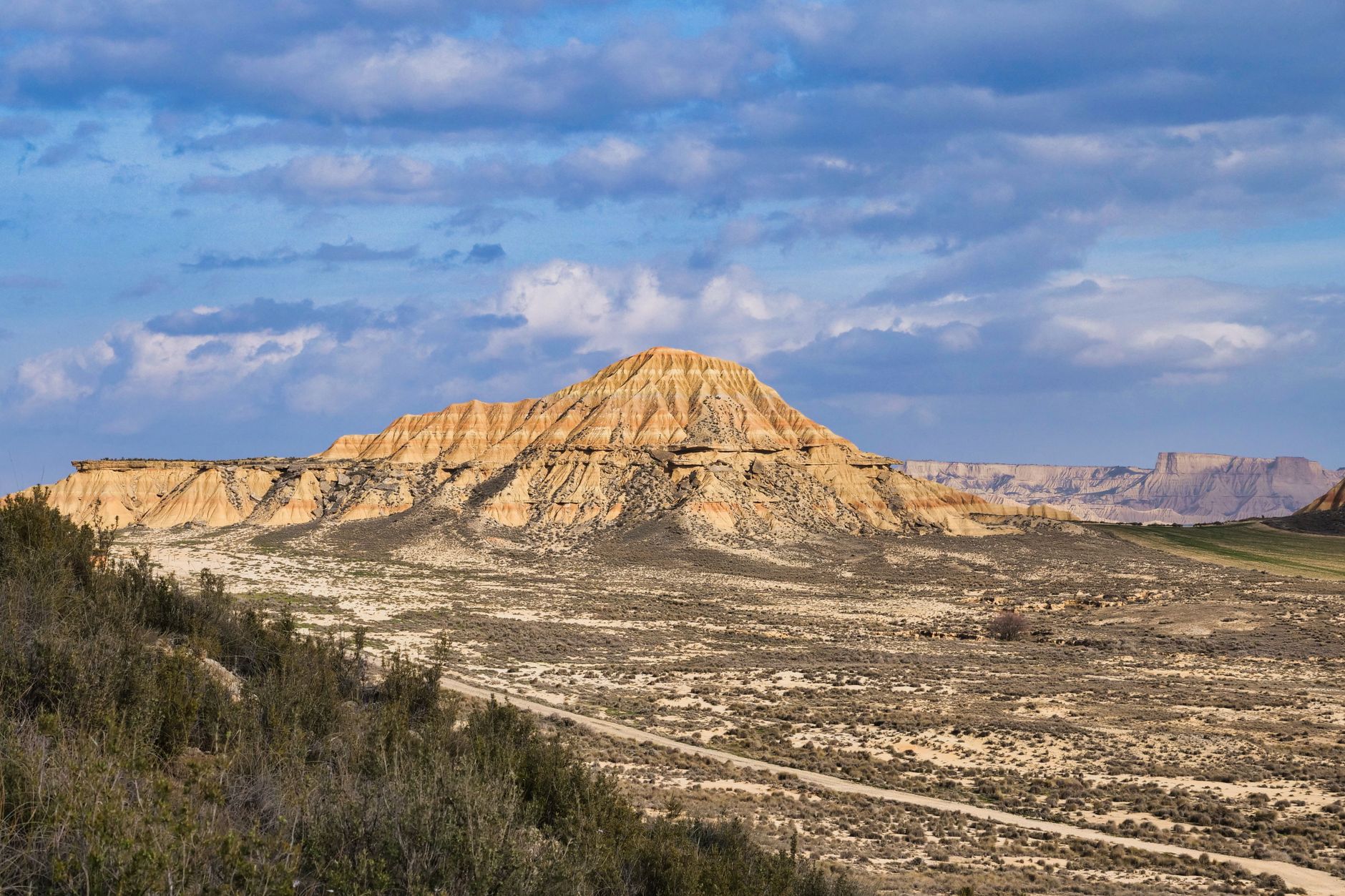
A region of contrasts packed into a small space: Pyrenean valleys and Atlantic beech forest in the north, Pamplona in the middle, and the Bardenas Reales — a desert of eroded badlands — in the south-east, which nobody expects at this…
Minimum 3 days · better 5-6 days · deep 8 days

Pair It With


In Navarra





In Navarra





Linked from elsewhere
Entries that name this place in their own nearby lists.

Logistics are verified only. We don't publish schedules we haven't confirmed.
Experiences worth booking ahead
Spain Field Guide may earn a commission when you book through selected links. Recommendations are editorial and independent of commission.
Ready to build San Fermín (Fiesta de San Fermín) into a trip?
You've found a place worth going. When you're ready to turn discovery into an itinerary, Travel Itinerary Co picks up where the Field Guide leaves off — with your saved places already in hand.
Build this into a tripContinues on Travel Itinerary Co
Spain Field Guide may earn a commission when you book through selected links. Recommendations are editorial and independent of commission.