Txistorra
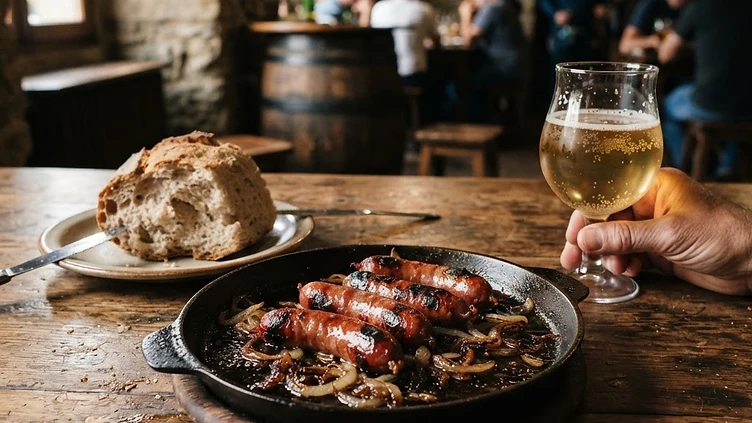
Order it once at a village fair or bar, in a roll with a glass of red. Not a dish to plan a day around, and never as good in its supermarket version.
The everyday sausage of Navarra and the Basque Country — paprika, garlic and pork, fried hard and eaten in a roll on the street.
Pamplona · Puente la Reina · Sangüesa · Ujué
At a Glance
Txistorra is a fresh pork sausage, heavily papriked and garlicky, sold in one long coil rather than in links. It is fried and served in a bread roll or with eggs, at fairs, in bars and along the Camino, and it is at its best in the villages of Navarra and Gipuzkoa. Because it is not cured, it has to be cooked within days of making.
How it got here
The production of pork products evolved from the necessity of preserving meat in the damp climate of the Pyrenean foothills. Navarra maintained a strong tradition of pig slaughtering during the winter months when lower temperatures allowed for the processing of fresh meat. Local butchers developed this sausage by utilizing fatty pork seasoned with garlic and pimentón. This preparation ensured a rapid consumption cycle that defined the diet of farmers and laborers. The recipe migrated from the farmhouse kitchen to the public taverns of Pamplona, becoming a staple of local festive gatherings and market days throughout the province where communal eating patterns persist.
Where it sits
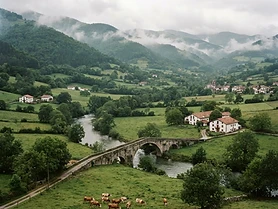
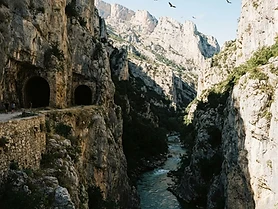
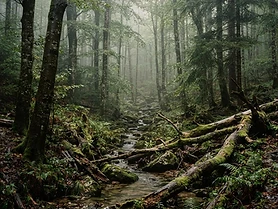
Navarra shifts from the arid plains of the Ebro valley to the green, high-altitude pastures of the north. Roads wind through narrow river canyons and dense forests of beech and oak that turn deep gold in autumn. Winter brings persistent rain and fog to the valleys, while snow collects on the mountain peaks until late spring. These rural routes connect isolated stone villages where life follows the agricultural calendar. The landscape remains quiet during the shoulder months, waking only for local patron saint celebrations or the seasonal movement of livestock through the mountain passes.
What to eat and drink
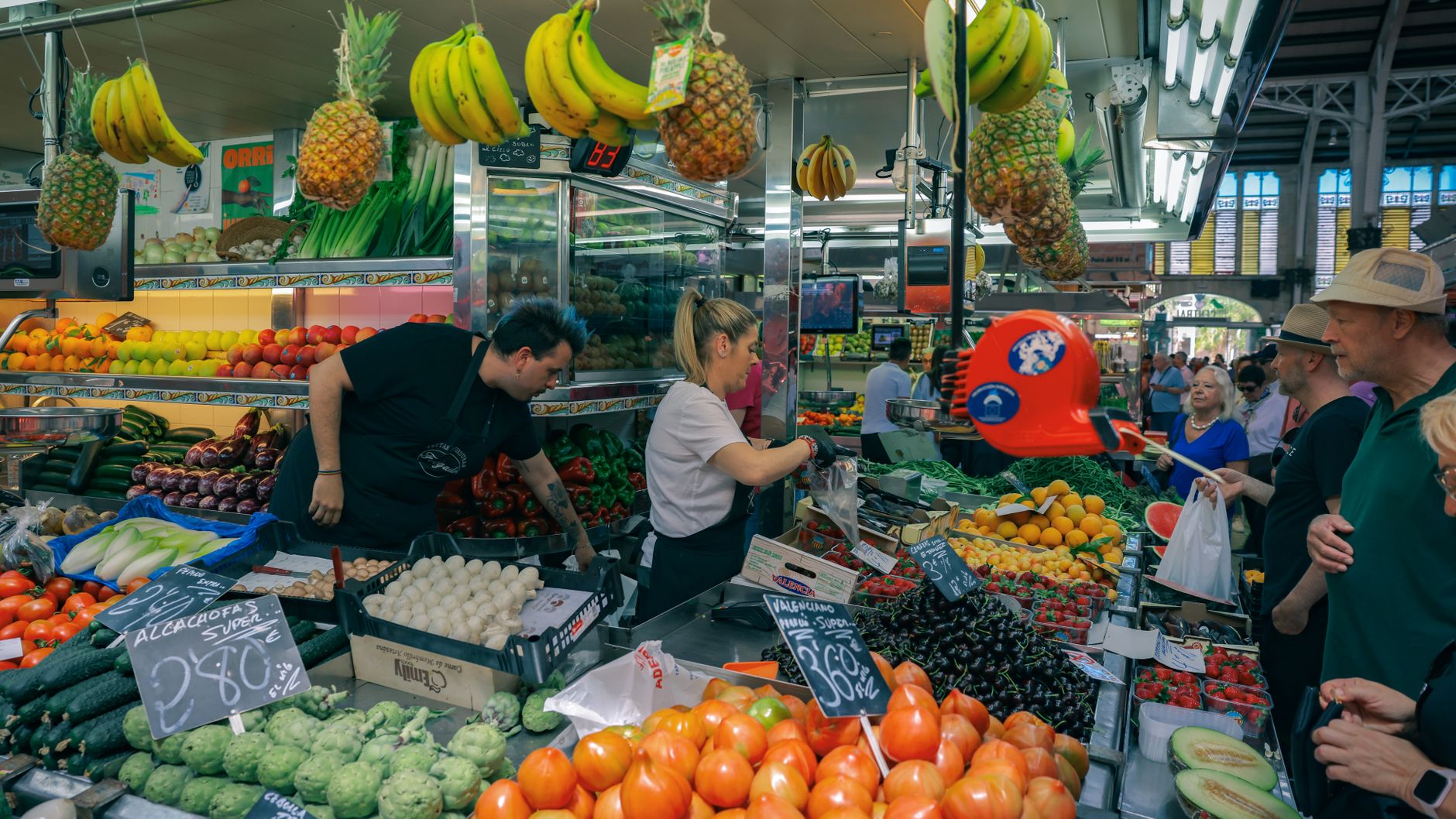
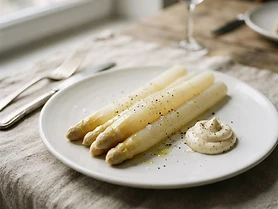
Txistorra provides the standard snack in any local bar, sliced into pieces or served as a whole, fried coil inside a fresh, crusty bread roll. Patxaran, a liqueur made by macerating sloe berries in anise-flavored spirit, finishes the meal. Ajoarriero, a salt cod dish prepared with garlic, olive oil, and peppers, belongs to the traditional hearth cooking of the province. During the colder months, menestra de verduras utilizes the local harvest of artichokes, asparagus, and peas, simmered together in a light broth to highlight the distinct flavors of the Navarran market garden.
Navarra: the whole region
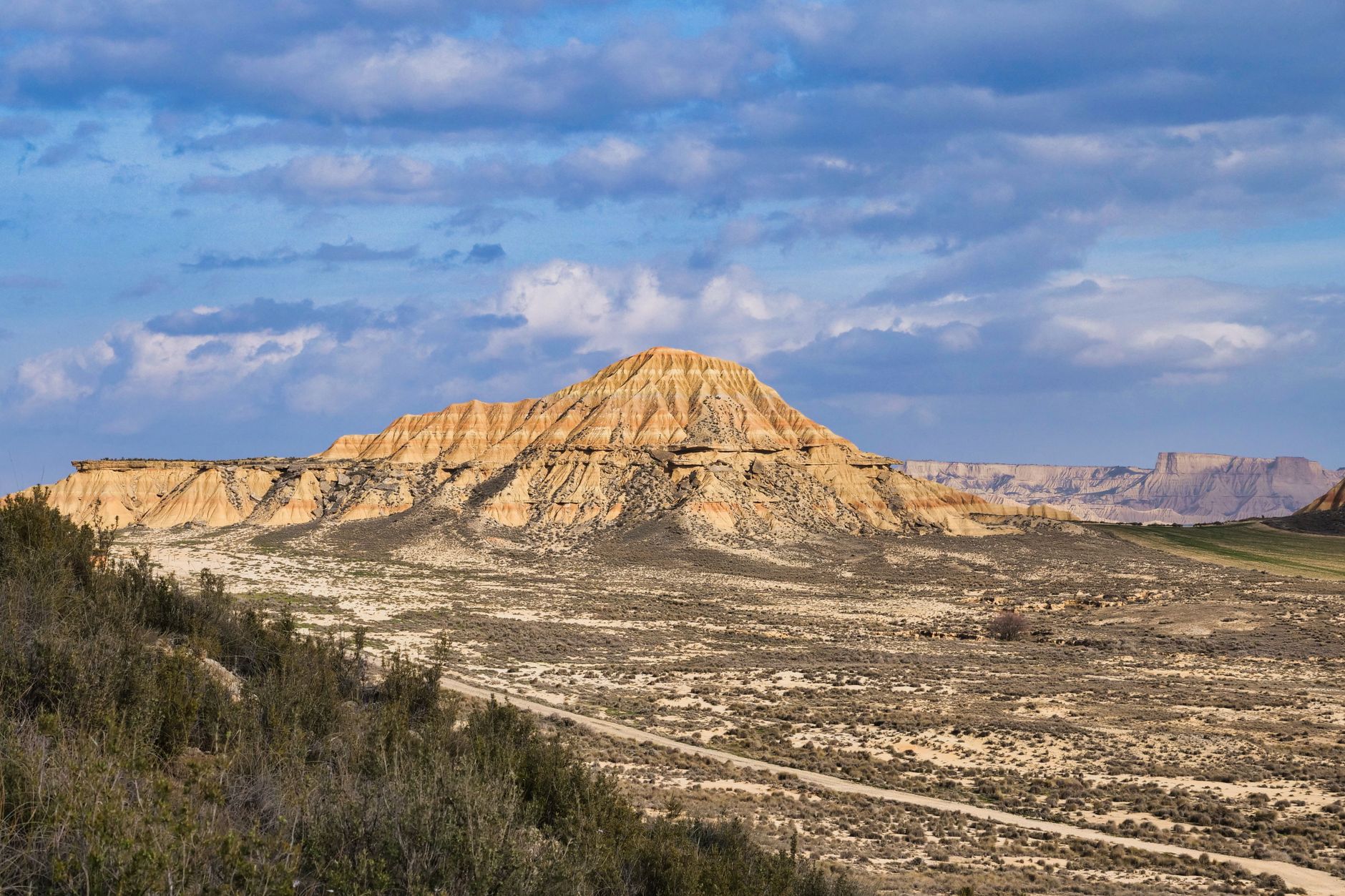
A region of contrasts packed into a small space: Pyrenean valleys and Atlantic beech forest in the north, Pamplona in the middle, and the Bardenas Reales — a desert of eroded badlands — in the south-east, which nobody expects at this…
Minimum 3 days · better 5-6 days · deep 8 days
In Navarra


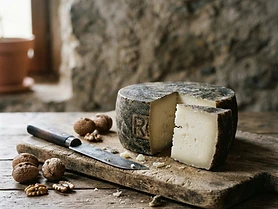


In Navarra







More regional dish in Navarra
Logistics are verified only. We don't publish schedules we haven't confirmed.
Ready to build Txistorra into a trip?
You've found a place worth going. When you're ready to turn discovery into an itinerary, Travel Itinerary Co picks up where the Field Guide leaves off — with your saved places already in hand.
Build this into a tripContinues on Travel Itinerary Co
Spain Field Guide may earn a commission when you book through selected links. Recommendations are editorial and independent of commission.