Sangüesa
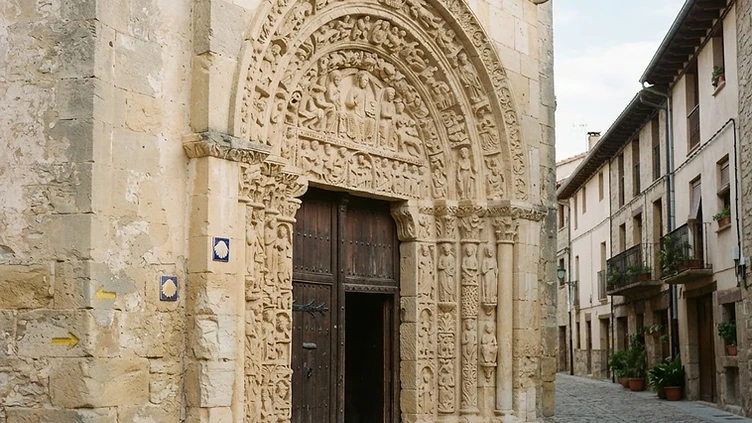
A two-hour stop for the portal alone, and one of the few Romanesque carvings worth planning a day around. Pair it with Javier castle, twenty minutes away.
The Romanesque portal of Santa María la Real — one of the best carved church fronts in Spain, and a twenty-minute walk off the Camino Francés.
Pamplona · Puente la Reina · Ujué · Tudela
At a Glance
Sangüesa grew rich on the pilgrim road and spent it on churches. Santa María la Real's south portal is a carved Last Judgement of extraordinary detail, with figures that read like a strip cartoon of medieval sin and punishment, and the church holds a Romanesque crucifix brought from the Holy Land. The town is quiet, on the Aragón border, above the river Aragón.
How it got here
Alfonso I of Aragón granted the town its charter in 1122 to secure the frontier against Navarre. It grew as a vital station on the Camino Francés, channeling the wealth of pilgrims toward ecclesiastical architecture. The town later fell under Navarrese control when Sancho VI the Wise claimed the territory in the late twelfth century. This shift cemented its status as a defensive anchor for the kingdom. Today, the density of stone churches and palatial homes speaks to the centuries of prosperity drawn from the transit of travelers and the administration of the fertile Aragón valley.
Where it sits
The town sits on a terrace above the Aragón river where the foothills of the Pyrenees flatten into the dry plains of the Ebro basin. To the east, the landscape turns into the arid scrubland of the border zone. Access involves winding roads that climb out of the river valley. Winter mornings bring heavy mist from the river, while summer heat bakes the exposed sandstone walls. Traffic flows through the town during the warmer months as pilgrims walk the long road, though the streets return to a quiet pace once the sun sets.
What to eat and drink
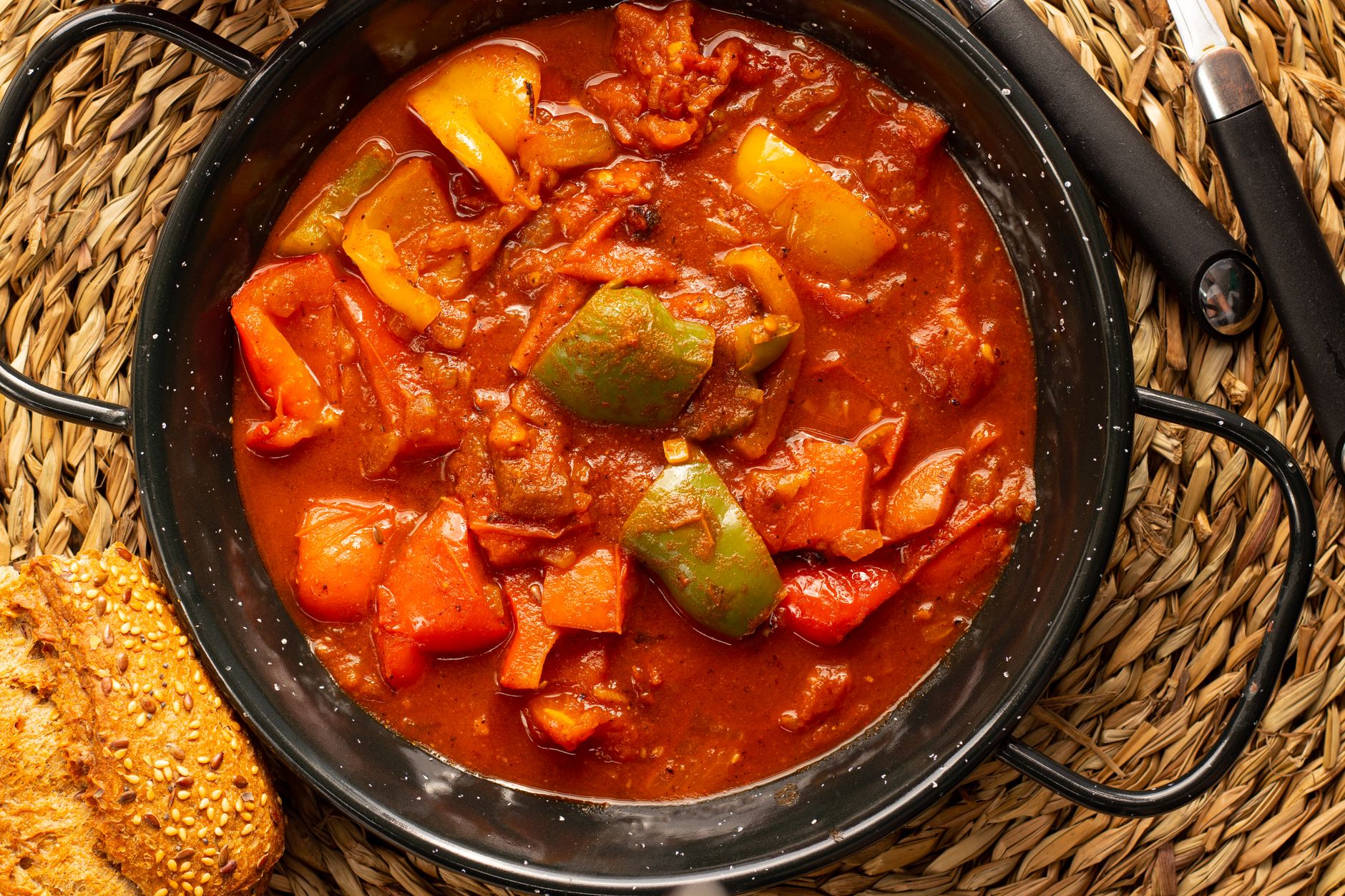
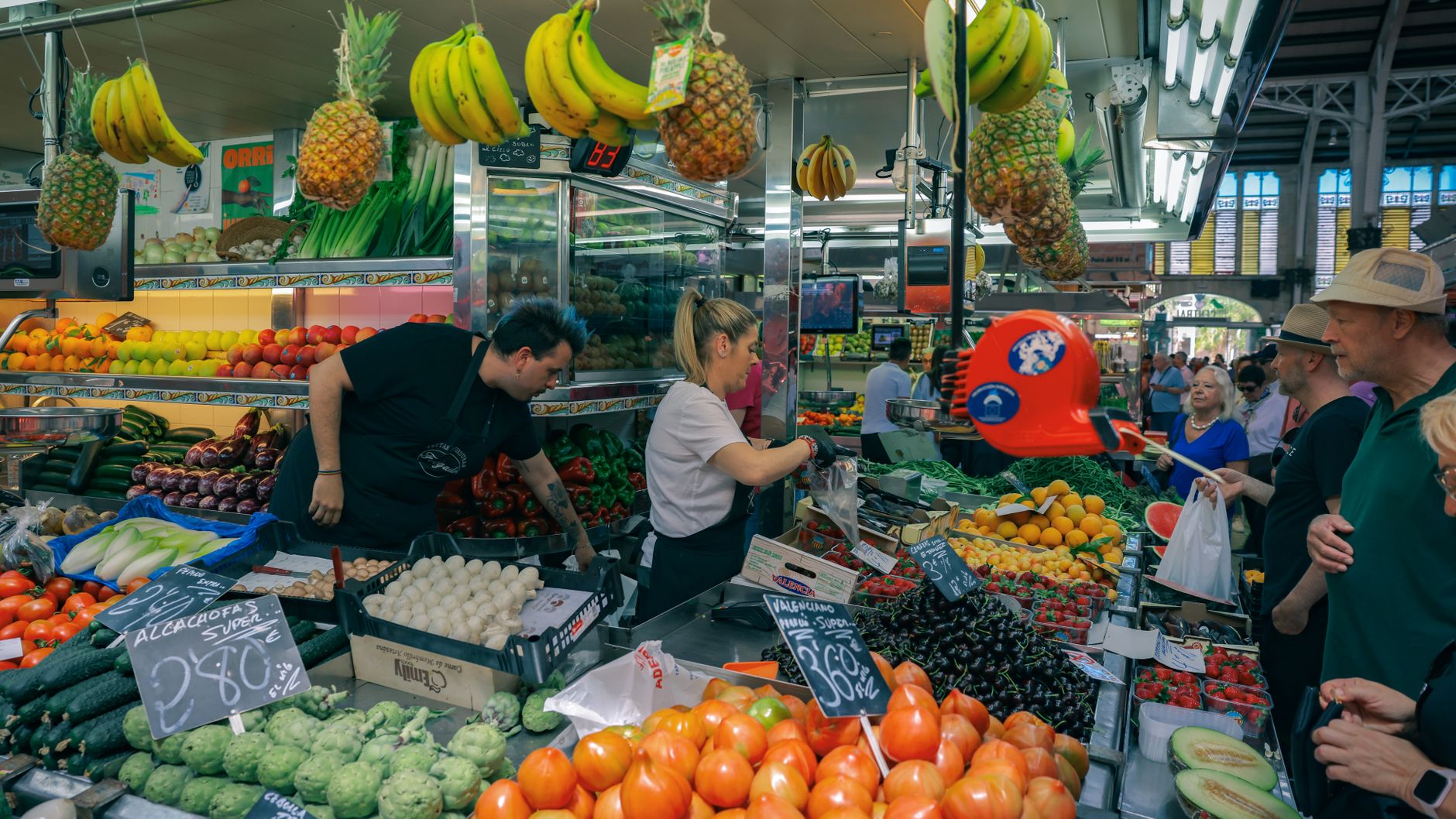
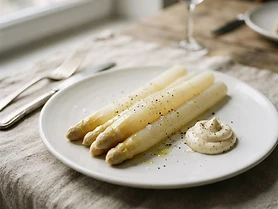
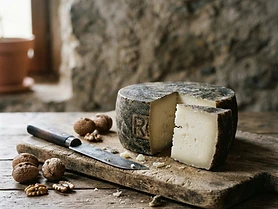
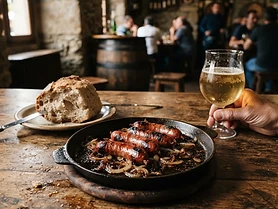
Navarrese cooking relies on the market garden produce of the river valleys and the livestock from the nearby highlands. Espárragos de Navarra, thick white stalks cooked tender, define the spring harvest. Pochas, tender white beans simmered with vegetables and sometimes chorizo or quail, fill bowls in the autumn. For a main course, locals roast cordero al chilindrón, lamb stewed with red peppers, onions, and tomatoes. Meals end with cuajada, sheep milk curd served in wooden vessels, often drizzled with honey and finished with a glass of crisp, pale rosé wine from the surrounding vineyards.
Navarra: the whole region
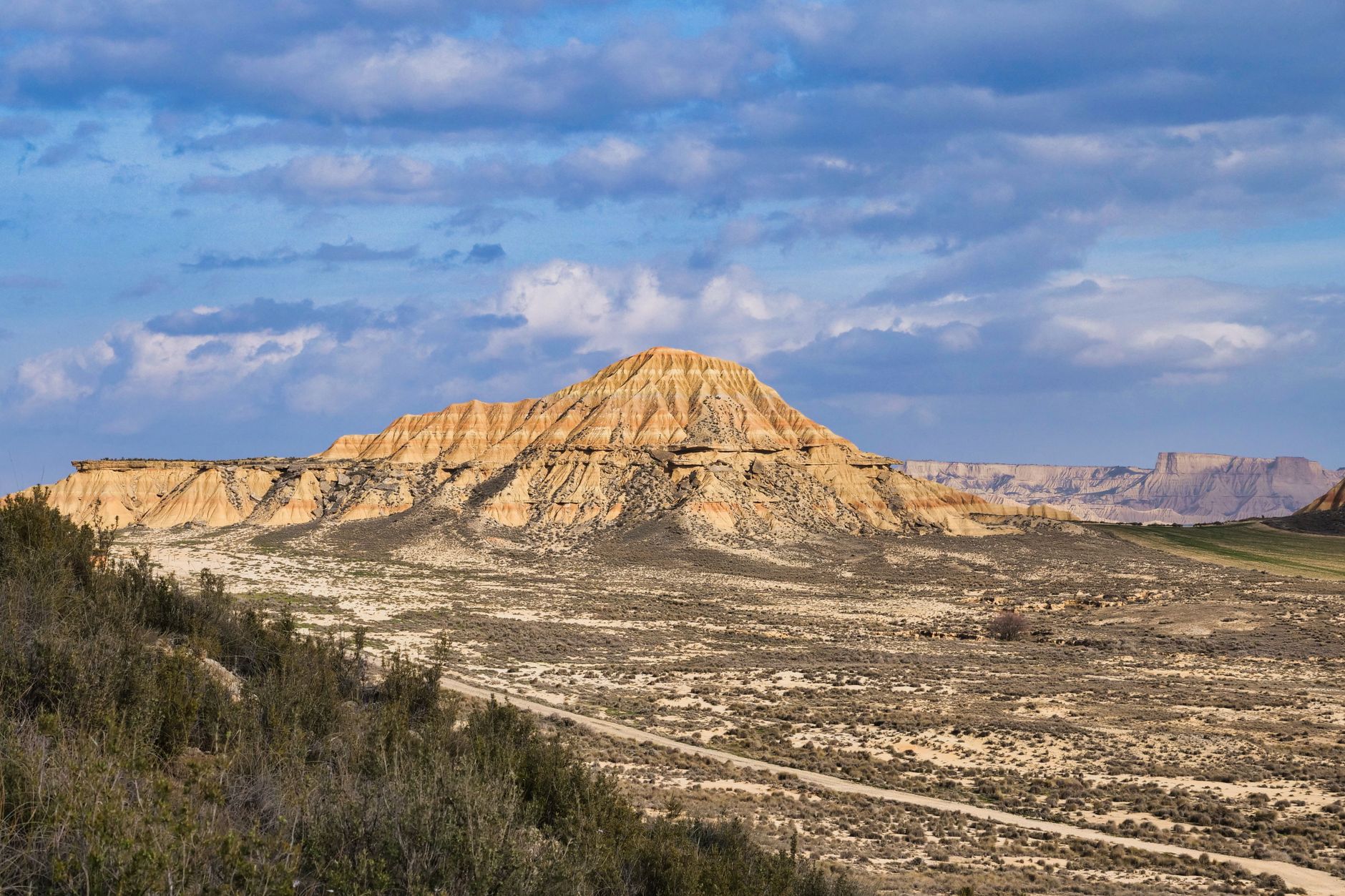
A region of contrasts packed into a small space: Pyrenean valleys and Atlantic beech forest in the north, Pamplona in the middle, and the Bardenas Reales — a desert of eroded badlands — in the south-east, which nobody expects at this…
Minimum 3 days · better 5-6 days · deep 8 days
In Navarra





In Navarra






Other Worth a Detour in Navarra


Logistics are verified only. We don't publish schedules we haven't confirmed.
Experiences worth booking ahead
Spain Field Guide may earn a commission when you book through selected links. Recommendations are editorial and independent of commission.
Ready to build Sangüesa into a trip?
You've found a place worth going. When you're ready to turn discovery into an itinerary, Travel Itinerary Co picks up where the Field Guide leaves off — with your saved places already in hand.
Build this into a tripContinues on Travel Itinerary Co
Spain Field Guide may earn a commission when you book through selected links. Recommendations are editorial and independent of commission.