Puente la Reina

A required stop on the Camino Francés, and the most convincing medieval bridge town on the route.
It serves as the symbolic point where the main routes of the Camino Francés merge into one.
At a Glance
- — you are in a extreme hurry
A narrow, historic town defined by the elegant, six-arched Romanesque bridge that spans the Arga River. It holds the symbolic weight of history, acting as the precise point where disparate pilgrimage routes converge into a single, worn path. The town maintains a quiet, medieval dignity, offering a brief but essential stop for anyone wanting to walk the same stone footpaths used by travelers for a thousand years.
How it got here
Queen Mayor of Navarre ordered the construction of the bridge over the Arga river in the eleventh century to assist pilgrims traveling toward Santiago de Compostela. The town grew as a direct consequence of this river crossing where the routes from Somport and Orreaga merged. This influx of travelers established the primary character of the street plan that survives today. While control of Navarre shifted through the centuries between the house of Champagne and the Aragonese crown, the town maintained its identity as a corridor for movement. The stones of the bridge still carry the weight of medieval commerce and the sustained transit of people across the Iberian Peninsula.
Where it sits
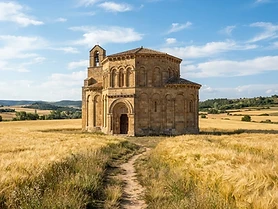
The town sits in the valley where the river Arga carves through the transition between the Pyrenean foothills and the flatter plains of the Ebro basin. The landscape consists of cereal fields and small orchards that shift from deep green in the spring to dry gold after the harvest. Summer brings intense heat to the valley floor while winters pull cold air down from the mountains. Pilgrims arrive throughout the year, though the spring and autumn months bring a steady rhythm to the streets. It stands as a junction point between the mountain routes and the flatter paths toward Logroño.
What to eat and drink
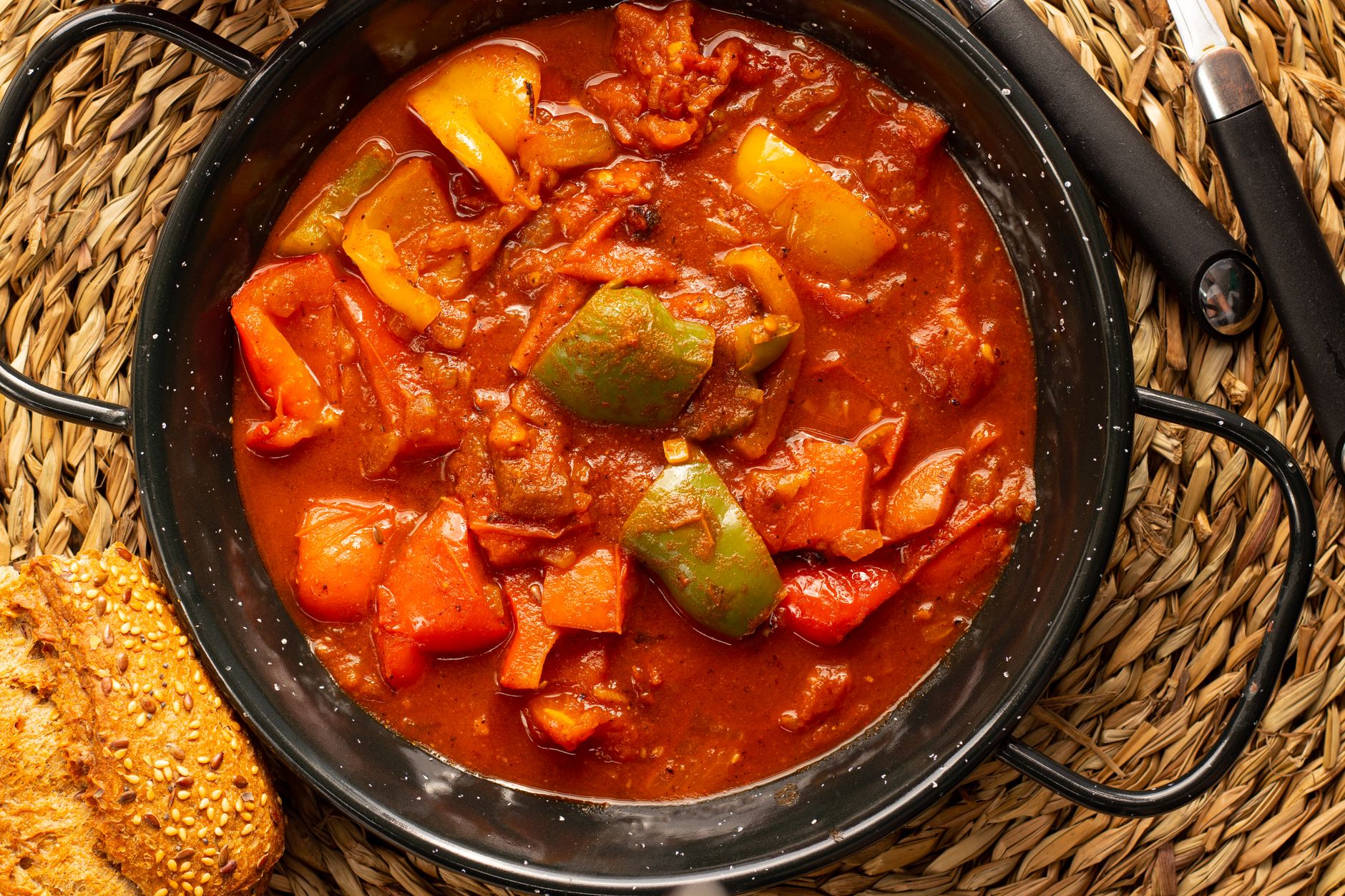
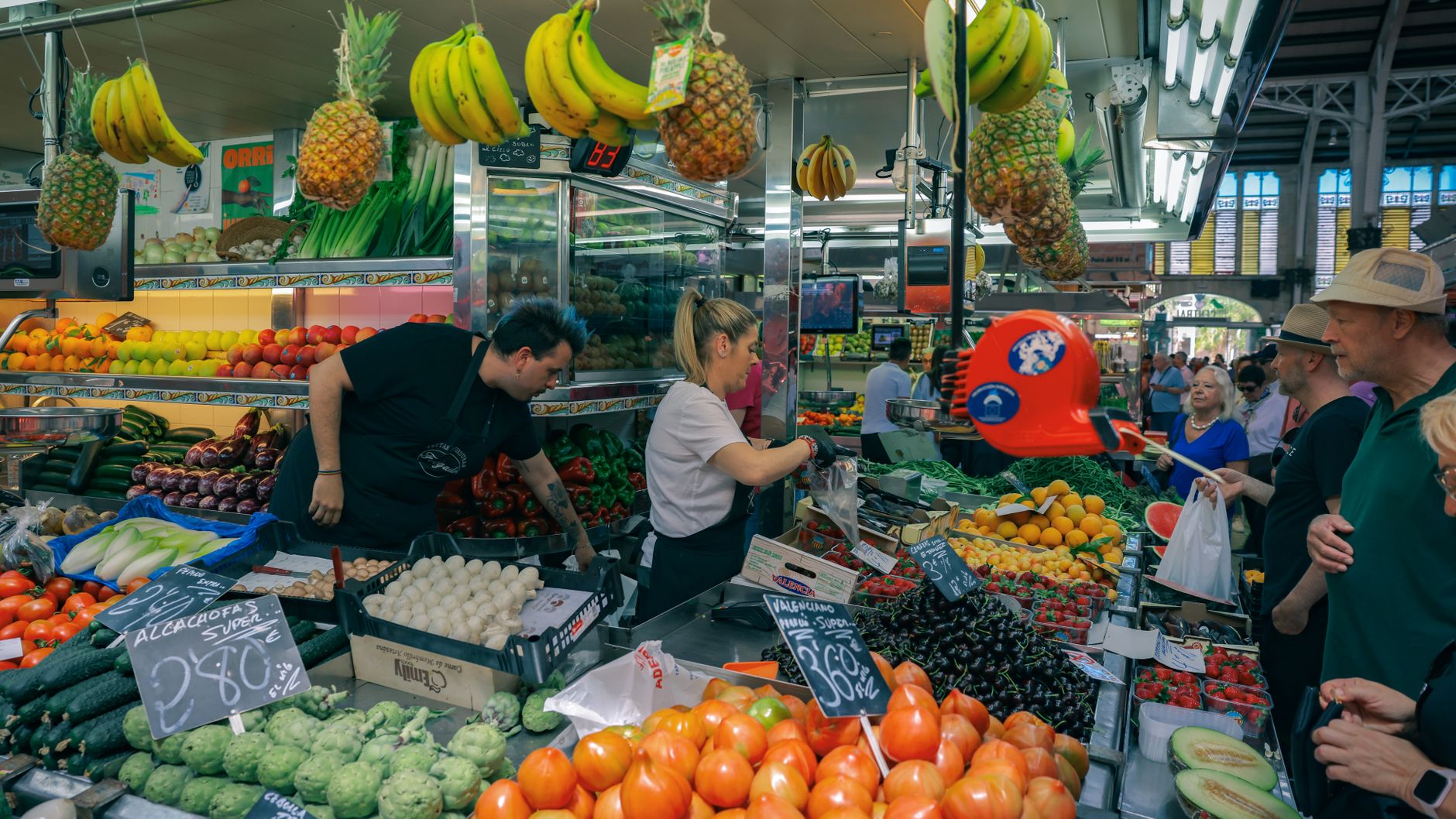
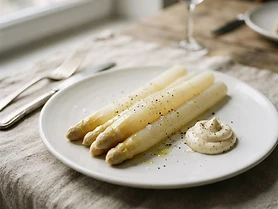
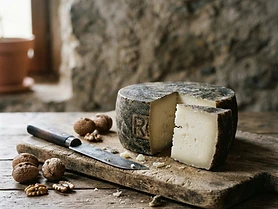
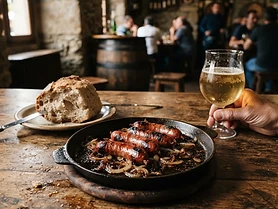
Navarrese agriculture defines the table here. Menestra de verduras, a thick medley of seasonal artichokes, asparagus, peas, and borage, provides the base for local meals. Roasted lamb from the regional flocks often follows as the primary dish. The local tradition favors the use of piquillo peppers, small and sweet, usually roasted and preserved in oil. Dessert centers on the simple pairing of cuajada, a dense sheep milk curd, served with a drizzle of honey and crushed walnuts. Drink follows the regional preference for crisp, dry rosado wine, pressed from the Garnacha grapes that thrive in the nearby vineyards.
Navarra: the whole region
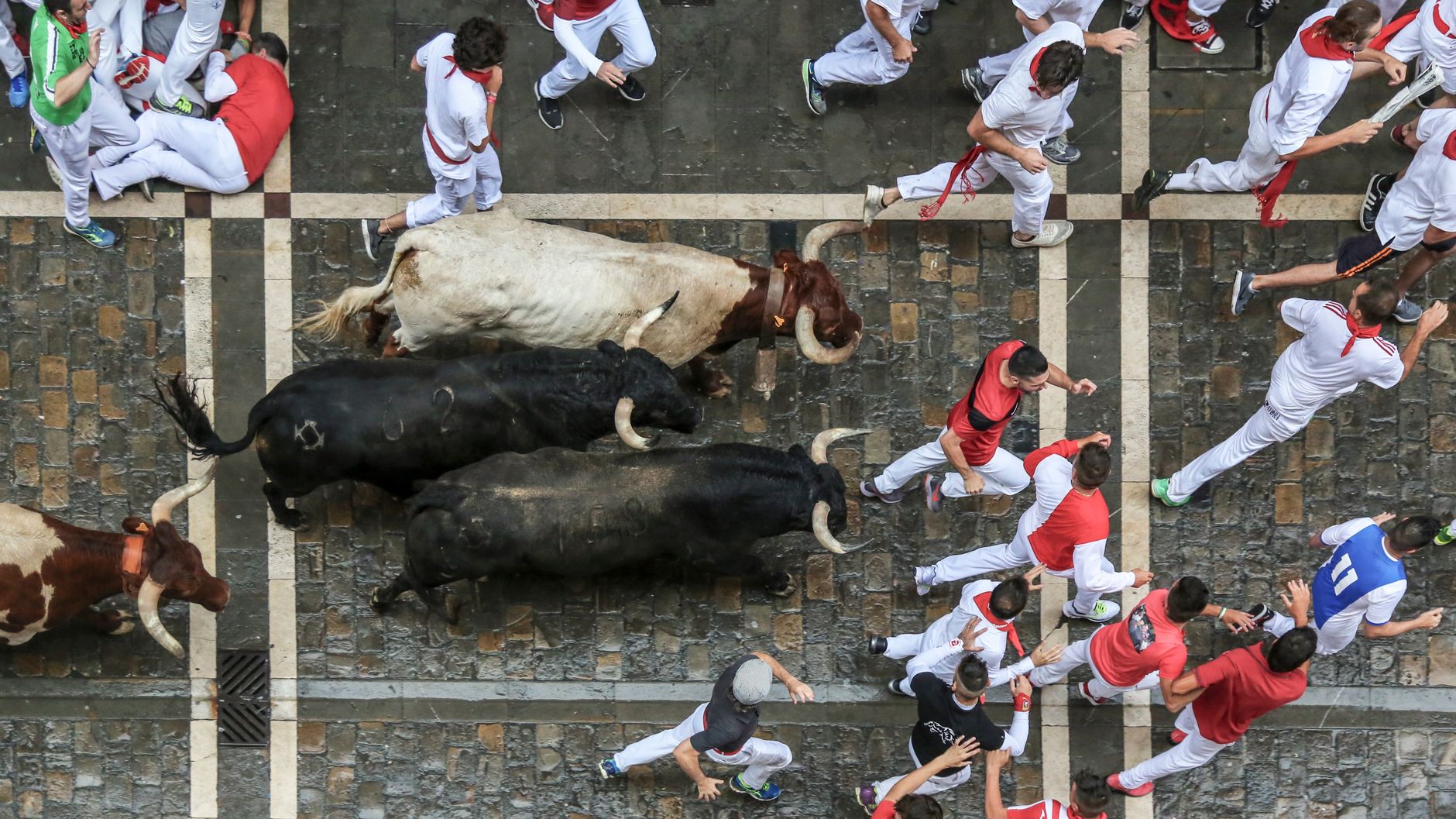
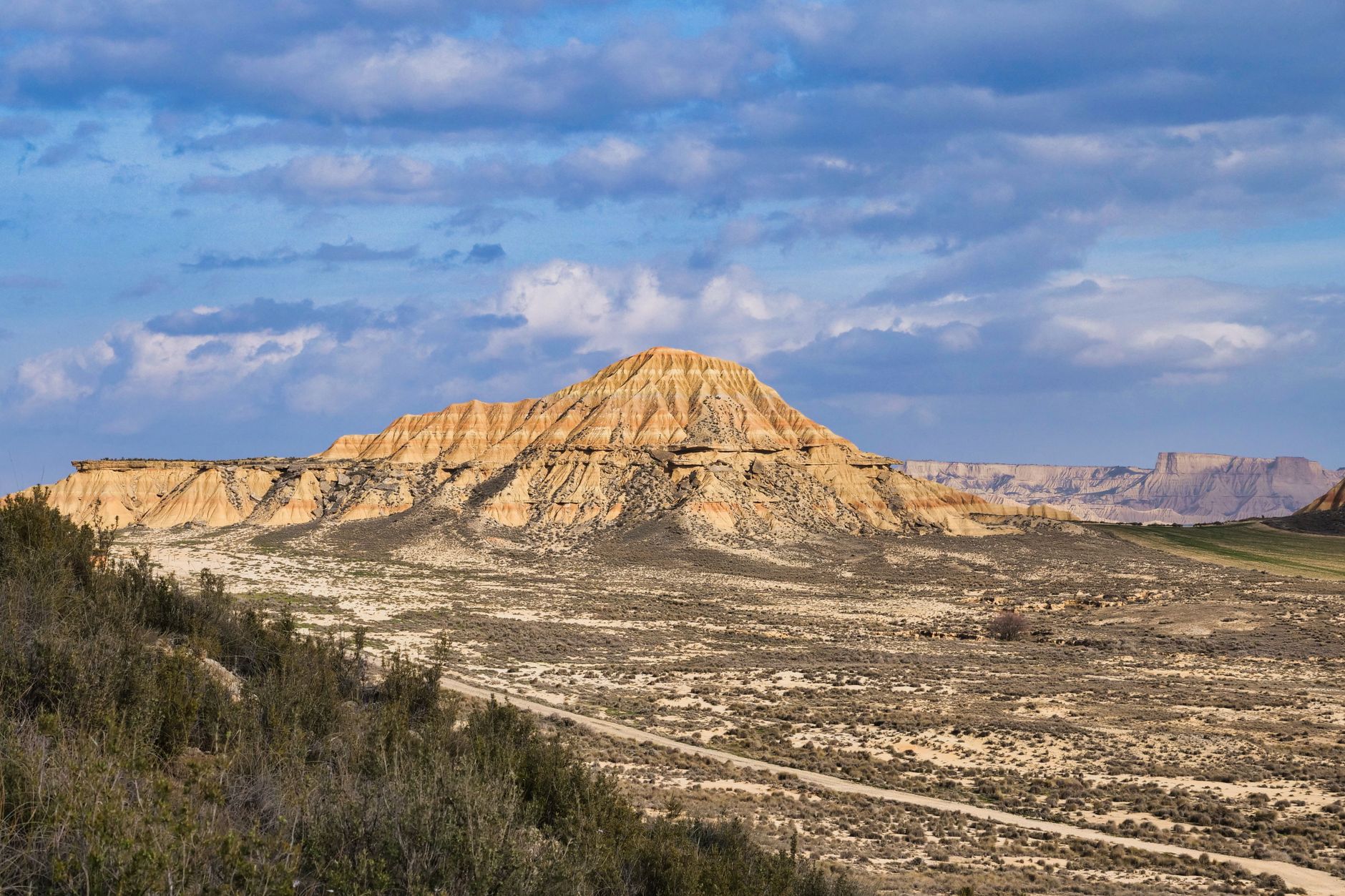
A region of contrasts packed into a small space: Pyrenean valleys and Atlantic beech forest in the north, Pamplona in the middle, and the Bardenas Reales — a desert of eroded badlands — in the south-east, which nobody expects at this…
Minimum 3 days · better 5-6 days · deep 8 days

In Navarra





In Navarra






Logistics are verified only. We don't publish schedules we haven't confirmed.
Appears In
Experiences worth booking ahead
Spain Field Guide may earn a commission when you book through selected links. Recommendations are editorial and independent of commission.
Ready to build Puente la Reina into a trip?
You've found a place worth going. When you're ready to turn discovery into an itinerary, Travel Itinerary Co picks up where the Field Guide leaves off — with your saved places already in hand.
Build this into a tripContinues on Travel Itinerary Co
Spain Field Guide may earn a commission when you book through selected links. Recommendations are editorial and independent of commission.