Catedral de Pamplona

Worth a look if you're in Pamplona anyway — solid Gothic cloister, unremarkable Neoclassical facade.
The cloister is considered one of the finest Gothic examples in Europe, even though the mismatched 18th-century facade undersells what's inside.
At a Glance
- — judging by facade alone
- — expecting stylistic consistency
The exterior is an uneasy Neoclassical facade, easy to walk past. Inside, the Gothic cloister is among the finest in Europe: high, slender arches and intricately carved windows give it an unusual lightness next to the austere nave. Most visitors to Pamplona miss it. The quiet garden at the center of the cloister is the reason to slow down.
How it got here
The site traces back to Roman Pompaelo, yet the current structure occupies the ground where bishops administered this frontier territory since the early Middle Ages. The building construction began in the fourteenth century under the patronage of King Carlos III of Navarre, who intended it as his burial place. After centuries of construction, the main facade replaced an older Romanesque front in the late eighteenth century, creating a sharp stylistic division between the interior Gothic arches and the exterior Neoclassical stone. The cathedral holds the royal mausoleum of the Navarre monarchs, a reminder of the era when this kingdom acted as a vital buffer between the Pyrenees and the Ebro valley.
Where it sits
Pamplona sits on a high terrace above the Arga river, where the humid climate of the Atlantic coast meets the dry heat of the Ebro basin. The city occupies a strategic passage through the northern mountains, meaning the weather shifts rapidly from damp winters to bright, dry summers. The cathedral grounds feel secluded compared to the busy squares nearby, held away from the main streets by the thick walls of the old quarter. Stone streets lead down toward the riverbanks where tree cover provides relief from the sun. Mornings remain quiet here, even as the rest of the city awakens for the daily markets.
What to eat and drink
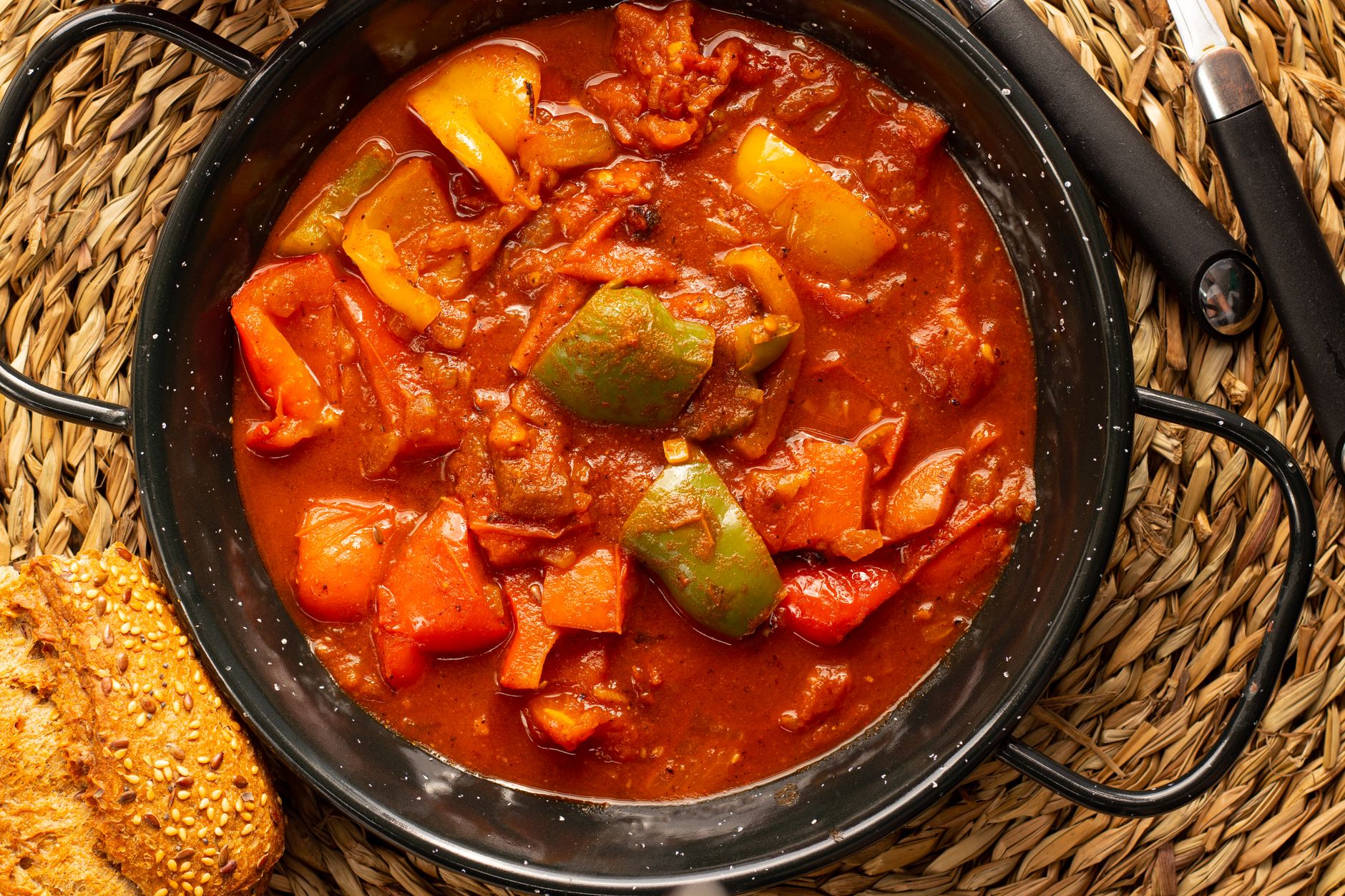
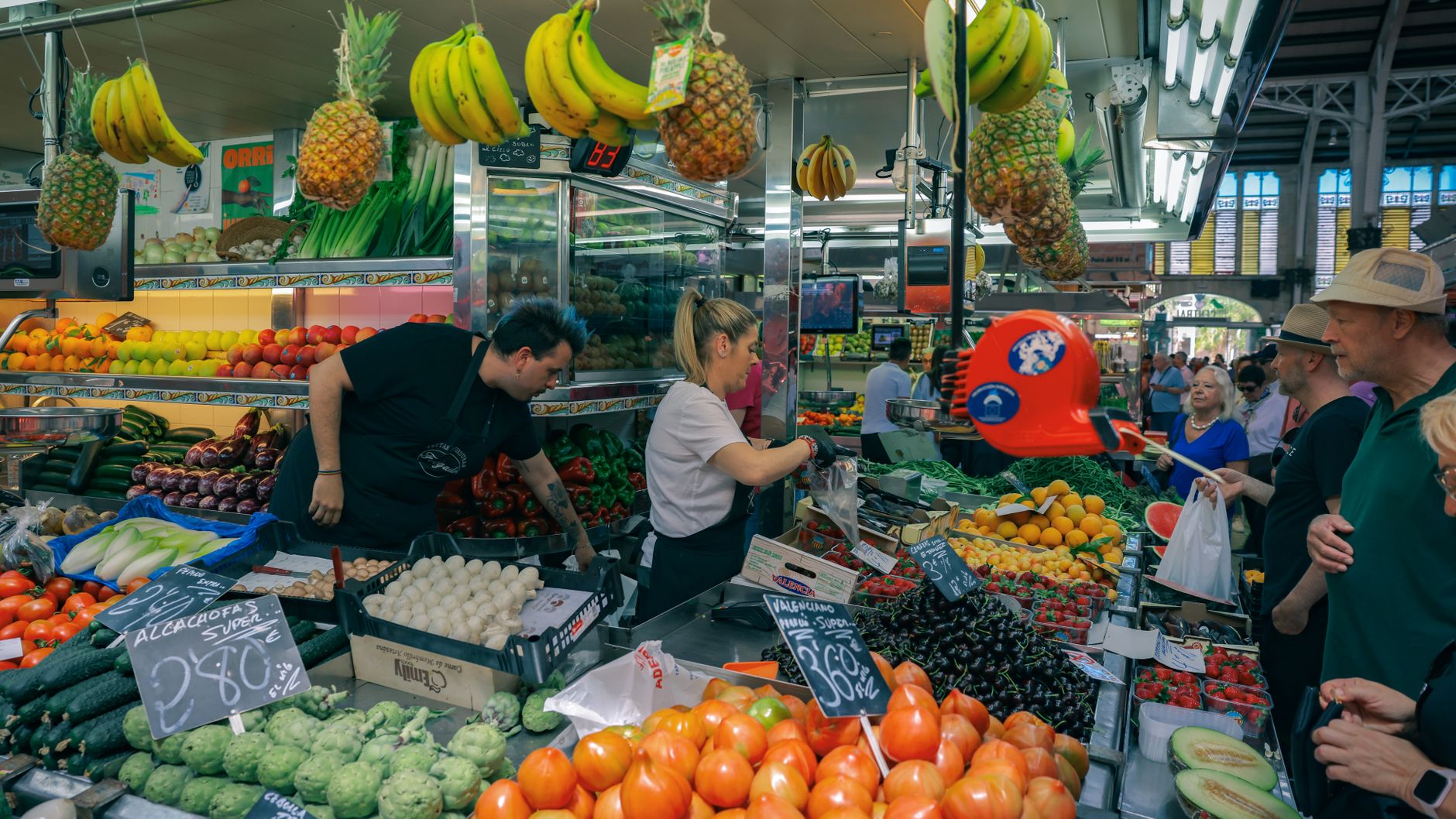
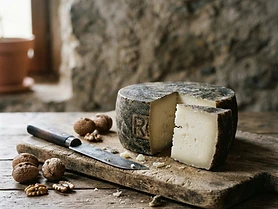
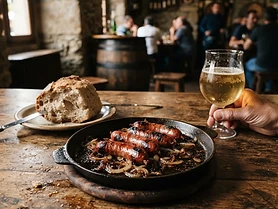
Navarre produces thin white asparagus and artichokes from the irrigated banks of the Ribera, vegetables that define the local table. Ajoarriero, a salt cod stew prepared with garlic, peppers, and tomatoes, provides the salt and heat typical of inland Navarrese kitchens. For dessert, cuajada remains the standard finish, a sheep milk curd served with honey and crushed walnuts. Diners accompany these meals with the regional rosé, a dark pink wine pressed from Garnacha grapes. This wine has the acidity to match the heavy vegetable dishes and the rustic, sharp flavors of the local sheep cheeses like Idiazábal.
Navarra: the whole region
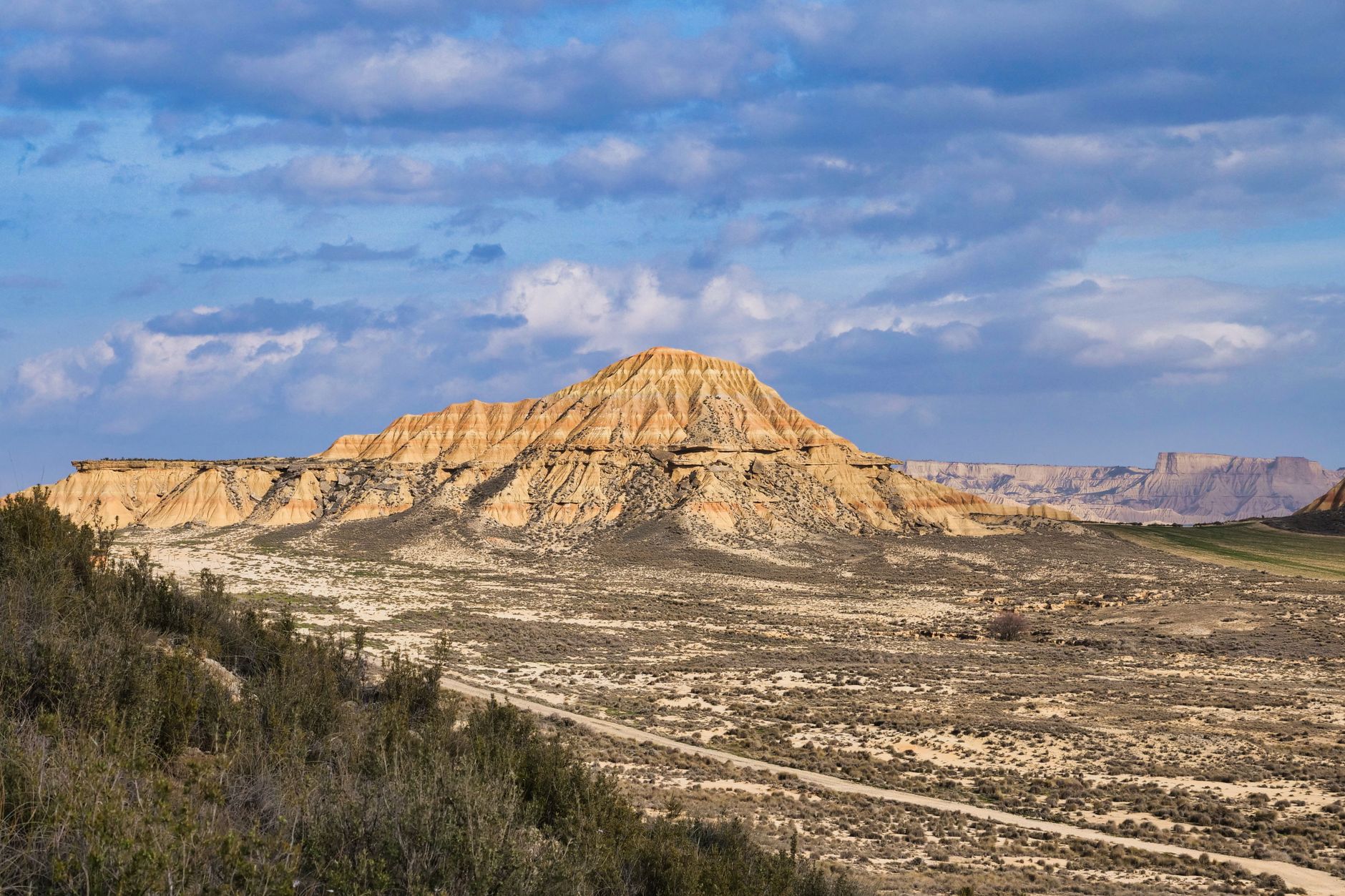
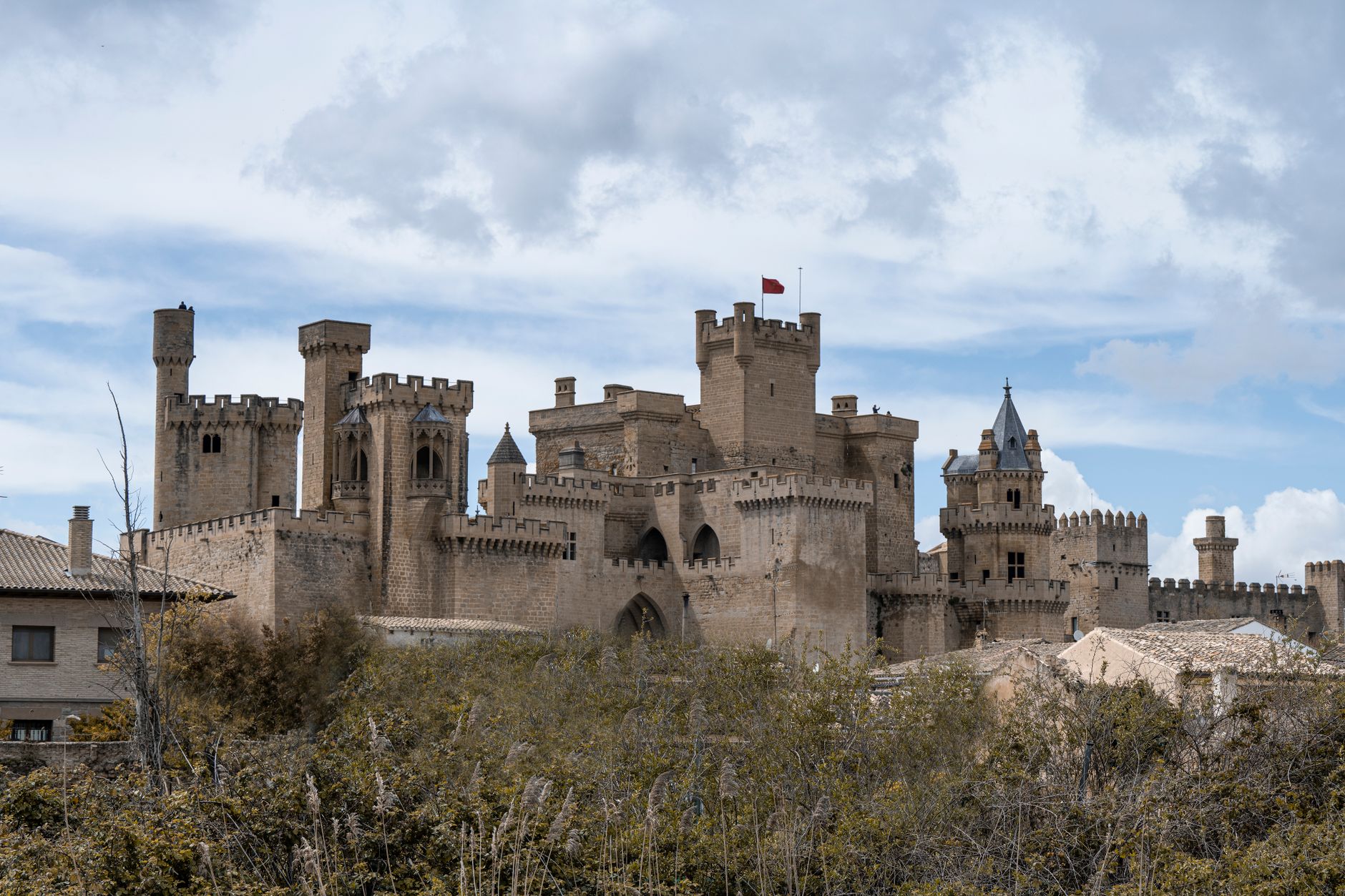
A region of contrasts packed into a small space: Pyrenean valleys and Atlantic beech forest in the north, Pamplona in the middle, and the Bardenas Reales — a desert of eroded badlands — in the south-east, which nobody expects at this…
Minimum 3 days · better 5-6 days · deep 8 days
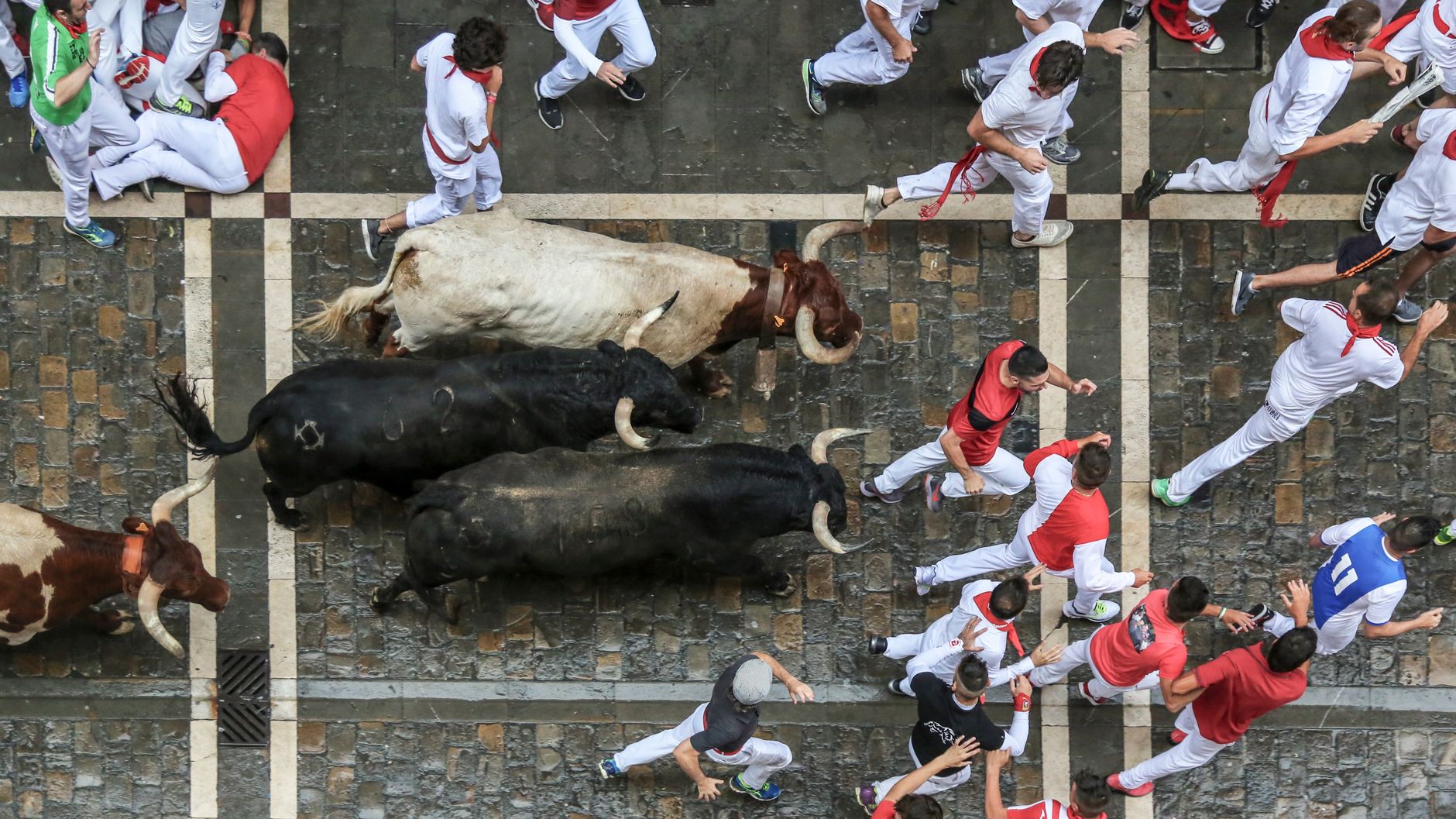
In Navarra





In Navarra





Linked from elsewhere
Entries that name this place in their own nearby lists.
Logistics are verified only. We don't publish schedules we haven't confirmed.
Experiences worth booking ahead
Spain Field Guide may earn a commission when you book through selected links. Recommendations are editorial and independent of commission.
Ready to build Catedral de Pamplona into a trip?
You've found a place worth going. When you're ready to turn discovery into an itinerary, Travel Itinerary Co picks up where the Field Guide leaves off — with your saved places already in hand.
Build this into a tripContinues on Travel Itinerary Co
Spain Field Guide may earn a commission when you book through selected links. Recommendations are editorial and independent of commission.