Zugarramurdi
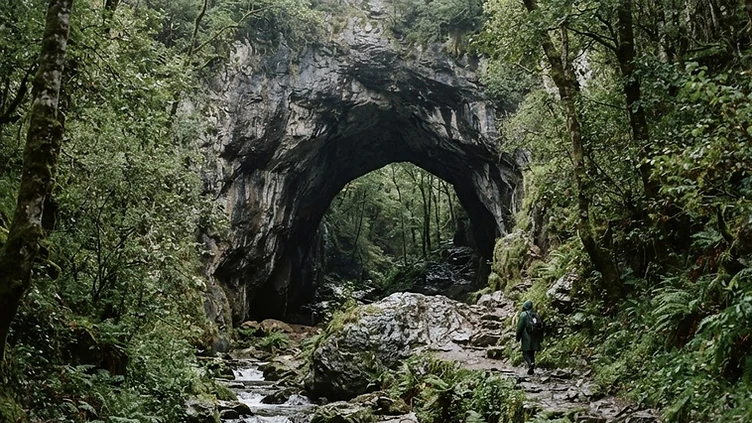
Half a day for the cave, the museum and the walk along the stream. Combine it with the Baztán valley and Urdazubi's monastery. Only with a car.
The cave tunnel and the Inquisition story behind it — the village where the Basque witch trials began, with the largest cave of its kind in the region.
Pamplona · Puente la Reina · Sangüesa · Ujué
At a Glance
Zugarramurdi is known for the Cuevas de las Brujas, a cave complex where a stream runs through a natural tunnel sixty metres wide, now walkable on a boardwalk. The village was at the centre of the 1609–1614 witch trials, when the Inquisition took around forty people from here to Logroño; the museum above the caves tells that story without theatre. It is ten minutes from the French border.
How it got here
Navarrese life at this border followed the dictates of the Inquisition during the seventeenth century. Authorities targeted the local population in 1609 after claims of witchcraft emerged within the village. The ensuing trials forced residents to face the tribunal in Logroño where many confessions were extracted under duress. This period dismantled the social fabric of the valley as families dispersed or faced imprisonment. The village identity survives through the memory of these proceedings rather than the architecture of the period. Today the cavernous limestone passage above the stream identifies the place as a physical archive of that collective trauma.
Where it sits
Deep valleys cut through the Cantabrian mountains where the landscape turns into a dense tapestry of humid Atlantic forest. Oak and beech woods surround the village and isolate it from the wider plateau of Navarra. The humidity creates a green permanence in the terrain that contrasts with the arid southern provinces. Rain falls frequently against the stone walls of the farmhouses throughout the autumn and winter months. The proximity to the French border defines the rhythm of movement through these winding mountain roads. Spring brings a brief clarity to the peaks before the heavy vegetation obscures the lines of the ridges.
What to eat and drink
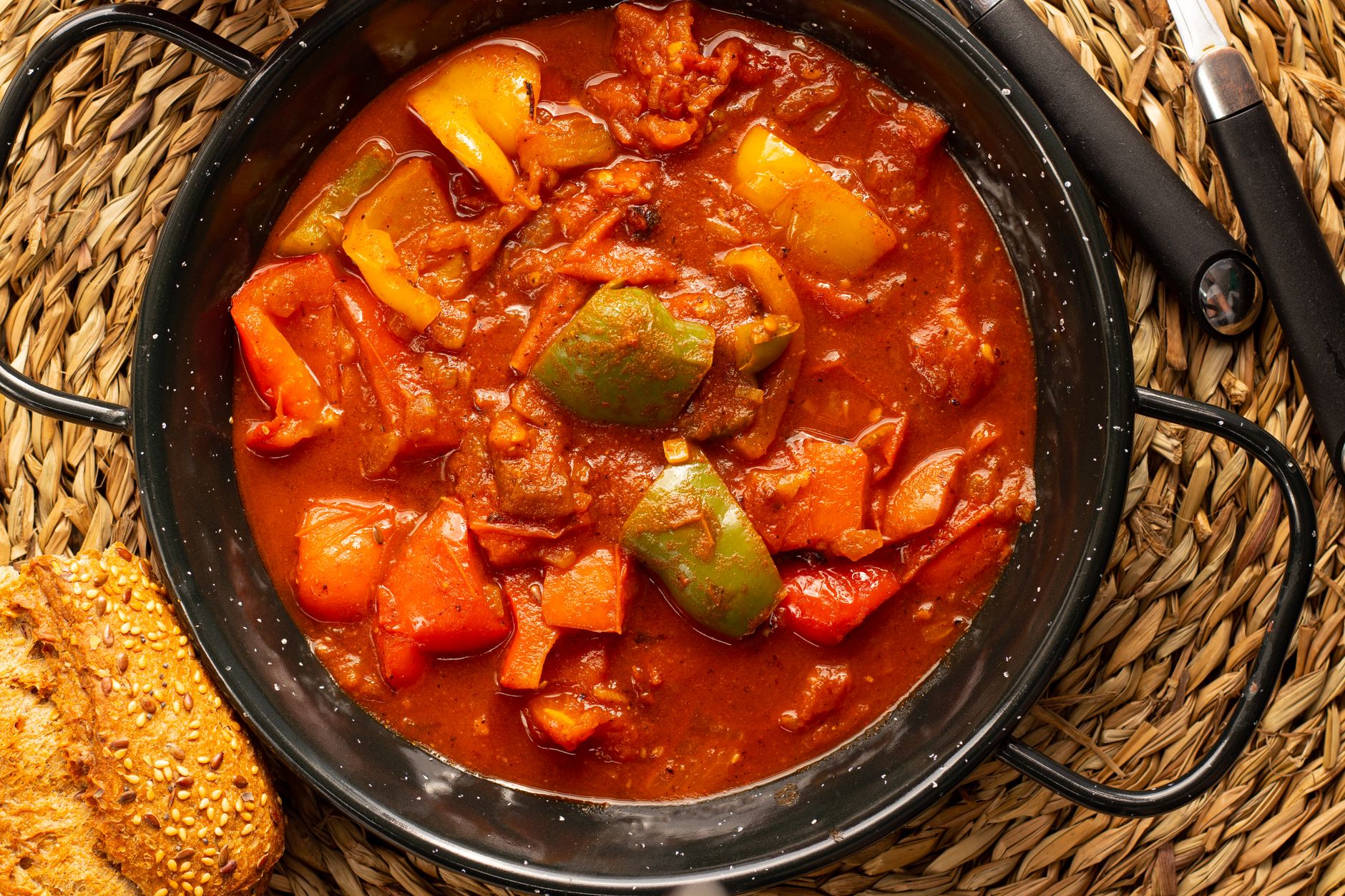
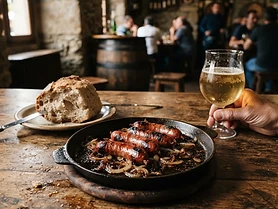
Navarrese cuisine relies on the produce of the mountain valleys and the temperate lowlands. Alubias pochas, tender white beans harvested before they fully dry, simmered with chorizo and peppers provide the standard meal for the climate. Salted cod served in a garlic-rich pil-pil sauce defines the tradition of the northern valleys. For dessert, the sheep milk curd known as cuajada arrives in wooden bowls accompanied by local honey or burnt sugar. The wine lists highlight the robust reds produced further south in the Rioja region, but the cider makers of the nearby Atlantic foothills provide the traditional drink.
Navarra: the whole region
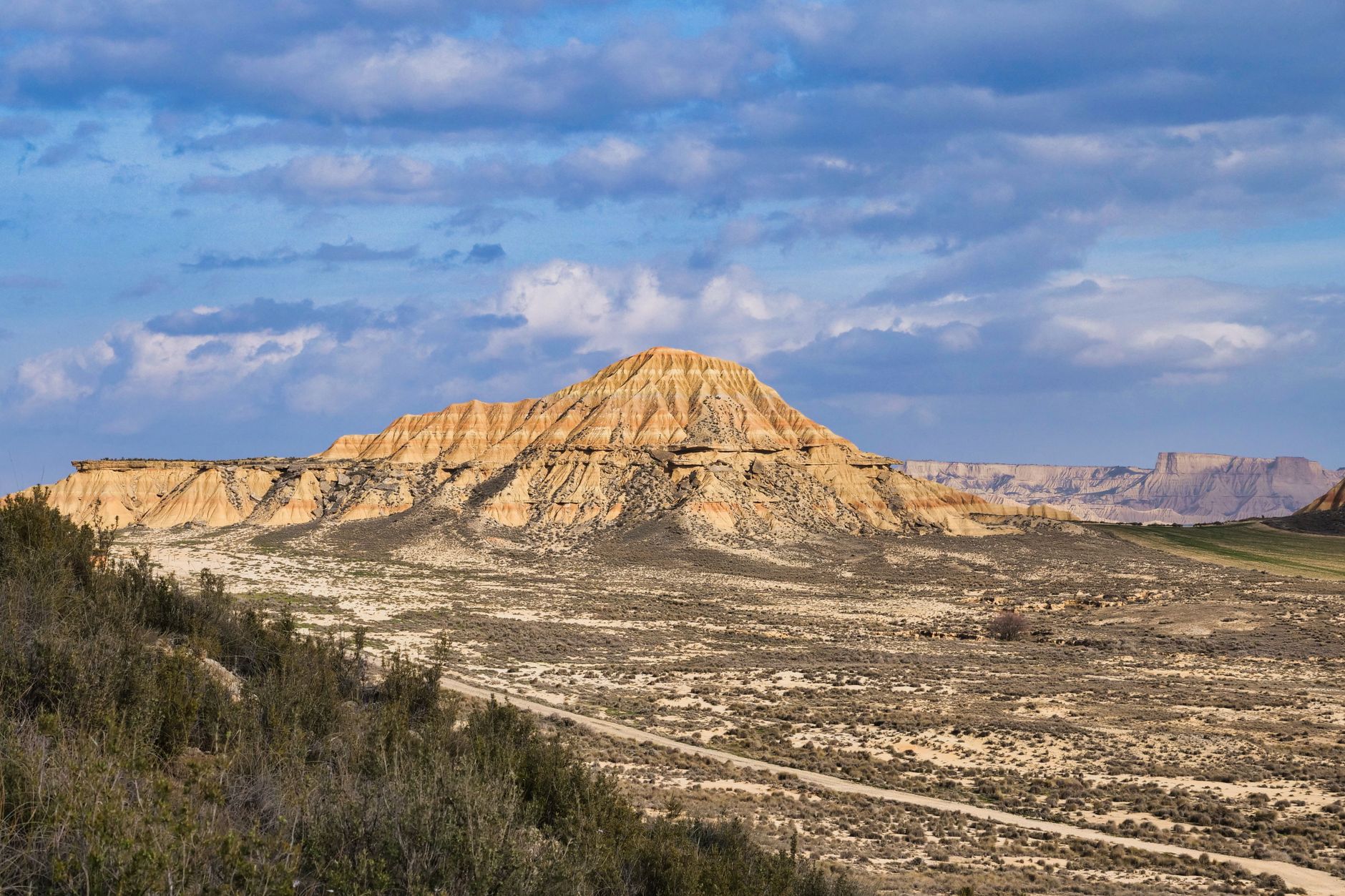
A region of contrasts packed into a small space: Pyrenean valleys and Atlantic beech forest in the north, Pamplona in the middle, and the Bardenas Reales — a desert of eroded badlands — in the south-east, which nobody expects at this…
Minimum 3 days · better 5-6 days · deep 8 days
In Navarra






In Navarra


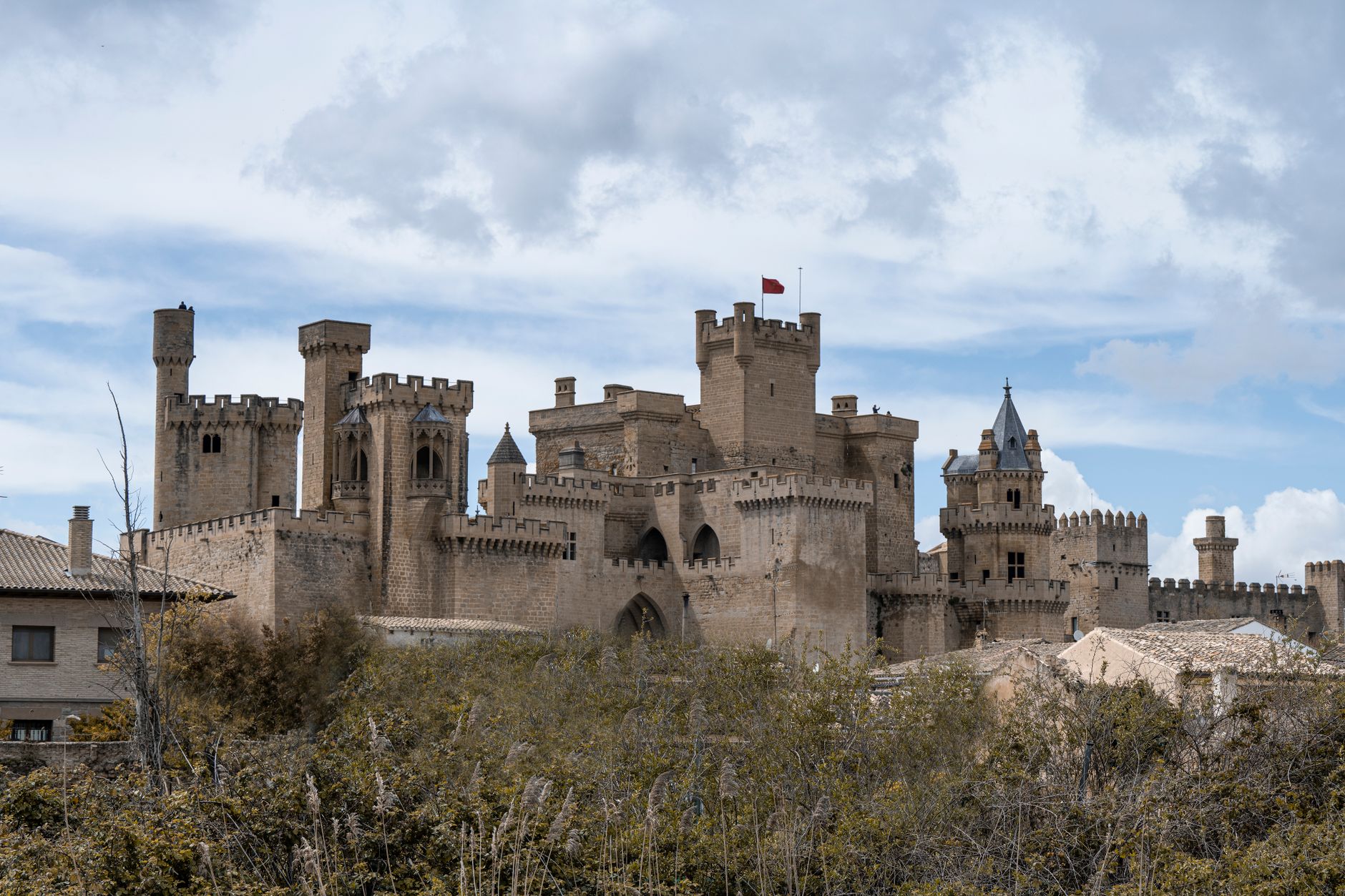




Other Worth a Detour in Navarra


Logistics are verified only. We don't publish schedules we haven't confirmed.
Experiences worth booking ahead
Spain Field Guide may earn a commission when you book through selected links. Recommendations are editorial and independent of commission.
Ready to build Zugarramurdi into a trip?
You've found a place worth going. When you're ready to turn discovery into an itinerary, Travel Itinerary Co picks up where the Field Guide leaves off — with your saved places already in hand.
Build this into a tripContinues on Travel Itinerary Co
Spain Field Guide may earn a commission when you book through selected links. Recommendations are editorial and independent of commission.