Rioja
The default Spanish wine trip. Base in Laguardia or Haro, book bodega tours ahead, and pair with San Sebastián.
Spain's most famous wine region, with century-old bodegas, medieval wine villages, and a landscape of vineyards and hills. The easiest wine trip in Spain.
At a Glance
- — You don't drink wine
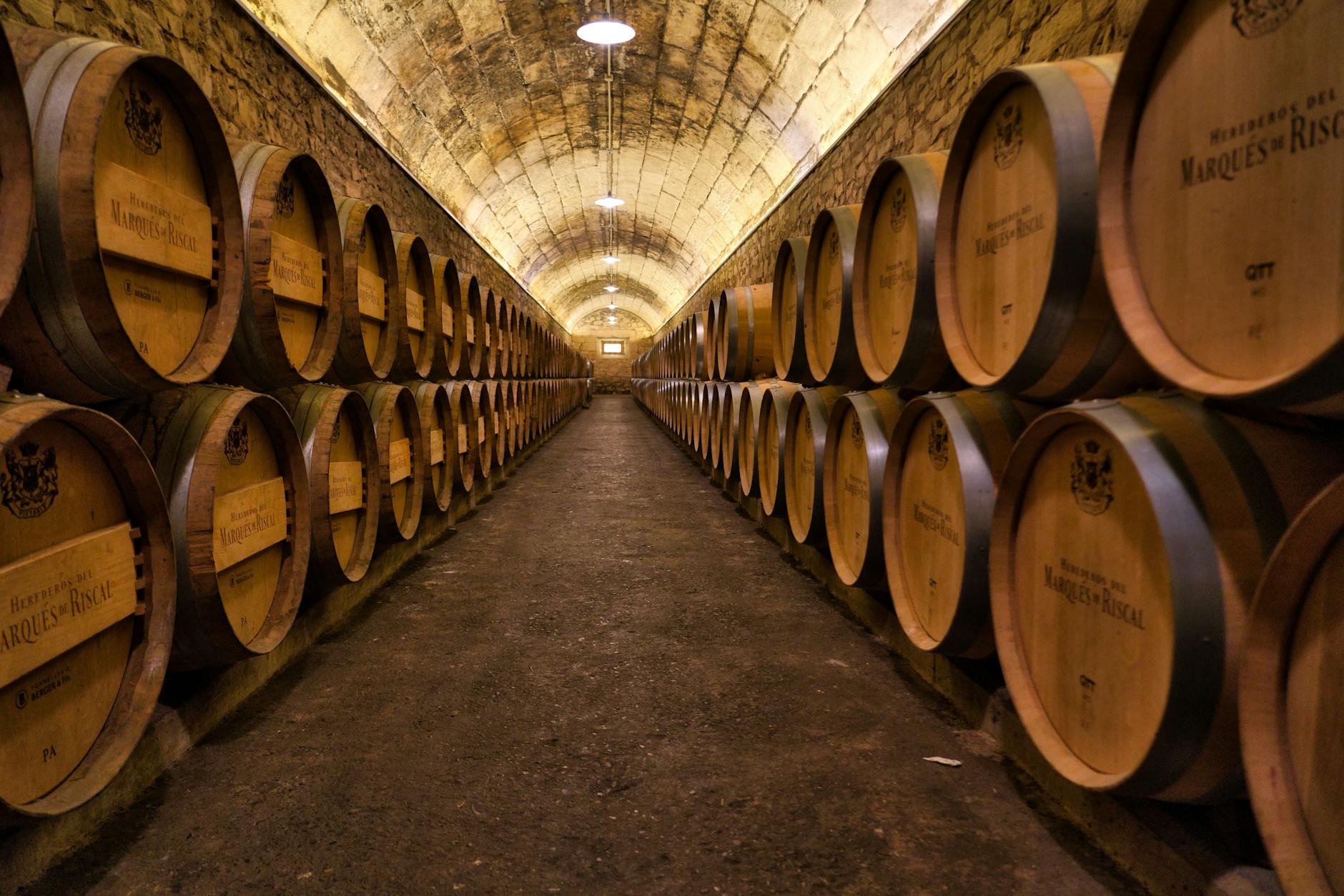
Rolling hillsides covered in manicured vines are dotted with medieval villages and century-old stone bodegas where the scent of oak and fermenting grapes lingers in the air. This is a landscape built for the slow pursuit of wine, with winding roads connecting family-run cellars that have been perfecting Tempranillo for generations. It is a predictable, deeply pleasurable destination that pairs the earthy complexity of its wines with the hearty, rustic food of the northern Spanish plains.
How it got here
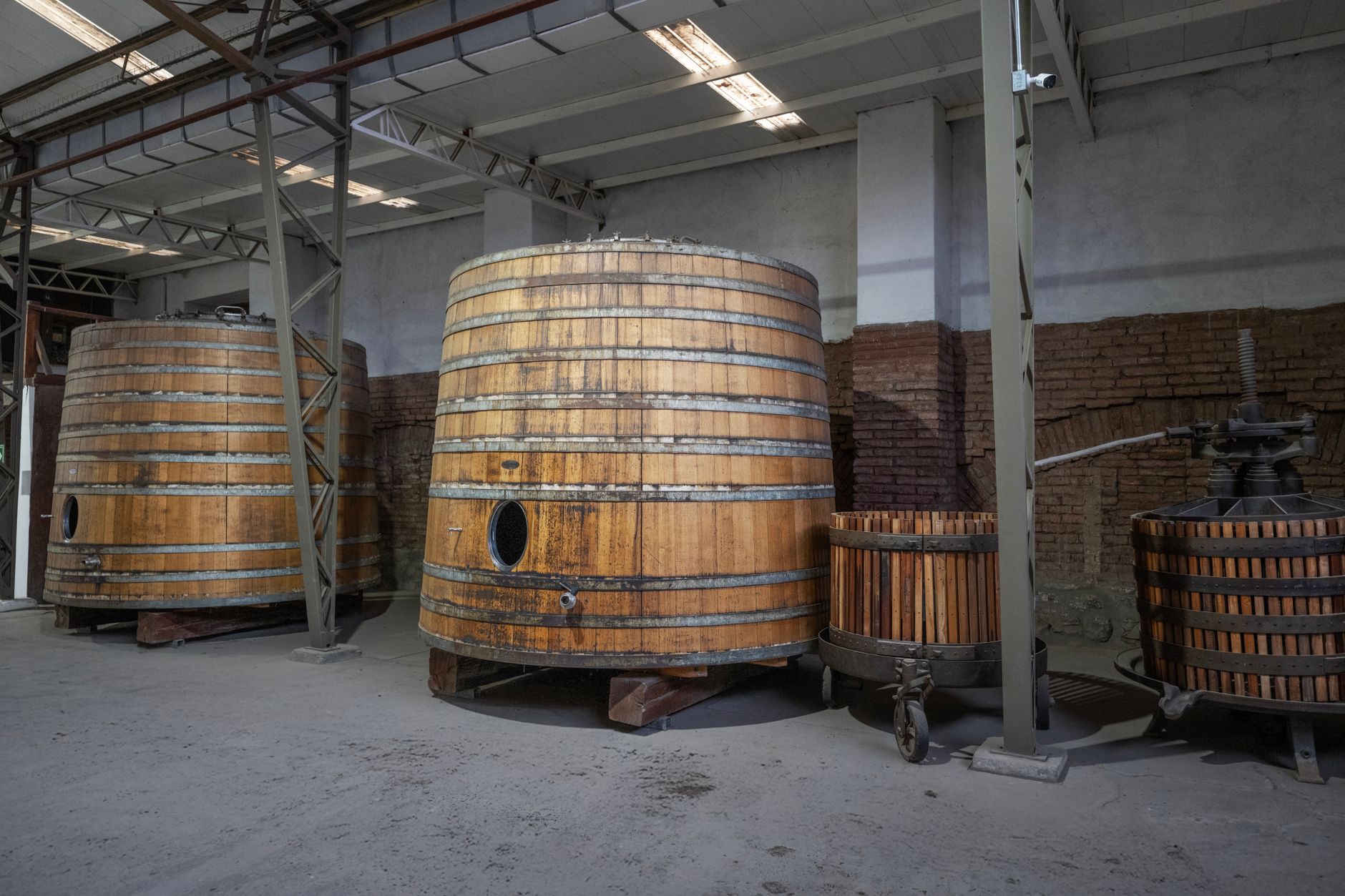
Phoenicians and later Romans cultivated vines along the Ebro river basin, but the development of modern viticulture accelerated in the nineteenth century. As phylloxera devastated French vineyards, winemakers crossed the Pyrenees to the Ebro valley, bringing barrique aging techniques that redefined the local output. This influx established the distinctive blend of Tempranillo, Garnacha, and Mazuelo aged in American oak. The Ebro river acted as a conduit for trade between the northern plains and the Mediterranean, anchoring the region in long-standing routes of exchange. Centuries of monastic influence and territorial disputes between the kingdoms of Navarre and Castile dictated the layout of the fortified villages that watch over the vine-covered slopes today.
Where it sits
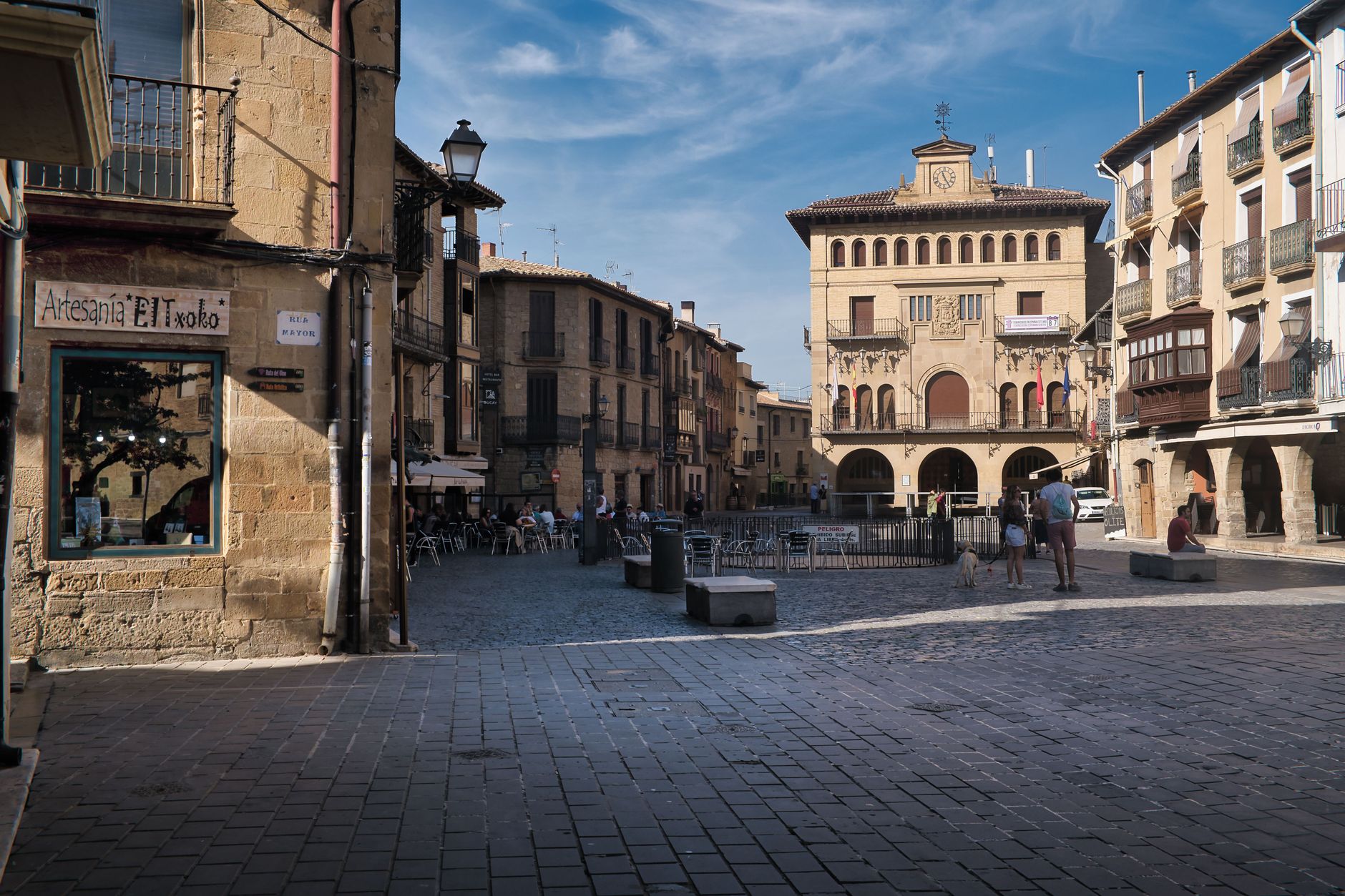
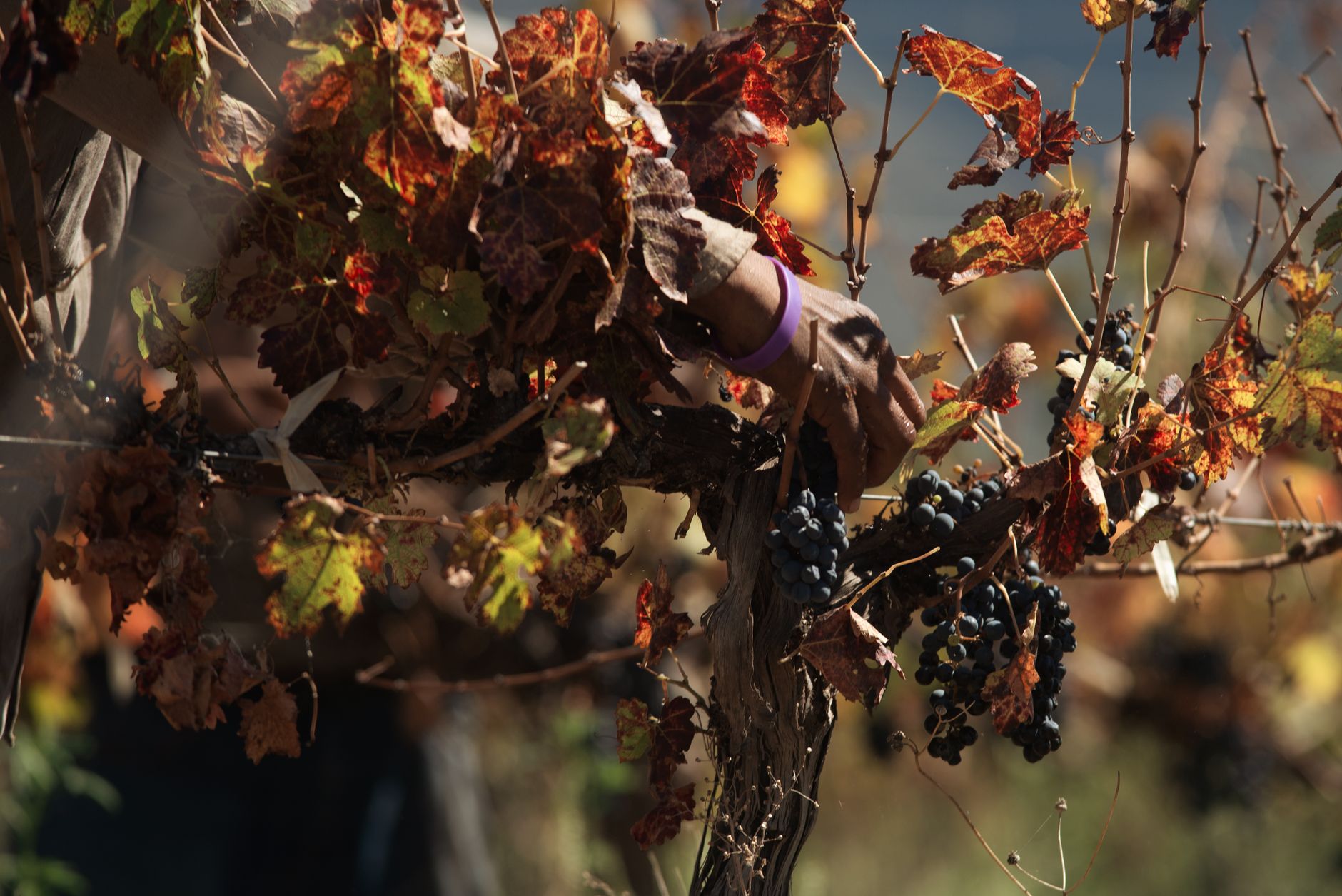
Vines stretch across the undulating clay and limestone landscape between the Sierra de Cantabria and the Ebro river. The northern mountains block the worst of the Atlantic weather, creating a microclimate that shifts from the crisp, cool springs to baking summer heat. Villages rise from the earth in honey-colored stone, often perched on hillsides to preserve the flatter, fertile river soil for agriculture. Trains and roads follow the water, connecting the quiet stone town squares where the pace follows the seasonal cycle of pruning, harvesting, and bottling. Late autumn turns the foliage into rusted gold, while winter brings a profound stillness to the cellar doors.
What to eat and drink
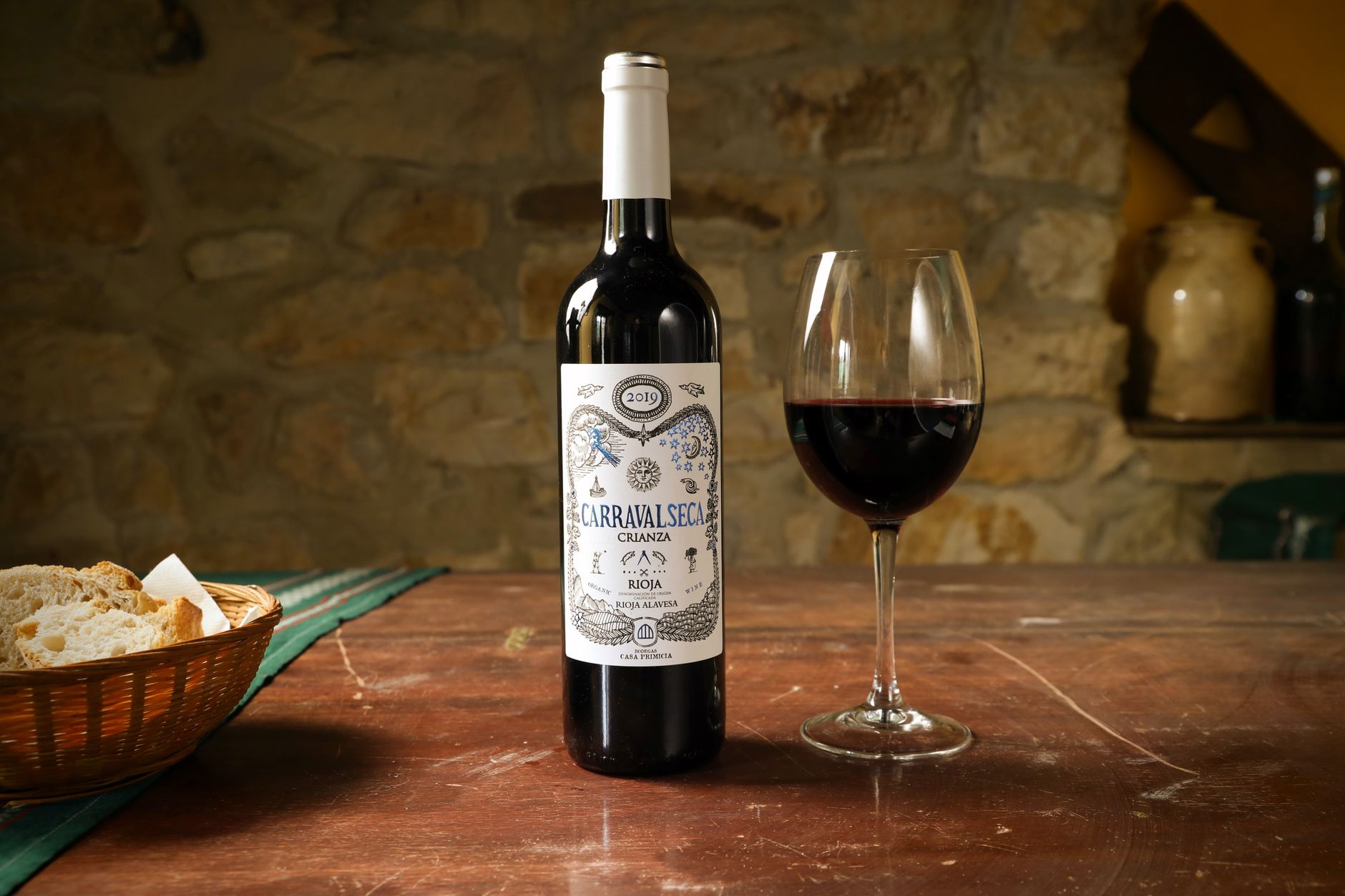
Rioja wine forms the foundation of the table, specifically the long-aged Gran Reserva with its signature notes of leather and dried fruit. Accompaniments rely on the fertile produce of the Ebro riverbanks. Menestra de verduras, a slow-simmered stew of artichokes, asparagus, peas, and green beans, highlights the local harvest. Chorizo riojano, seasoned with pimentón, often finds its way into the pot with potatoes for patatas a la riojana. Cutlets of milk-fed lamb, chuletillas de cordero, grilled over dried vine shoots remain the quintessential meal for anyone standing near a winery hearth.
La Rioja: the whole region
One product, done better here than anywhere else in Spain: a wine region that fits inside a valley, vineyards running from the Ebro plain up into the Sierra de Cantabria, and every town on the road between Haro and Logroño involved in it.…
Minimum 3 days · better 4-5 days · deep 7 days
What's Nearby


Pair It With


In La Rioja


In La Rioja


In La Rioja








Linked from elsewhere
Entries that name this place in their own nearby lists.


Logistics are verified only. We don't publish schedules we haven't confirmed.
Appears In
Ready to build Rioja into a trip?
You've found a place worth going. When you're ready to turn discovery into an itinerary, Travel Itinerary Co picks up where the Field Guide leaves off — with your saved places already in hand.
Build this into a tripContinues on Travel Itinerary Co
Spain Field Guide may earn a commission when you book through selected links. Recommendations are editorial and independent of commission.