Bodegas Muga

Book the classic tour. The Prado Enea barrel room is the photo. Stay in Haro and walk the station-quarter wineries (Muga, López de Heredia, CVNE).
Haro's most visitable traditional Rioja house — still racking by hand, fermenting in oak, and making Torre Muga and Aro from old vines. The Barrio de la Estación winery-cluster anchor.
CVNE (Compañía Vinícola del Norte) · R. López de Heredia · Rioja
At a Glance
- — You don't book ahead
Situated in the historic heart of Haro’s Barrio de la Estación, this house remains a defiant guardian of the old-world Rioja tradition. Inside their cavernous stone cellars, artisans still rack their wines by hand and ferment every vintage in massive, hand-built oak casks. The atmosphere is warm and fragrant with the smell of damp wood and evolving fruit. Walking through the barrel-lined hallways, one can feel the weight of decades of history. It remains a essential stop for anyone wanting to taste the pure, unhurried craft of classic Rioja before it is bottled for the world.
How it got here
Haro grew into a wine center when merchants fled the phylloxera blight in France during the late nineteenth century. They arrived in La Rioja to secure supplies, bringing modern methods that transformed the sleepy river town into a hub of rail transport and international trade. This winery maintains a link to that era through its reliance on traditional cellar practices, including the manual racking of barrels by candlelight. These techniques persisted through the industrialization of the twentieth century, preserving the specific methods of aging Rioja in wood that defined the local industry before large-scale mechanical bottling became standard practice.
Where it sits
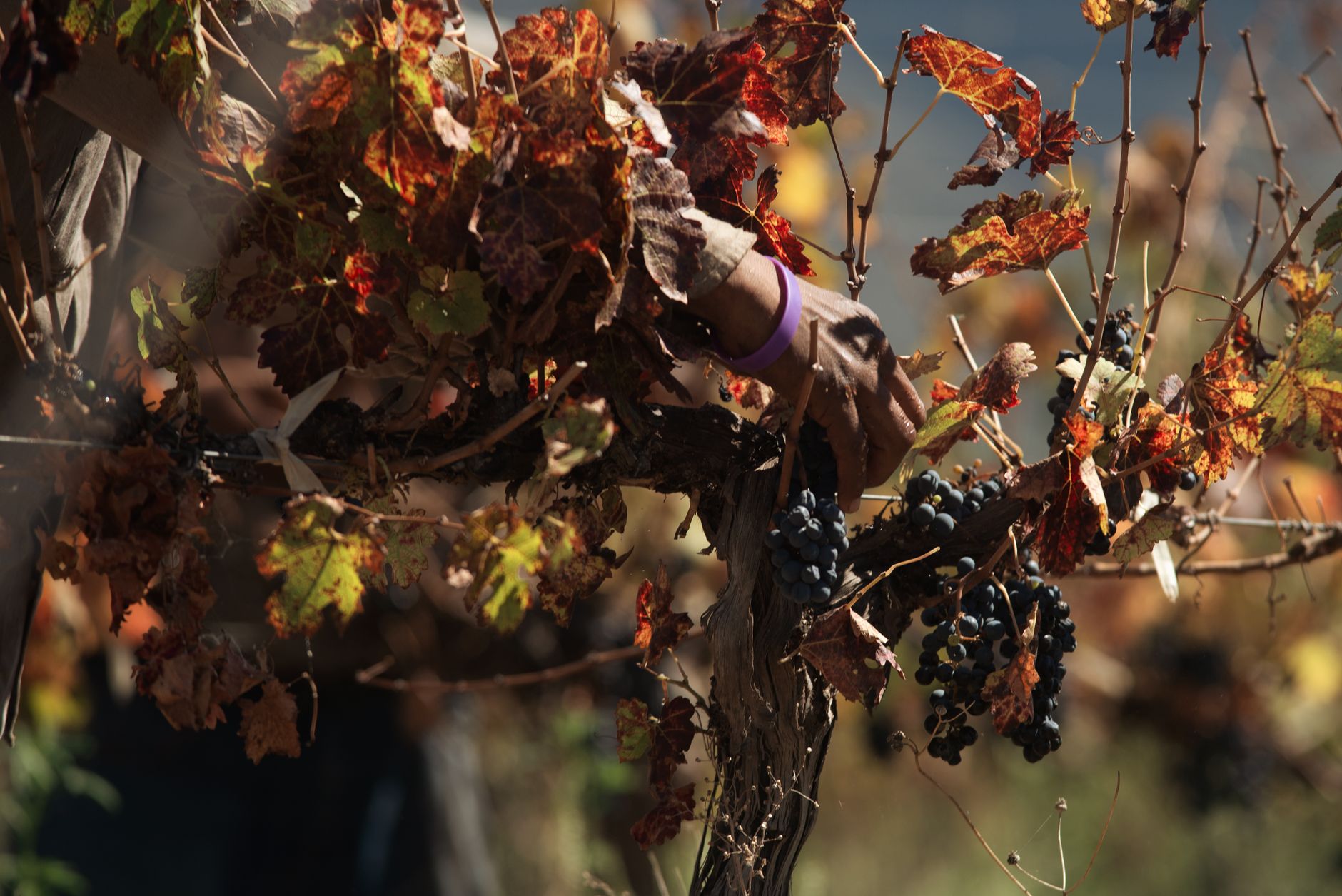
The Ebro River carves deep through the limestone plateaus of La Rioja Alta, creating a landscape of rolling vineyards and chalky clay soils. Trains once pulled directly into the Barrio de la Estación to load casks for export, grounding the winery in the logistics of the nineteenth-century rail boom. Winters here bring biting winds from the north while summers bake the dry earth. Autumn turns the vines to copper and gold before the first frost settles on the nearby Cantabrian mountains. The air stays cool in the deep stone galleries, insulated from the heat of the surrounding plains.
What to eat and drink
Rioja cuisine centers on the harvest and the slaughter. Bacalao a la riojana uses salt cod stewed with tomatoes, onions, and red peppers called pimientos choriceros. Chuletillas de cordero, young lamb chops grilled quickly over vine-shoot fires, carry the smoke of the vineyard into the meat. Drink the red wine of the district, typically a blend of Tempranillo, Garnacha, and Mazuelo. When the harvest concludes, the region produces wine-poached pears, a dessert boiled in heavy syrup and red wine until the fruit turns dark and fragrant.
La Rioja: the whole region
One product, done better here than anywhere else in Spain: a wine region that fits inside a valley, vineyards running from the Ebro plain up into the Sierra de Cantabria, and every town on the road between Haro and Logroño involved in it.…
Minimum 3 days · better 4-5 days · deep 7 days
Pair It With


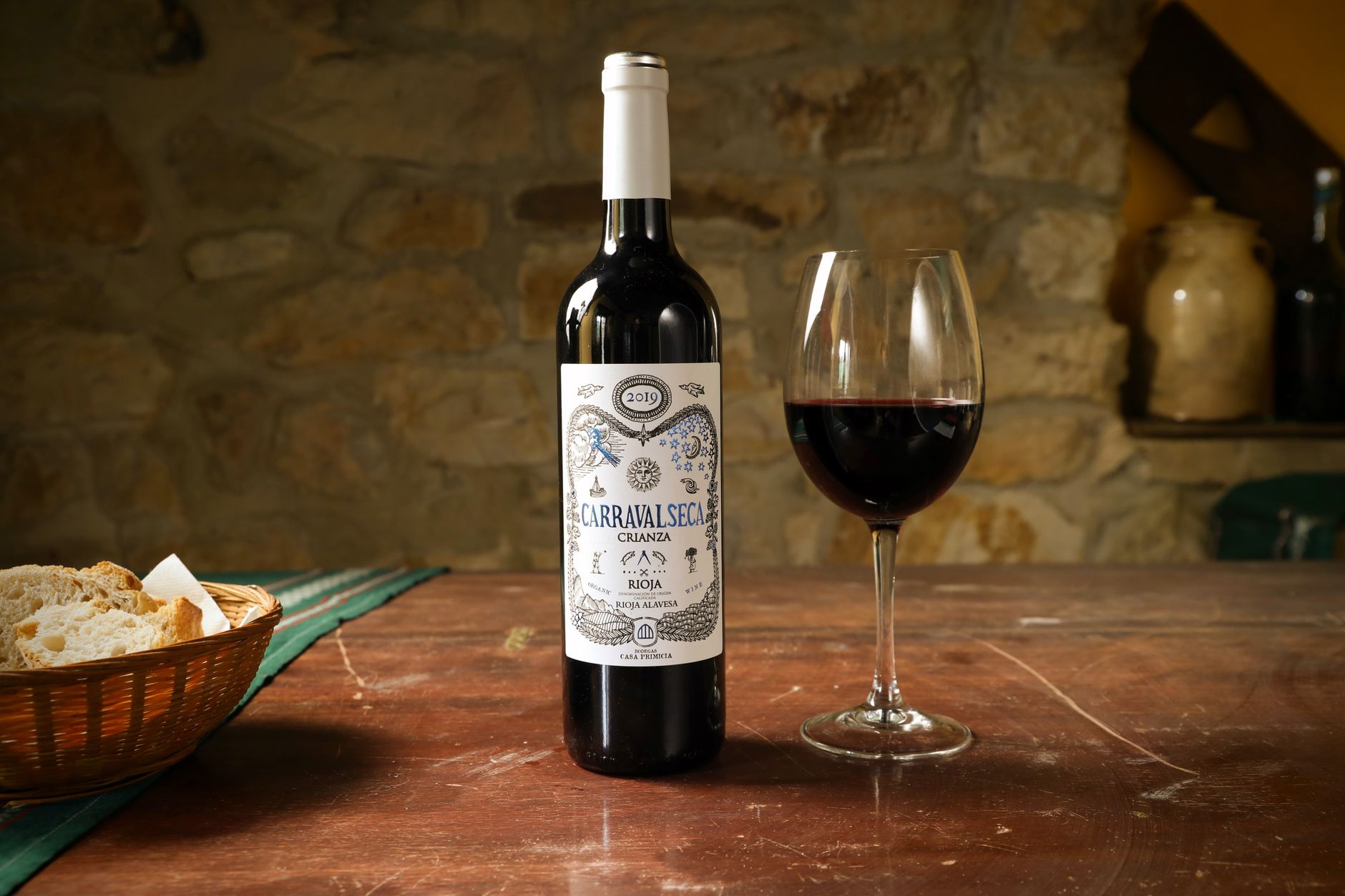
In La Rioja


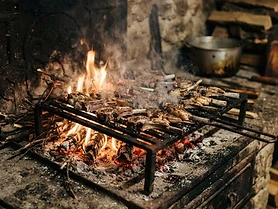
In La Rioja
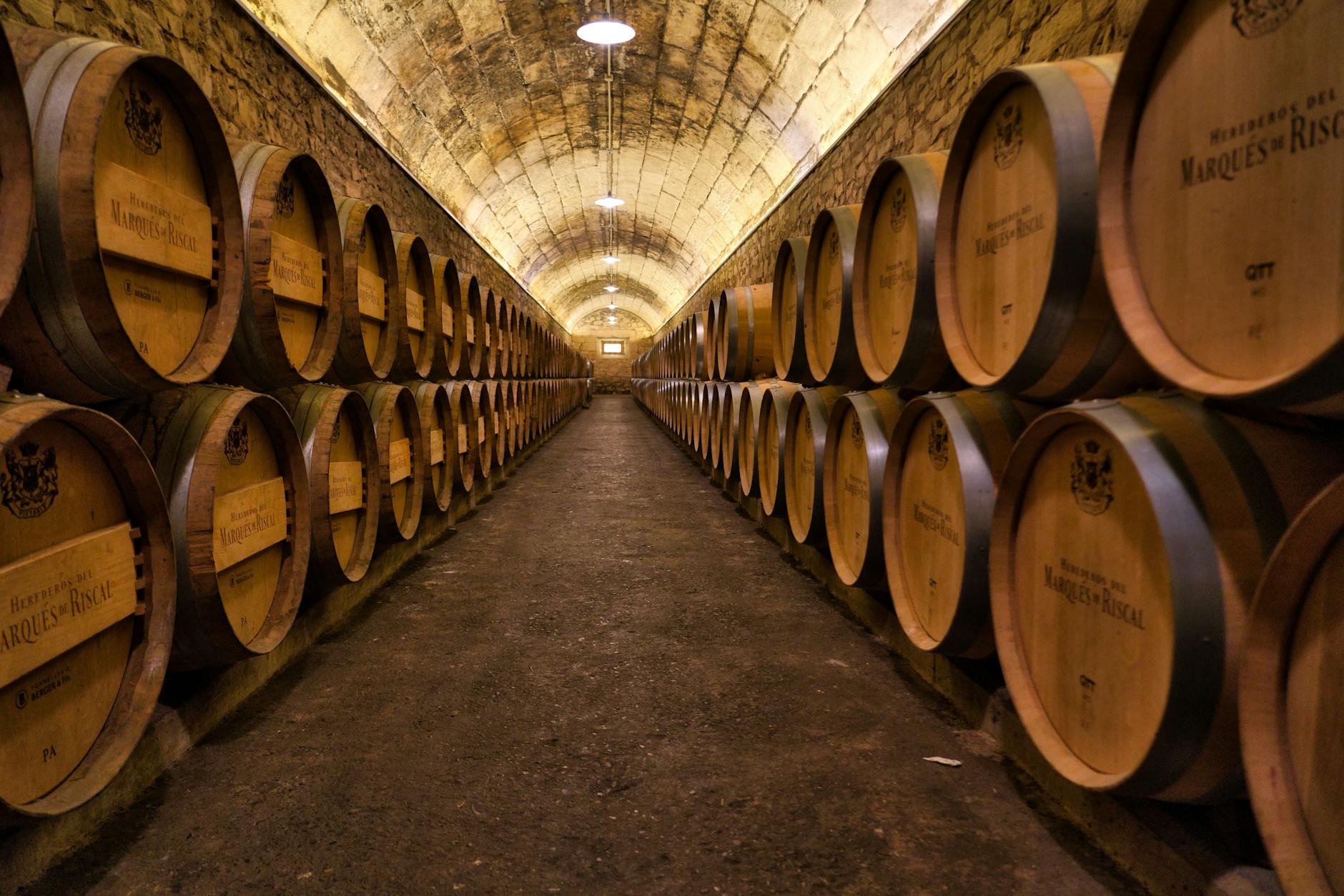
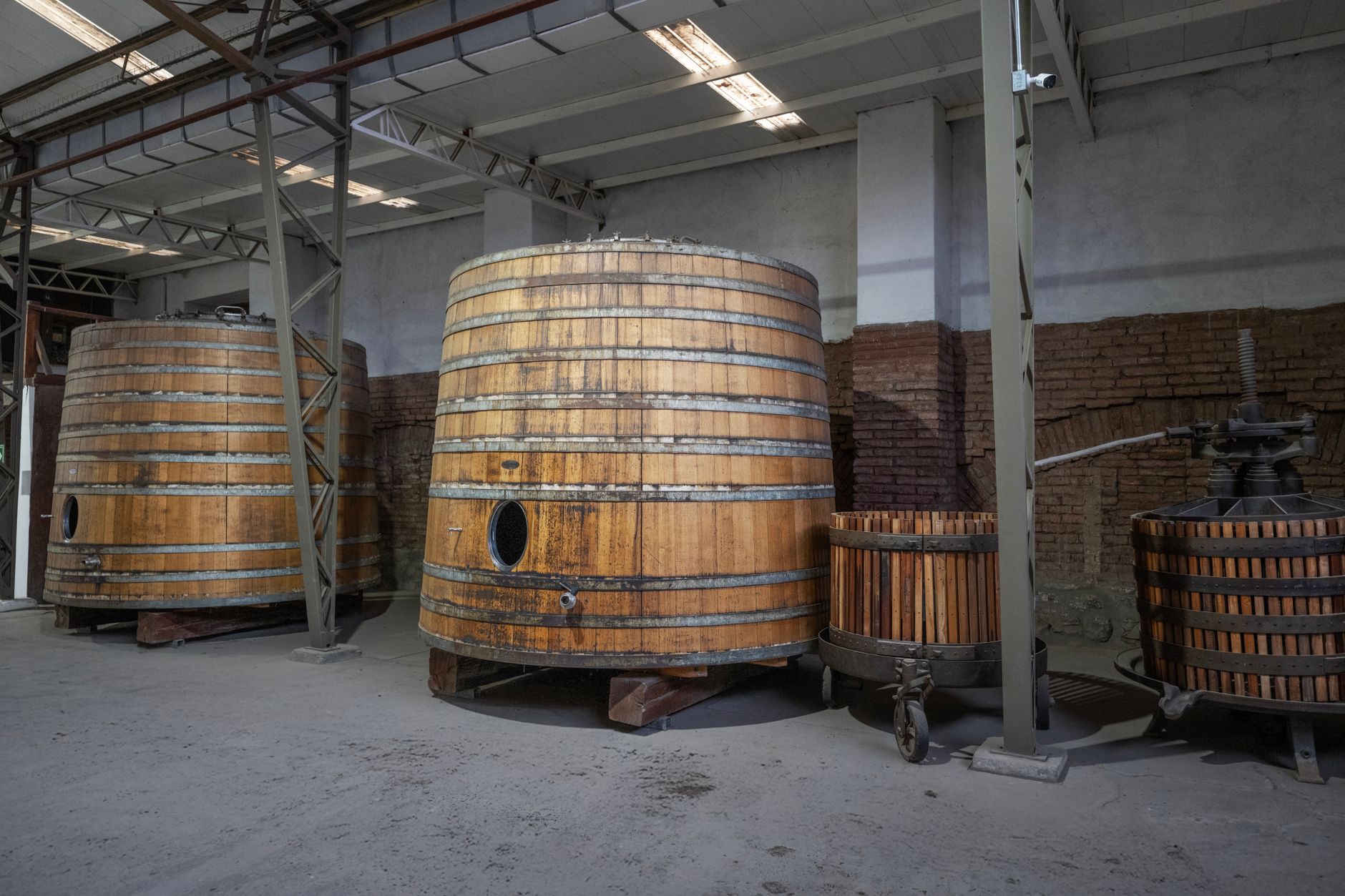
In La Rioja








Linked from elsewhere
Entries that name this place in their own nearby lists.

Logistics are verified only. We don't publish schedules we haven't confirmed.
Appears In
Wine tastings and vineyard visits worth booking ahead
Spain Field Guide may earn a commission when you book through selected links. Recommendations are editorial and independent of commission.
Ready to build Bodegas Muga into a trip?
You've found a place worth going. When you're ready to turn discovery into an itinerary, Travel Itinerary Co picks up where the Field Guide leaves off — with your saved places already in hand.
Build this into a tripContinues on Travel Itinerary Co
Spain Field Guide may earn a commission when you book through selected links. Recommendations are editorial and independent of commission.