R. López de Heredia

The anti-Marqués-de-Riscal. If you want to see how Rioja used to be made, this is it. Book the cellar tour; the Viña Tondonia gran reservas are the wines to ask for.
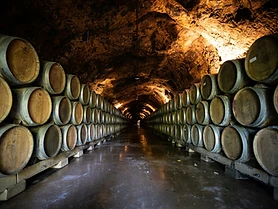
Haro's most traditional bodega — still racking wine by hand in century-old oak casks, in deep underground cellars. The 1910 tasting room is a time machine.
At a Glance
- — You don't like old, slow wines
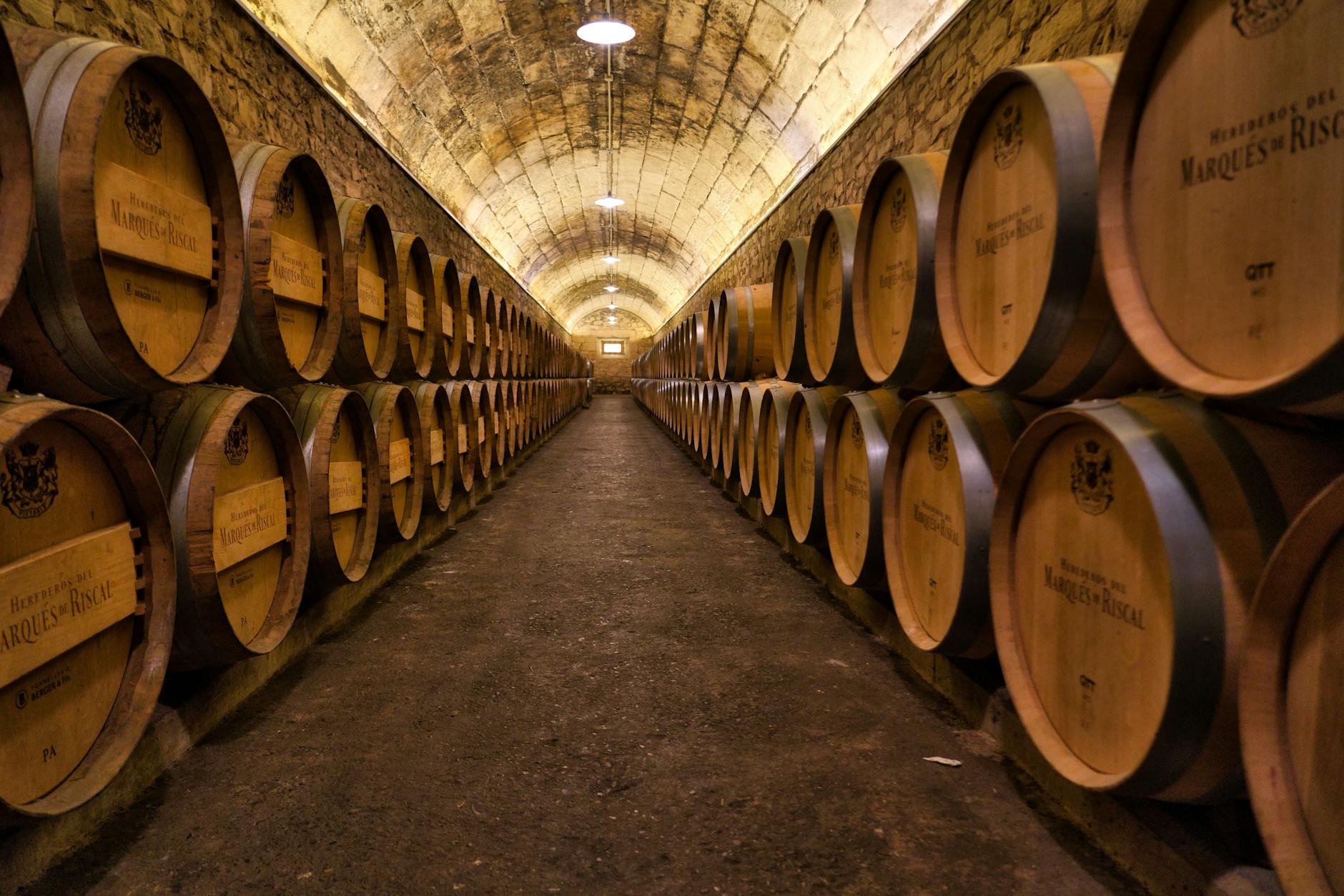
Deep beneath the cobblestones of Haro, wine evolves in silent, dark, and cavernous cellars where the smell of damp earth and century-old oak permeates the air. This is a sanctuary of tradition, where workers still rack wine by hand and the tasting room—a relic of 1910—feels like a preserved cabinet of curiosities. It is an unapologetic, time-stopped experience for those who value the slow, meticulous patience of long-aged Rioja gran reservas over the flash of modern design and stainless steel efficiency.
How it got here
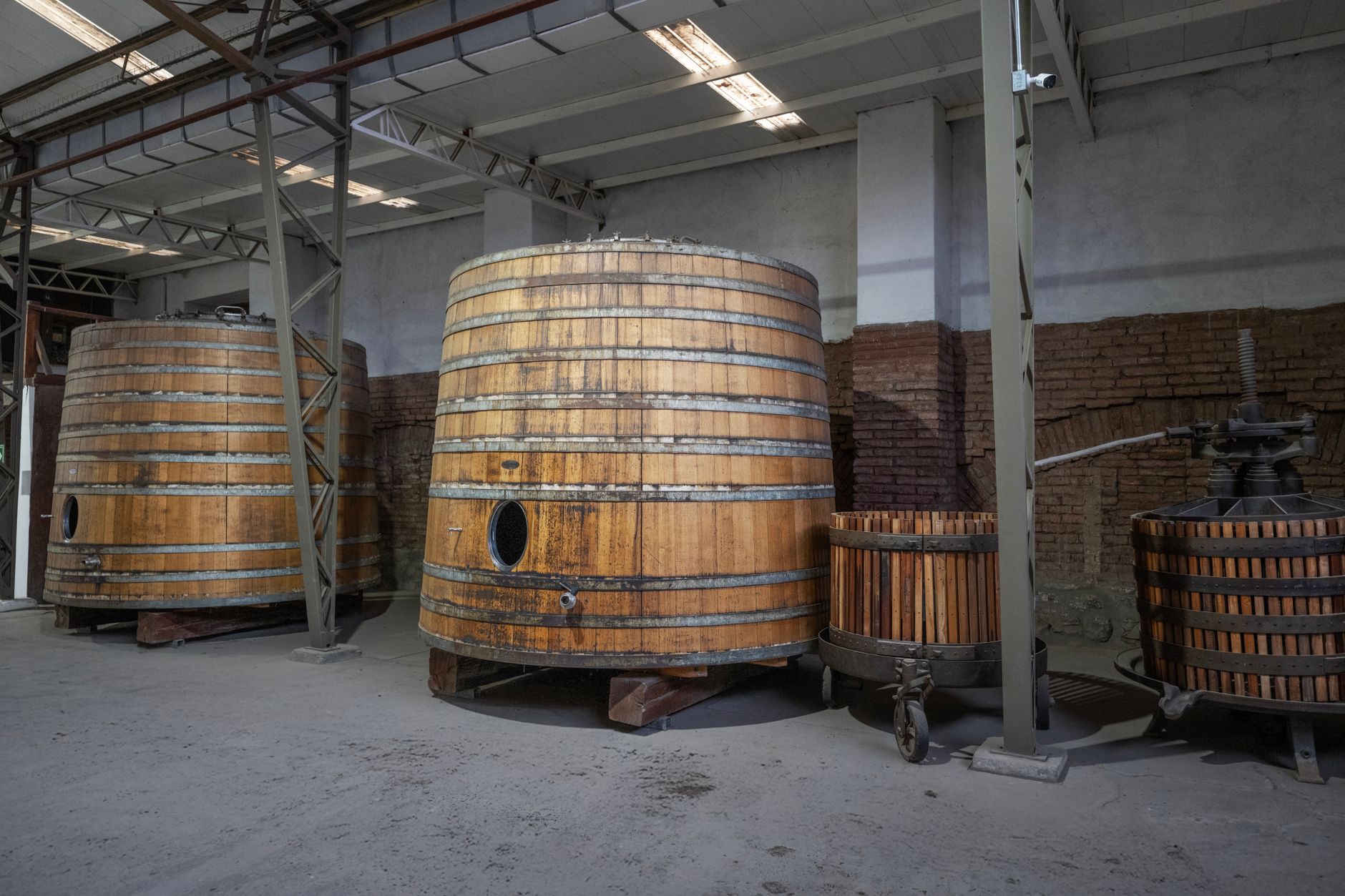
Rafael López de Heredia y Landeta founded this bodega in 1877 during the period when the French sought Rioja as a substitute for their own phylloxera-ravaged vines. The estate grew alongside the rail line that connected Haro to the port of Bilbao. While other producers adopted rapid fermentation and steel tanks to satisfy growing international demand during the twentieth century, the house maintained its nineteenth-century methods. Workers moved wine using gravity and racking cycles between wooden vats. This adherence to older practices left the cellar largely unchanged by the technical shifts that defined modern winemaking, preserving a specific style of aging wine that defines the house identity today.
Where it sits
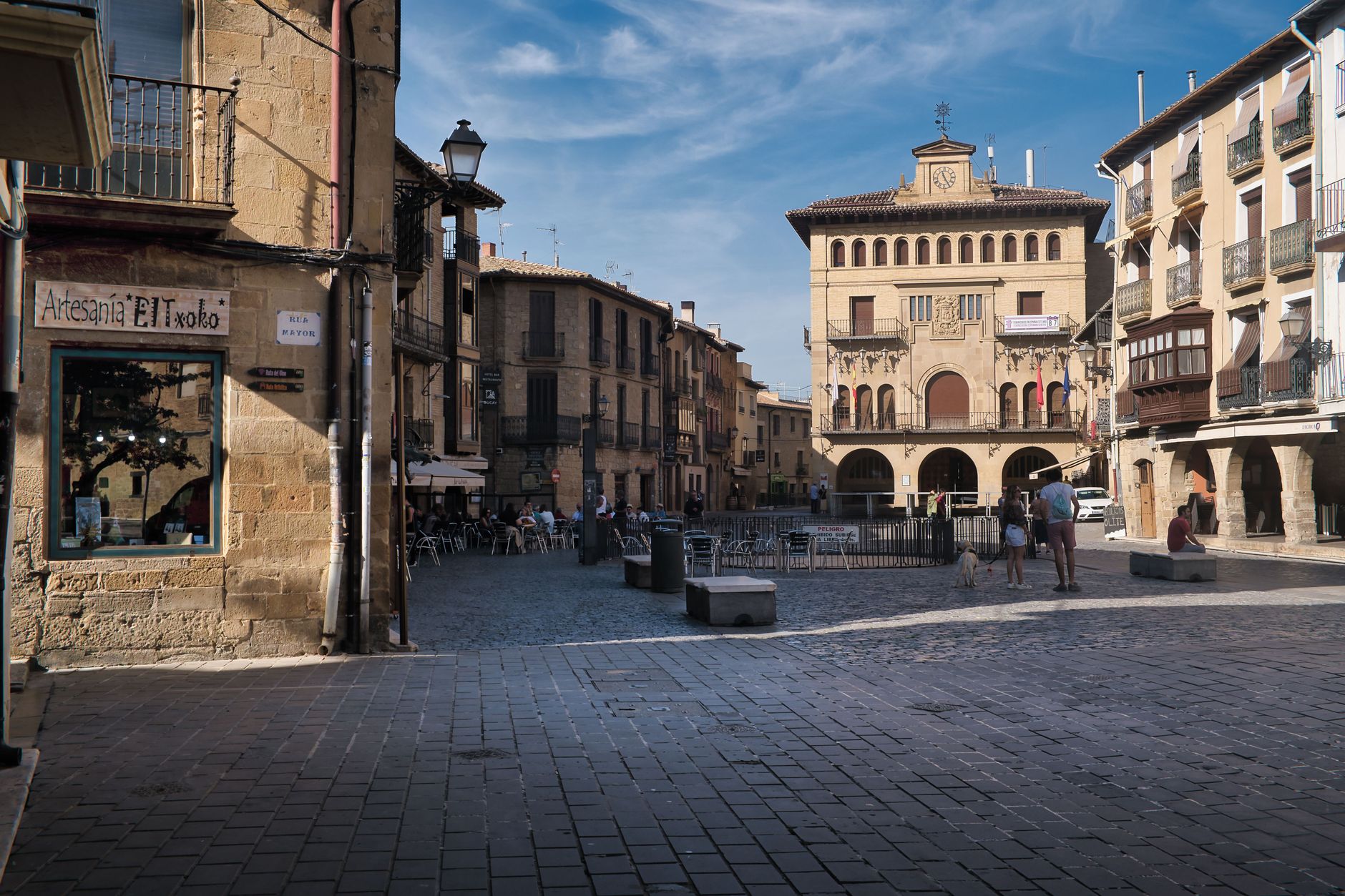
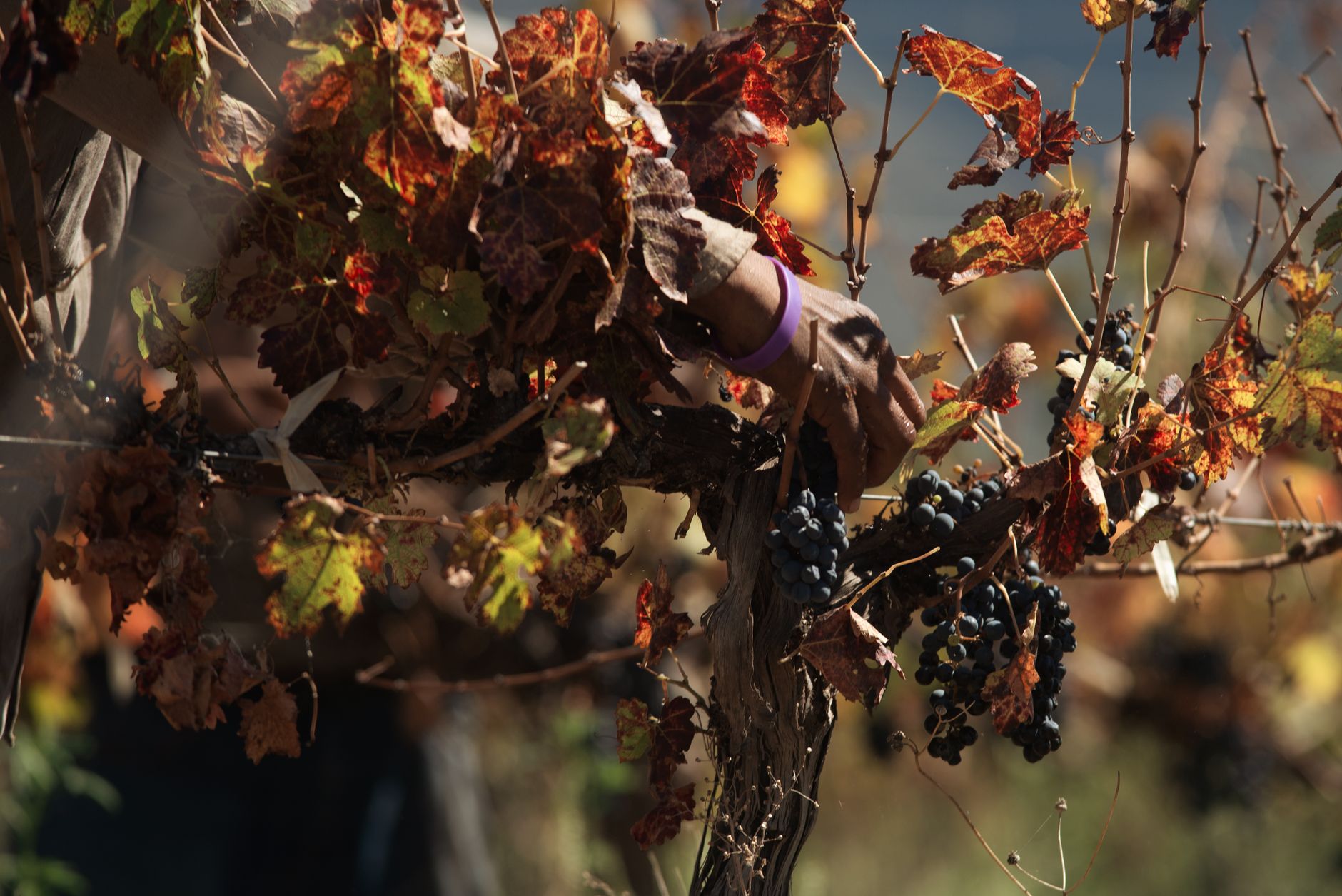
Haro sits at the western edge of La Rioja, where the Ebro River carves through the landscape before reaching the plains. Limestone ridges define the horizon to the north, separating the Ebro valley from the higher altitudes of the Cantabrian mountains. The climate shifts from cold, damp winters to dry, hot summers. Winds channel through the valley, drying the vines and cooling the evenings. The town retains a dense core of stone buildings, narrow alleys, and large cellars built to maintain stable temperatures throughout the year. The surrounding slopes support vineyards that produce grapes for the wider Rioja Alta designation.
What to eat and drink
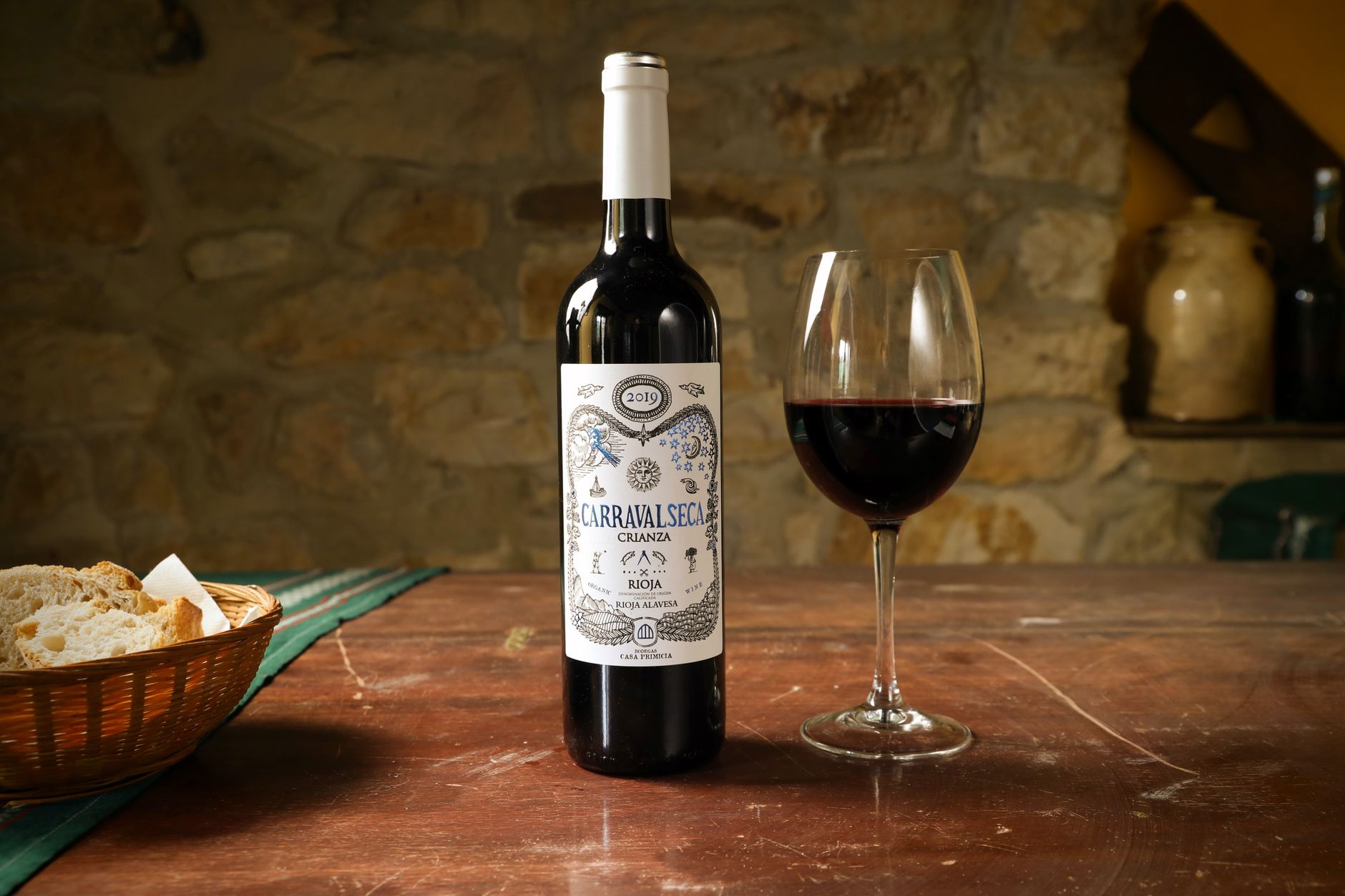
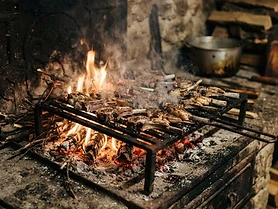
Rioja Alta demands rustic, fat-heavy preparations. Chorizo riojano, a firm, smoked pork sausage, pairs with the region’s long-aged red wines. Patatas a la riojana, a stew of potatoes, chorizo, and paprika, serves as a standard midday meal. Lamb plays a central role in the diet, often roasted over vine clippings in wood-fired ovens to crisp the skin. Small, sweet peppers known as pimientos del piquillo accompany salt cod or braised beef. The wine itself defines the drink of the region, specifically the gran reserva style which shows tertiary notes of leather, cedar, and dried fruit after years in barrel and bottle.
La Rioja: the whole region
One product, done better here than anywhere else in Spain: a wine region that fits inside a valley, vineyards running from the Ebro plain up into the Sierra de Cantabria, and every town on the road between Haro and Logroño involved in it.…
Minimum 3 days · better 4-5 days · deep 7 days

Pair It With


In La Rioja


In La Rioja


In La Rioja








Linked from elsewhere
Entries that name this place in their own nearby lists.
Logistics are verified only. We don't publish schedules we haven't confirmed.
Appears In
Ready to build R. López de Heredia into a trip?
You've found a place worth going. When you're ready to turn discovery into an itinerary, Travel Itinerary Co picks up where the Field Guide leaves off — with your saved places already in hand.
Build this into a tripContinues on Travel Itinerary Co
Spain Field Guide may earn a commission when you book through selected links. Recommendations are editorial and independent of commission.