Monasterio de Cañas
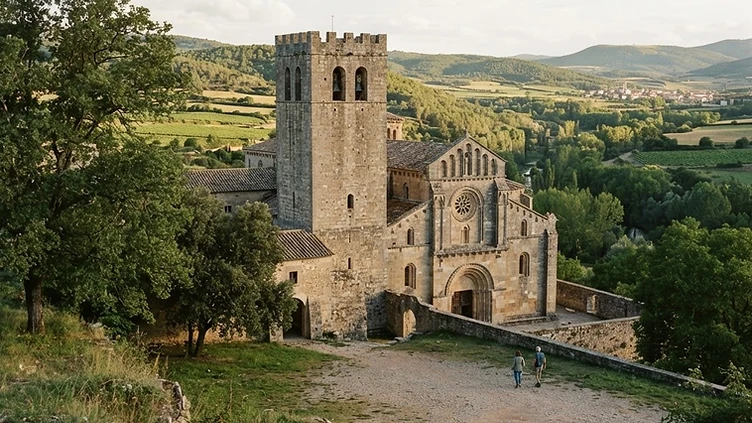
Two hours, and best combined with Nájera and San Millán. Buy the nuns' chocolates at the door — they are the abbey's living income.
A working Cistercian abbey with royal tombs in its church and a cloister almost nobody visits, five minutes from the Rioja Alta.
At a Glance
Santa María de Cañas was founded in 1169 and became a royal Cistercian abbey under the protection of the kings of Castile, who are buried in its church. The cloister, chapter house and refectory survive in Romanesque-Cistercian form, and a small community of nuns still lives here, making sweets and chocolates that are sold at the door. It is ten minutes off the main Rioja Alta road.
How it got here
Doña Tello founded the monastery in the twelfth century for Cistercian nuns. The community thrived under the patronage of the Castilian monarchy who chose the church as their final resting place. The architecture follows the strict Cistercian mandate for austerity and structural clarity. The chapter house and the refectory maintain the proportions defined by the early order. While the political power of the medieval monastic houses faded with the consolidation of the Spanish state, the site survived as a spiritual and structural witness to the influence of the order across the Rioja Alta. Today the church preserves the tombs of the founders and the royal line.
Where it sits
The valley lies between the Sierra de la Demanda and the Ebro River. Grain fields and rolling hills define the landscape of the Rioja Alta. Heavy winter mists roll off the nearby mountain ranges to cover the fields while summers bring dry heat to the valley floor. Travelers reach the monastery by narrow secondary roads that wind through small farming villages. The traffic remains thin throughout the year because the route stays away from the primary industrial hubs of the province. Silence persists around the limestone walls as the surrounding farmland maintains a quiet pace of seasonal cycles.
What to eat and drink
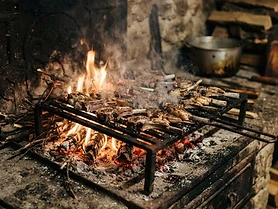
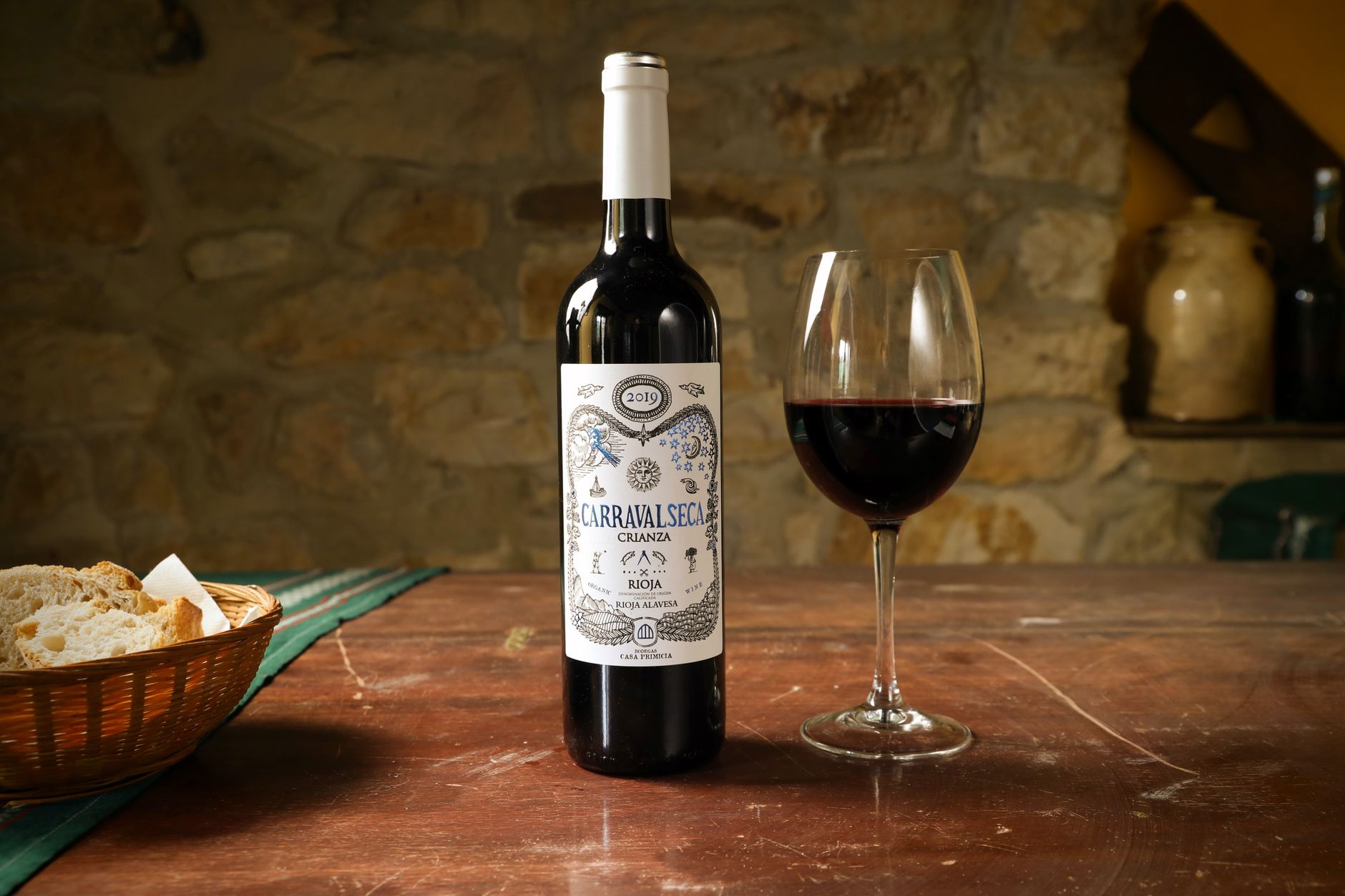
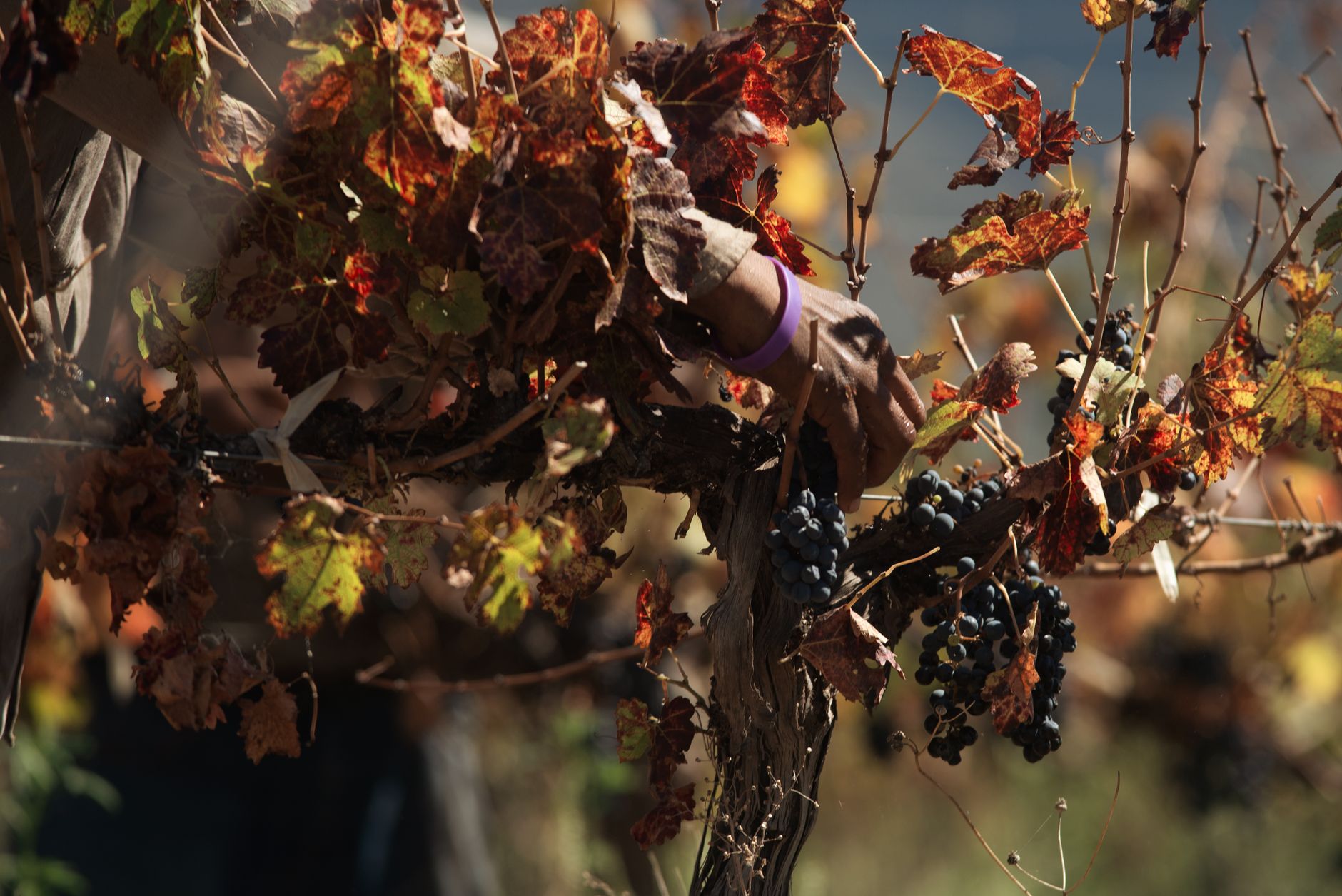
Rioja Alta produces dishes rooted in the garden and the flock. Menestra de verduras combines seasonal artichokes, asparagus, and peas stewed with bits of cured ham. Patatas a la riojana uses local potatoes simmered with chorizo and pimentón until the starch thickens the broth into a hearty meal. Lamb chops grilled over dried vine shoots gain a distinct wood smoke flavor from the prunings of the surrounding vineyards. A glass of Tempranillo, the primary grape of the local viticulture, accompanies the table. The red wine provides the acidity and tannin to balance the intensity of the pork and sheep fats.
La Rioja: the whole region
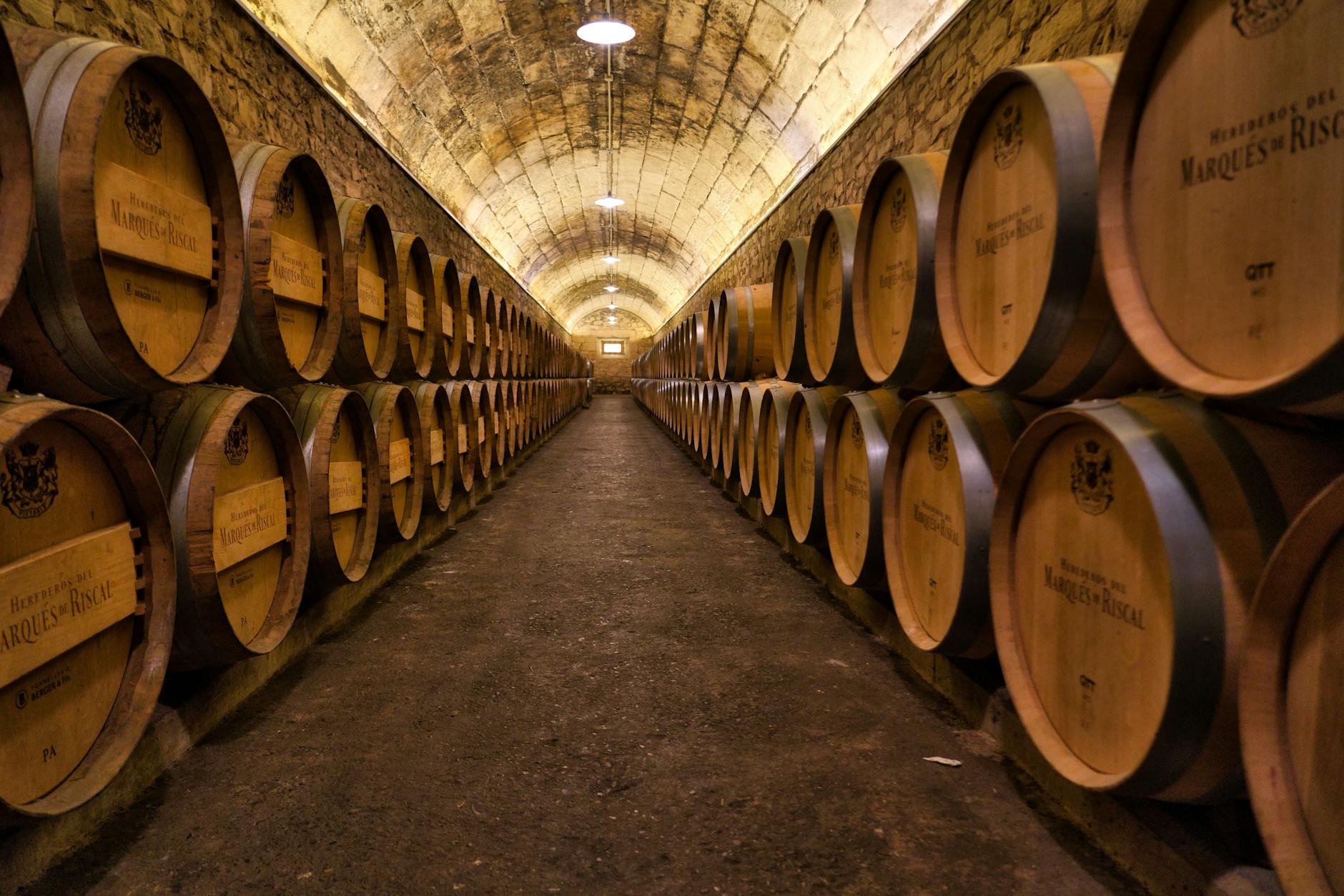
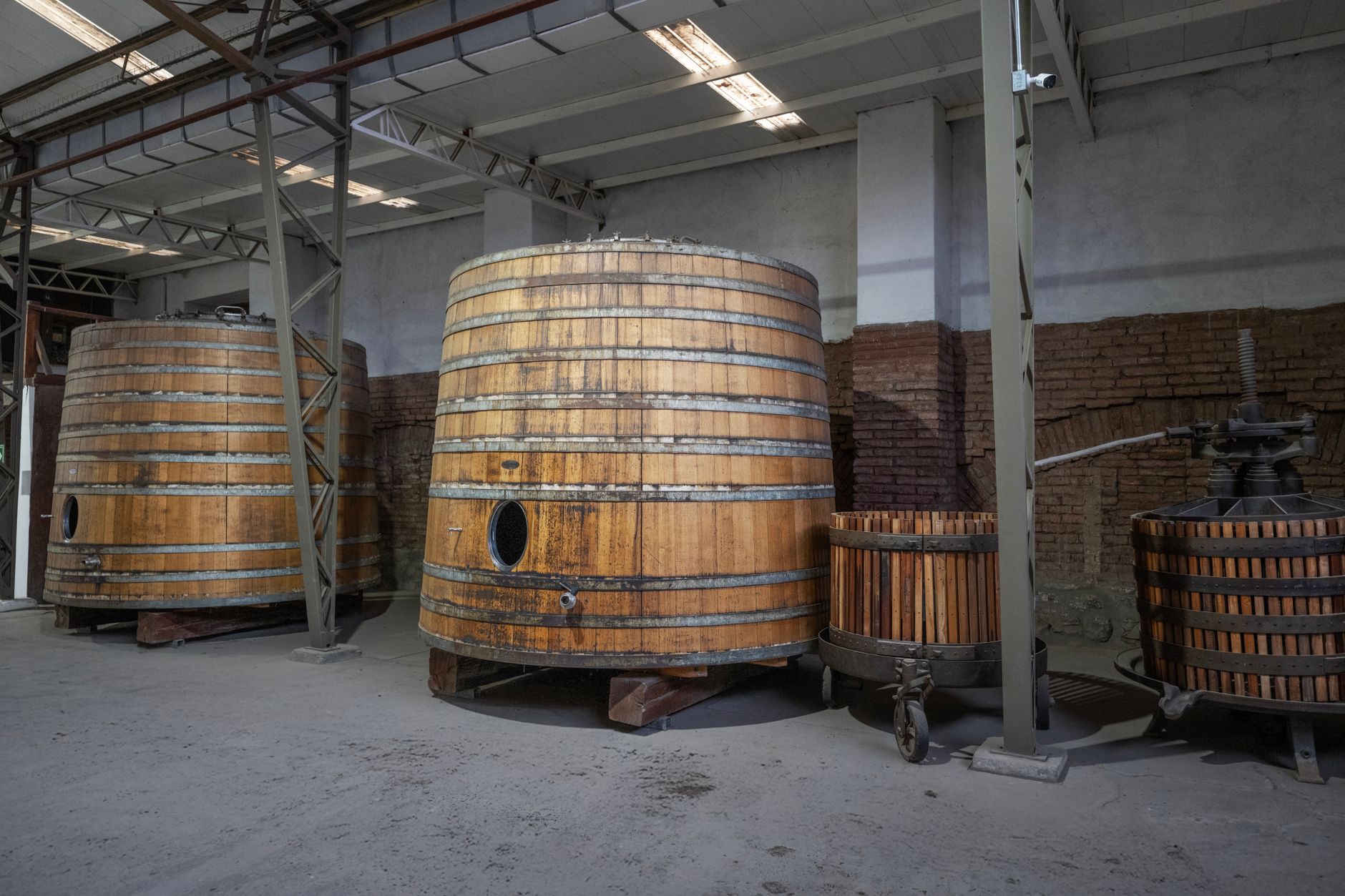
One product, done better here than anywhere else in Spain: a wine region that fits inside a valley, vineyards running from the Ebro plain up into the Sierra de Cantabria, and every town on the road between Haro and Logroño involved in it.…
Minimum 3 days · better 4-5 days · deep 7 days
In La Rioja


In La Rioja



In La Rioja







More monastery in La Rioja
Logistics are verified only. We don't publish schedules we haven't confirmed.
Ready to build Monasterio de Cañas into a trip?
You've found a place worth going. When you're ready to turn discovery into an itinerary, Travel Itinerary Co picks up where the Field Guide leaves off — with your saved places already in hand.
Build this into a tripContinues on Travel Itinerary Co
Spain Field Guide may earn a commission when you book through selected links. Recommendations are editorial and independent of commission.