Alfaro
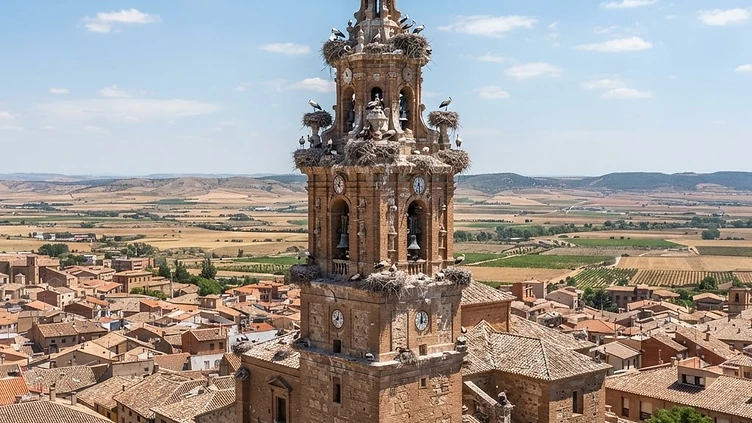
Worth two hours, and worth an overnight in spring to watch the birds at dusk.
A few hundred stork nests on one church roof, and a palm grove on the Ebro.
Rioja Oriental · Calahorra · Laguardia · Haro
At a Glance
Alfaro's Colegiata de San Miguel carries the largest colony of white storks in Europe — hundreds of nests on the roof, the towers and the neighbouring buildings, with birds coming and going over the town from February, when they arrive, to July, when the chicks fledge. Below the church, the Ebro runs past the only palm grove in La Rioja, a botanical oddity planted in the eighteenth century and now a protected reserve. The old town has a fine Plaza de España and a good market; it is a genuine stop rather than a detour, and the storks in February are spectacular.
How it got here
Graccurris emerged from the Roman settlement established by Tiberius Sempronius Gracchus in the second century BC upon the site of an earlier Celtiberian town called Ilurcis. This strategic position above the Ebro River allowed control over the fertile floodplains of the Ebro Valley. During the medieval period, the town changed hands between Christian and Muslim rulers during the Reconquista, eventually falling under the jurisdiction of the Kingdom of Castile. The current architecture of the Colegiata de San Miguel speaks to the wealth generated by the town during the seventeenth and eighteenth centuries, a time when agricultural productivity from the surrounding Rioja Baja ensured local prosperity.
Where it sits
The town occupies a low rise overlooking the Ebro River at the eastern edge of La Rioja. The surrounding landscape consists of extensive vineyards and vegetable plots that define the river valley. To the south, the terrain rises into the arid, rugged hills of the Sierras de Yerga. Summer temperatures often climb high due to the low elevation and the reflected heat from the riverbeds. By winter, the climate turns crisp and damp, while the presence of the stork colony brings a distinct character to the skyline from late winter through midsummer.
What to eat and drink
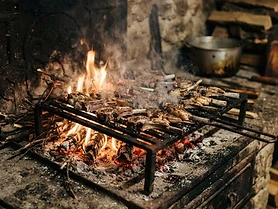
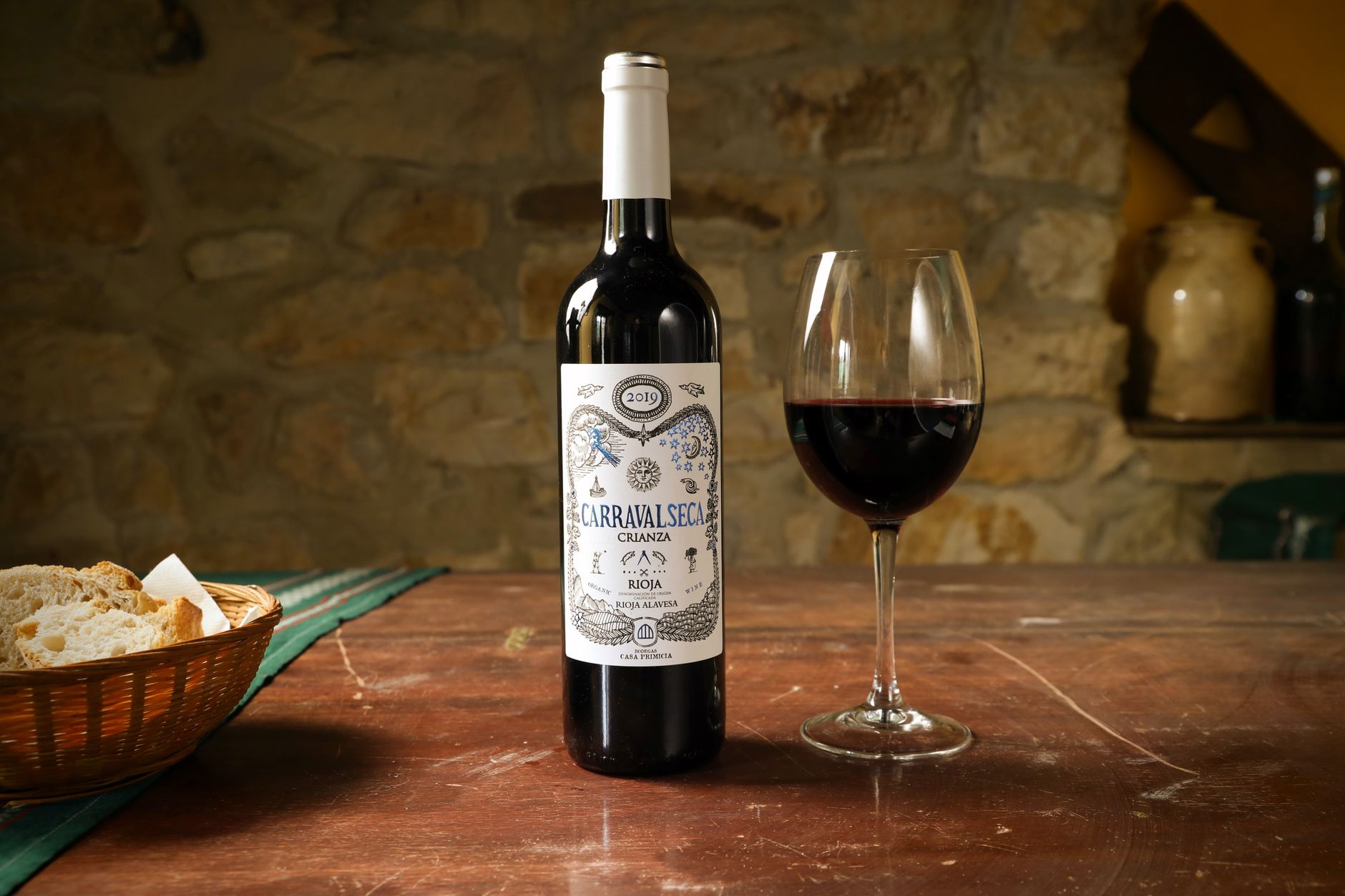
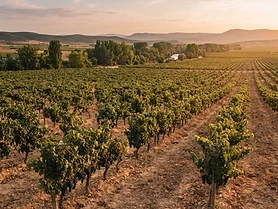
Rioja Baja produce drives the local kitchen, specifically the varied vegetables grown in the river silt. Menestra de verduras, a slow cooked medley of artichokes, asparagus, peas, and green beans, captures the harvest. The town sits within the Rioja wine denomination, and the local preference leans toward robust red wines based on the Tempranillo and Garnacha grapes. Chorizo riojano, seasoned with pimentón, appears in many stews, while fresh fruit from the surrounding orchards provides a standard end to most meals during the harvest season.
La Rioja: the whole region
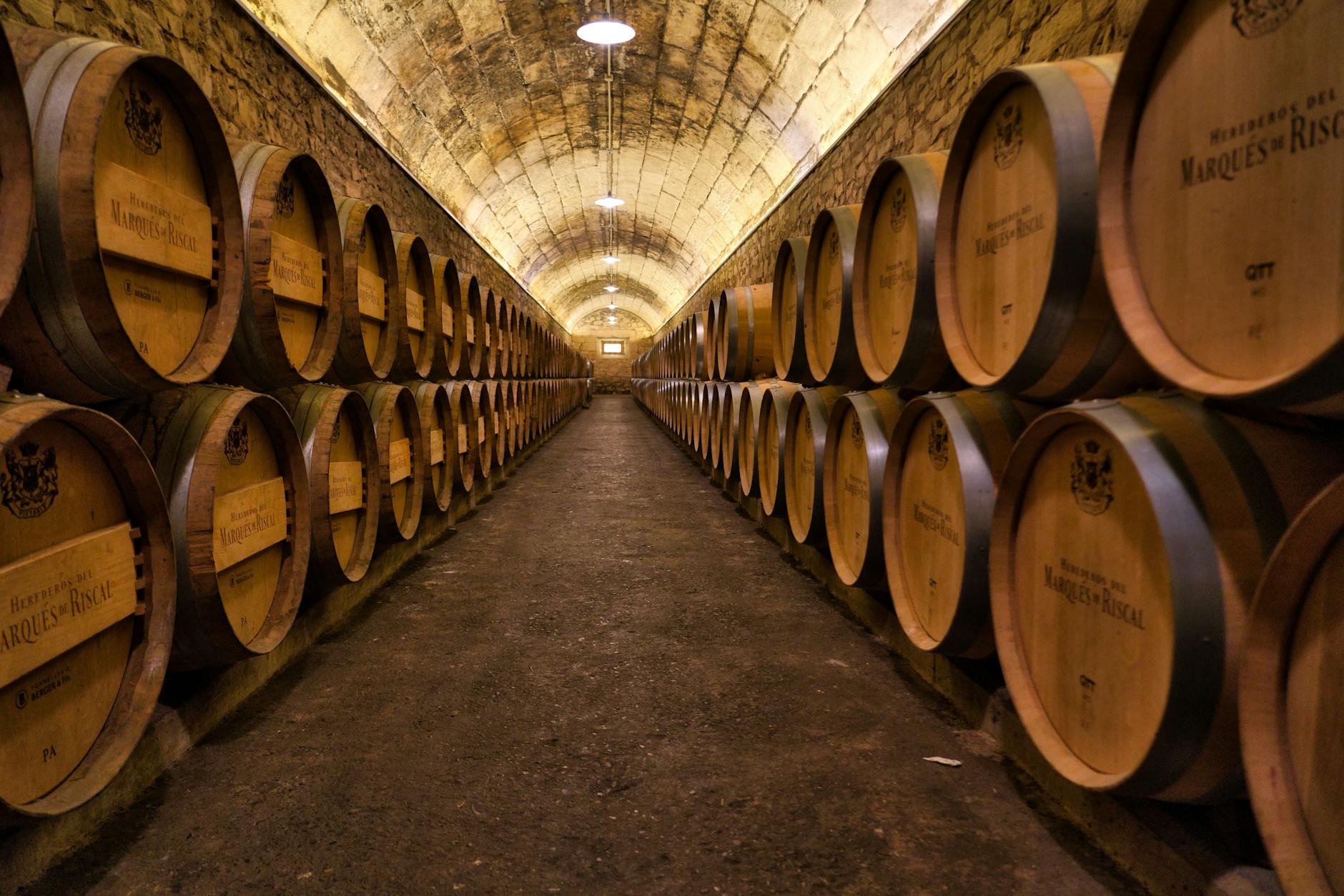
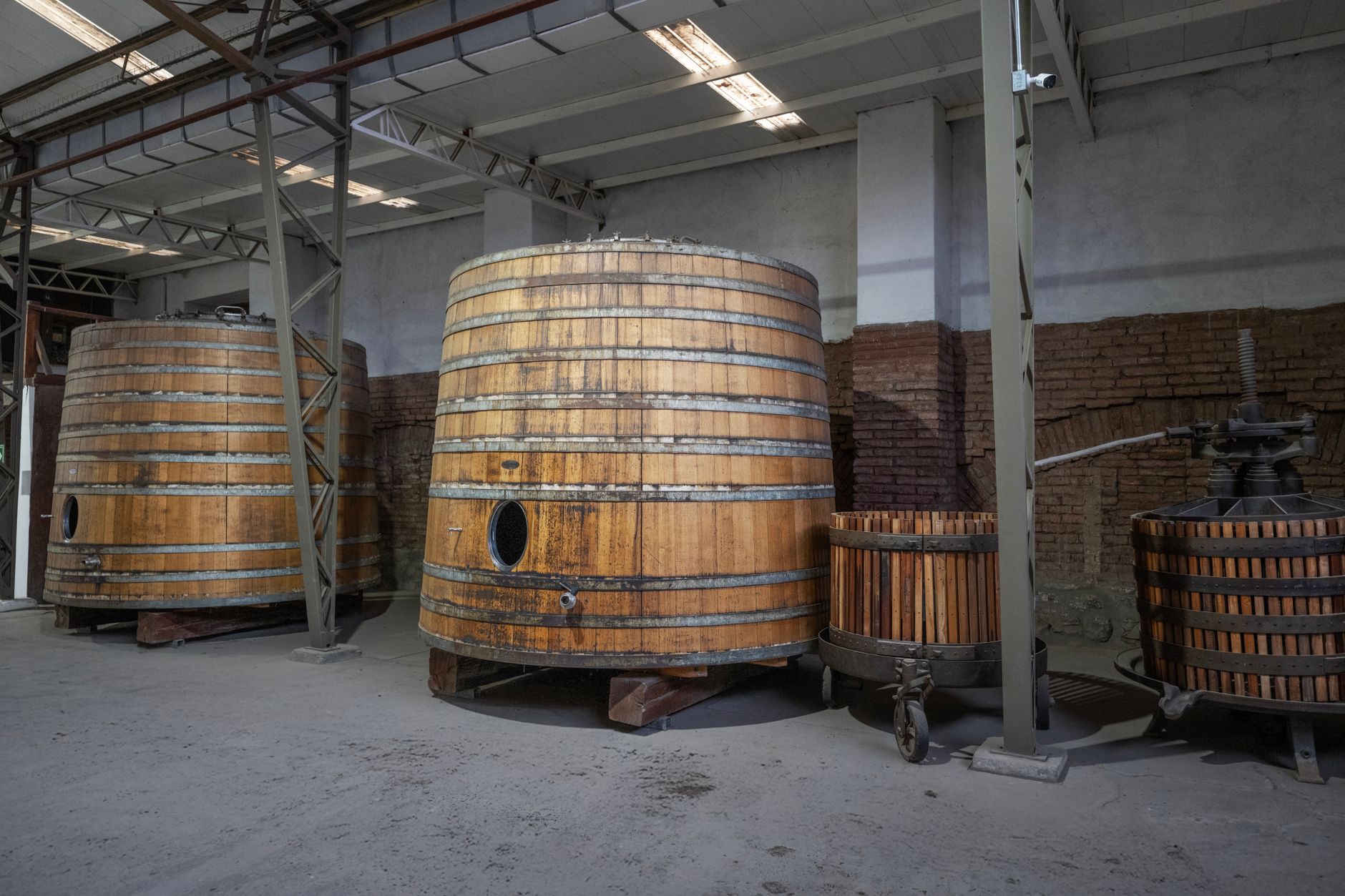
One product, done better here than anywhere else in Spain: a wine region that fits inside a valley, vineyards running from the Ebro plain up into the Sierra de Cantabria, and every town on the road between Haro and Logroño involved in it.…
Minimum 3 days · better 4-5 days · deep 7 days
In La Rioja


In La Rioja



In La Rioja






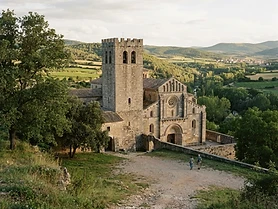

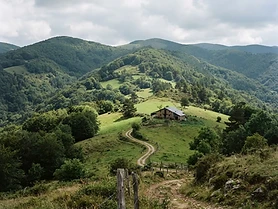

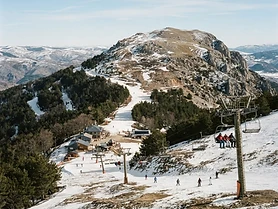
Other Worth a Detour in La Rioja




Logistics are verified only. We don't publish schedules we haven't confirmed.
Experiences worth booking ahead
Spain Field Guide may earn a commission when you book through selected links. Recommendations are editorial and independent of commission.
Ready to build Alfaro into a trip?
You've found a place worth going. When you're ready to turn discovery into an itinerary, Travel Itinerary Co picks up where the Field Guide leaves off — with your saved places already in hand.
Build this into a tripContinues on Travel Itinerary Co
Spain Field Guide may earn a commission when you book through selected links. Recommendations are editorial and independent of commission.