CVNE (Compañía Vinícola del Norte)

Take the Imperial tour for the underground cellar train. CVNE's modern Viña Real winery above Laguardia is the alternative if you're in Rioja Alavesa.
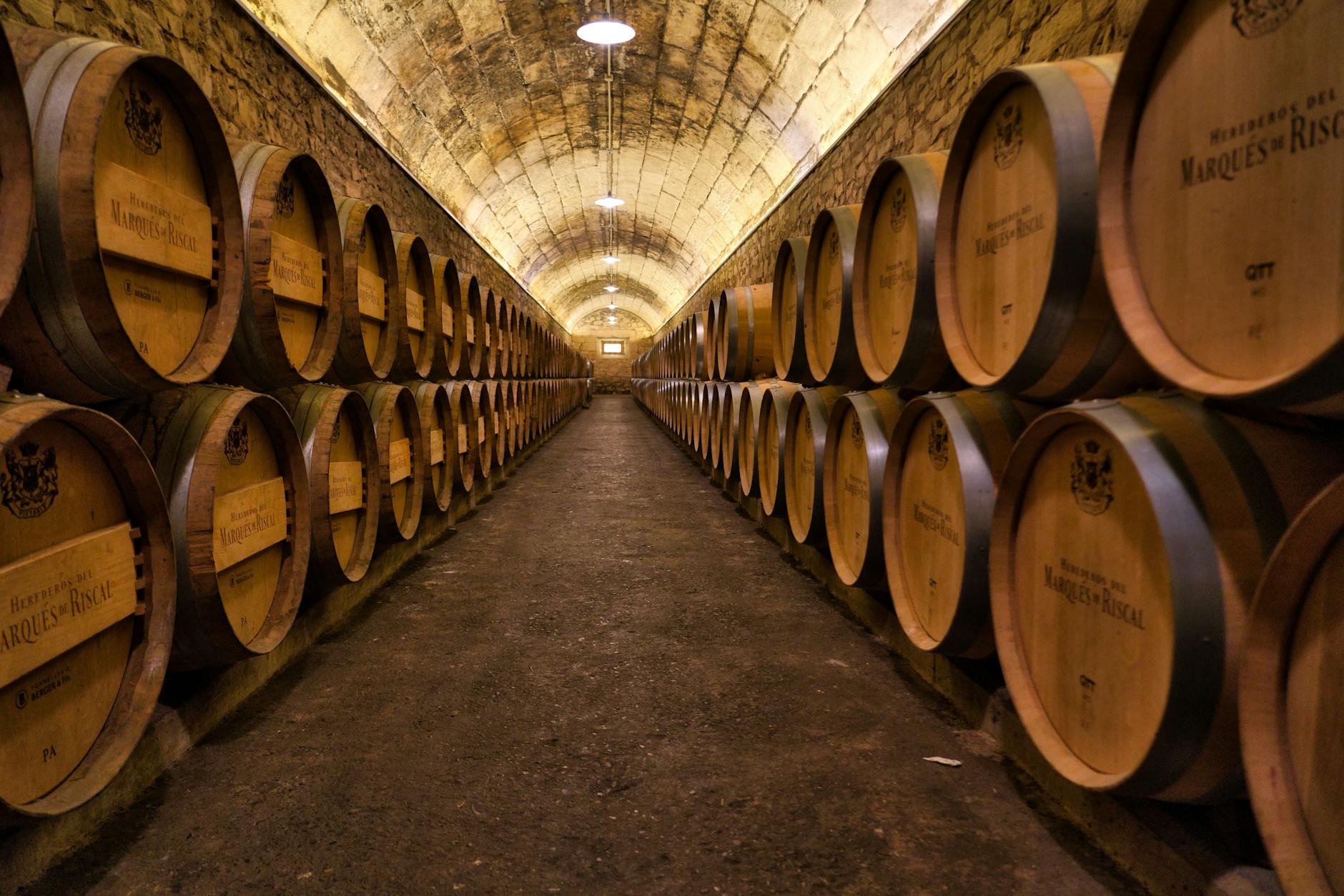
Cune, Imperial, and Viña Real — the 1879 Haro house whose Imperial Reserva is one of the most consistent traditional Riojas, and whose barrel cellars run for kilometers under the station quarter.
At a Glance
- — You only do one Haro winery — Muga is friendlier
Located in the bustling station district of Haro, this winery is a sprawling labyrinth of history, characterized by its deep, interconnected underground cellars. The estate is perhaps best known for its consistent Imperial Reserva, a wine that embodies the grace and longevity of traditional Rioja. During a visit, one can navigate the dim, echoing stone passages that have held bottles for well over a century. It offers a rare glimpse into the sheer scale of early twentieth-century viticulture, providing a sensory anchor for anyone seeking to understand the industrial evolution of Spanish wine.
How it got here
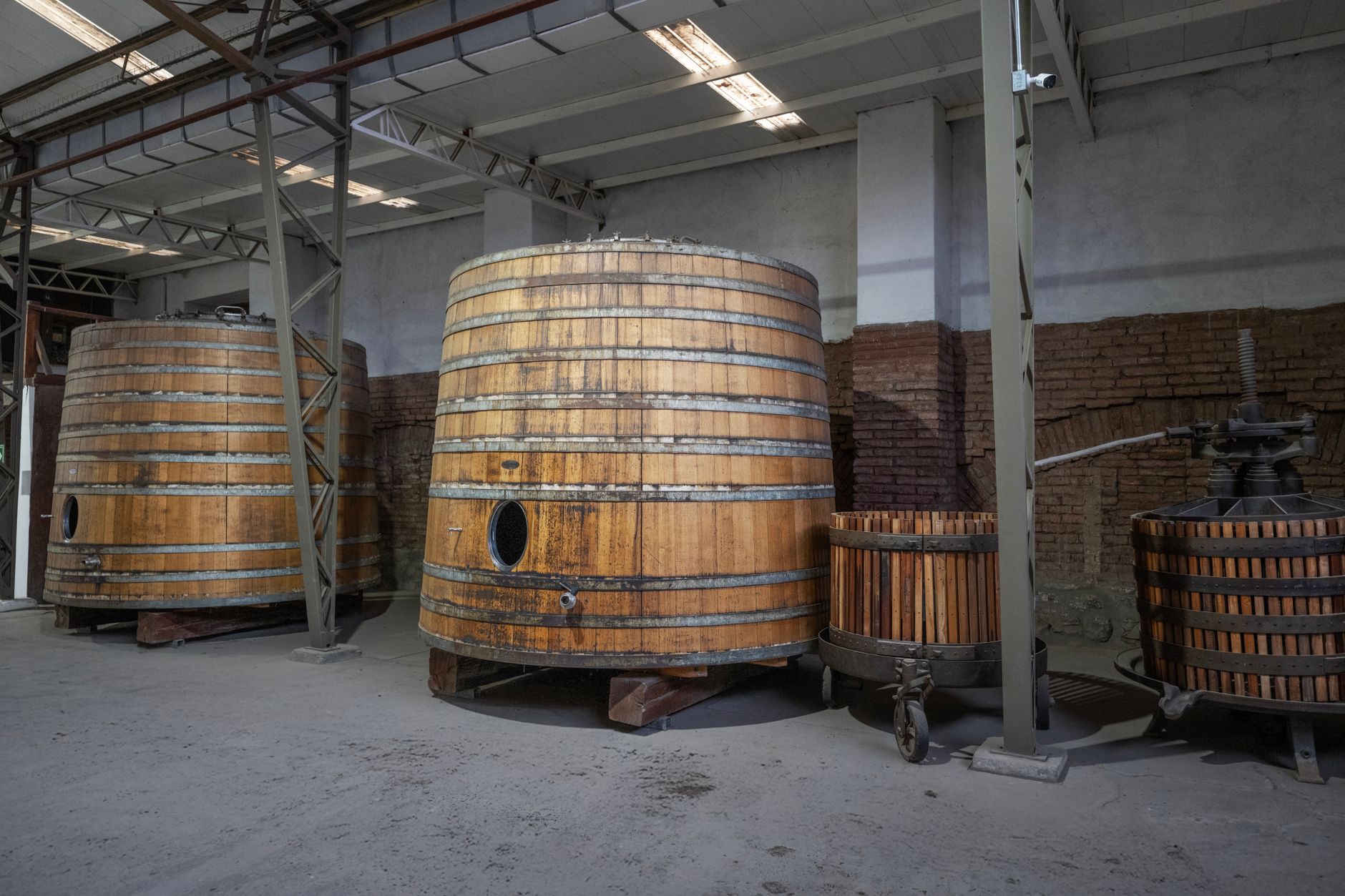
The Compañía Vinícola del Norte de España emerged in 1879 within the Haro station district. The arrival of the railway transformed the Ebro valley into a primary exporter for French merchants facing phylloxera in their own vineyards. This specific winery grew alongside the expansion of the Northern Railway, utilizing proximity to the tracks to distribute Rioja wine across international borders. The estate houses stone cellars constructed during the late nineteenth and early twentieth centuries, reflecting the sudden industrialization of viticulture in La Rioja. These subterranean passages trace the transition from small rural production to the commercial scale that defined the development of the broader Haro wine district.
Where it sits
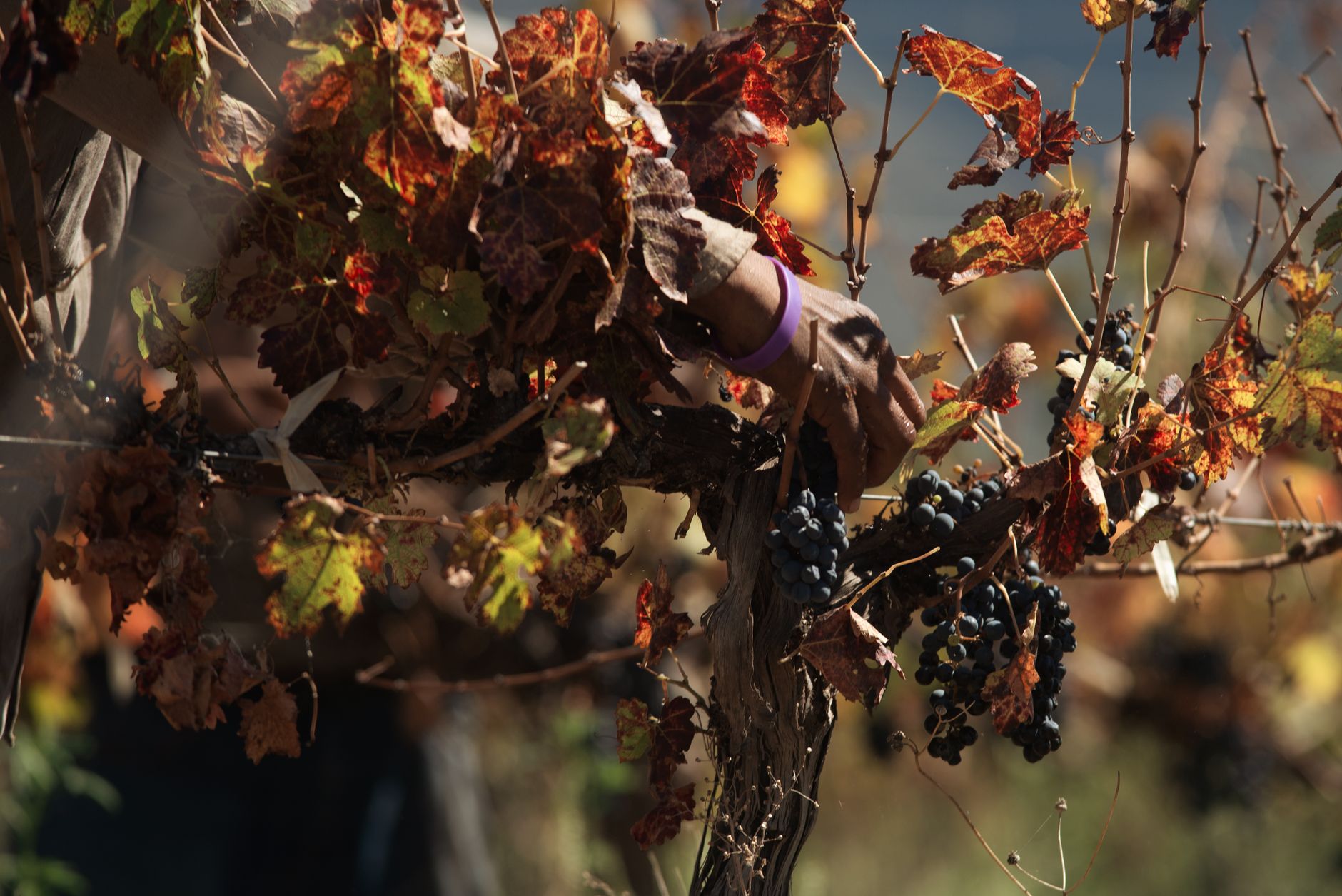
The station district sits at the edge of the town of Haro where the Ebro river winds through northern La Rioja. To the west, the Obarenes mountains protect the vineyards from the worst of the Atlantic weather. The landscape consists of rolling hills covered in vines that turn deep red in autumn and remain bare through the harsh winter months. Arrival by train follows the historic route once used to move barrels toward the ports of the north. Summer air stays dry while the evenings cool quickly against the limestone geology, providing the climate necessary for the maturation of Tempranillo grapes.
What to eat and drink
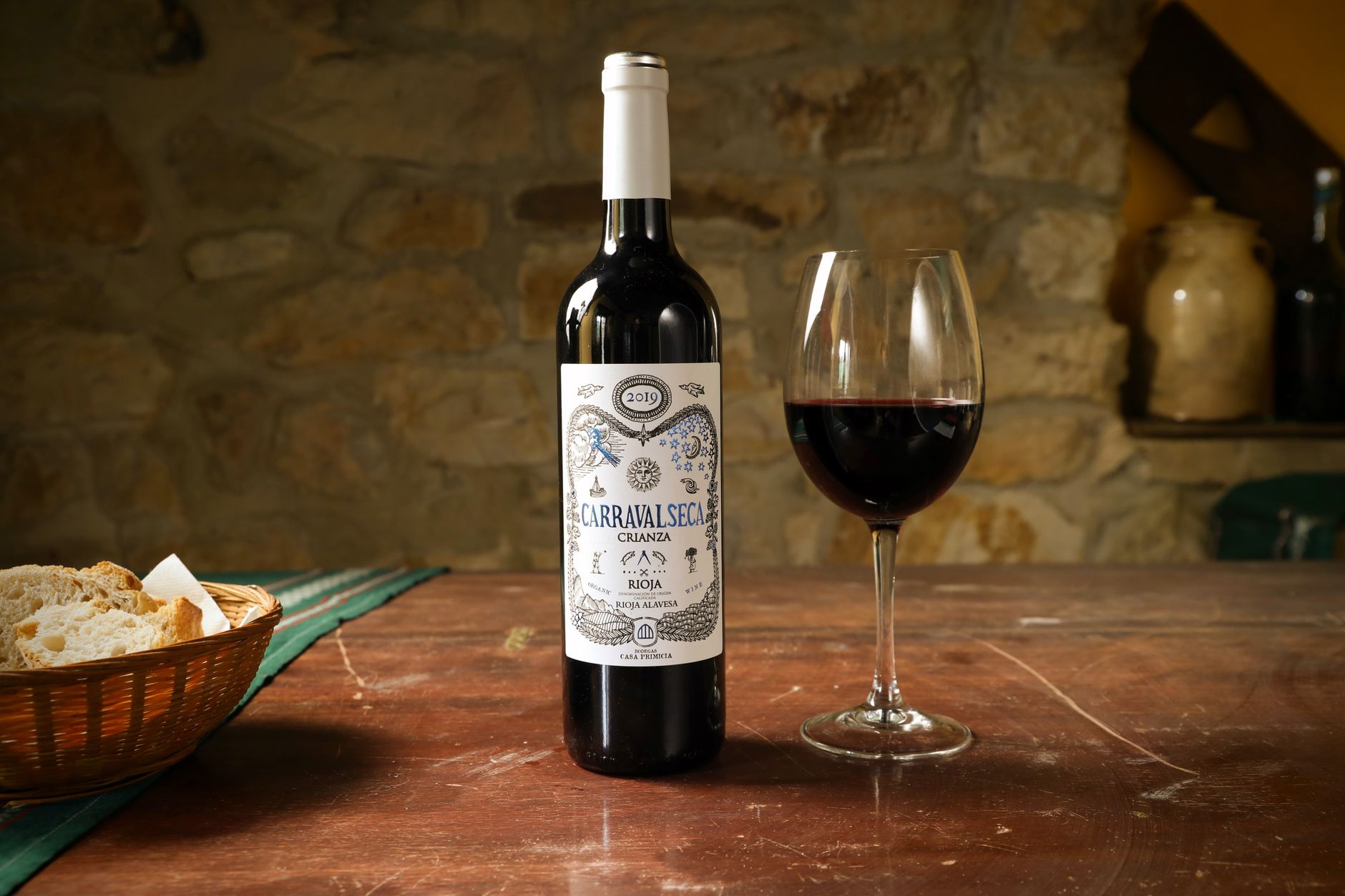
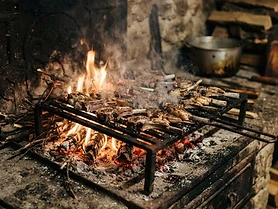
Rioja is the country of lamb and peppers. Chuletillas de cordero, young lamb chops grilled over dried vine shoots, define the flavor of the region. Pimientos del piquillo, small red peppers roasted and served in oil with garlic, provide a sharp contrast to the fat of the meat. Patatas a la riojana, a stew of potatoes, chorizo, and onion, serves as the standard local comfort food. The wine here stays firmly in the tradition of long barrel aging, favoring the structure of Tempranillo grapes blended with Garnacha and Mazuelo to produce bottles that lose their primary fruit for the tertiary notes of leather and spice.
La Rioja: the whole region
One product, done better here than anywhere else in Spain: a wine region that fits inside a valley, vineyards running from the Ebro plain up into the Sierra de Cantabria, and every town on the road between Haro and Logroño involved in it.…
Minimum 3 days · better 4-5 days · deep 7 days
Pair It With


In La Rioja


In La Rioja
In La Rioja








Linked from elsewhere
Entries that name this place in their own nearby lists.
Logistics are verified only. We don't publish schedules we haven't confirmed.
Ready to build CVNE (Compañía Vinícola del Norte) into a trip?
You've found a place worth going. When you're ready to turn discovery into an itinerary, Travel Itinerary Co picks up where the Field Guide leaves off — with your saved places already in hand.
Build this into a tripContinues on Travel Itinerary Co
Spain Field Guide may earn a commission when you book through selected links. Recommendations are editorial and independent of commission.