Monasterios de San Millán (Yuso y Suso)
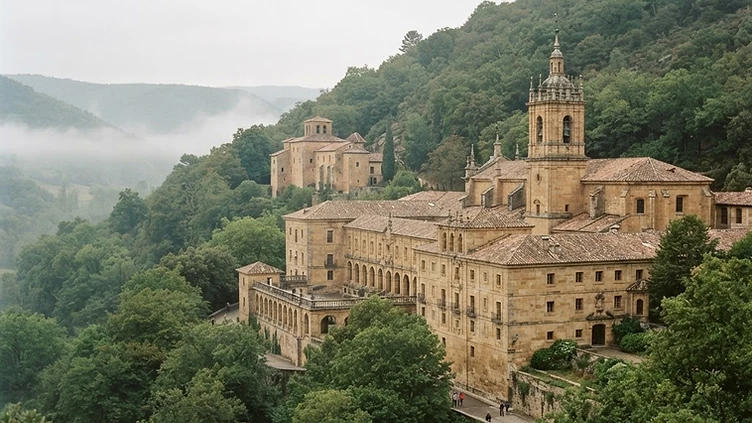
Worth a special trip for anyone interested in language history — this is where written Spanish effectively begins.
The monasteries hold the earliest known written glosses in Castilian, making this a genuine origin point for the language, set in a peaceful Rioja valley.
At a Glance
- — not interested in linguistic history
- — seeking dramatic architecture
- — short on time in La Rioja
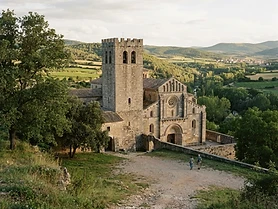
Set in a tranquil valley in La Rioja, these two monasteries, Suso and Yuso, mark the birthplace of the written Spanish language. It was here that medieval scribes first recorded the glosses that would evolve into modern Castilian, making the site an essential touchstone for linguistic history. The valley itself is peaceful and green, offering a reflective space that feels far removed from the bustle of the modern world.
How it got here
Saint Millán retired to these caves in the sixth century, drawing followers who formed a monastic community. The site holds the Glosas Emilianenses, marginal notes in the margins of Latin manuscripts that provide the earliest known examples of the transition from late Latin to the romance dialects of Castilian and Basque. In the eleventh century, the king of Navarre ordered the construction of the lower monastery at Yuso to house the remains of the saint. The site served as a scriptorium where monks copied texts for centuries, preserving the language and literature of the Iberian Peninsula while the surrounding region shifted between Christian and Muslim control.
Where it sits
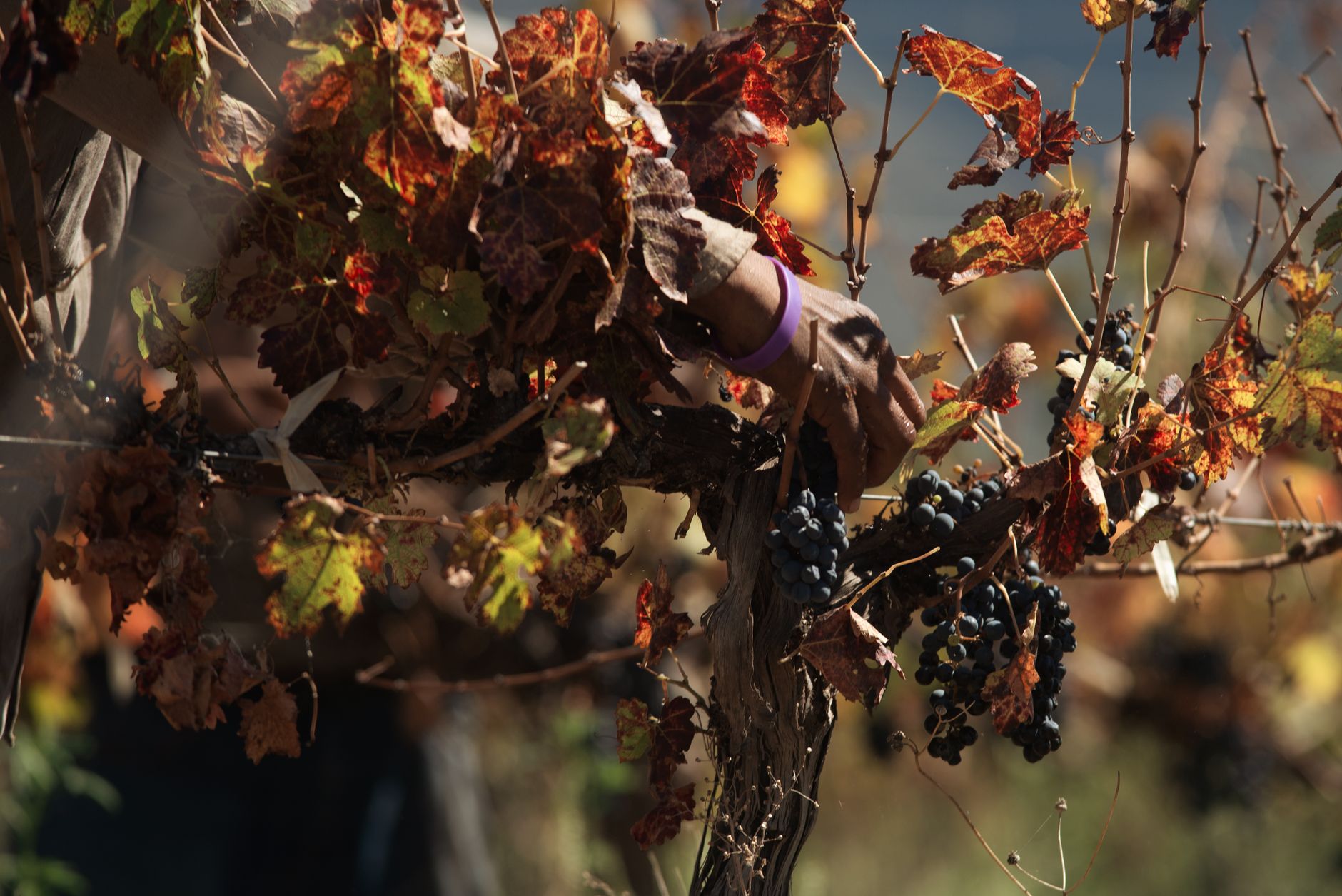
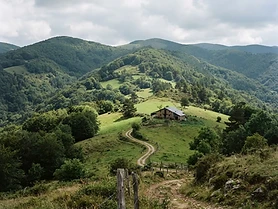
The Cárdenas valley cradles these monasteries beneath the Sierra de la Demanda. Thick forests of beech and oak cover the hillsides, turning red and gold when the autumn rains arrive. In winter, fog often settles along the riverbanks, coating the stone walls of Yuso in frost. The road climbs from the Ebro plain, winding through agricultural plots before the valley narrows into silence. Travelers pass through the village of San Millán de la Cogolla, where the pace slows to match the rhythm of the mountain weather. The air remains cool even during the heat of July.
What to eat and drink
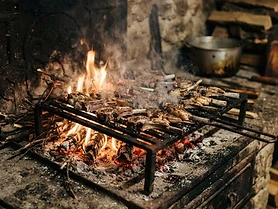
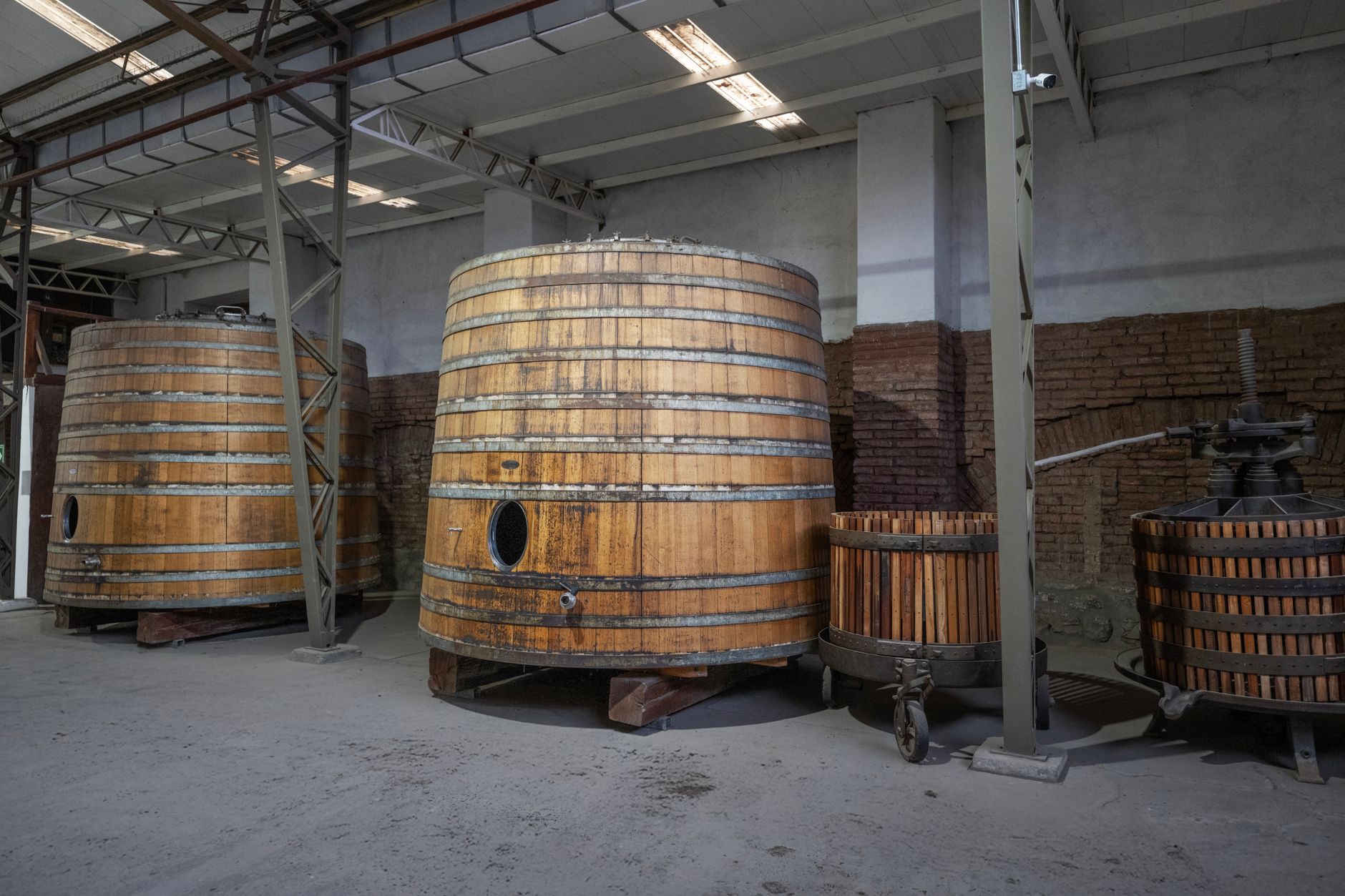
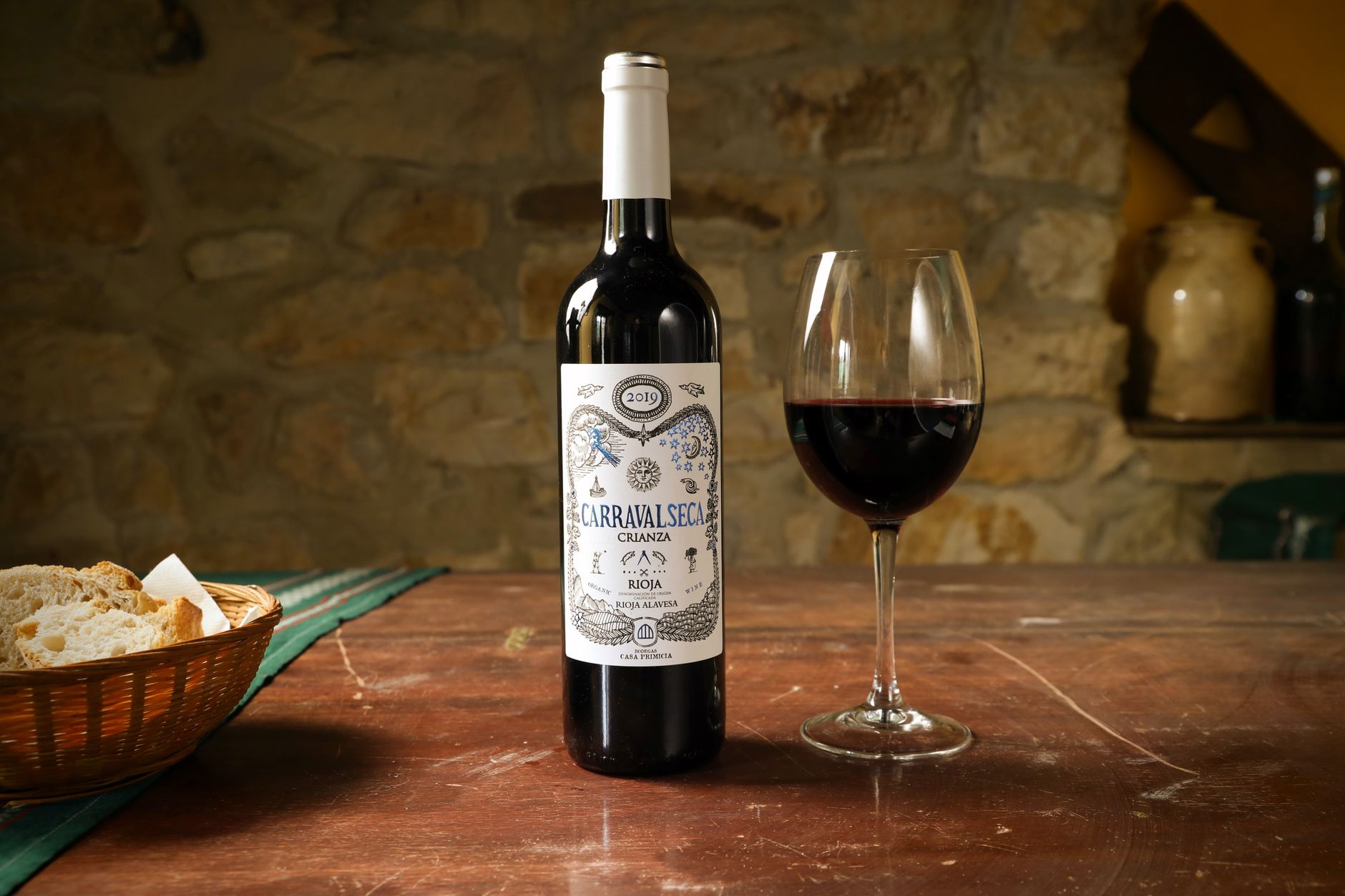
The valley relies on the produce of the upper Rioja. Pochas, white beans stewed with chorizo and peppers, provide the heavy meal needed for cold days. The region produces cordero asado, milk-fed lamb roasted in wood-fired ovens until the skin crisps. For dessert, local pears cooked in red wine from the nearby vineyards appear on tables throughout the year. Diners pair these meals with young Rioja wines, which show the bright acidity of the tempranillo grape grown on the slopes below the mountains. Small quantities of local honey and mountain cheeses round out the basic fare of the valley.
La Rioja: the whole region
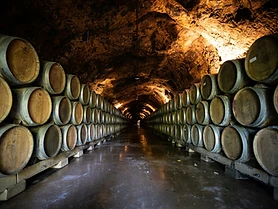
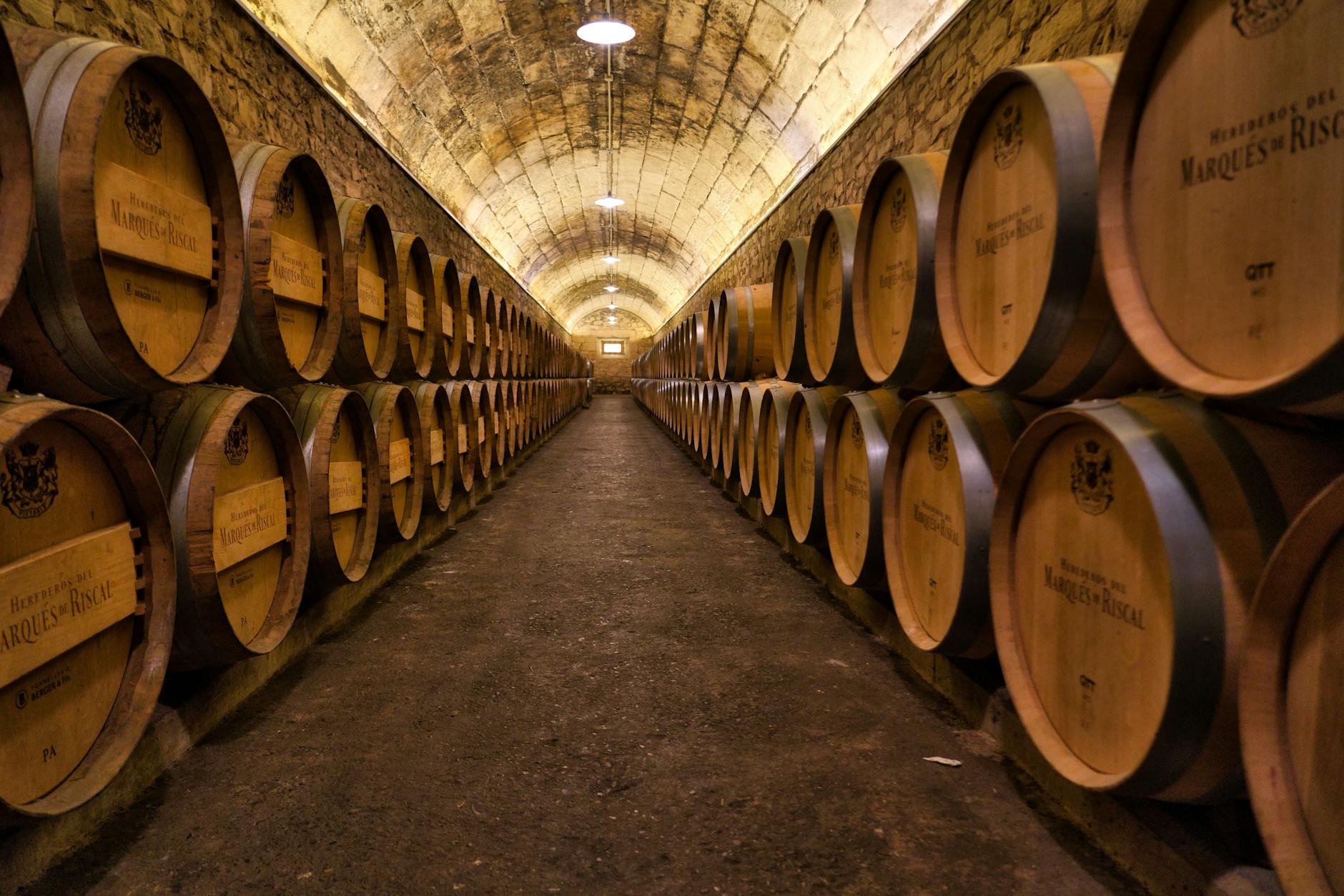
One product, done better here than anywhere else in Spain: a wine region that fits inside a valley, vineyards running from the Ebro plain up into the Sierra de Cantabria, and every town on the road between Haro and Logroño involved in it.…
Minimum 3 days · better 4-5 days · deep 7 days


In La Rioja


In La Rioja



In La Rioja







Logistics are verified only. We don't publish schedules we haven't confirmed.
Appears In
Ready to build Monasterios de San Millán (Yuso y Suso) into a trip?
You've found a place worth going. When you're ready to turn discovery into an itinerary, Travel Itinerary Co picks up where the Field Guide leaves off — with your saved places already in hand.
Build this into a tripContinues on Travel Itinerary Co
Spain Field Guide may earn a commission when you book through selected links. Recommendations are editorial and independent of commission.