Haro
The practical base for touring the big-name Rioja wineries. The Haro Wine Battle in June is a spectacle.
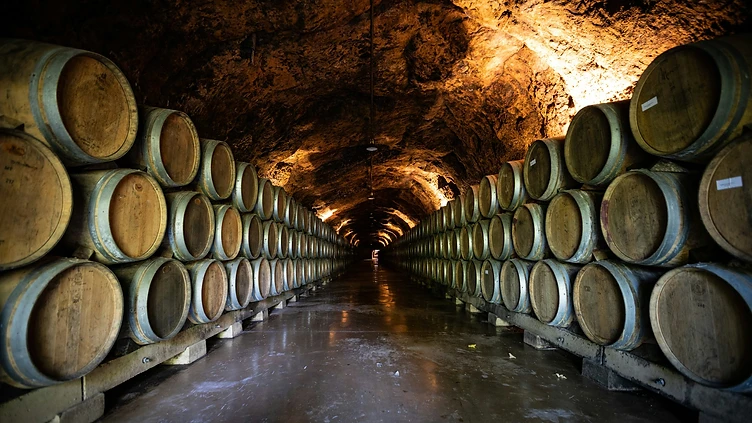
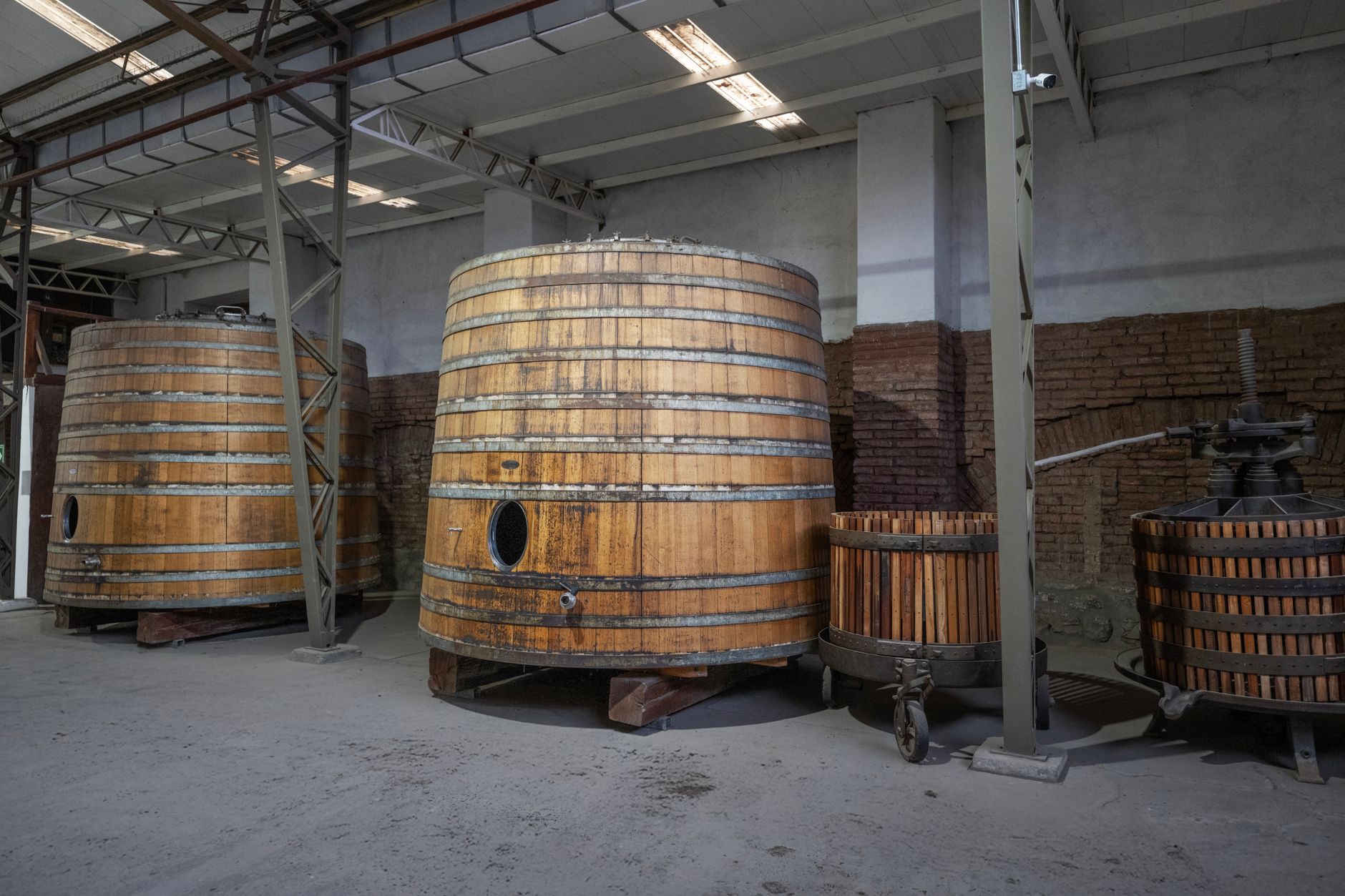
The 'capital of Rioja wine' — the station neighborhood holds the highest concentration of century-old bodegas in Spain.
Batalla del Vino de Haro · CVNE (Compañía Vinícola del Norte) · Bodegas Muga · Bodegas La Rioja Alta
At a Glance
- — You're not touring the major Rioja bodegas
The undisputed capital of the region's wine industry, this town centers on the Barrio de la Estación, where century-old bodegas sit side by side along the tracks. It is a functional, unpretentious place that acts as the primary hub for those intent on visiting the grand, historic producers of La Rioja. In June, the town square and surrounding hills transform into a chaotic, purple-stained theater during the annual wine battle, an event of pure, soaked revelry.
How it got here
Haro gained prominence in the thirteenth century when Alfonso X of Castile granted the town a charter. Its development tied closely to the shifting borders of the Rioja region between the kingdoms of Castile and Navarre. By the eighteenth century the proximity of the Ebro river facilitated the transport of wine, prompting the construction of the railway line that defined the town. The arrival of the French traders in the late nineteenth century, fleeing the phylloxera epidemic in their own vineyards, transformed the local wine industry into an international enterprise. This industrial shift cemented the town as the primary shipping point for regional production.
Where it sits
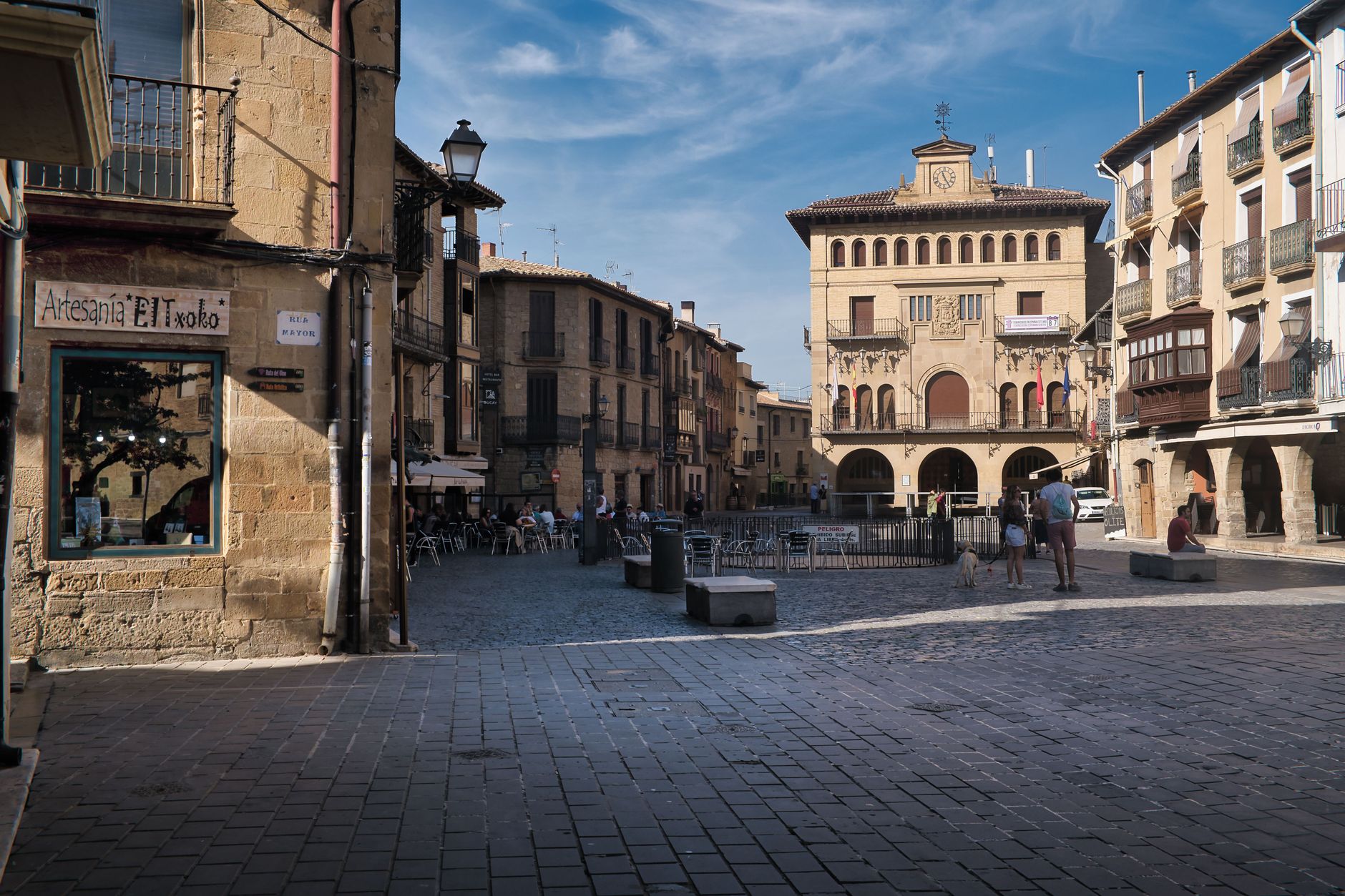
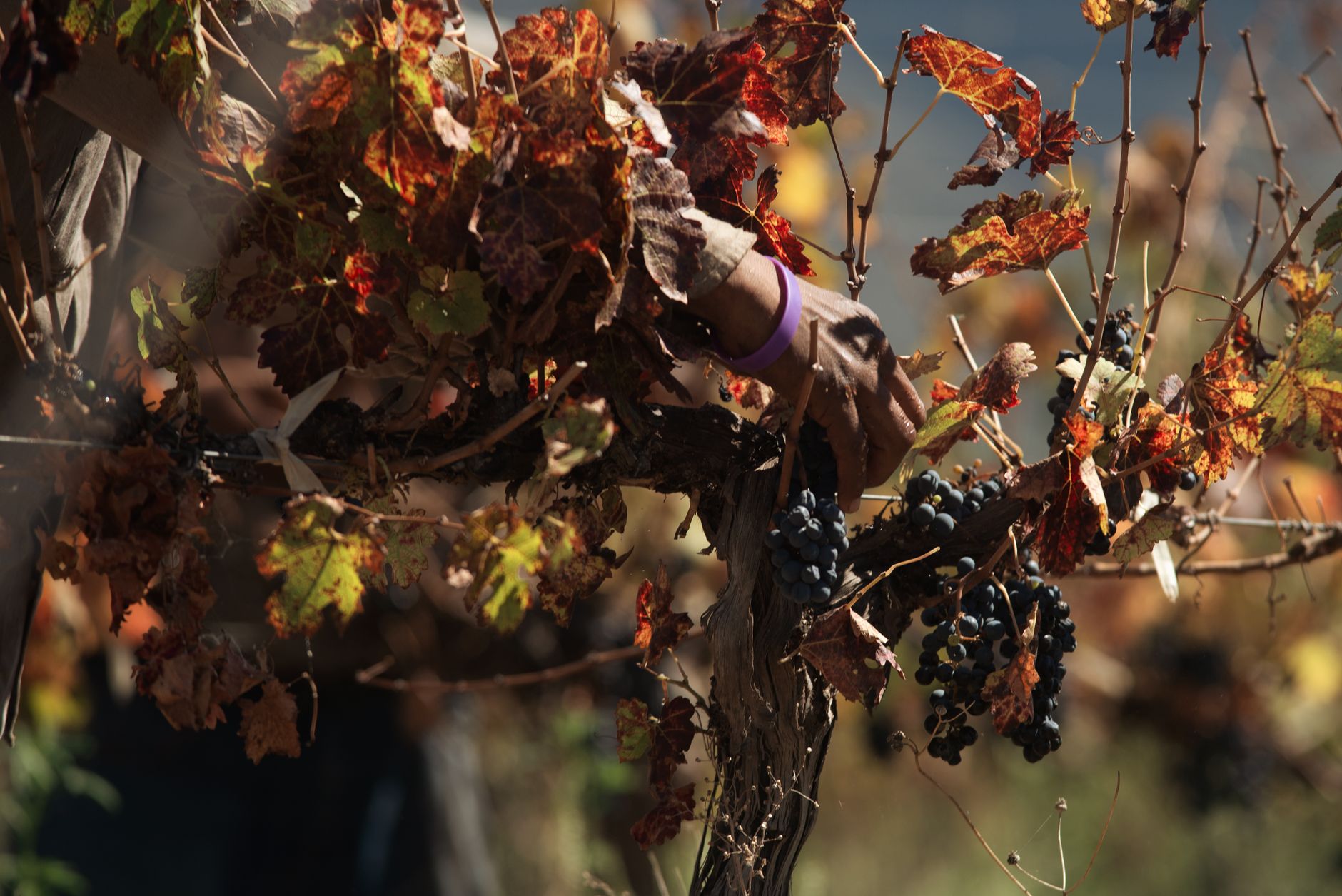
The town sits on a hill overlooking the confluence of the Tirón and Ebro rivers, surrounded by the clay and limestone slopes of the Rioja Alta. The Sierra de Cantabria looms to the north, blocking the harsh winds and creating the specific microclimate necessary for viticulture. Access comes via the Ebro valley, moving through an landscape dominated by endless vine rows that turn golden in autumn and stark green in spring. During the summer, the valley heat intensifies, though the evenings stay tempered by the influence of the nearby mountains.
What to eat and drink
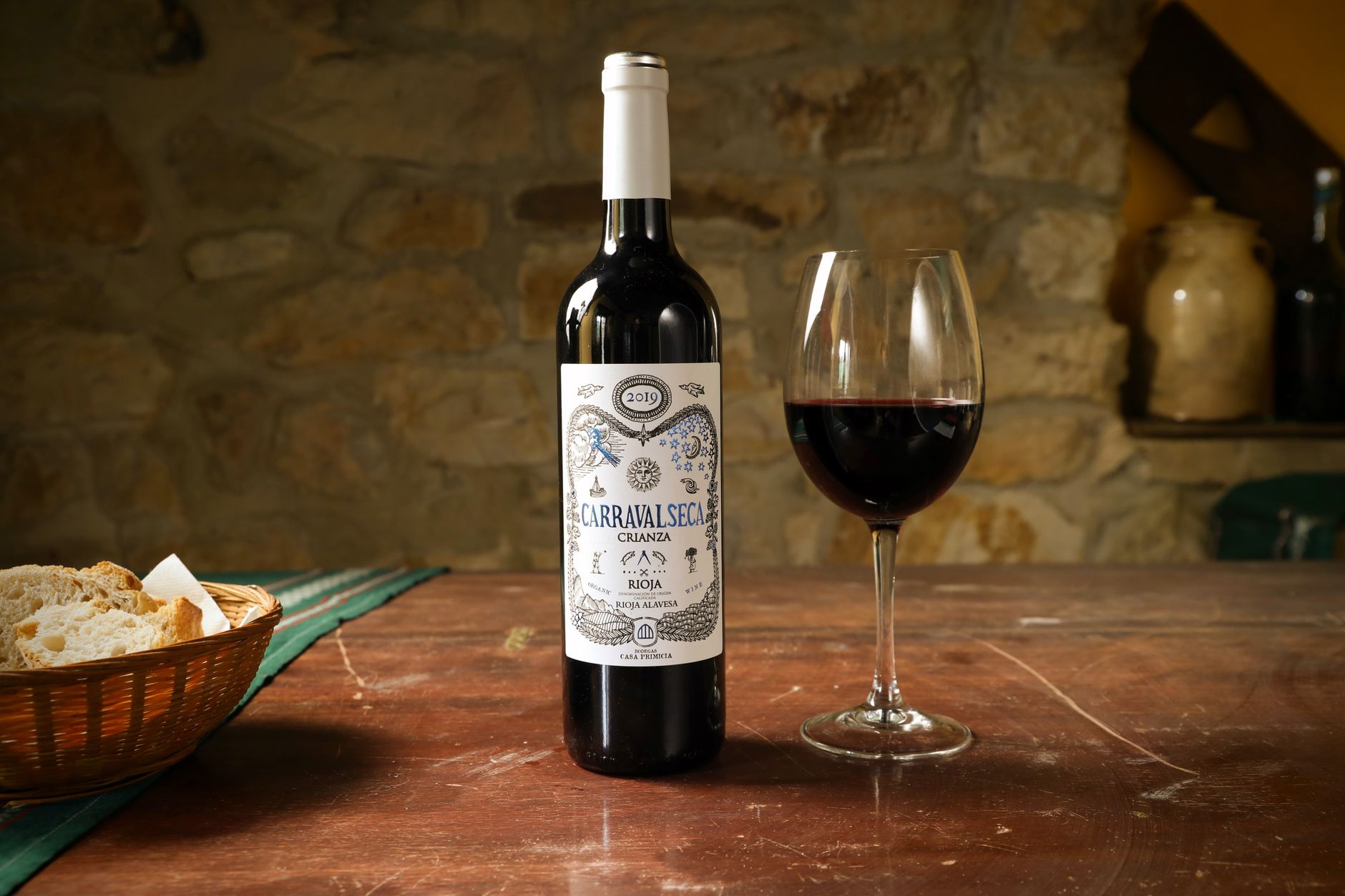
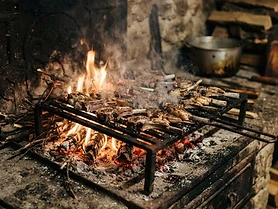
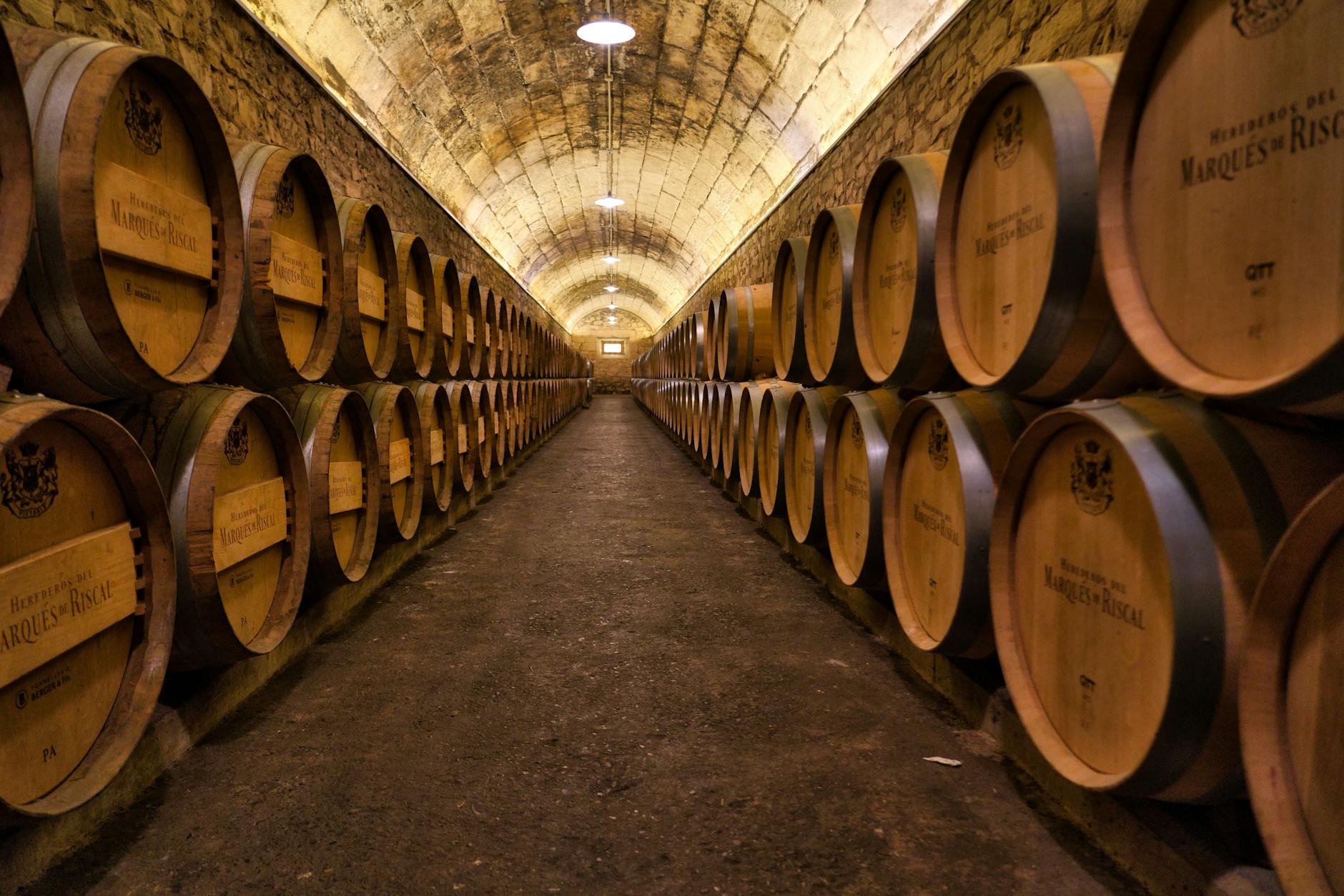
Rioja wine dictates the table, specifically the Tempranillo-based reds that age in the limestone cellars of the station quarter. Menus center on the produce of the Ebro valley, particularly caparrones, the dark, kidney-shaped beans stewed slowly with chorizo and morcilla. Chuletillas de cordero, young lamb chops seared over vine clippings, provide the smoky flavor expected of the region. Vegetables from the surrounding river plains appear throughout the year, especially white asparagus and artichokes prepared with olive oil, garlic, and small pieces of cured serrano ham.
La Rioja: the whole region
One product, done better here than anywhere else in Spain: a wine region that fits inside a valley, vineyards running from the Ebro plain up into the Sierra de Cantabria, and every town on the road between Haro and Logroño involved in it.…
Minimum 3 days · better 4-5 days · deep 7 days
In and around Haro



Pair It With
In La Rioja


In La Rioja

In La Rioja







Linked from elsewhere
Entries that name this place in their own nearby lists.

Logistics are verified only. We don't publish schedules we haven't confirmed.
Appears In
Experiences worth booking ahead
- San Sebastian, Hondarribia, Getaria, Zarautz from Bilbao4.9 (79)9 hrsFrom €95
- San Sebastian Day Trip from Bilbao: Loyola Sanctuary & Getaria4.7 (95)9 hrsFrom €75
- Visit to the winery with a tasting of 3 wines and appetizers4.9 (61)2 hrsFrom €36
- Private tour from Budapest to a top hidden treasure region of Europe: Lake Balaton4.8 (84)8 hrsFrom €235
Spain Field Guide may earn a commission when you book through selected links. Recommendations are editorial and independent of commission.
Ready to build Haro into a trip?
You've found a place worth going. When you're ready to turn discovery into an itinerary, Travel Itinerary Co picks up where the Field Guide leaves off — with your saved places already in hand.
Build this into a tripContinues on Travel Itinerary Co
Spain Field Guide may earn a commission when you book through selected links. Recommendations are editorial and independent of commission.