Rioja Alta
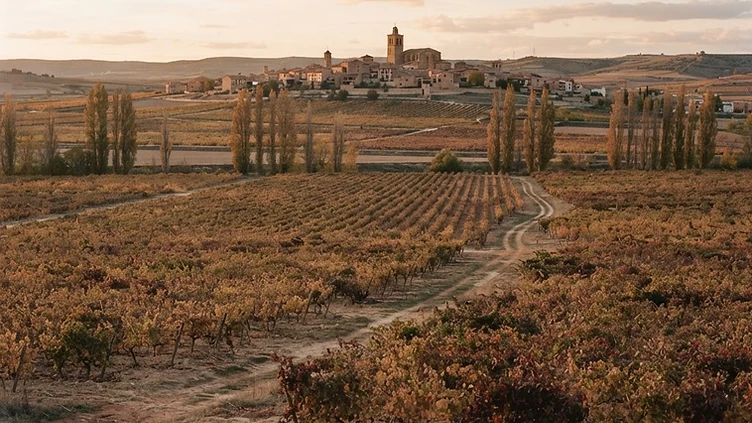
Two days minimum, based in Haro or Laguardia, with a car. Book winery visits ahead; the best ones close to casual visitors at harvest.
The heart of Rioja wine country: the oldest bodegas, the prettiest medieval villages and the vineyards they draw from, all within thirty kilometres.
At a Glance
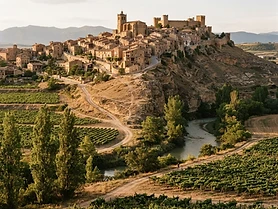
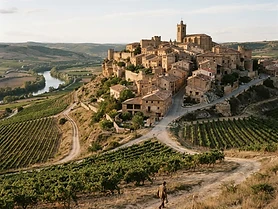
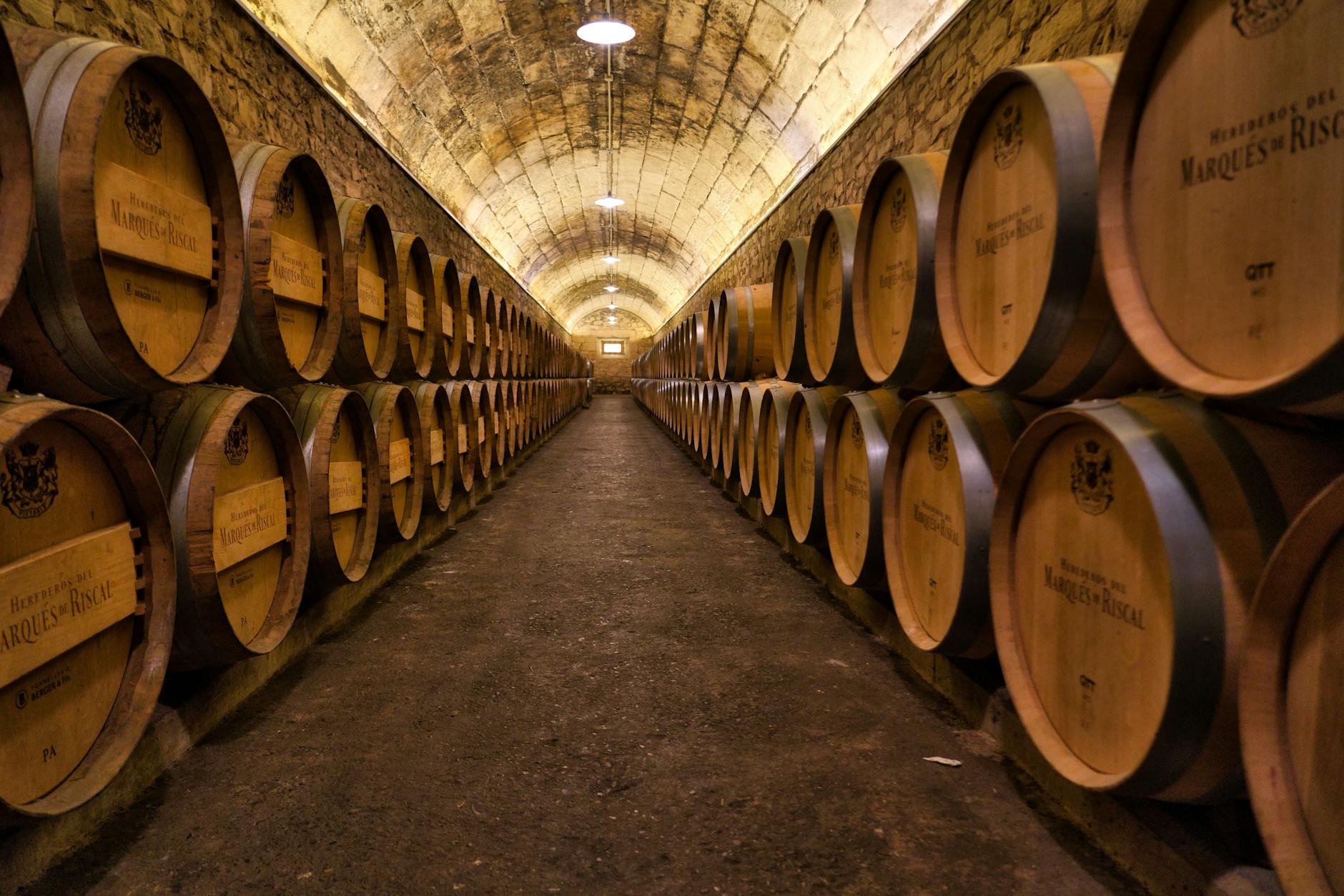
Rioja Alta runs from the Ebro's cliffs around Haro east towards Logroño, with the Sierra de Cantabria above it. It holds Haro, Briones, San Vicente de la Sonsierra, Nájera and Santo Domingo de la Calzada, and most of the bodegas that made Rioja's name — CVNE, La Rioja Alta, Muga, López de Heredia and Marqués de Riscal among them. The villages are close together and the driving between them is short.
How it got here
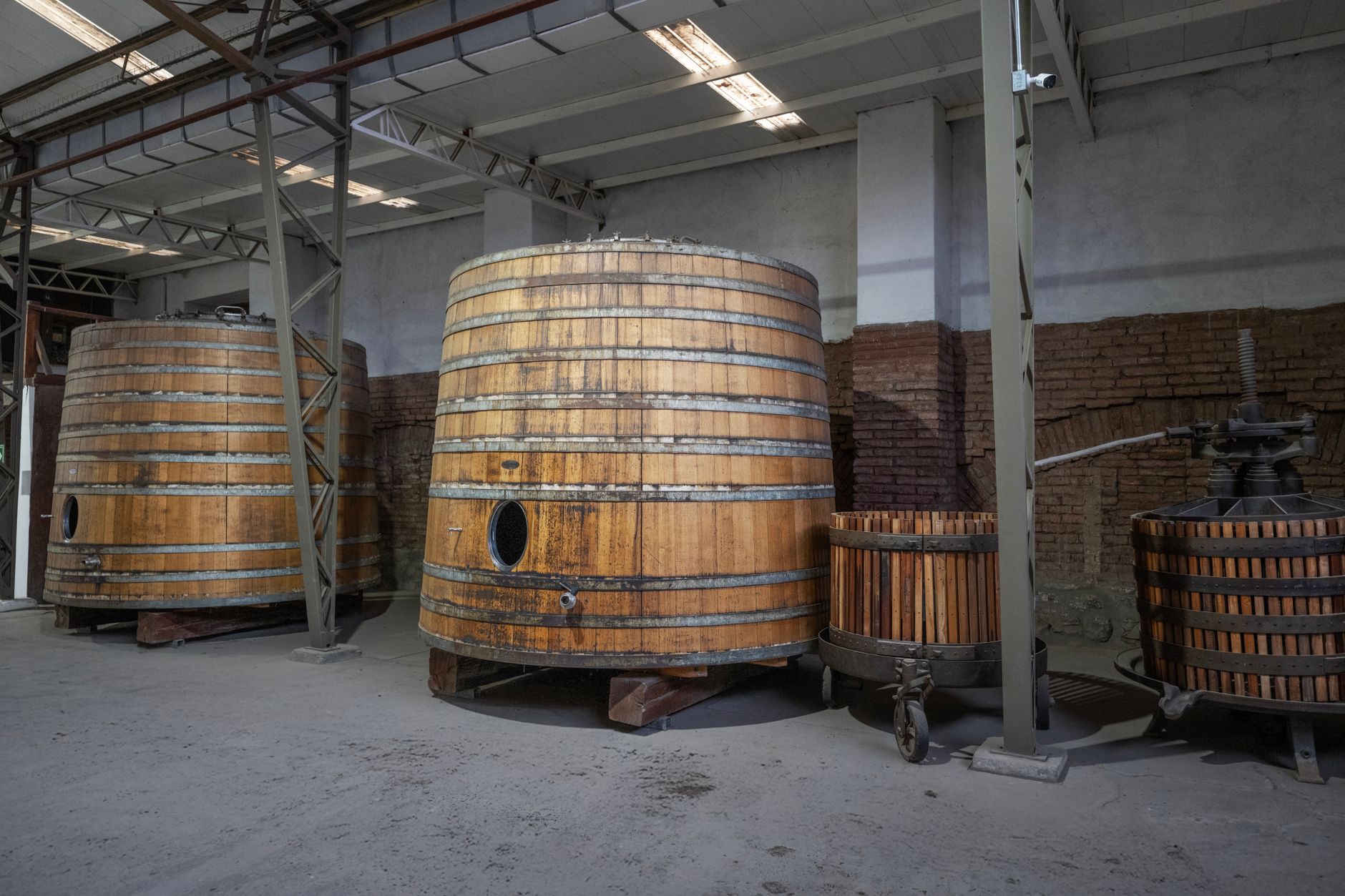
Winemaking arrived in the Ebro valley with Roman settlers, but the monastic orders solidified viticulture during the Middle Ages. Pilgrims trekking the Camino de Santiago brought tools and techniques from across the Pyrenees, turning these river terraces into a permanent agricultural engine. The arrival of the railway in the nineteenth century linked the cellars of Haro to international markets, sparking a surge of investment from French merchants fleeing phylloxera. This period shaped the architectural landscape of the town, where massive stone cellars sit beneath ornate administrative buildings. Today, the tension between traditional aging processes and modern industrial scale dictates the rhythm of the valley, preserving the influence of those early commercial cycles.
Where it sits
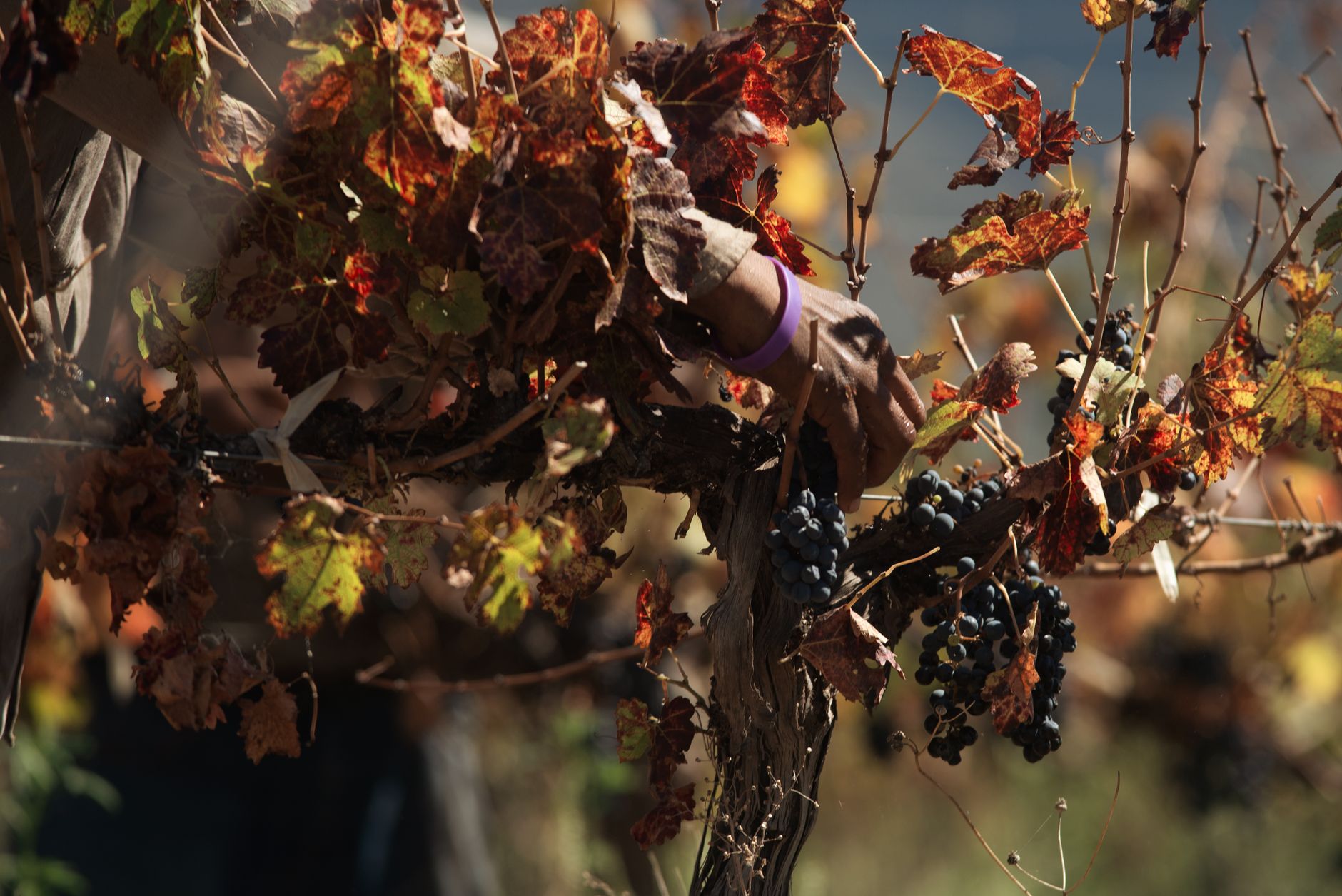
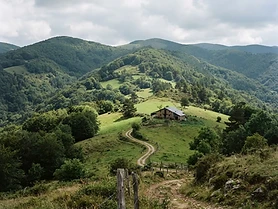
The terrain rises from the Ebro riverbanks toward the limestone ridges of the Sierra de Cantabria, creating a sheltered basin with a distinct microclimate. Vineyards occupy the lower slopes, arranged in orderly rows that turn deep red when autumn frost hits the vines. The landscape feels dense, with clusters of stone houses and church spires marking the short distances between villages. Winter air stays sharp and biting as cold winds blow down from the mountains, while summer heat concentrates in the valley floor. Visitors arrive via the roads that parallel the river, crossing ancient stone bridges that once defined the limits of medieval jurisdictions.
What to eat and drink
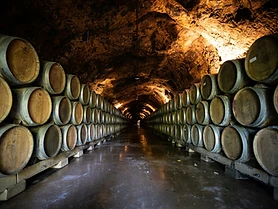
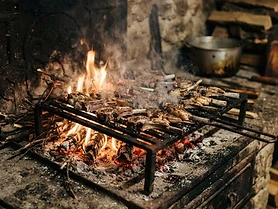
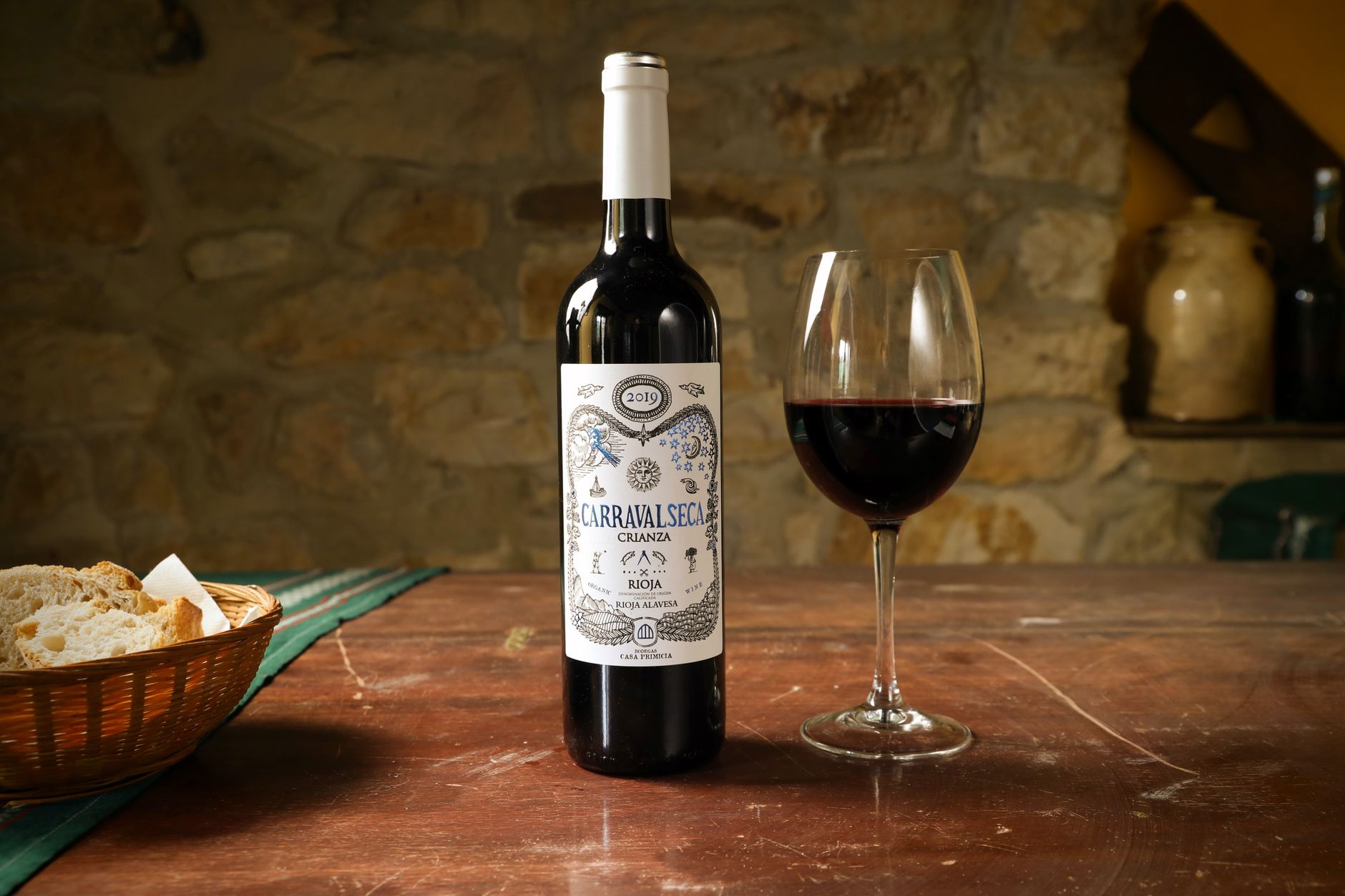
Rioja wine forms the foundation of every meal, particularly reds aged in oak barrels to develop soft tannins. The kitchen relies on the bounty of the Ebro basin, focusing on vegetables like white asparagus and artichokes. Patatas a la riojana, a stew of potatoes, chorizo, and paprika, anchors the local diet. Lamb plays a central role, often roasted over vine cuttings to impart a specific smoke to the meat. For dessert, locals consume fardelejos, puff pastry filled with almond paste. These preparations reflect the dependence on the surrounding orchards and the transhumance paths that defined the rural economy for centuries.
La Rioja: the whole region
One product, done better here than anywhere else in Spain: a wine region that fits inside a valley, vineyards running from the Ebro plain up into the Sierra de Cantabria, and every town on the road between Haro and Logroño involved in it.…
Minimum 3 days · better 4-5 days · deep 7 days
In and around Rioja Alta



In La Rioja


In La Rioja



In La Rioja








Logistics are verified only. We don't publish schedules we haven't confirmed.
Experiences worth booking ahead
Spain Field Guide may earn a commission when you book through selected links. Recommendations are editorial and independent of commission.
Ready to build Rioja Alta into a trip?
You've found a place worth going. When you're ready to turn discovery into an itinerary, Travel Itinerary Co picks up where the Field Guide leaves off — with your saved places already in hand.
Build this into a tripContinues on Travel Itinerary Co
Spain Field Guide may earn a commission when you book through selected links. Recommendations are editorial and independent of commission.