Batalla del Vino de Haro

Worth a detour if you're in Rioja in late June. Pair it with bodega visits and a lunch in Haro's old town.
To legally throw red wine at strangers on a hillside, then drink the good stuff in town.
At a Glance
- — You hate stained clothes
- — You're not in Rioja on June 29
The Batalla del Vino de Haro is held each 29 June (the feast of San Pedro) in the small Rioja wine town of Haro. At dawn, townspeople and visitors in white shirts and red bandanas climb to the cliffs of San Felices de Bilibio above town for Mass; at the end, the priest blesses the crowd and everyone opens their wine — sprayers, buckets, goatskins — and drenches each other until the whole hillside is purple. Then everyone marches back down to Haro's Plaza de la Paz for more wine, dancing, and a bullfight in the town ring. It's a short, joyful, photogenic festival and a perfect excuse to spend a weekend in Rioja wine country.
How it got here
The cliffs of San Felices de Bilibio mark the site of a hermitage dedicated to Saint Felices, the tutor of Saint Millán. By the sixth century, these heights served as a retreat for hermits above the Ebro River. The modern festival grew from traditional pilgrimages to the hermitage, which residents of Haro performed annually on the feast day of Saint Peter. The practice of throwing wine solidified in the mid twentieth century, evolving from informal gatherings into a recognized local tradition. This escalation transformed a quiet religious procession into a collective celebration that defines the social identity of Haro today.
Where it sits
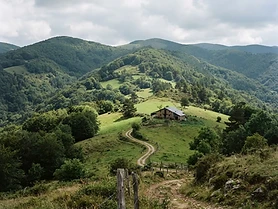
Haro sits in the heart of the Rioja Alta, where the Ebro River carves through limestone ridges and expansive vineyards. The landscape consists of rolling hills and fertile plains sheltered by the Sierra de Cantabria to the north. Summer mornings often bring a heavy mist from the river before the sun burns through the haze. Reaching the town requires navigating the winding roads that connect the valley to the higher plateaus of the interior. The dust of summer turns the soil to a fine silt, coating the vines and the people during the heat of June.
What to eat and drink
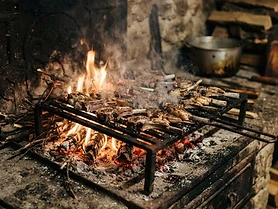
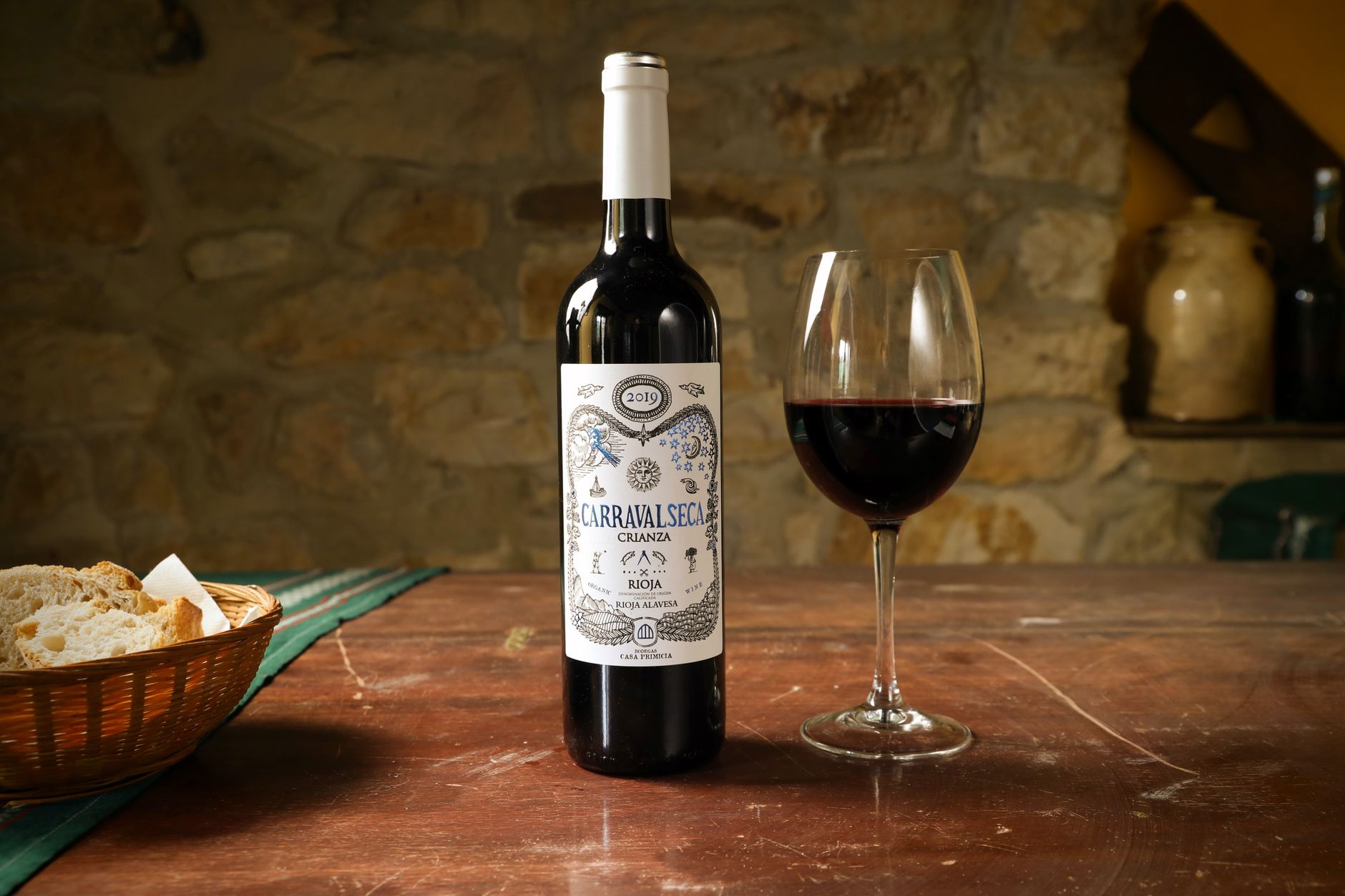
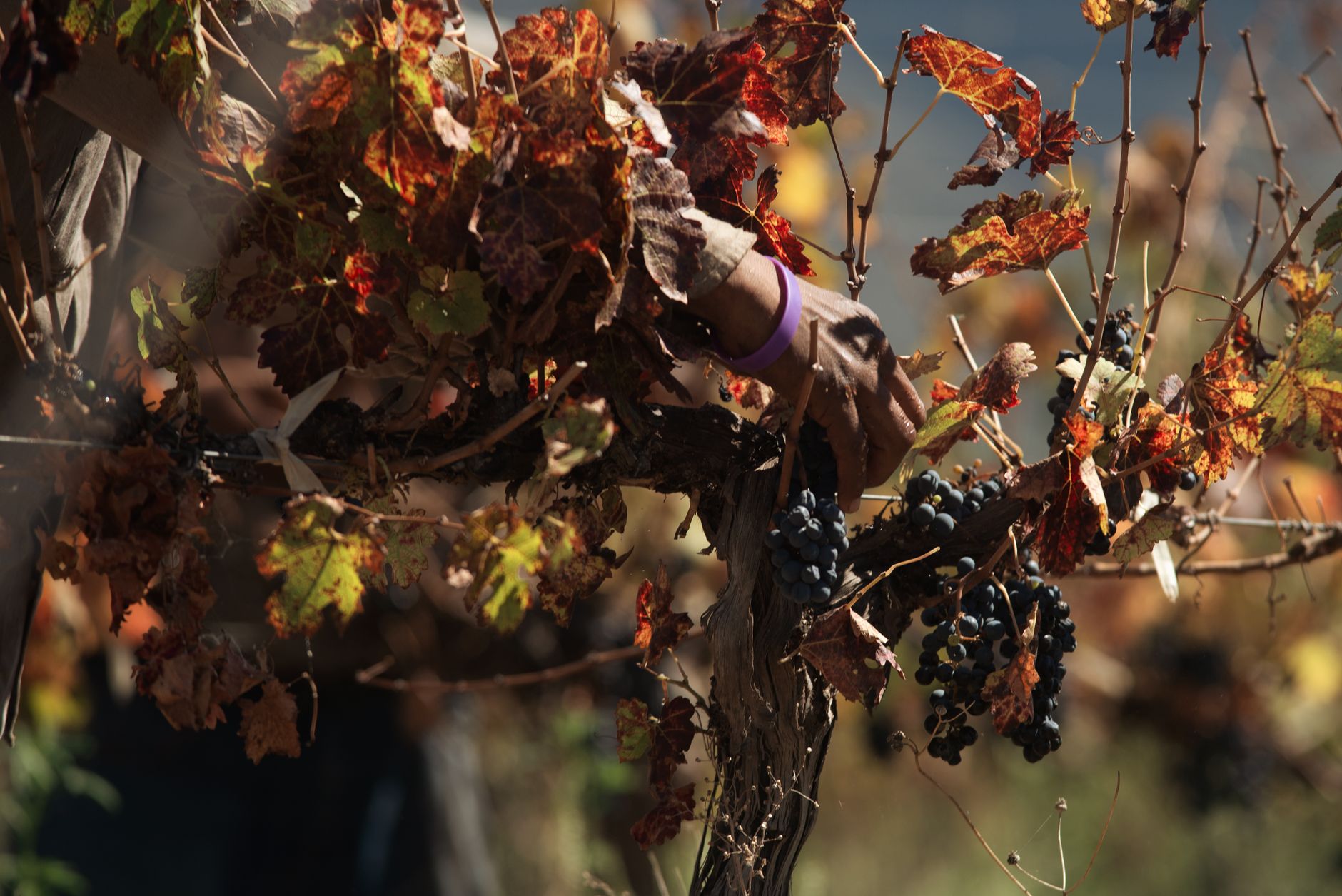
Rioja wine dictates the local palate, particularly the Tempranillo grapes grown in the surrounding chalky soil. Patatas a la riojana, a stew of potatoes, chorizo, and onion, provides the necessary sustenance for the morning’s exertion. Chuletillas de cordero al sarmiento, lamb chops grilled over the pruned vines of the previous harvest, carry the smoky essence of the local terroir. The produce of the Ebro valley, including white asparagus and roasted red peppers, appears on tables throughout the season. These dishes pair naturally with the young, vibrant red wines produced in the cellars of the town.
La Rioja: the whole region
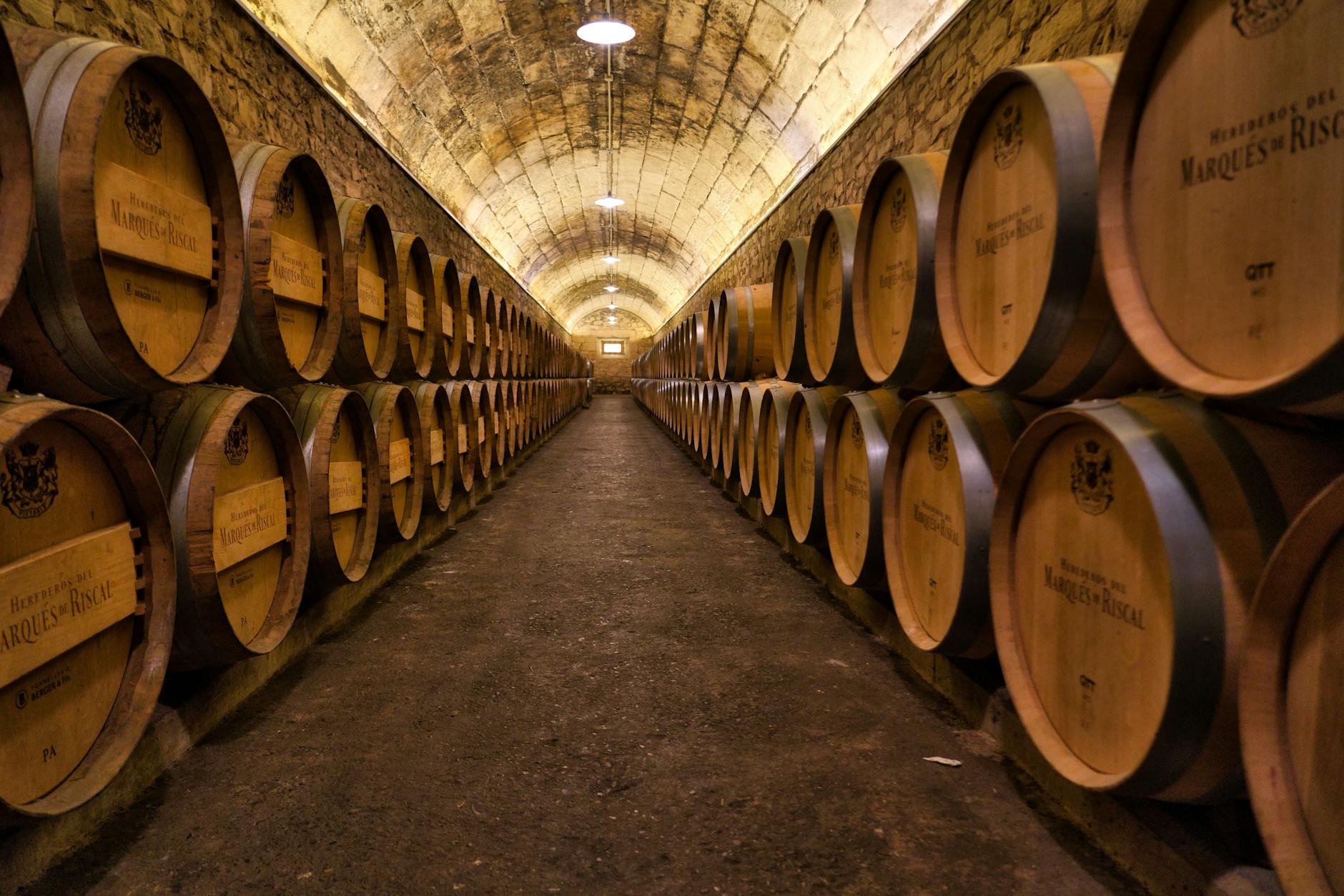
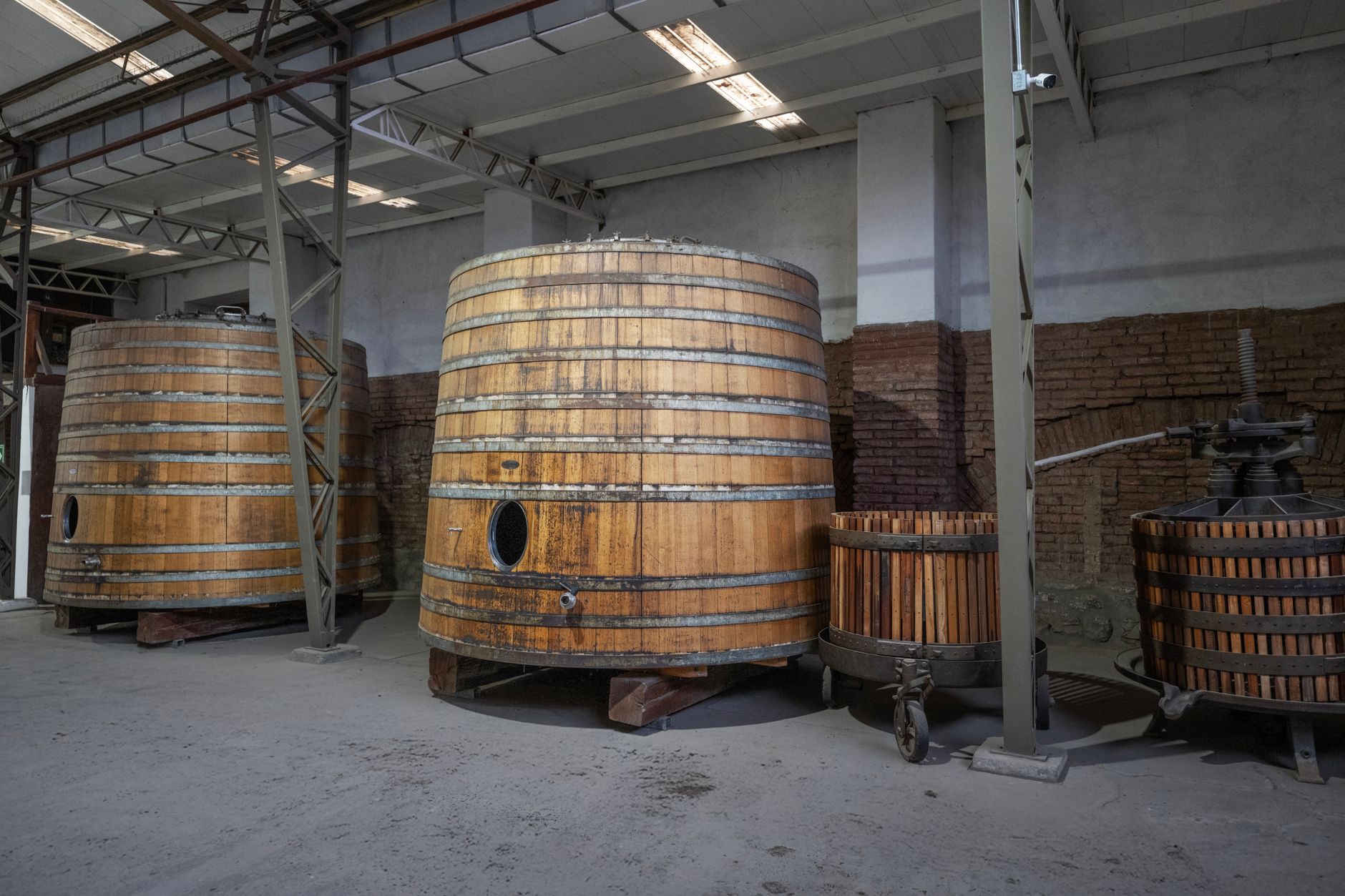
One product, done better here than anywhere else in Spain: a wine region that fits inside a valley, vineyards running from the Ebro plain up into the Sierra de Cantabria, and every town on the road between Haro and Logroño involved in it.…
Minimum 3 days · better 4-5 days · deep 7 days


In La Rioja


In La Rioja


In La Rioja







Experiences worth booking ahead
- Victoria Zodiac Boat Whale Watching Adventure4.8 (1,100)3 hrsFrom €133
- San Sebastian Day Trip from Bilbao: Loyola Sanctuary & Getaria4.7 (95)9 hrsFrom €75
- Visit to the winery with a tasting of 3 wines and appetizers4.9 (62)2 hrsFrom €36
- Private tour from Budapest to a top hidden treasure region of Europe: Lake Balaton4.8 (84)8 hrsFrom €240
Spain Field Guide may earn a commission when you book through selected links. Recommendations are editorial and independent of commission.
Ready to build Batalla del Vino de Haro into a trip?
You've found a place worth going. When you're ready to turn discovery into an itinerary, Travel Itinerary Co picks up where the Field Guide leaves off — with your saved places already in hand.
Build this into a tripContinues on Travel Itinerary Co
Spain Field Guide may earn a commission when you book through selected links. Recommendations are editorial and independent of commission.