Rioja Alavesa

Recommended, and a better wine trip than most people expect from Rioja: smaller, quieter and easier to do on the day.
Walled wine villages, hillside bodegas and two landmark wineries, all within twenty minutes of each other.
Vitoria-Gasteiz · Bodegas Ysios · Bodegas Marqués de Riscal · Laguardia
At a Glance
- — You want big tasting palaces and coach tours
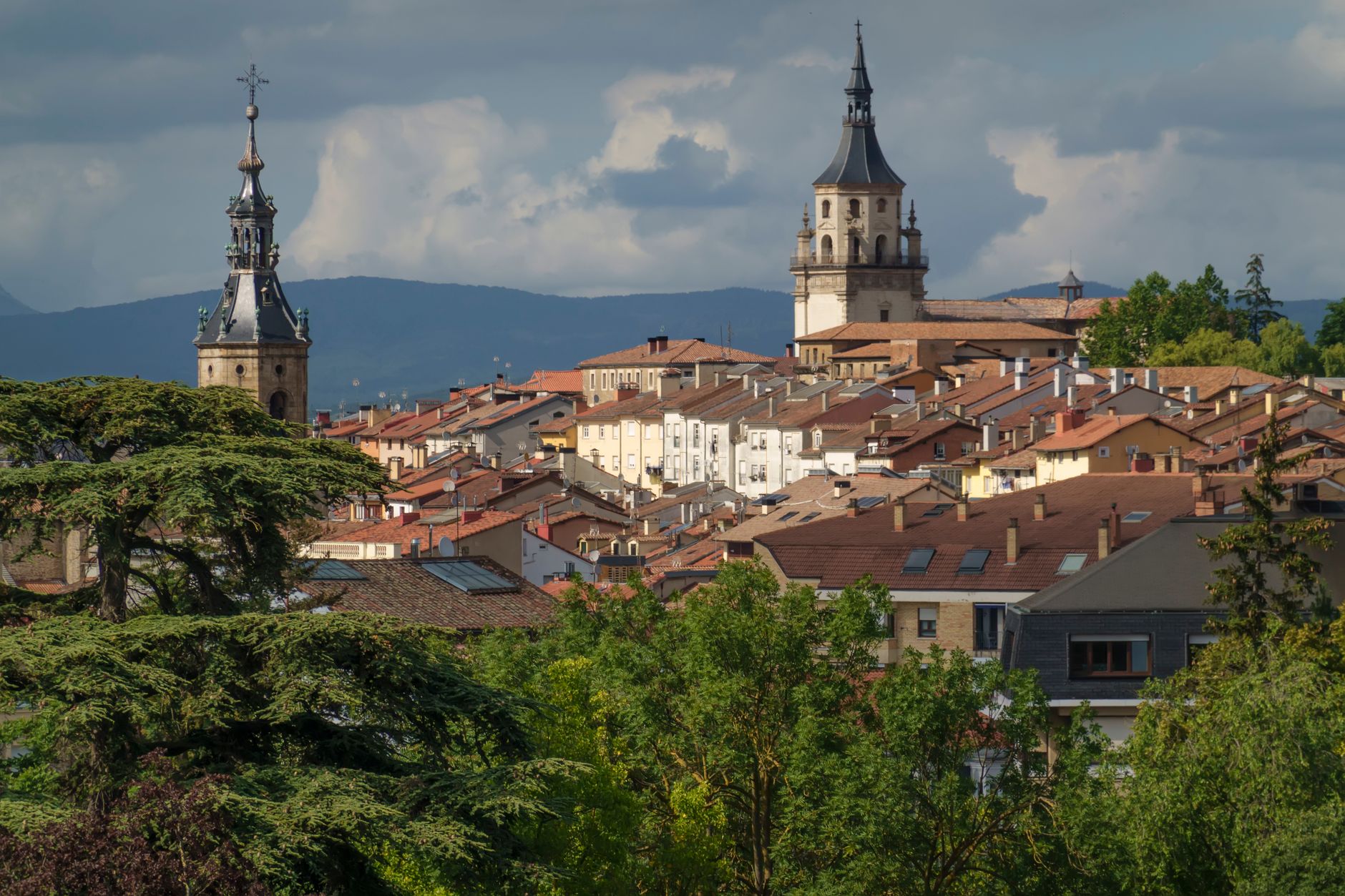
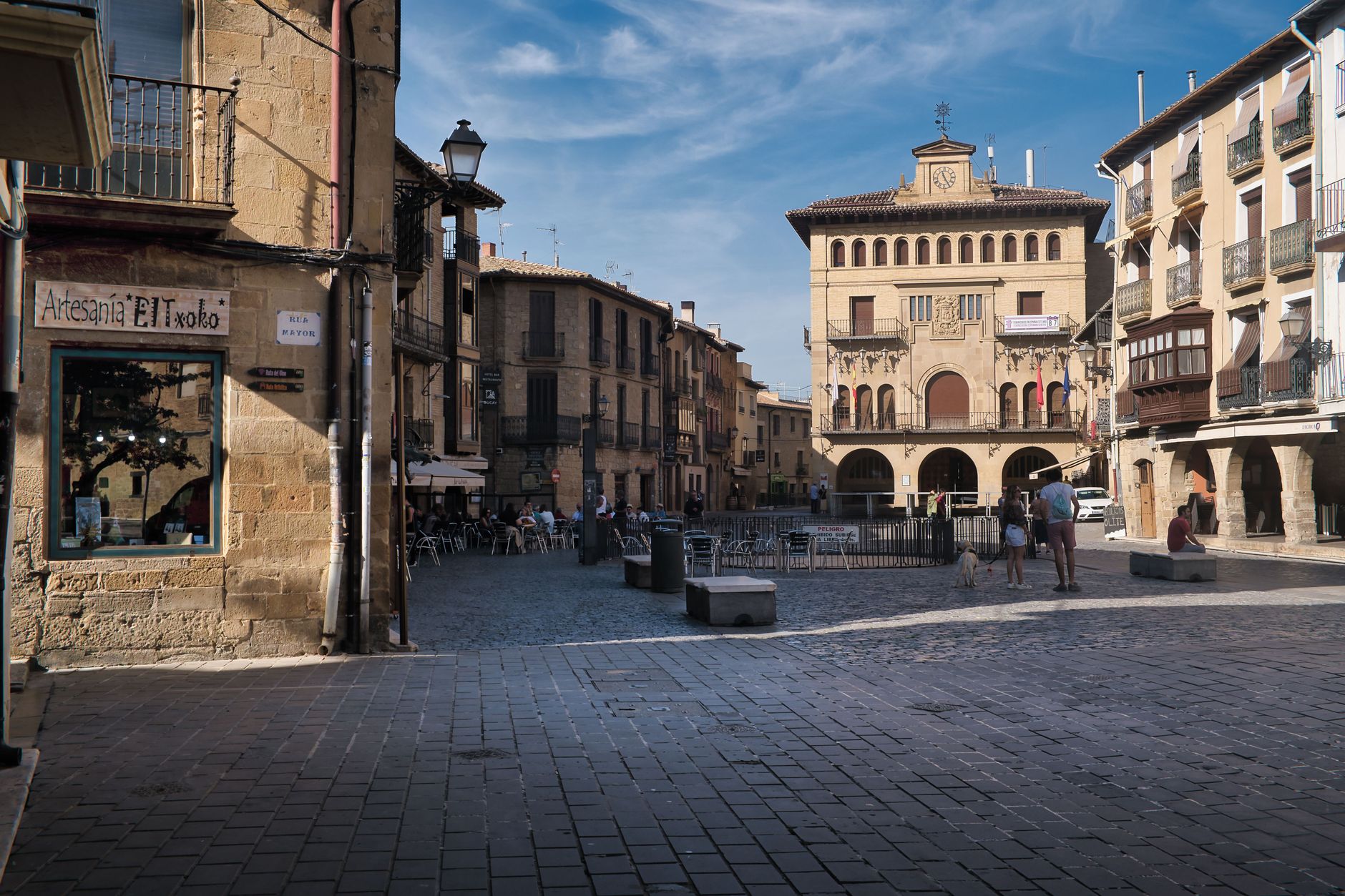
The Rioja Alavesa is the northern half of the Rioja denomination, sitting in Álava on the left bank of the Ebro, and it looks nothing like the flatter vineyards of La Rioja further south: the villages here are medieval and often walled, the bodegas are cut into the hillside beneath the houses, and the land is a patchwork of small plots. It is also where the architectural spectacles are, with Ysios by Calatrava and Marqués de Riscal by Gehry, both built beside villages of a few hundred people. Tastings are small, cheap and unhurried, and Laguardia, just over the border in La Rioja, is the natural base. Book the famous wineries ahead; the village bodegas will usually take you the same day.
How it got here
Castilian monarchs fortified these borderlands throughout the Middle Ages as a defense against the Kingdom of Navarre. The Ebro served as a shifting frontier where military outposts grew into walled towns such as Laguardia and Labraza. These villages established deep subterranean tunnels to store wine and provide escape routes during periods of conflict. The lordship of the area transitioned between noble houses until it integrated into the province of Álava. This defensive architecture shaped the compact urban layout seen today, where cellar networks survive beneath centuries of residential construction and the narrow streets follow the original defensive perimeters of the medieval fortified hilltops.
Where it sits
The terrain rises from the Ebro river banks into the limestone slopes of the Sierra de Cantabria. Small vineyard plots create a dense patchwork across the hillsides, separated by stone walls and rural tracks. Winters bring frost to the valley floor while the high peaks remain snowcapped into spring. Access arrives via winding roads from the town of Haro or the city of Vitoria-Gasteiz. The landscape avoids the industrial sprawl of larger valleys and remains defined by the proximity of the mountains to the vineyards. Visitors find quiet autumn harvests and dormant vines through the colder months.
What to eat and drink
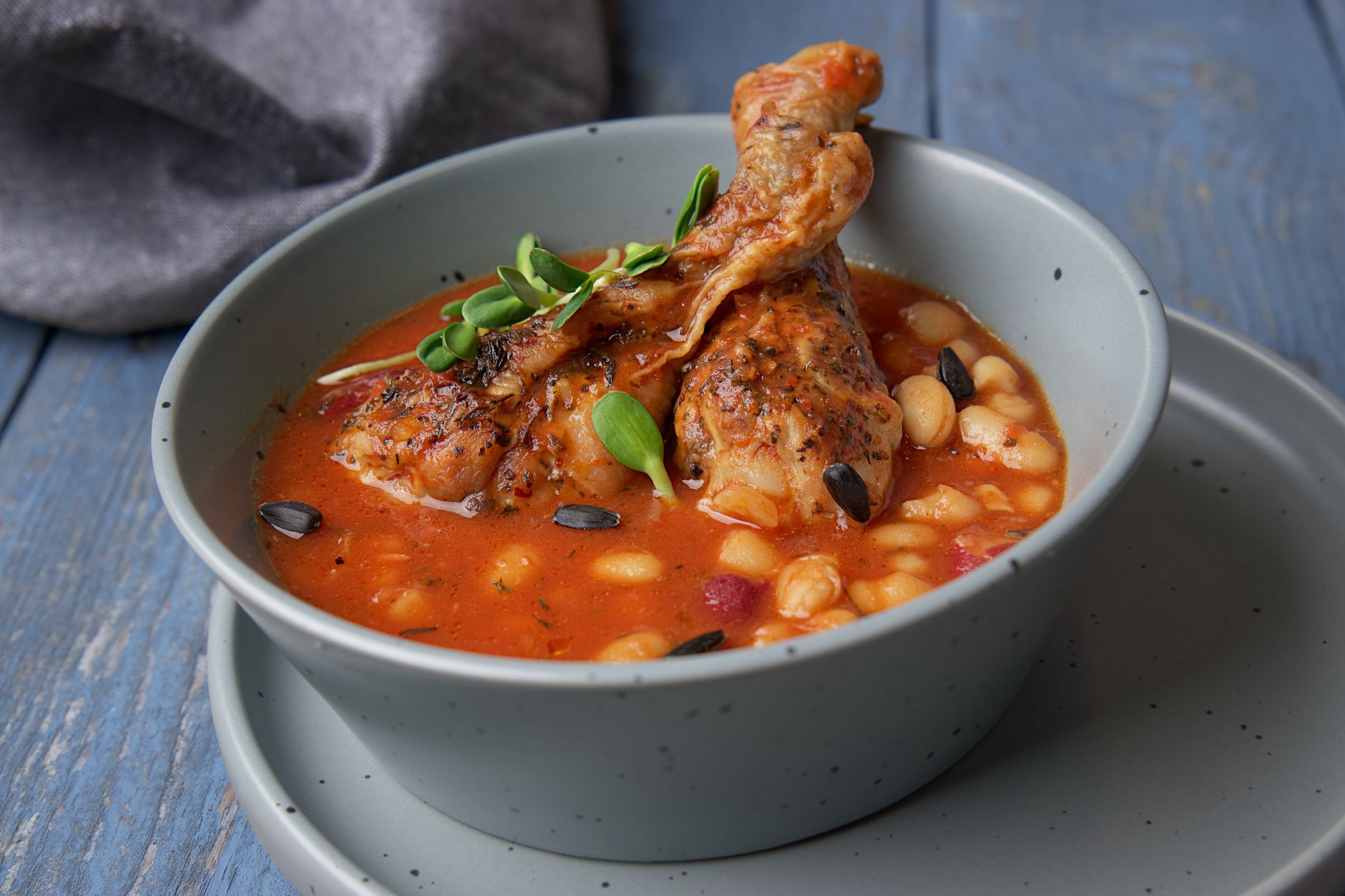
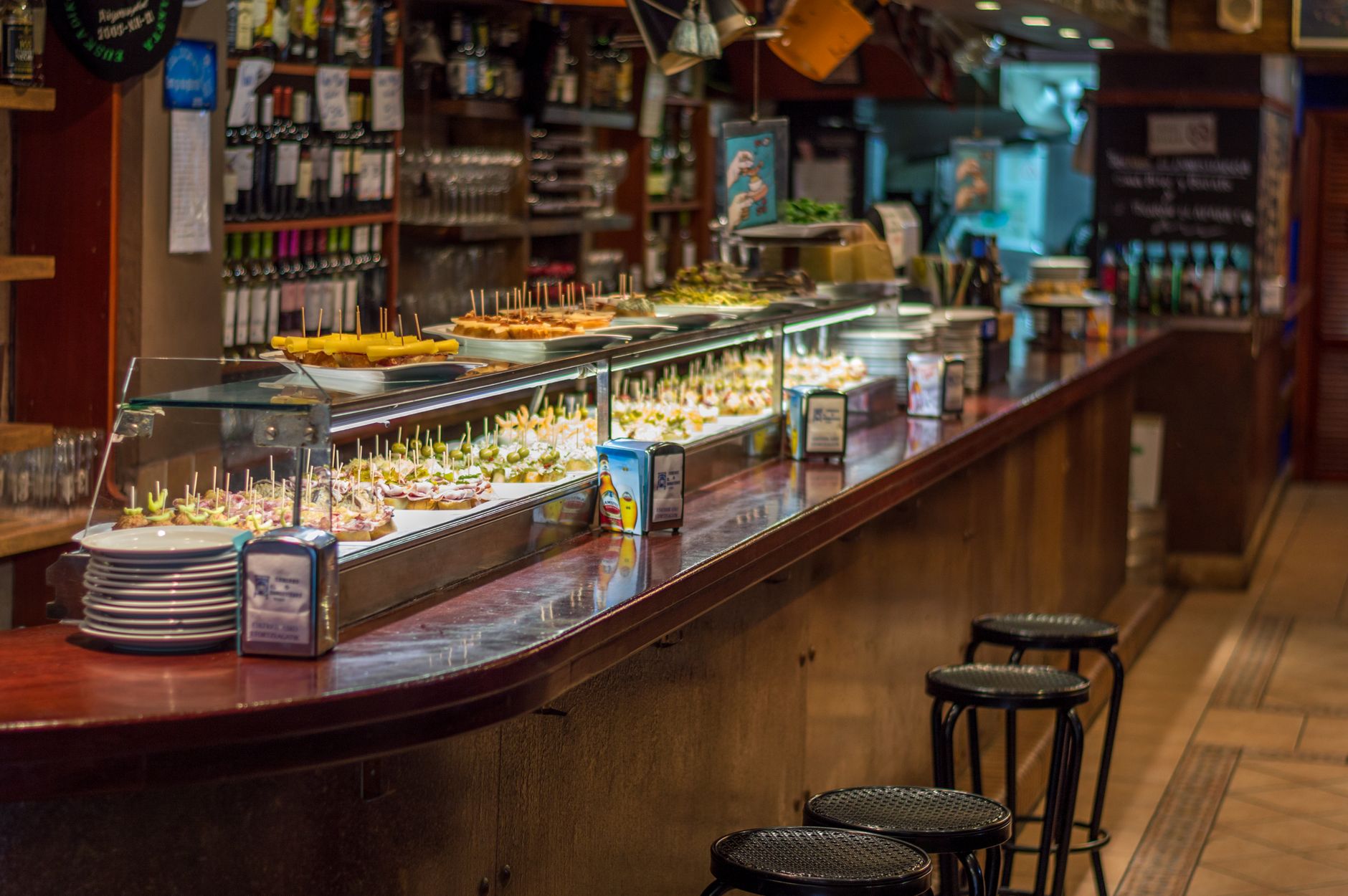
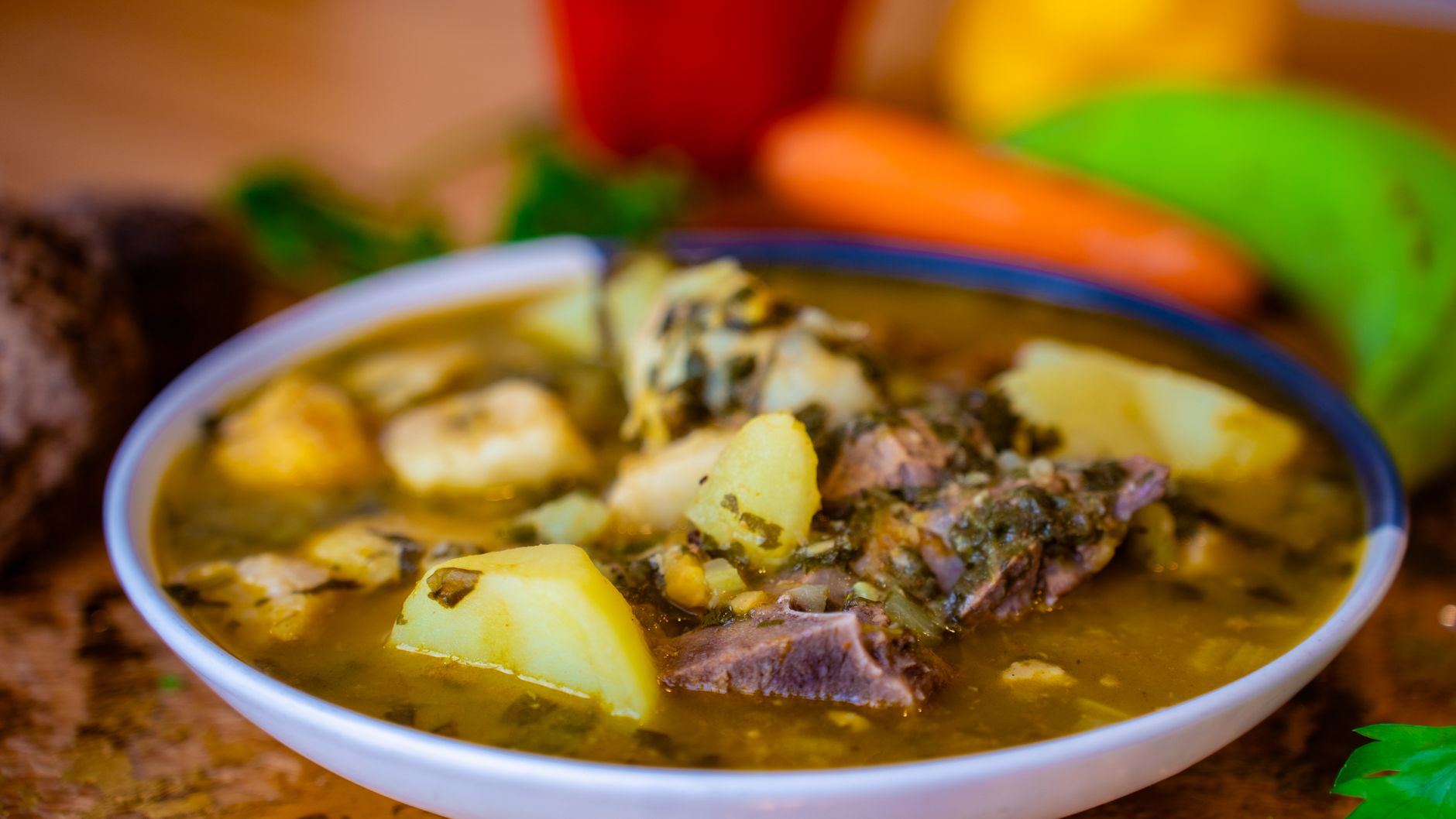
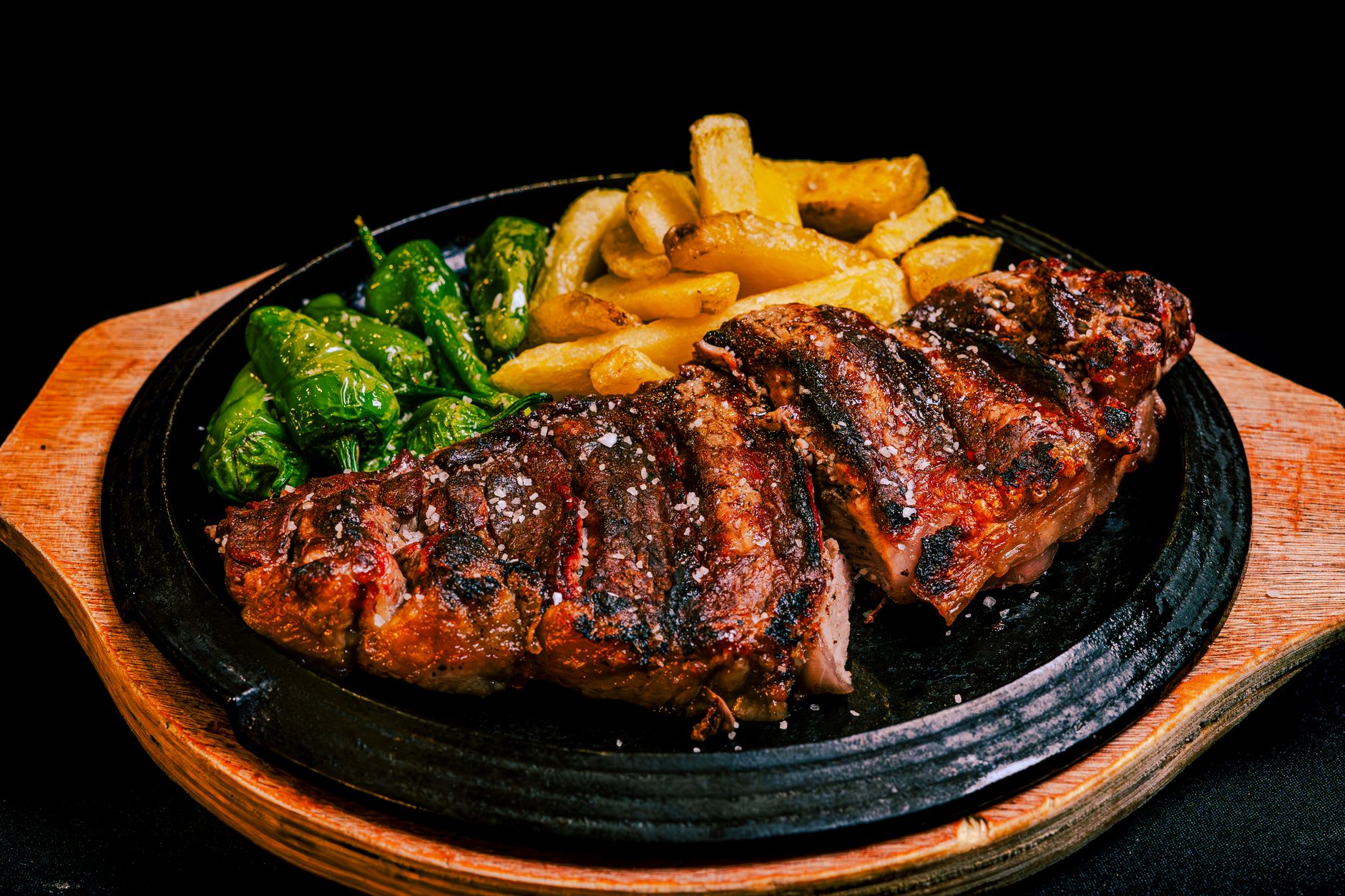
The cuisine relies on the produce of the Basque countryside and the neighboring river valley. Chuletón de buey, thick cuts of mature beef grilled over charcoal, defines the local standard for meat. Bacalao a la vizcaína, salt cod rehydrated and slow-cooked in a sauce of dried choricero peppers, anchors the traditional menu. Diners drink the local Rioja Alavesa wine, a red typically made from Tempranillo grapes that reflects the cool climate of these high vineyards. Vegetable harvests provide white asparagus and artichokes, often braised with small amounts of cured pork or thin slices of Jamón ibérico.
Basque Country: the whole region
The Basque Country is the most expensive and the most rewarding corner of northern Spain: three small provinces, each with its own character, all within an hour of each other. It suits travellers who want to eat well and move slowly far…
Minimum 4 days · better 7 days · deep 2 weeks
What's Nearby


Pair It With
In Basque Country








In Basque Country


In Basque Country












Logistics are verified only. We don't publish schedules we haven't confirmed.
Appears In
Ready to build Rioja Alavesa into a trip?
You've found a place worth going. When you're ready to turn discovery into an itinerary, Travel Itinerary Co picks up where the Field Guide leaves off — with your saved places already in hand.
Build this into a tripContinues on Travel Itinerary Co
Spain Field Guide may earn a commission when you book through selected links. Recommendations are editorial and independent of commission.