Txotx: the cider house season

Recommended, and one of the few food experiences in Spain with a defined season and a fixed price. Do not drive.
An evening of steak and cider where the whole room gets up to catch the stream from the barrel.
At a Glance
- — You want a quiet meal, or you are driving and intend to drink
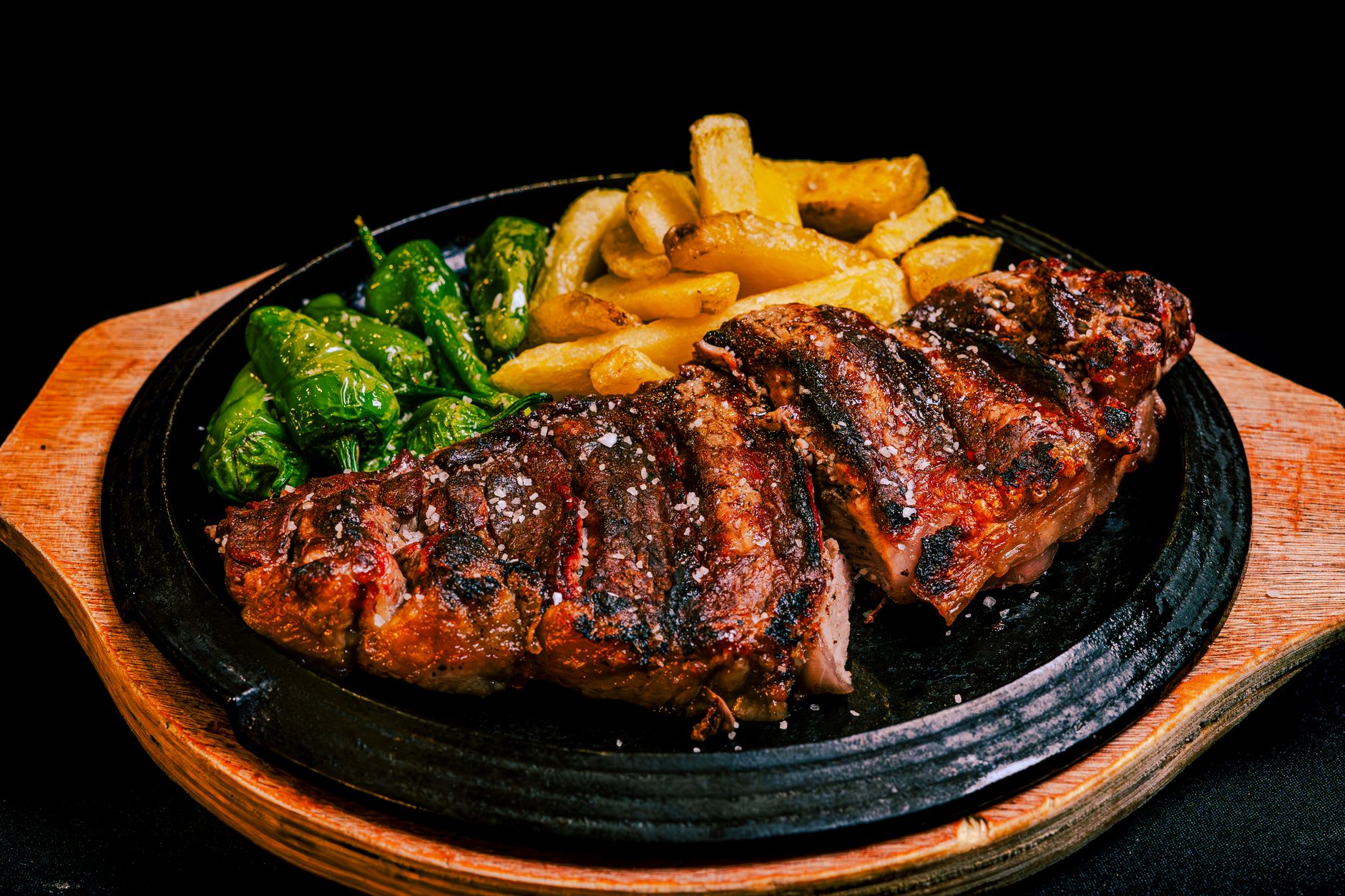
From mid-January to the end of April the cider houses around Astigarraga, Hernani and Usurbil open for txotx, the season when the new cider is drawn straight from the barrels. You sit at long tables for a fixed menu that has barely changed in a century: cod omelette, salt cod with peppers and onion, a txuleta grilled in the room, then Idiazabal cheese, walnuts and quince. Then someone calls txotx, everyone stands up and queues at the barrel to catch a stream of cider in a wide glass, drunk in one go, as often as they like. It is loud, unrefined and one of the best evenings in Spain. Book ahead, especially at weekends.
How it got here
Basque cider production stems from medieval traditions tied to apple orchards and the local maritime economy. Families maintained individual presses to generate seasonal beverage supplies for their own consumption and domestic trade. This practice formalized into a social event as households began inviting neighbors to sample the first run of the harvest directly from the chestnut barrels. The ritual persisted through centuries of changing agricultural practices, becoming a staple of rural life in Gipuzkoa. It evolved into the modern txotx season, which serves as a communal gathering where the tradition of sharing the season's yield remains the primary focus of the experience.
Where it sits
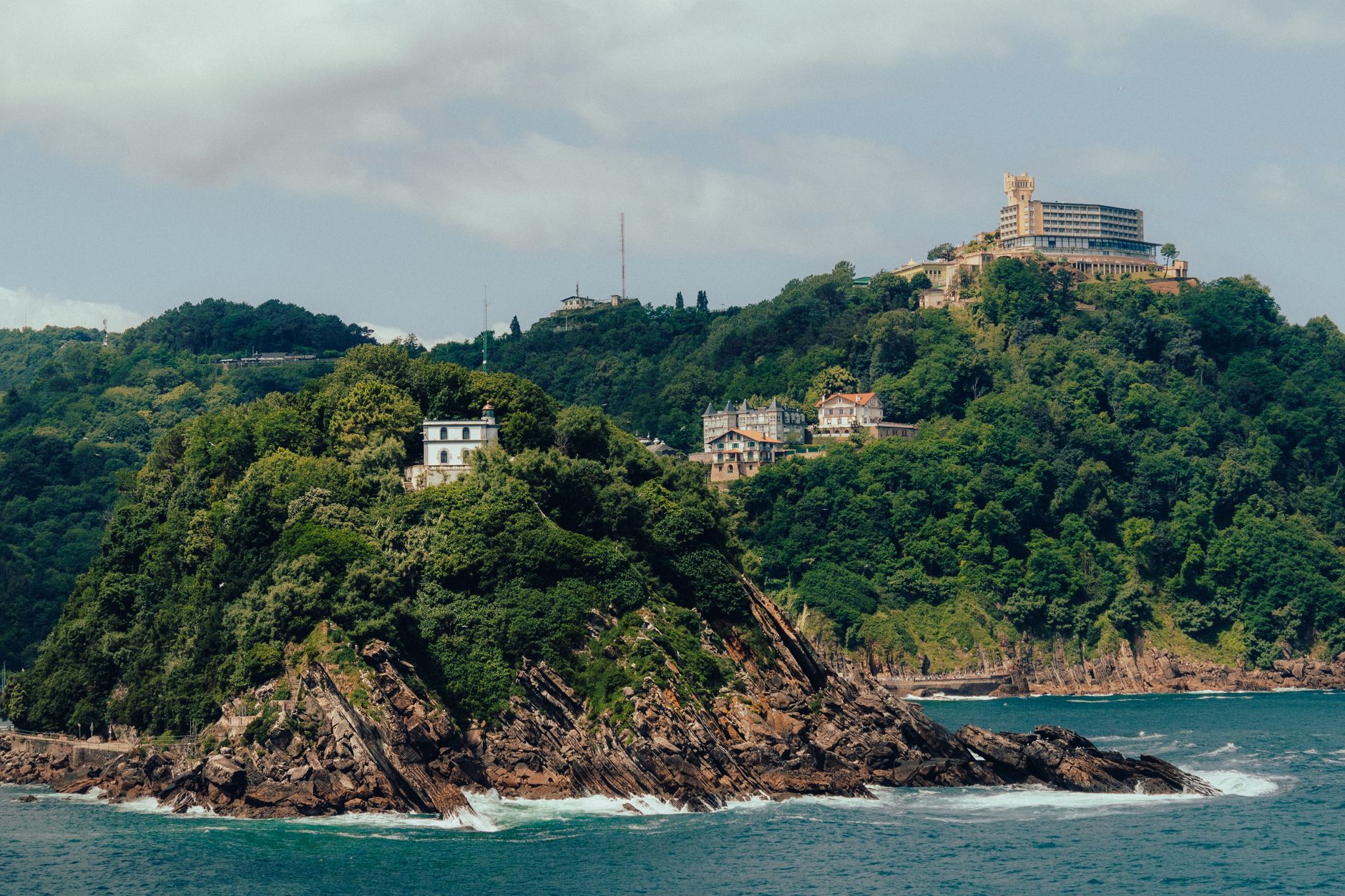
The cider houses occupy the valleys around Astigarraga and Hernani where the landscape shifts from the rugged coastline of the Bay of Biscay to the green, undulating hills of the interior. Moist Atlantic winds support the apple trees that define these valley floors. Dense oak and beech forests cover the surrounding slopes, keeping the country vibrant even through damp winters. Access follows the narrow roads cutting through the humid, rain-shadowed basins. During the early months of the year, the atmosphere stays cool, drawing locals into the shelter of the wooden rafters while the surrounding fields wait for spring.
What to eat and drink
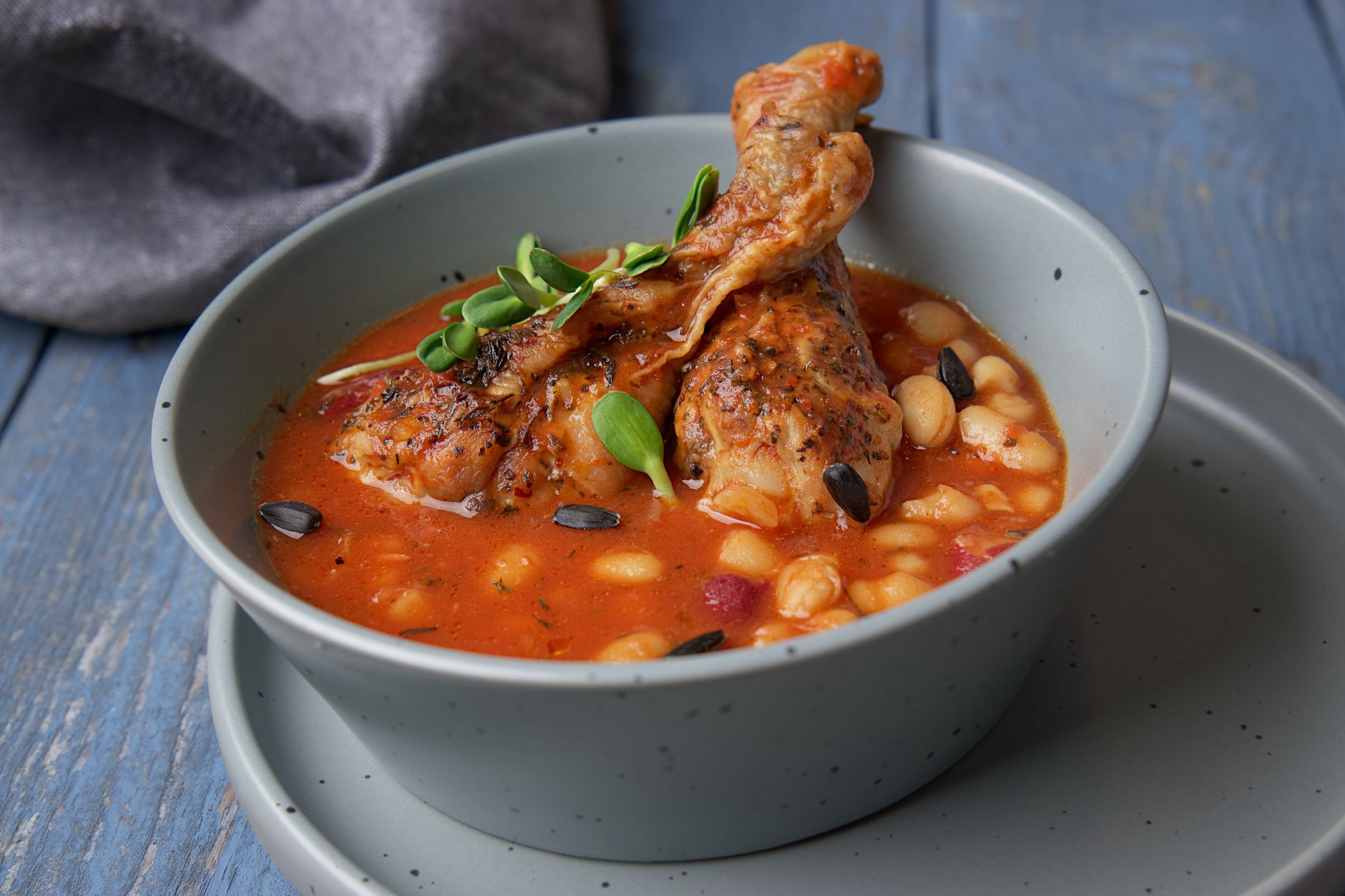
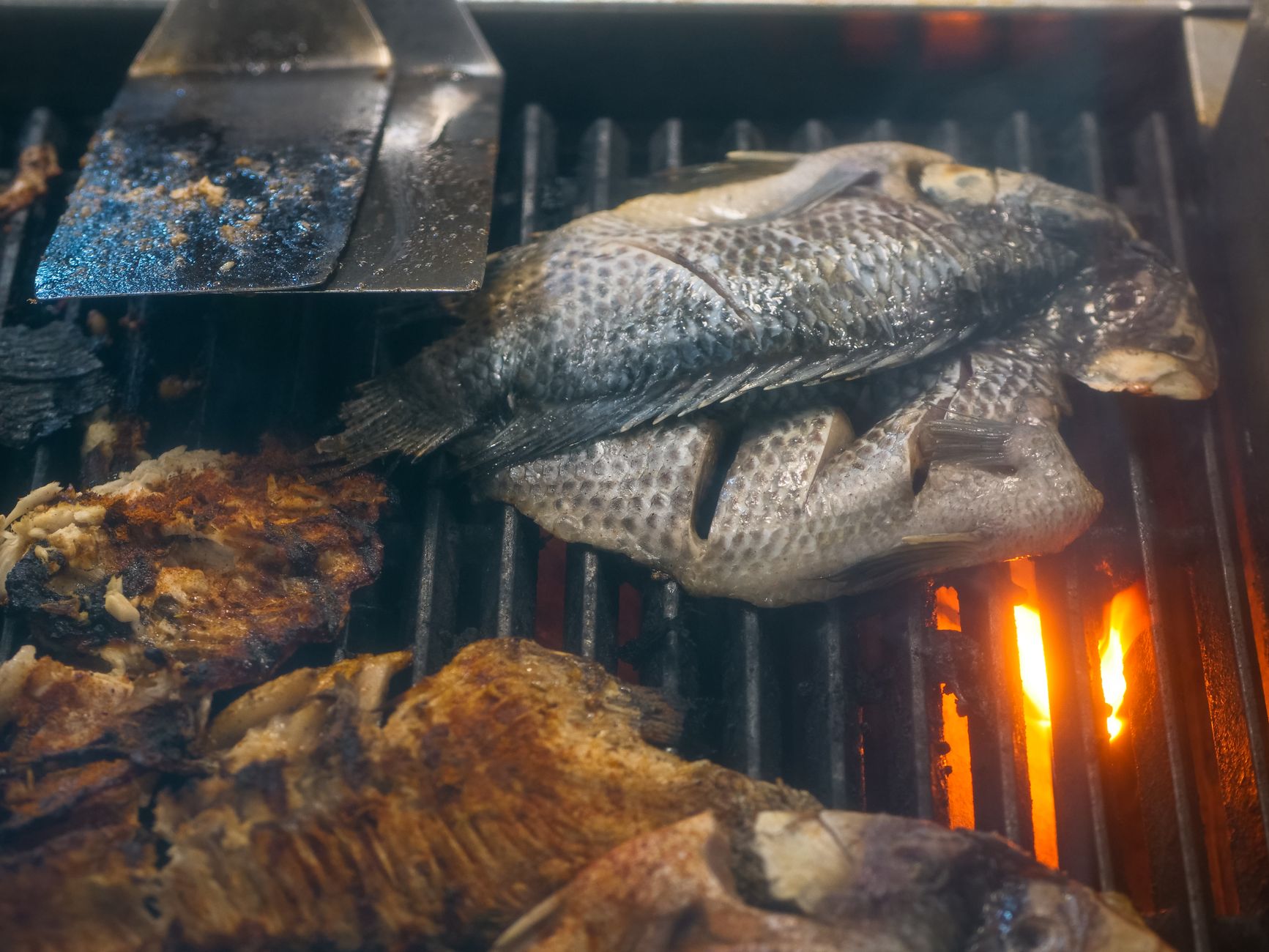
The menu follows a strict pattern based on the ingredients of the northern Basque hills. Diners eat tortilla de bacalao, a thick omelette made with salted cod and onions, followed by charcoal-grilled cod with green peppers. The centerpiece is the txuleta, a thick cut of beef grilled over hot coals until the fat renders and the crust chars. The meal finishes with Idiazabal cheese, a firm smoked sheep milk cheese, served alongside walnuts and quince paste. Cider, or sagardoa, flows throughout, drawn straight from the barrel to provide a tart, cloudy, and carbonated drink that cleanses the palate.
Basque Country: the whole region
The Basque Country is the most expensive and the most rewarding corner of northern Spain: three small provinces, each with its own character, all within an hour of each other. It suits travellers who want to eat well and move slowly far…
Minimum 4 days · better 7 days · deep 2 weeks
What's Nearby


Pair It With

In Basque Country








In Basque Country


In Basque Country














Logistics are verified only. We don't publish schedules we haven't confirmed.
Appears In
Ready to build Txotx: the cider house season into a trip?
You've found a place worth going. When you're ready to turn discovery into an itinerary, Travel Itinerary Co picks up where the Field Guide leaves off — with your saved places already in hand.
Build this into a tripContinues on Travel Itinerary Co
Spain Field Guide may earn a commission when you book through selected links. Recommendations are editorial and independent of commission.