Museo Balenciaga
Recommended, and a good rainy-day stop on a coast that depends on the weather. Two hours is right.
The definitive collection of the century's most technically gifted couturier, in the village he was born in.
At a Glance
- — You have no interest in clothes — the San Telmo in San Sebastián is the broader art museum
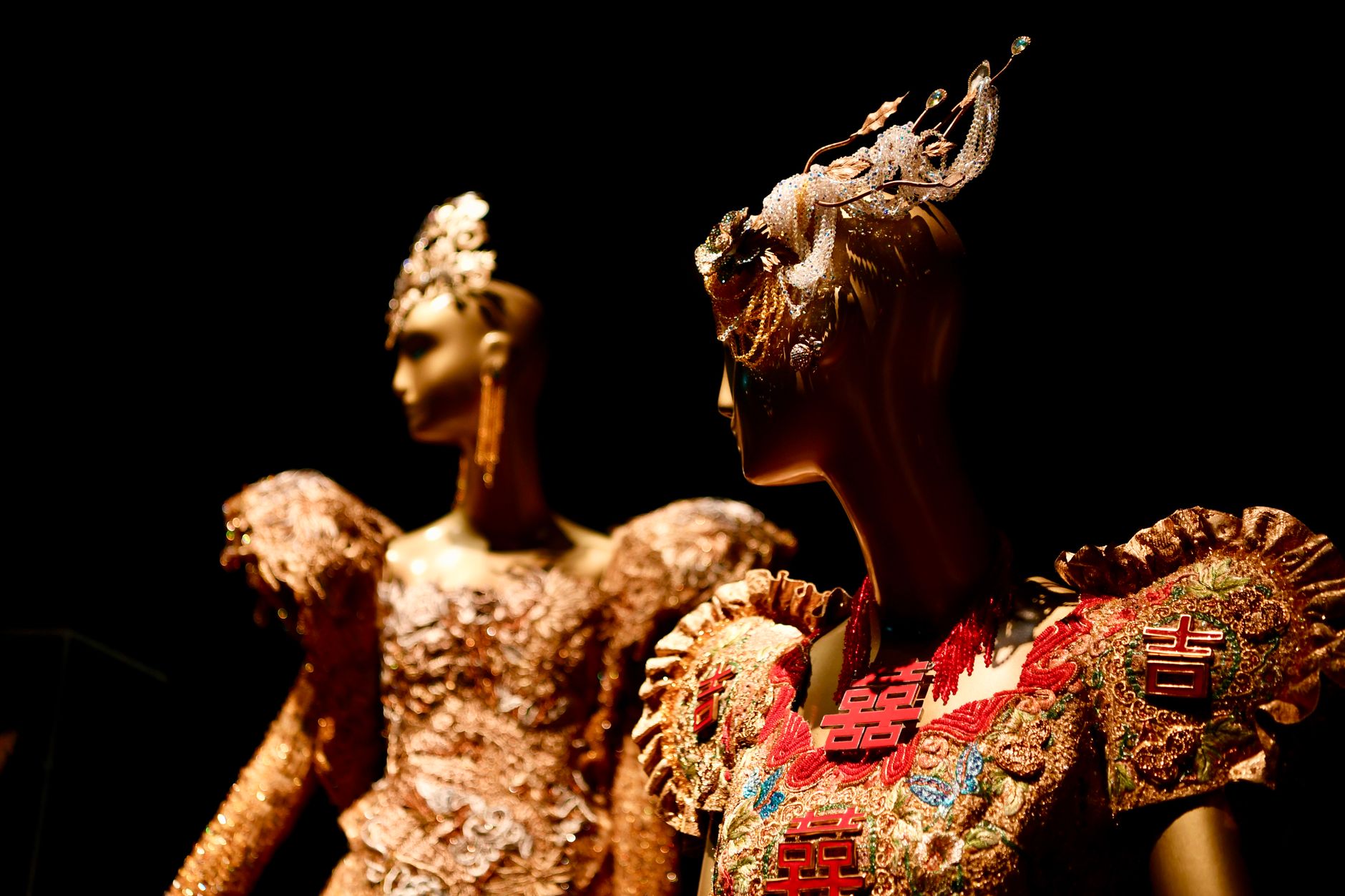
Cristóbal Balenciaga was born in Getaria in 1895, the son of a fisherman and a seamstress, and became the most technically skilled couturier of the twentieth century. The museum opened in 2011 in a palace beside the church where he was baptised, and it is a serious institution rather than a local tribute: the collection holds pieces from the couture houses he ran in Paris and Madrid, shown in a dark, carefully lit interior with clear explanations of how the clothes were engineered. Allow two hours. If clothes do not interest you at all, the building and the village are still worth the stop.
How it got here
Cristóbal Balenciaga was born in Getaria in 1895. His father worked as a fisherman while his mother earned her living as a seamstress. These origins connect the couturier to the maritime traditions of the Cantabrian coast. The museum occupies the grounds of the Palacio Aldamar, an aristocratic residence overlooking the Bay of Biscay. The institution collects garments from his workrooms in Paris and Madrid. These clothes demonstrate the technical precision he applied to pattern cutting and fabric manipulation. The building bridges the transition from the nineteenth-century architecture of the original palace to the contemporary design housing the archives today.
Where it sits
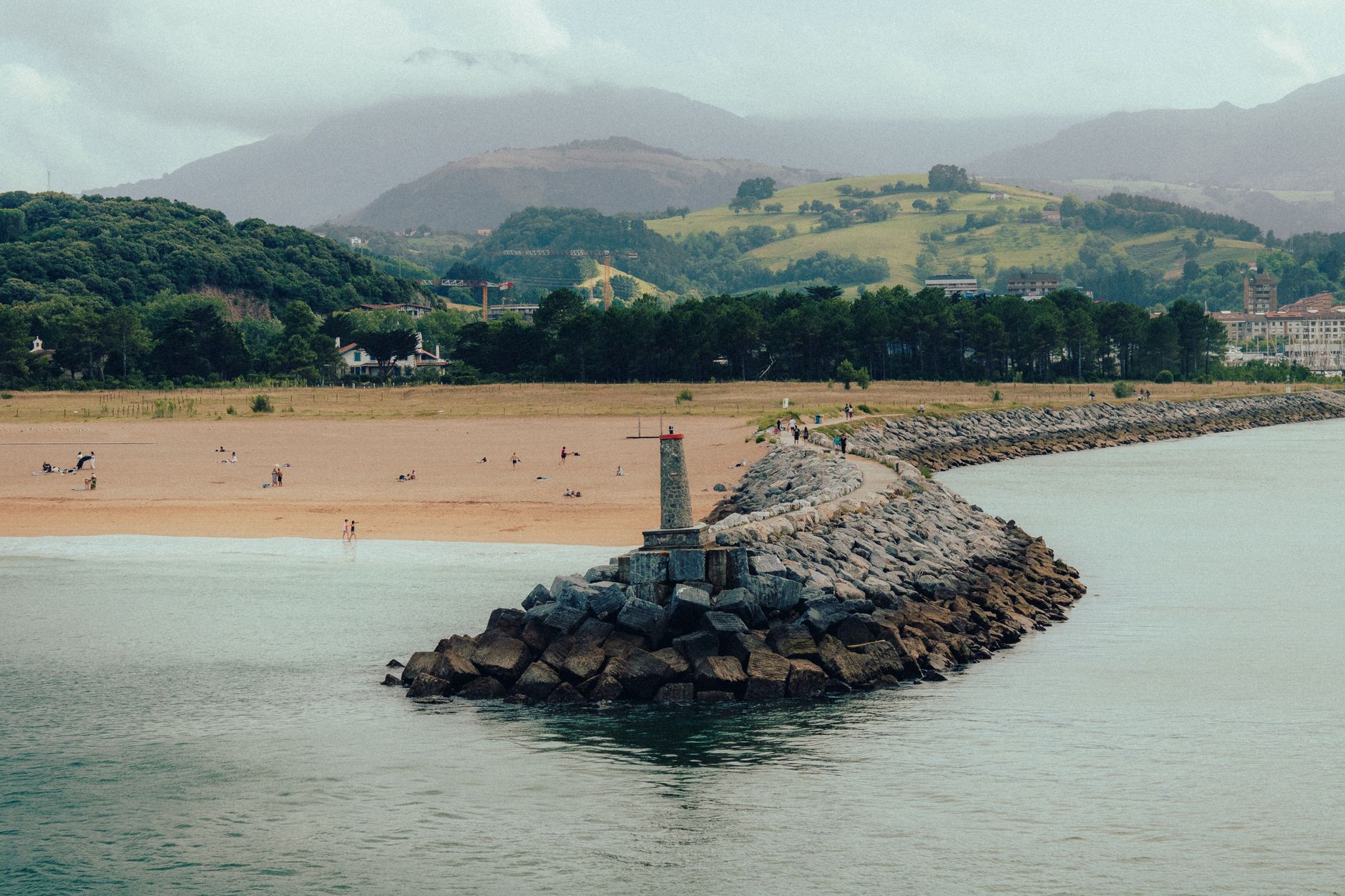
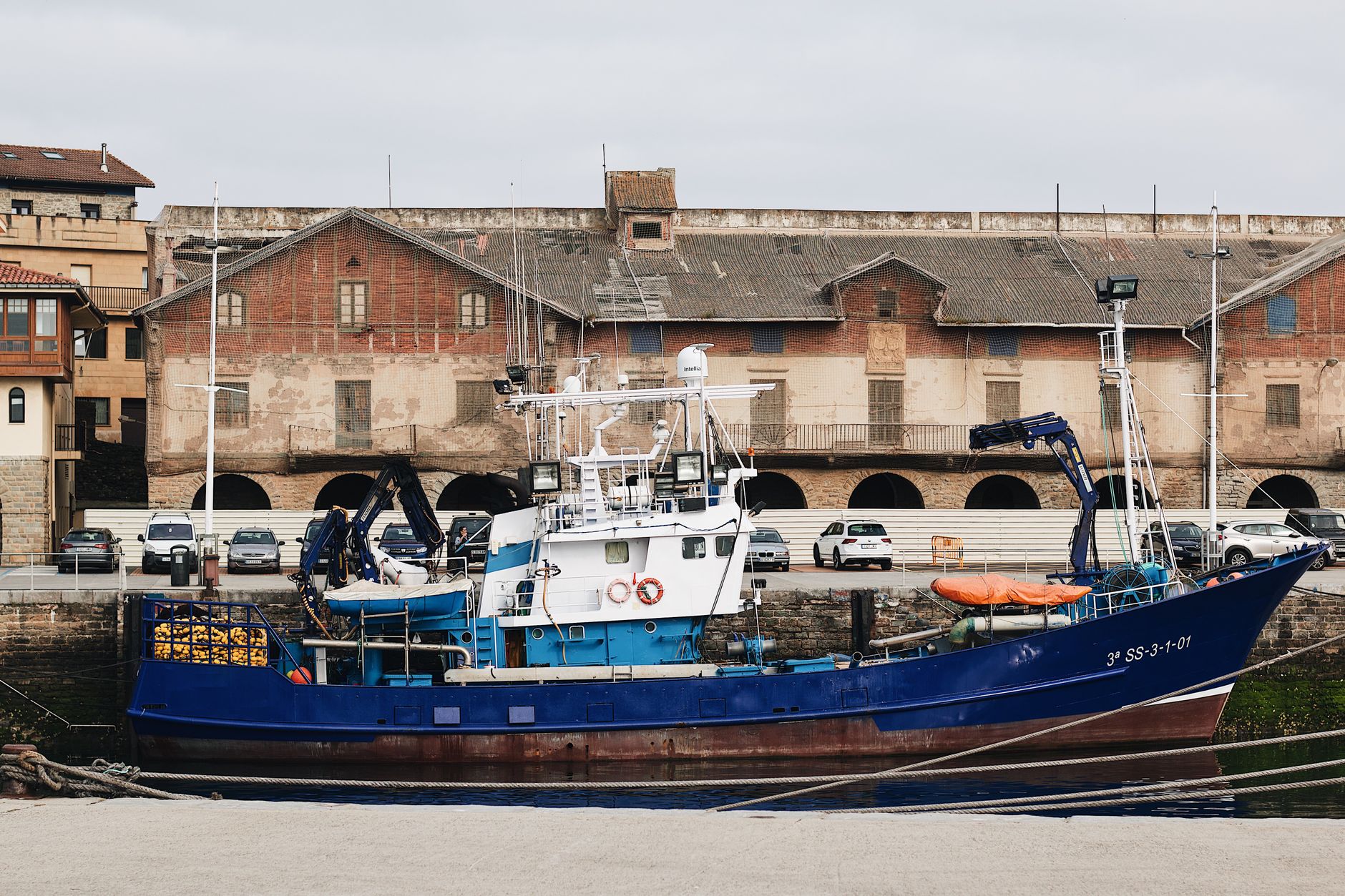
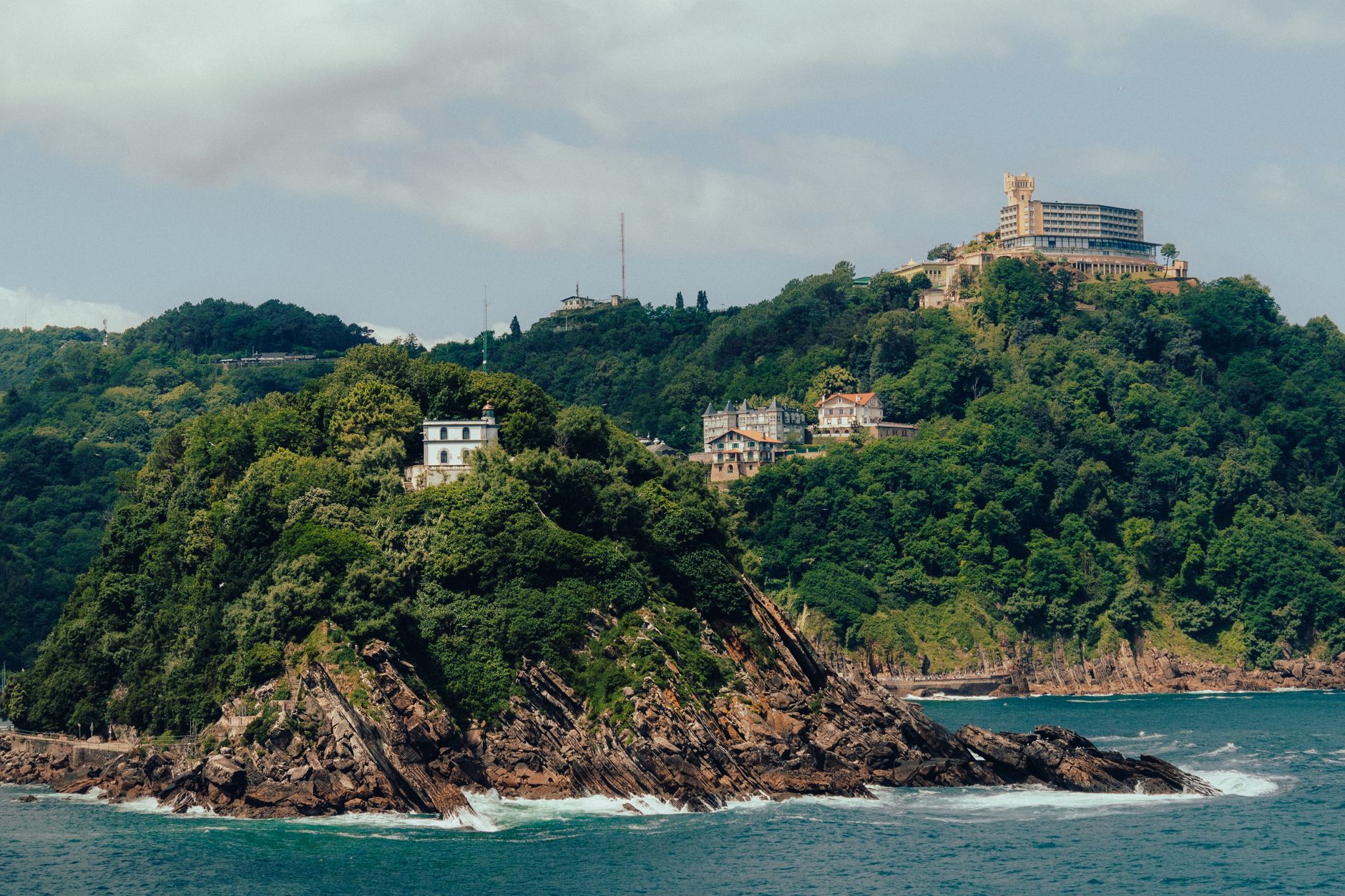
Getaria sits on a narrow peninsula projecting into the Cantabrian Sea. The village occupies the slopes of Mount San Antón, creating a steep vertical layout where stone streets drop toward the harbor. Vines grow on the hillsides surrounding the town, thriving in the damp climate of Gipuzkoa. Summer winds move across the Atlantic to keep the air cool, while winter storms push waves against the harbor walls. The village stays quiet outside the peak summer months, when the narrow lanes fill with people traveling from nearby San Sebastián to walk the waterfront.
What to eat and drink
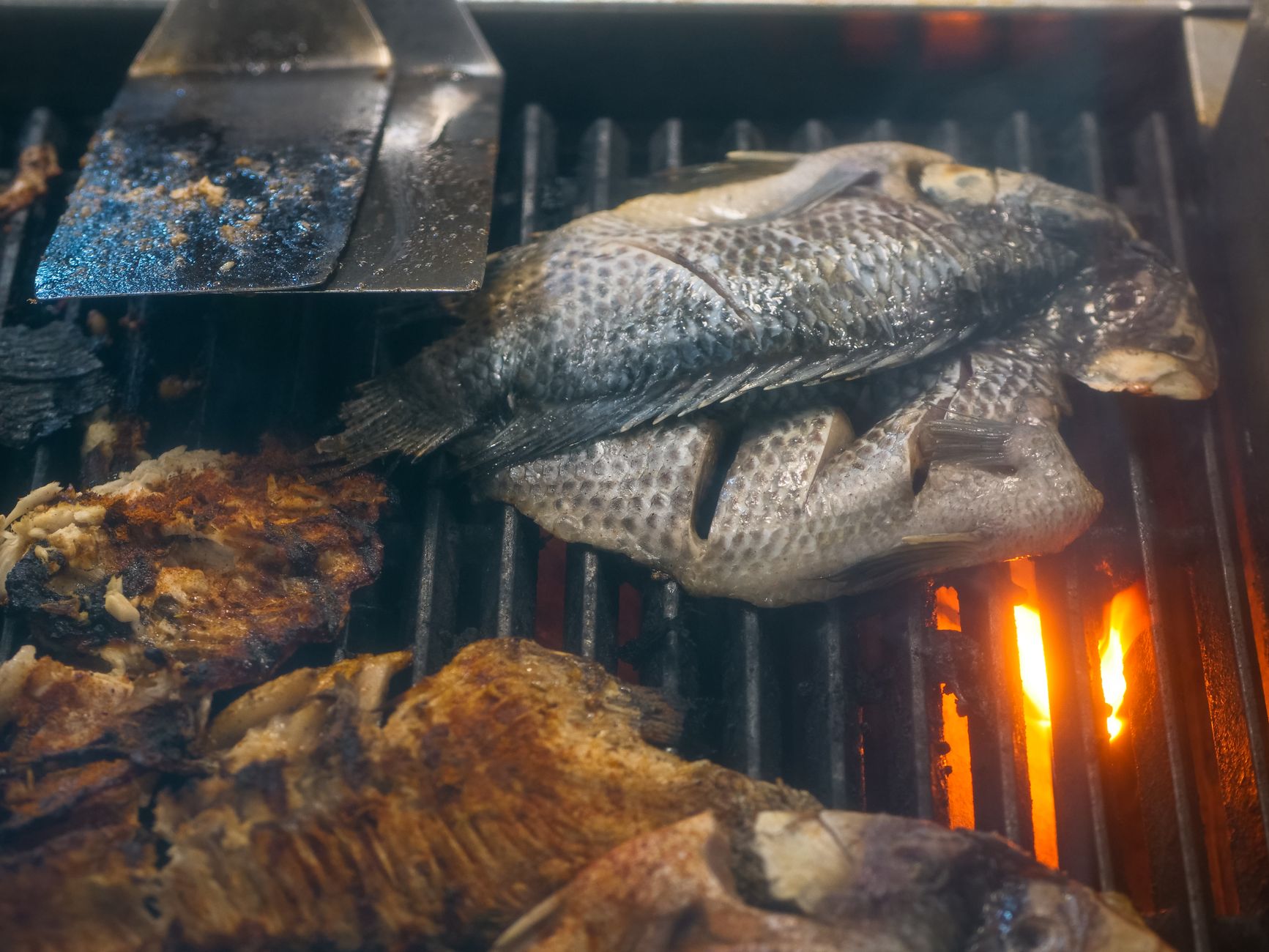
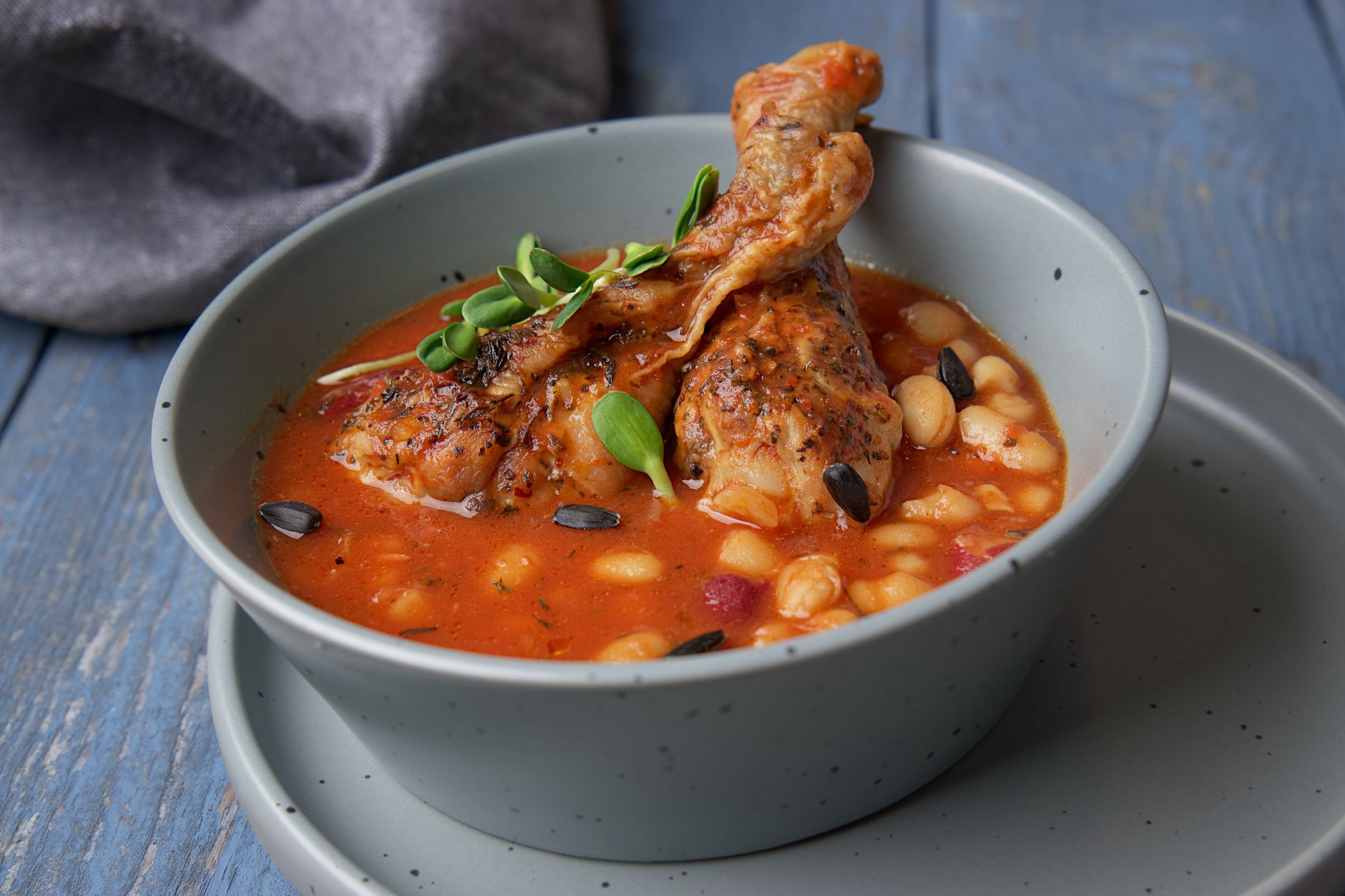
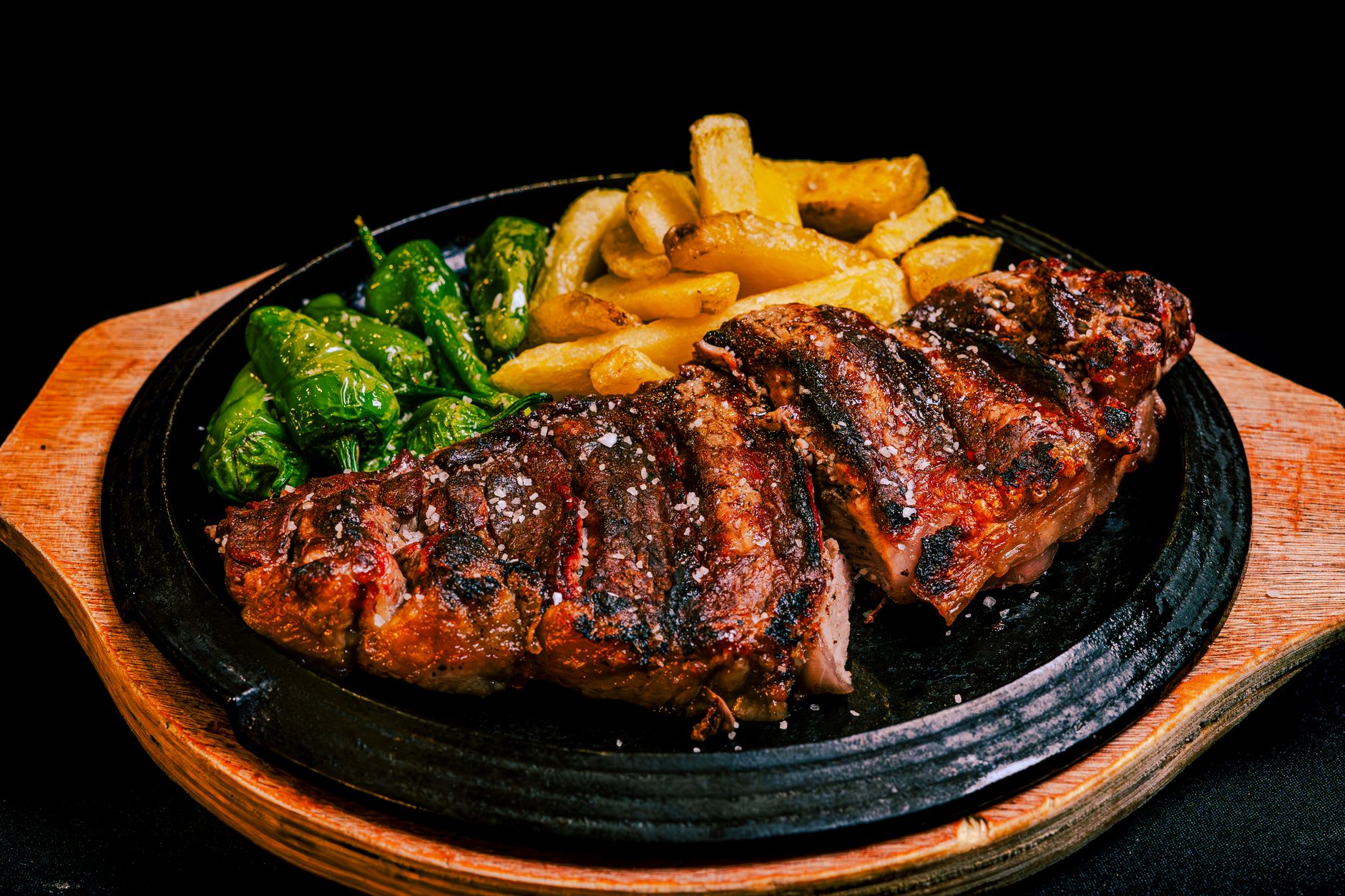
The proximity to the sea dictates the local table. Restaurants pull line-caught hake and sea bream from the bay to grill over open coals. Anchovies, salted and preserved in oil, appear on bread as a standard midday snack. The province specializes in Txakoli, a bone-dry, lightly effervescent white wine produced from grapes grown on the slopes directly above the coast. For a final course, Gatzatua is the local curd, a fresh sheep milk cheese often served with honey and walnuts gathered from the inland valleys of the Basque Country.
Basque Country: the whole region
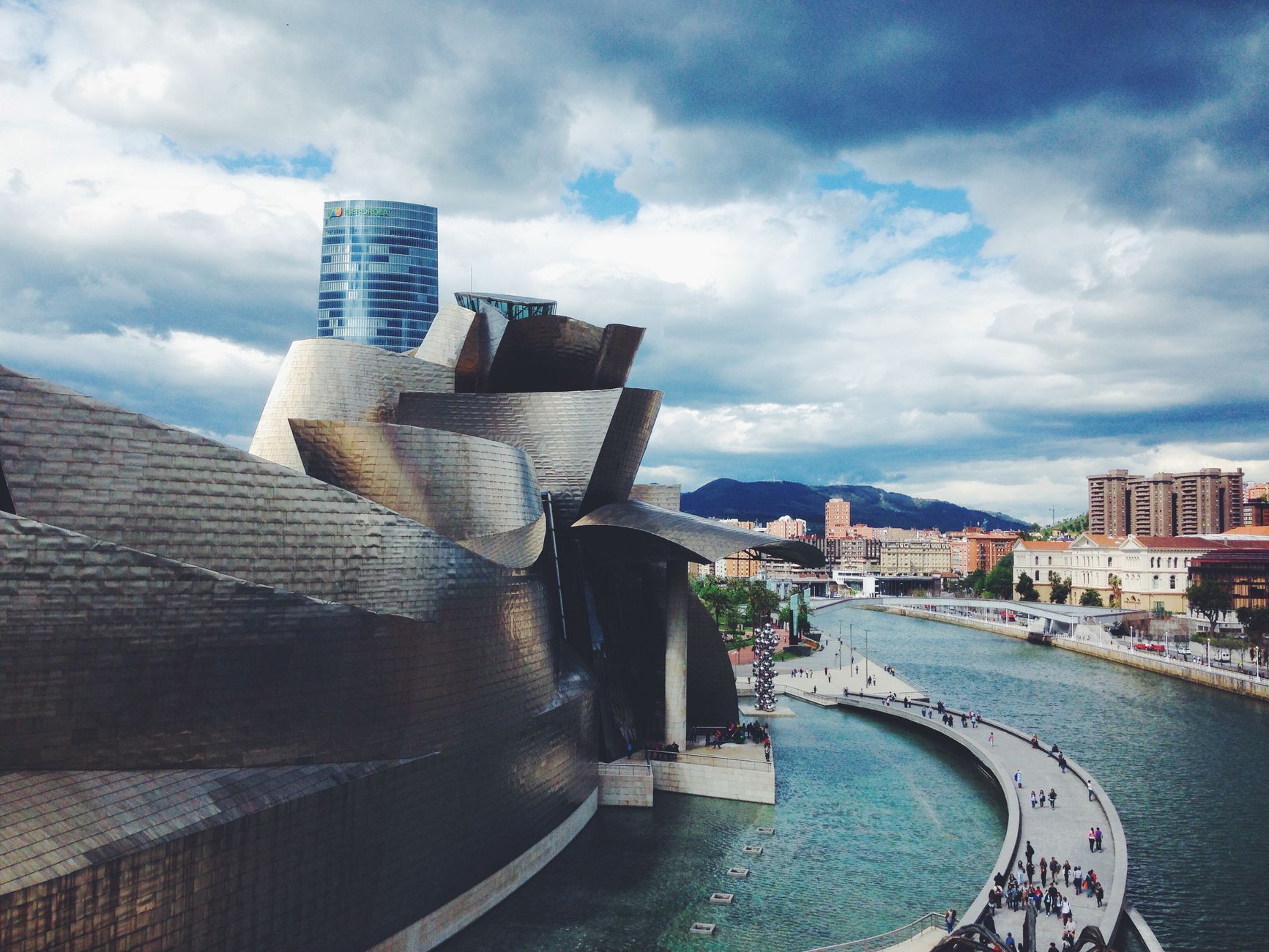
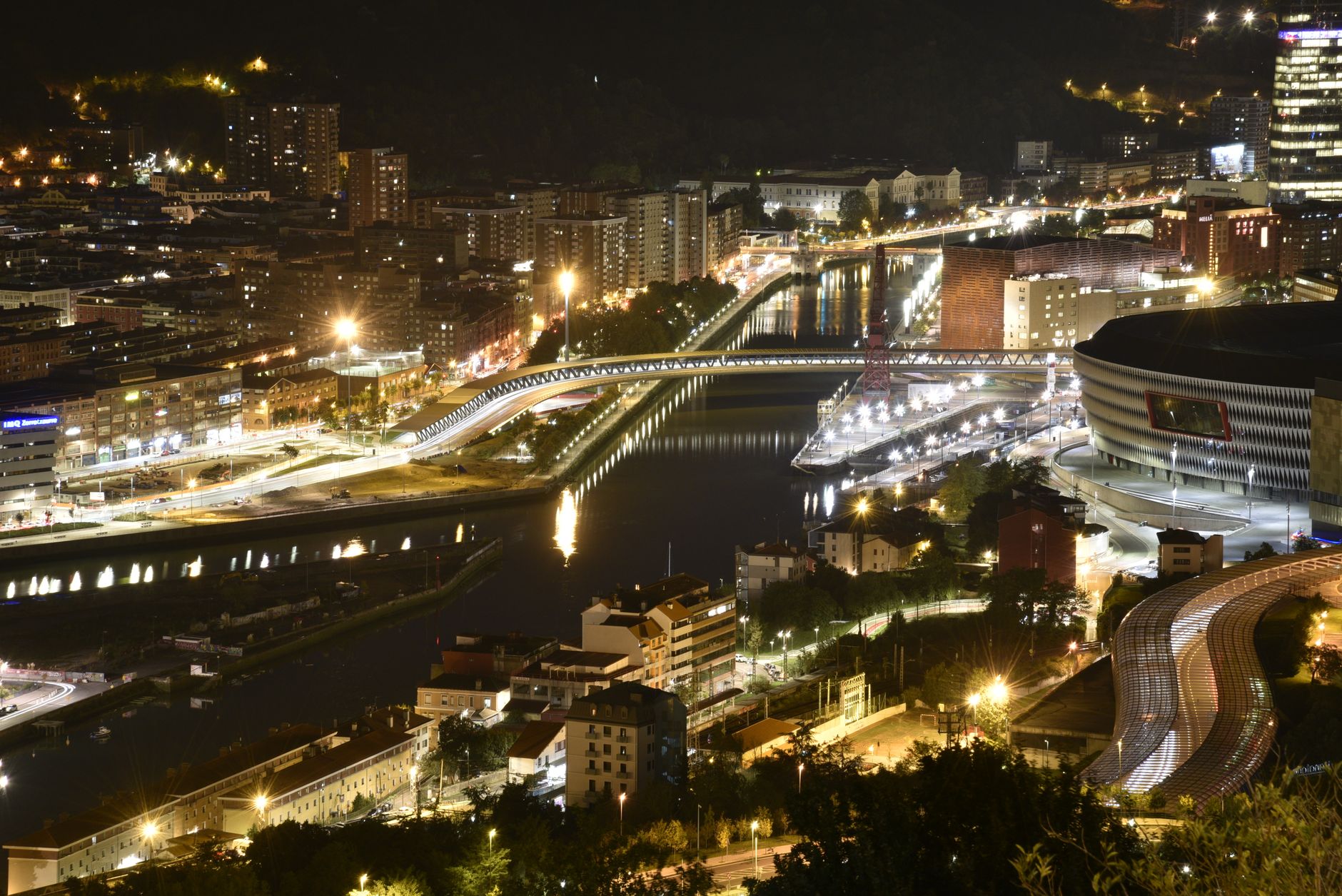
The Basque Country is the most expensive and the most rewarding corner of northern Spain: three small provinces, each with its own character, all within an hour of each other. It suits travellers who want to eat well and move slowly far…
Minimum 4 days · better 7 days · deep 2 weeks
What's Nearby

Pair It With

In Basque Country








In Basque Country


In Basque Country









Logistics are verified only. We don't publish schedules we haven't confirmed.
Ready to build Museo Balenciaga into a trip?
You've found a place worth going. When you're ready to turn discovery into an itinerary, Travel Itinerary Co picks up where the Field Guide leaves off — with your saved places already in hand.
Build this into a tripContinues on Travel Itinerary Co
Spain Field Guide may earn a commission when you book through selected links. Recommendations are editorial and independent of commission.