Peine del Viento

Recommended, and the best free thing in San Sebastián. Go at the end of the day.
Three sculptures bolted into the sea wall, with no ticket, no railing and no crowd beyond the end of the promenade.
At a Glance
- — You are looking for a museum — the San Telmo covers Chillida's context better
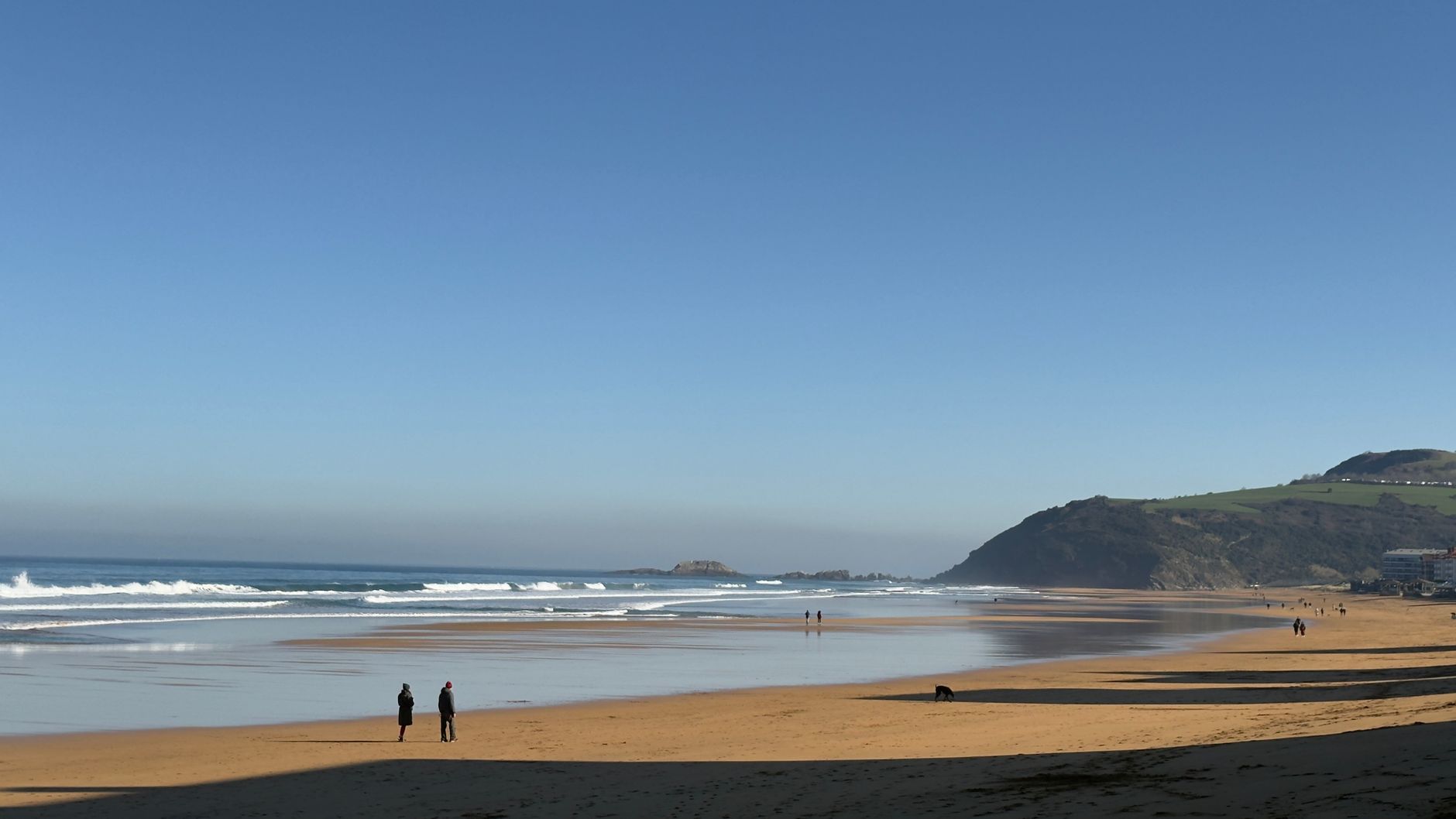
At the western end of Ondarreta beach, where the promenade runs out of town, three massive iron structures are bolted into the rock facing the open sea. Eduardo Chillida made them in 1977, and they are the best argument for his work: heavy, rusted, entirely at home in the weather, with water forced up through the pipes they contain. The city built them and then, unusually, left the place alone: no railings, no platform, no ticket. Walk out at the end of the day, when the light is behind them and the surfers are in the water. Ten minutes from the end of the promenade, and free.
How it got here
Donostia-San Sebastián grew from a medieval port into a retreat for the Spanish monarchy during the nineteenth century. This shift turned a defensive shoreline into a promenade of grand architecture. Eduardo Chillida sought a site that unified his Basque heritage with the maritime identity of the Gipuzkoa coast. He placed his iron sculptures in 1977 where the city meets the Bay of Biscay. The installation marks a bridge between the industrial past of the province and the modernist movement. These pieces now define the edge of the city, acting as a visual anchor that connects the rugged natural geology of the coastline to the urban grid established by early city planners.
Where it sits
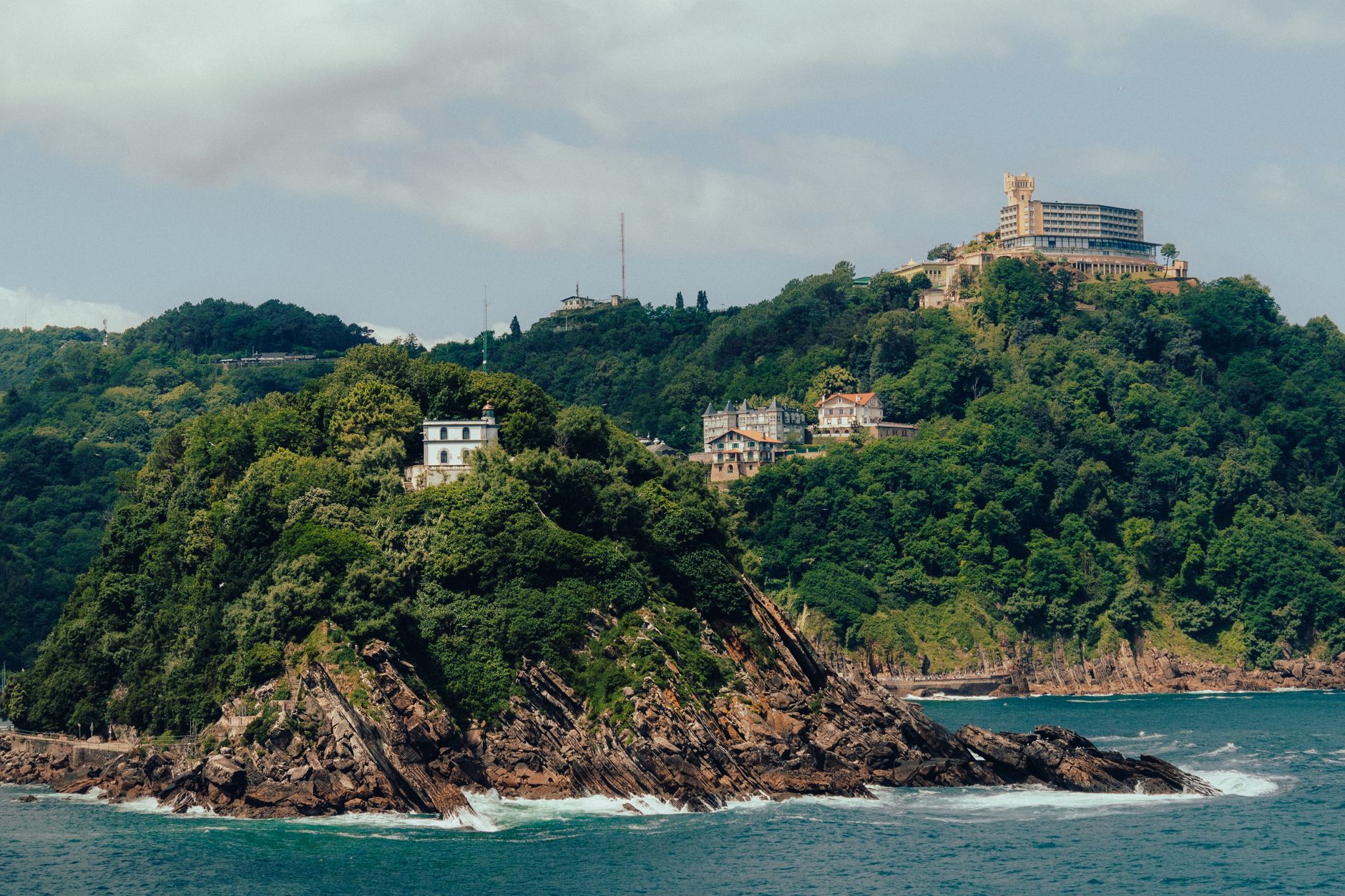
The promenade follows the edge of the bay until the sand gives way to the chaotic limestone rocks of Monte Igueldo. High tide sends swells into the iron pipes, forcing air and spray through holes that Chillida bored into the steel. Salt coats the iron and the path as the Cantabrian Sea dictates the mood of the shore. Winter storms turn the water into a grey, heavy force that hits the sculptures with violence, while summer evenings bring light that softens the hard, rusted edges against the horizon. The wind from the Atlantic is a constant companion here.
What to eat and drink
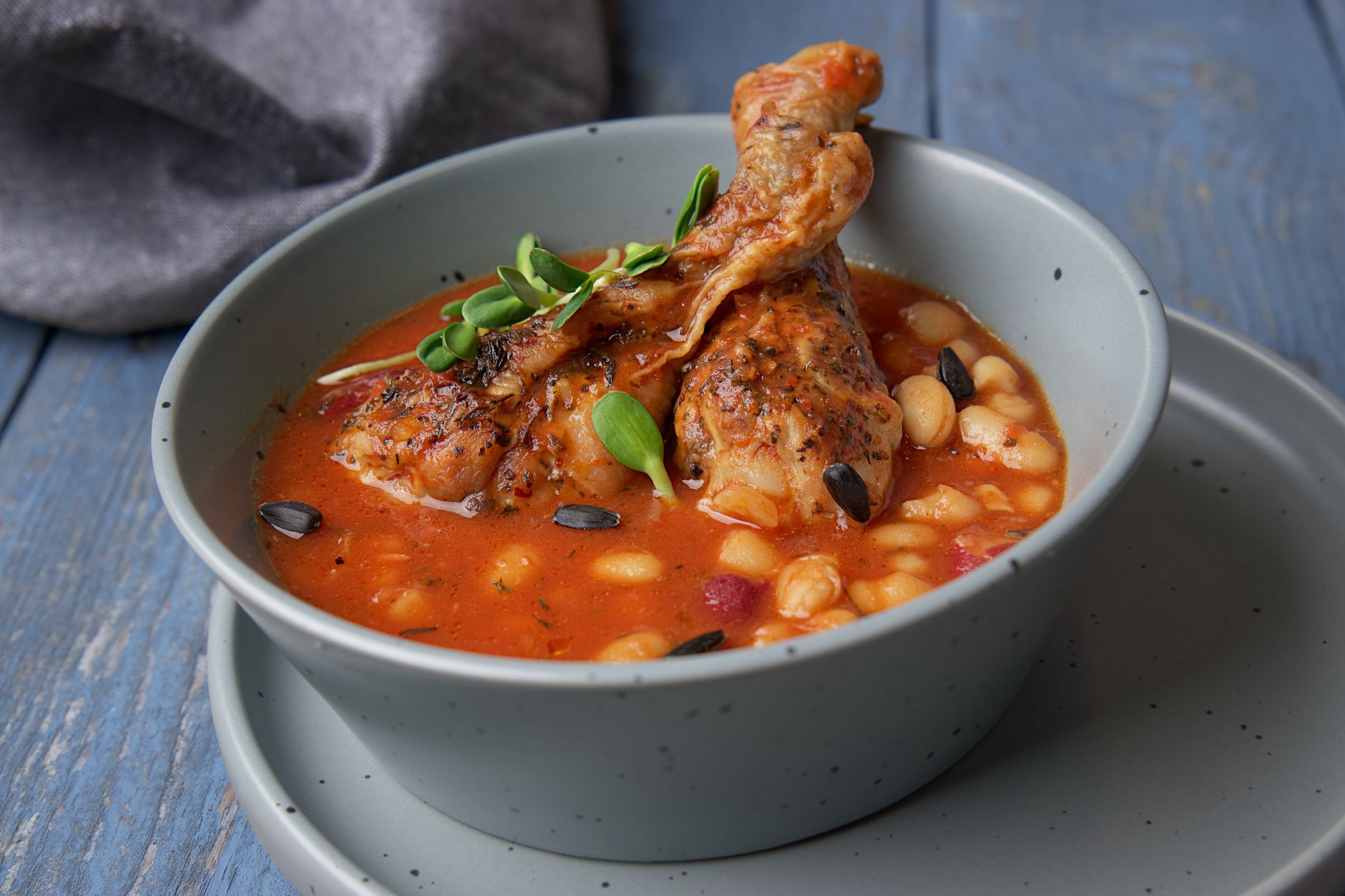
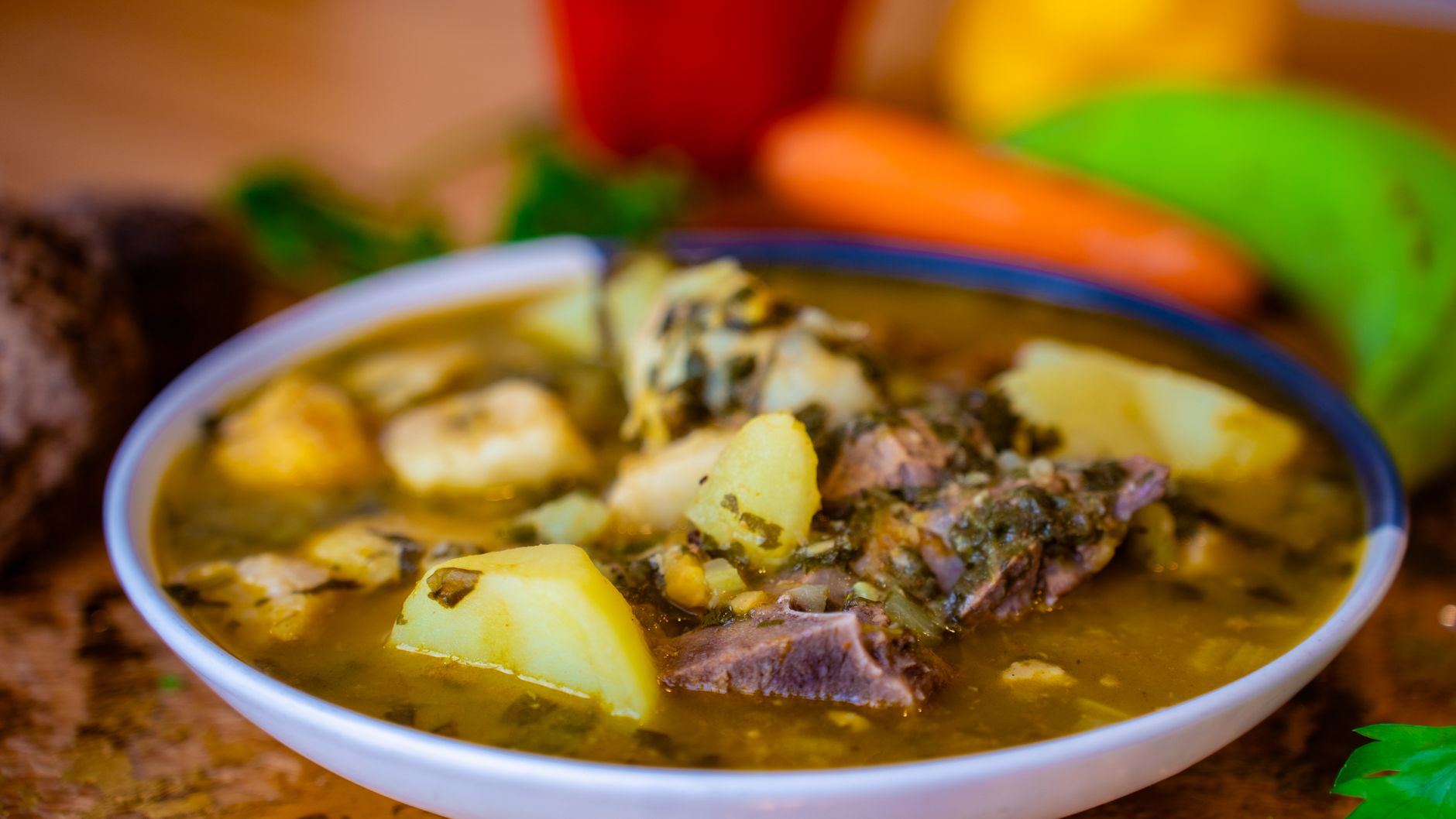
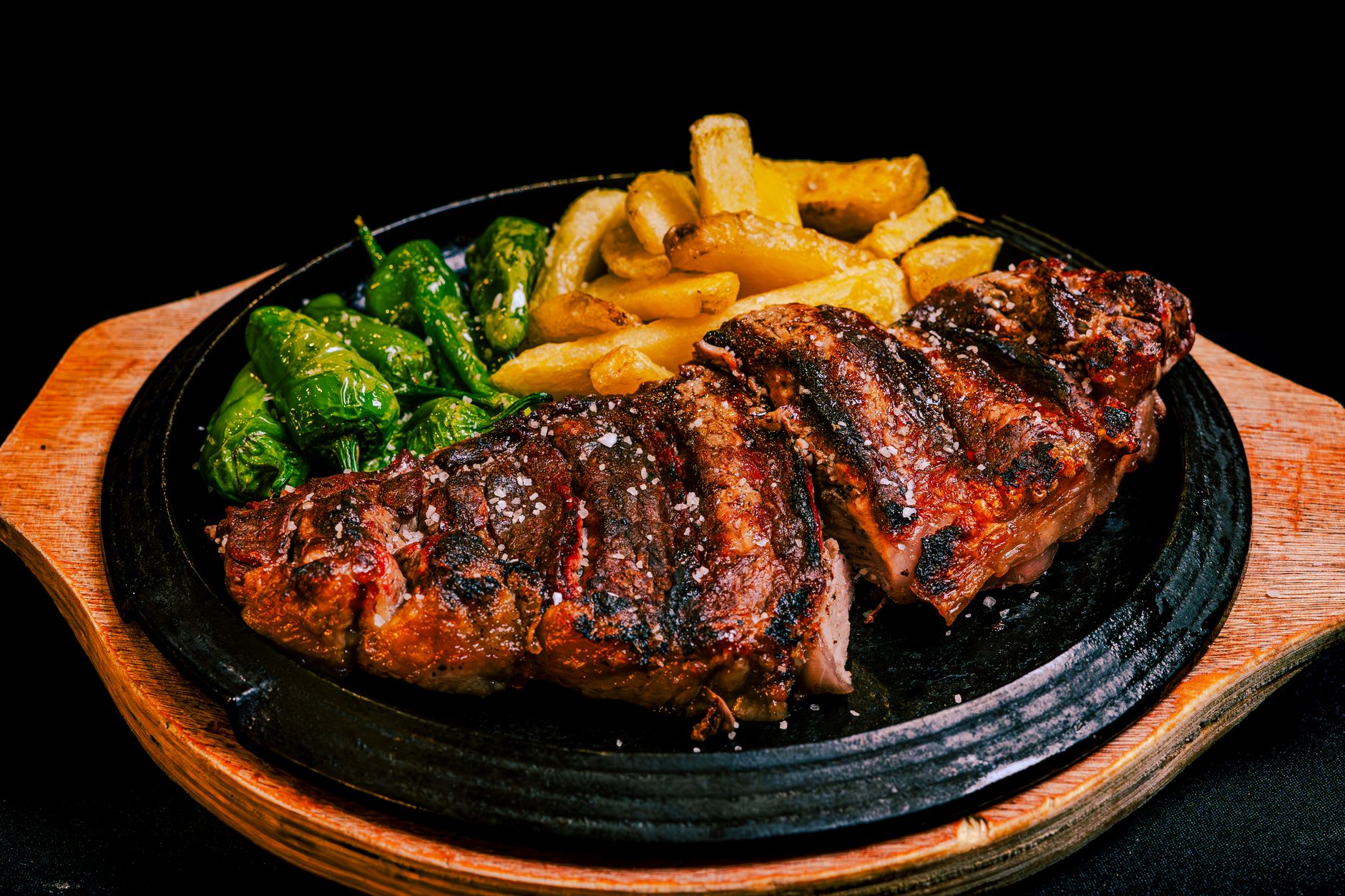
The province favors simple ingredients pulled from the sea and the green valleys. Look for kokotxas, the tender throat glands of hake or cod simmered in pil-pil sauce of garlic, olive oil, and chili. A slice of tortilla de patatas, thick with slow-cooked onions and potatoes, serves as the standard midday meal. Drink txakoli, a dry, slightly effervescent white wine produced in the nearby hills of Getaria. It tastes of the green coast and ocean air. Finish a meal with intxaursalsa, a traditional cream of walnuts, milk, and sugar that dates back to the older farmhouses of the Basque interior.
Basque Country: the whole region
The Basque Country is the most expensive and the most rewarding corner of northern Spain: three small provinces, each with its own character, all within an hour of each other. It suits travellers who want to eat well and move slowly far…
Minimum 4 days · better 7 days · deep 2 weeks
What's Nearby


Pair It With
In Basque Country








In Basque Country


In Basque Country










Logistics are verified only. We don't publish schedules we haven't confirmed.
Ready to build Peine del Viento into a trip?
You've found a place worth going. When you're ready to turn discovery into an itinerary, Travel Itinerary Co picks up where the Field Guide leaves off — with your saved places already in hand.
Build this into a tripContinues on Travel Itinerary Co
Spain Field Guide may earn a commission when you book through selected links. Recommendations are editorial and independent of commission.