Jazzaldia

Recommended if you are anywhere near the city that week. The free beach stages are the reason.
A long-running festival that takes over the whole city, with music you can walk into off the sand.
At a Glance
- — You want a quiet city or cheap hotels in late July
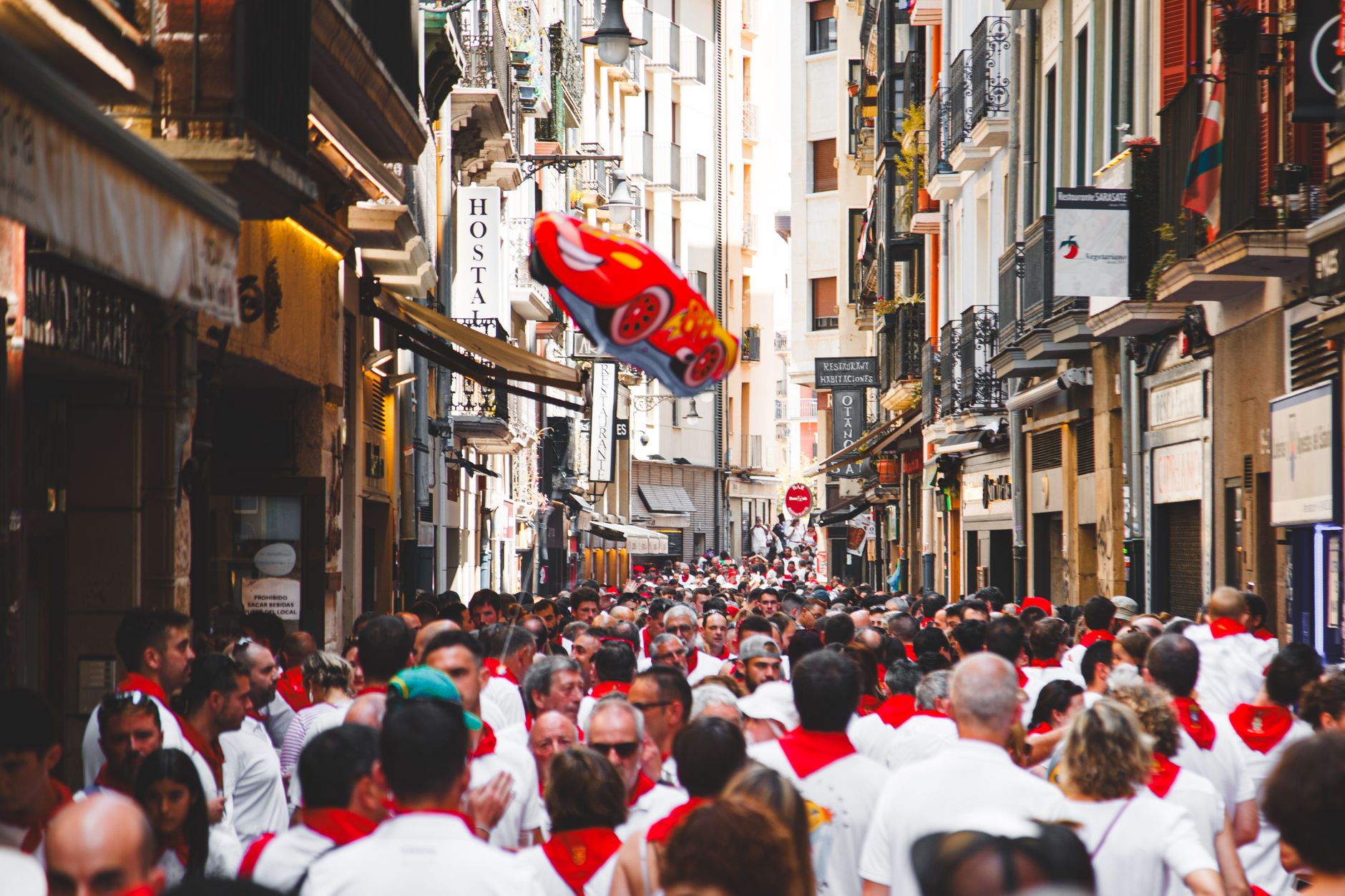
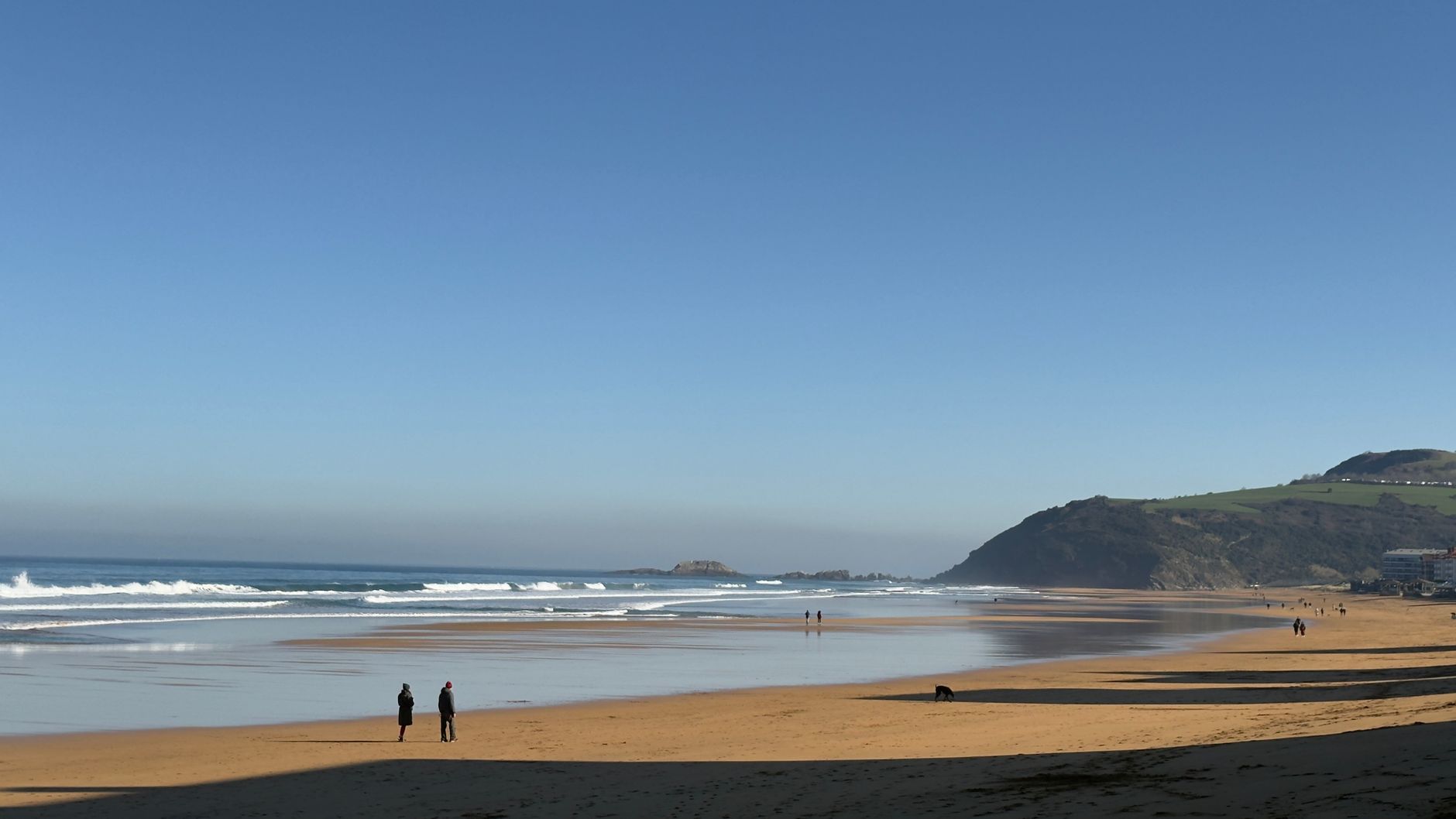
The San Sebastián Jazz Festival, known as Jazzaldia, has run since 1966 and is the oldest jazz festival in Spain and among the oldest in Europe. It takes over the city for five days in the second half of July, with paid concerts in the Kursaal and the Plaza de la Trinidad and free stages on Zurriola beach, where you can walk up with a drink and stand in the sand. The programme is deliberately broad, from established American players to Basque and European groups, and the beach stages are what make the week feel like a city festival rather than a concert hall. Hotels are expensive that week: book early or stay in Zarautz.
How it got here
San Sebastián became a summer capital during the late nineteenth century when the Spanish royal court spent its vacations at the Palacio de Miramar. This royal patronage shaped the city into an elegant enclave of belle époque architecture and cultural ambition. In 1966, promoters launched a jazz festival here to build upon this international reputation for leisure and high culture. The event grew from a single venue into an sprawling annual gathering that now commands the city calendar. Its endurance across decades marks the transformation of the city from a seasonal destination for the aristocracy into a permanent hub for European artistic exchange.
Where it sits
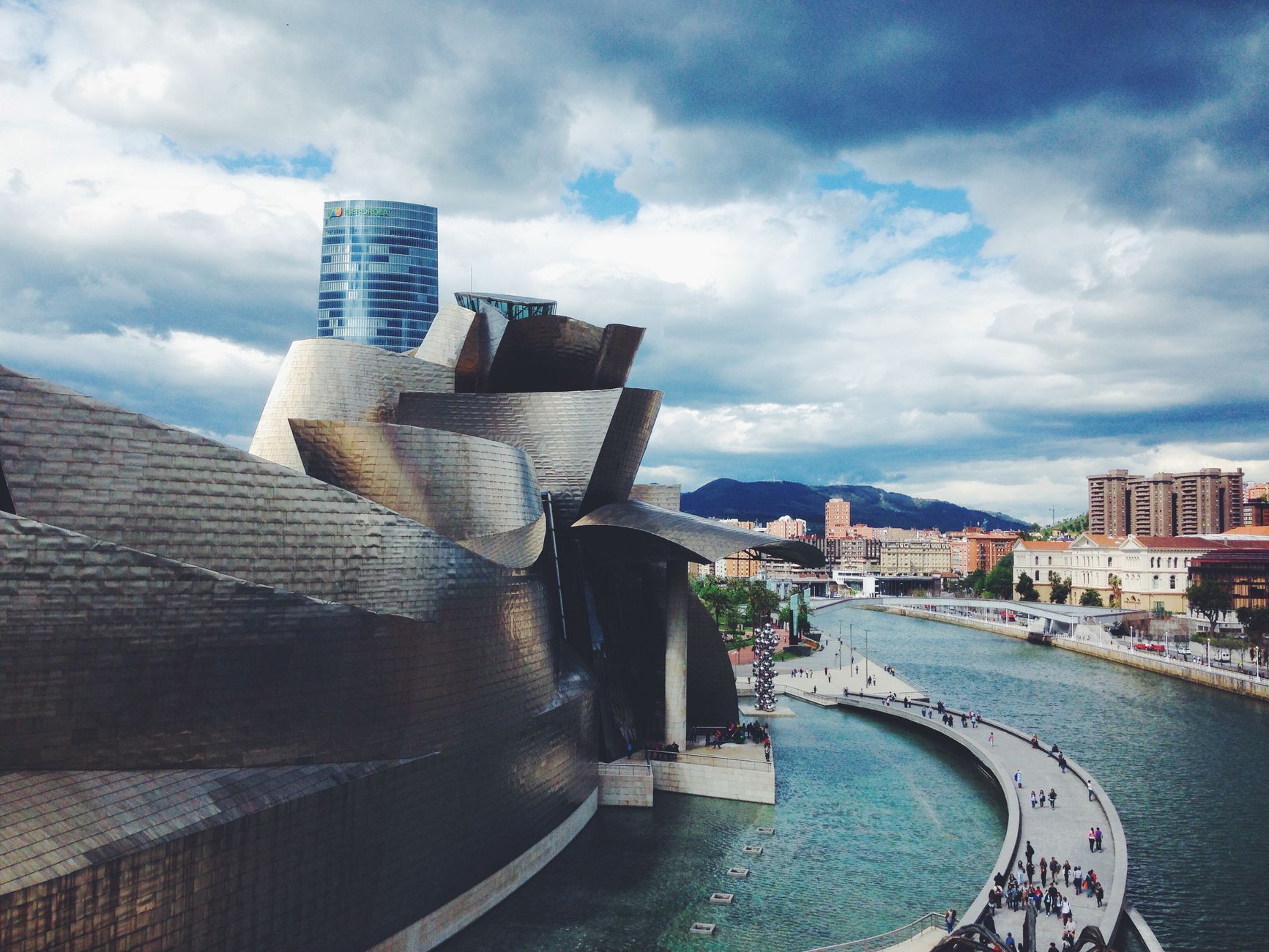
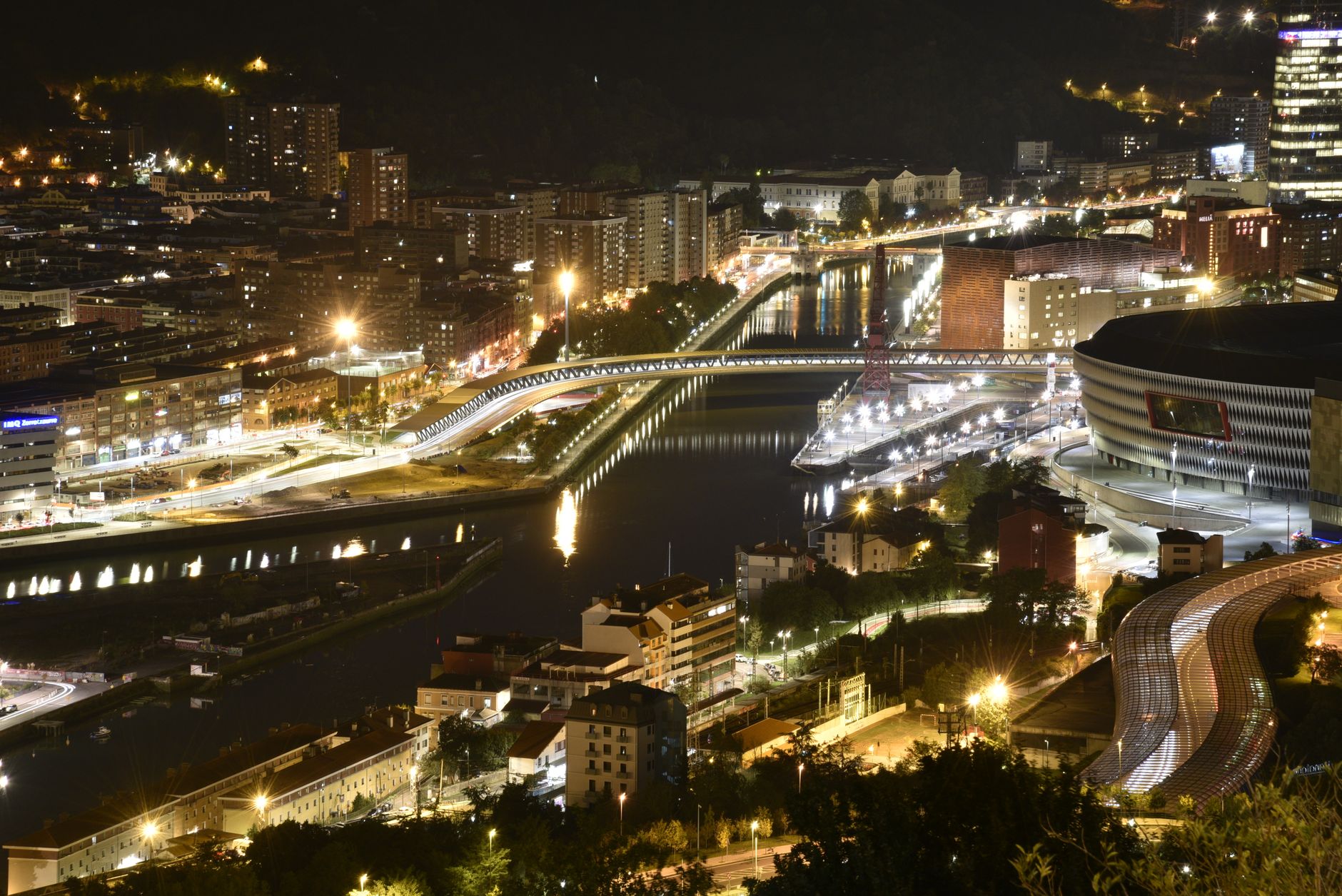
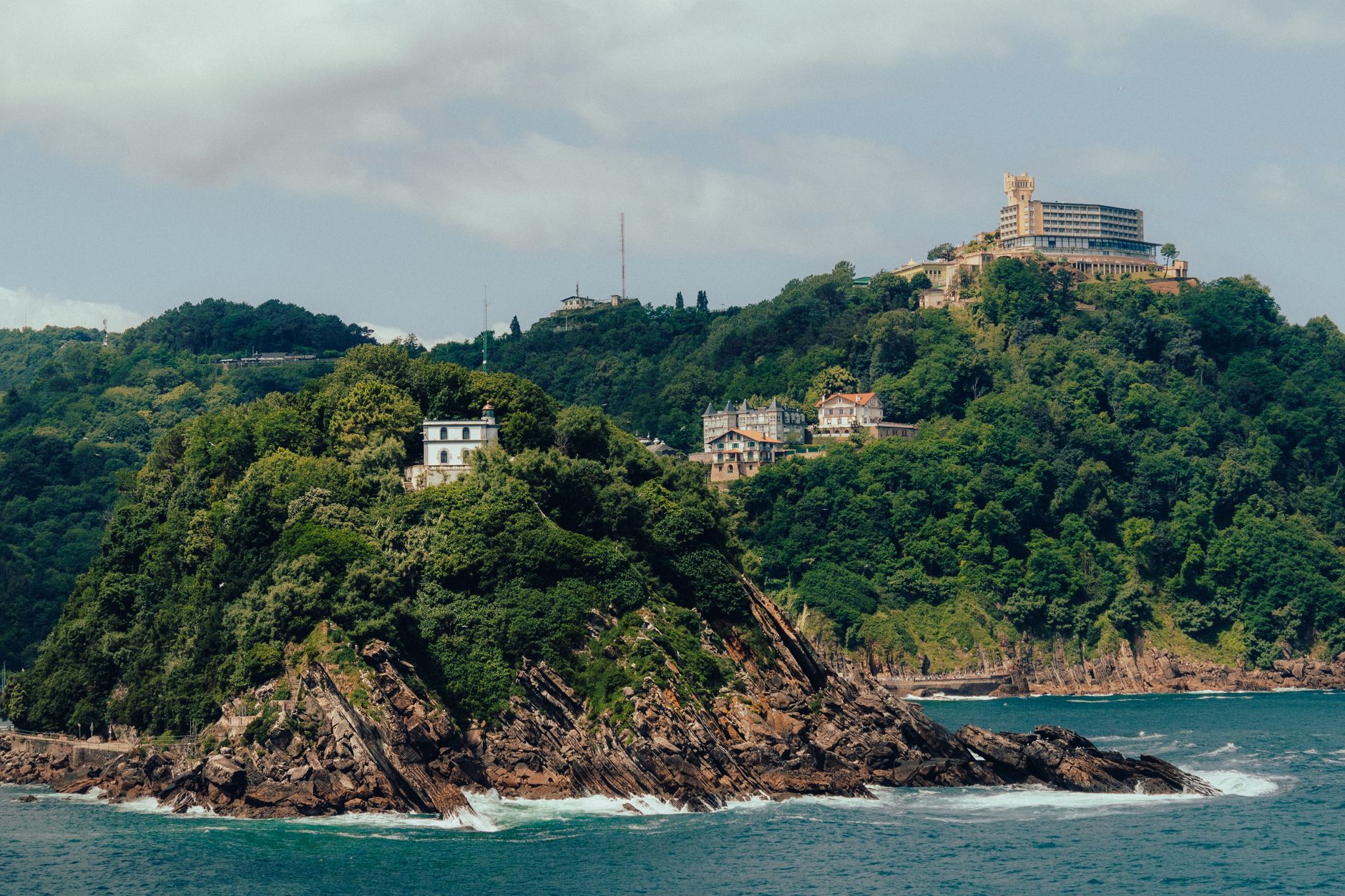
The city occupies a narrow break in the Cantabrian coast where the Urumea river cuts through steep hills to reach the Bay of Biscay. Green mountains press against the urban fringe, and the tide dictates the width of the sand at the Zurriola and La Concha beaches. Atlantic weather patterns bring frequent rain and cool winds even in midsummer, keeping the slopes lush. During the third week of July, the city fills with crowds who spill from concert halls into the streets. Reaching the city requires navigating the winding coastal roads or the rail lines that hug the northern shoreline.
What to eat and drink
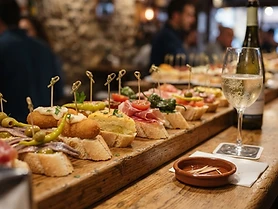
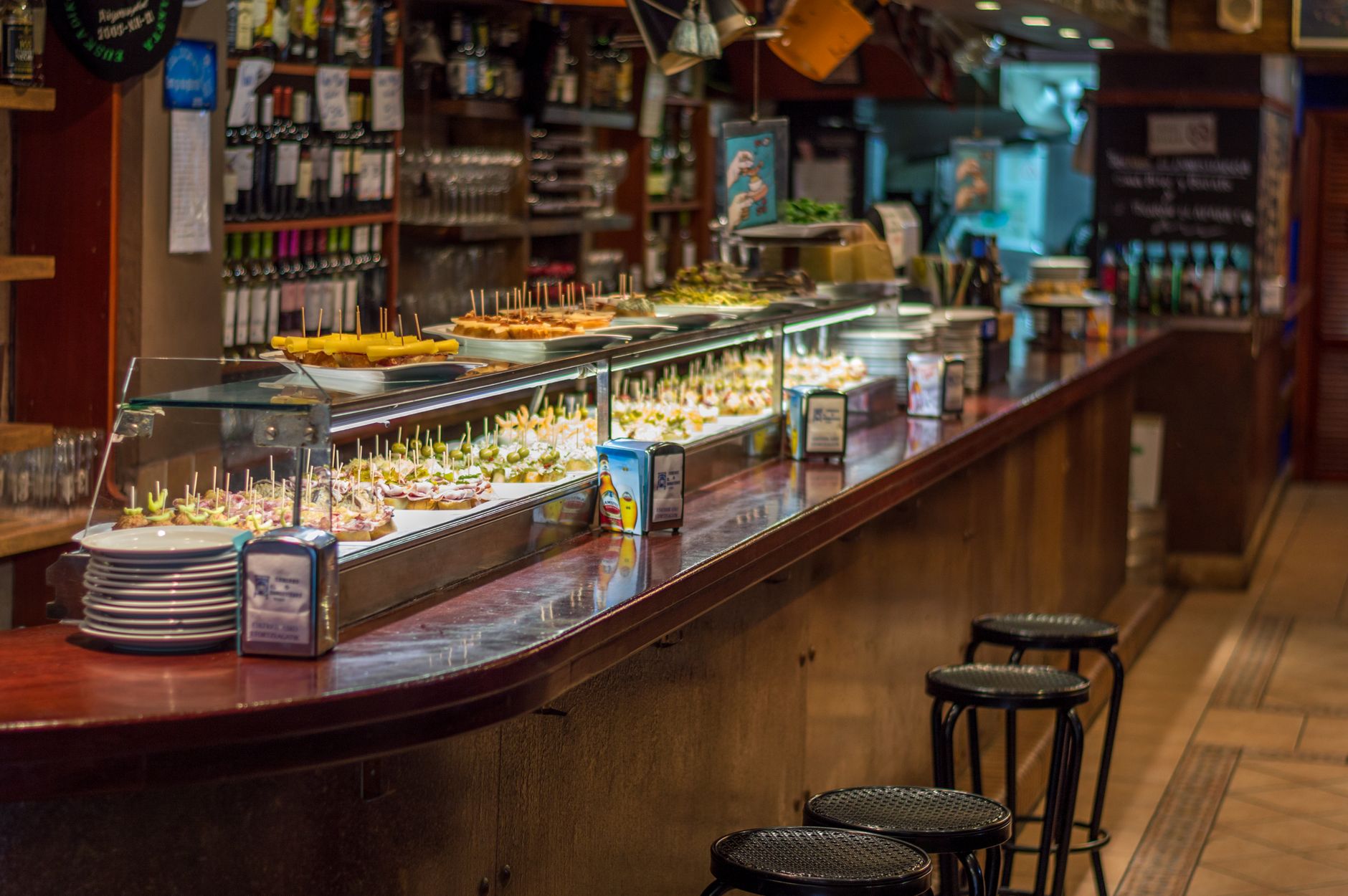
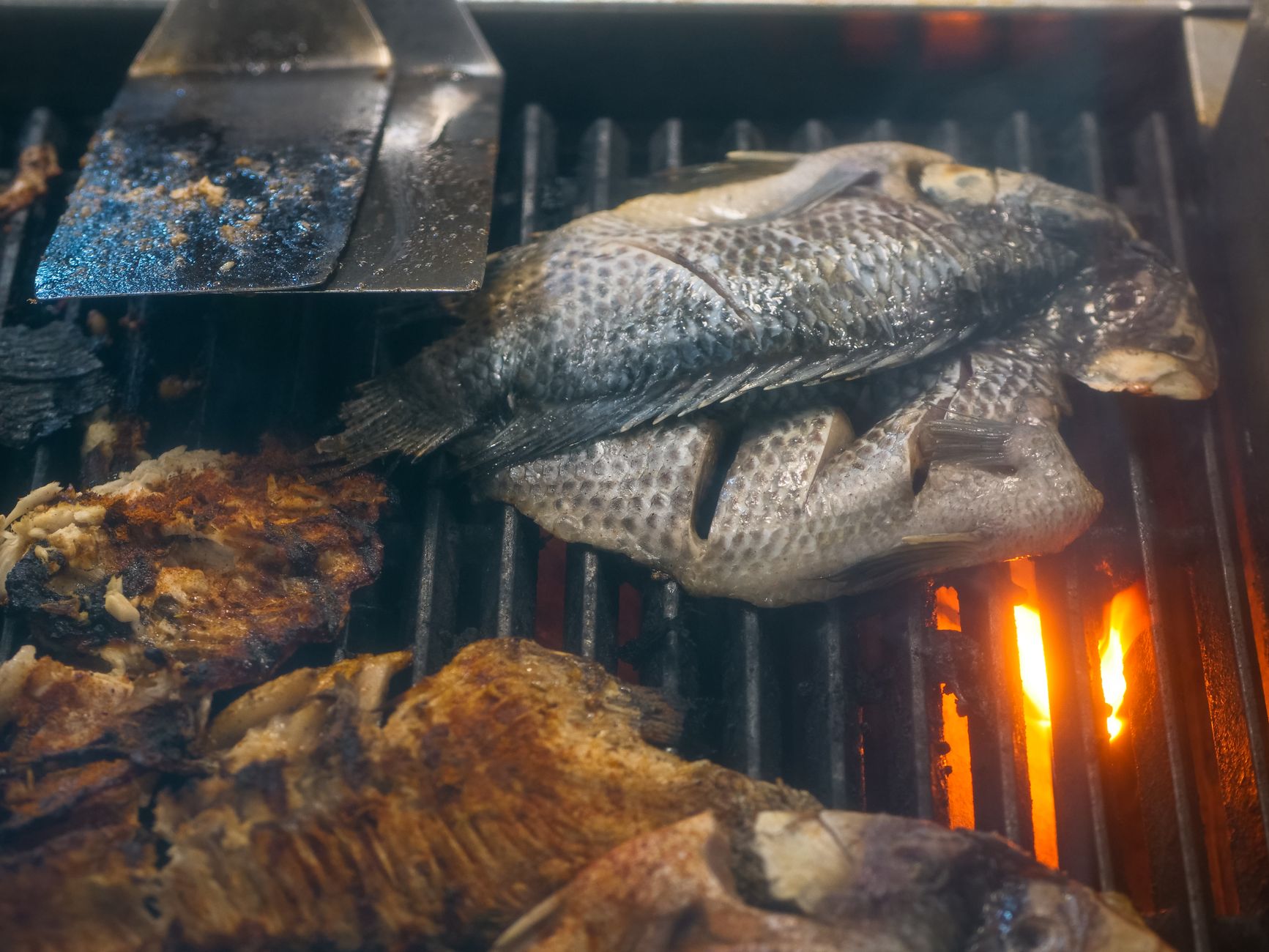
Txakoli, a crisp and slightly effervescent white wine produced in the nearby coastal vineyards, serves as the standard accompaniment to the local table. Diners order gildas, skewers of green olives, pickled guindilla peppers, and salt-cured anchovies, to start a meal. For a substantial plate, the tradition leans toward bacalao al pil-pil, salt cod emulsified in a sauce of olive oil, garlic, and chili. The province produces Idiazábal cheese, a smoked sheep milk variety that concludes most meals. Cider houses in the surrounding hills provide heavy pours of dry, unfiltered sidra poured from the barrel at height to wake the liquid.
Basque Country: the whole region
The Basque Country is the most expensive and the most rewarding corner of northern Spain: three small provinces, each with its own character, all within an hour of each other. It suits travellers who want to eat well and move slowly far…
Minimum 4 days · better 7 days · deep 2 weeks


In Basque Country









In Basque Country


In Basque Country










Logistics are verified only. We don't publish schedules we haven't confirmed.
Ready to build Jazzaldia into a trip?
You've found a place worth going. When you're ready to turn discovery into an itinerary, Travel Itinerary Co picks up where the Field Guide leaves off — with your saved places already in hand.
Build this into a tripContinues on Travel Itinerary Co
Spain Field Guide may earn a commission when you book through selected links. Recommendations are editorial and independent of commission.