Santuario de Aránzazu
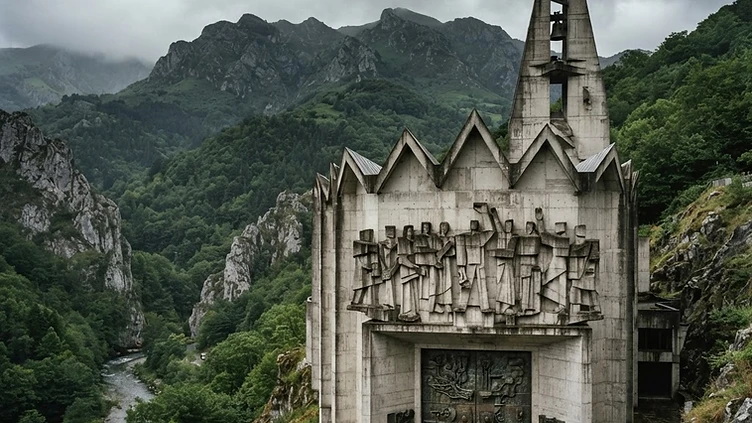
For modern-art people more than for pilgrims. The basilica is a 1950s Basque art statement — Oteiza's apostles, Chillida's doors — and the crag setting above Oñati carries the visit. Only worth it with a car, or the patience for the bus up from town.
A Franciscan sanctuary above Oñati, on the site of a 1469 apparition and rebuilt in the 1950s by Sáenz de Oiza with sculpture by Oteiza, Chillida and Basterretxea — the rare pilgrimage church that is also a landmark of modern art.
At a Glance
Clinging to the edge of a limestone gorge, this pilgrimage site is a stark departure from traditional Spanish architecture, defined by raw concrete and serrated, modern lines. The massive, spiked facade and the bronze doors designed by Chillida create a powerful contrast with the rugged, natural landscape of the Basque mountains. It is a place of cold air and intense reflection, where the heavy, minimalist art of Oteiza and the surrounding cliffs encourage a quiet, contemplative experience.
How it got here
Tradition holds that a shepherd found an image of the Virgin in a thorn bush here during the fifteenth century. Franciscan friars established a monastery on this high mountain slope shortly after. The current basilica rose during the middle of the twentieth century after architectural competitions sought to break from traditional religious aesthetics. Sculptor Jorge Oteiza provided the austere stone apostles for the facade while Eduardo Chillida forged the heavy iron doors. The project broke conventions by using sharp, concrete angles that mirror the jagged limestone heights. This structure marks a transition in Basque religious art, moving from ornate revivalism to a stark, sculptural minimalism.
Where it sits
The sanctuary hangs over a deep limestone canyon within the Aizkorri-Aratz Natural Park. Dense beech forests cover the lower mountain slopes, and fog frequently obscures the high, craggy peaks during the autumn and winter months. A winding road climbs from the valley floor through Oñati to reach the basilica. Pilgrims travel here to find silence in the thin, cold mountain air. The wind carries a constant chill even in early summer, and the grey concrete of the facade seems to emerge directly from the pale rock of the surrounding cliffs.
What to eat and drink
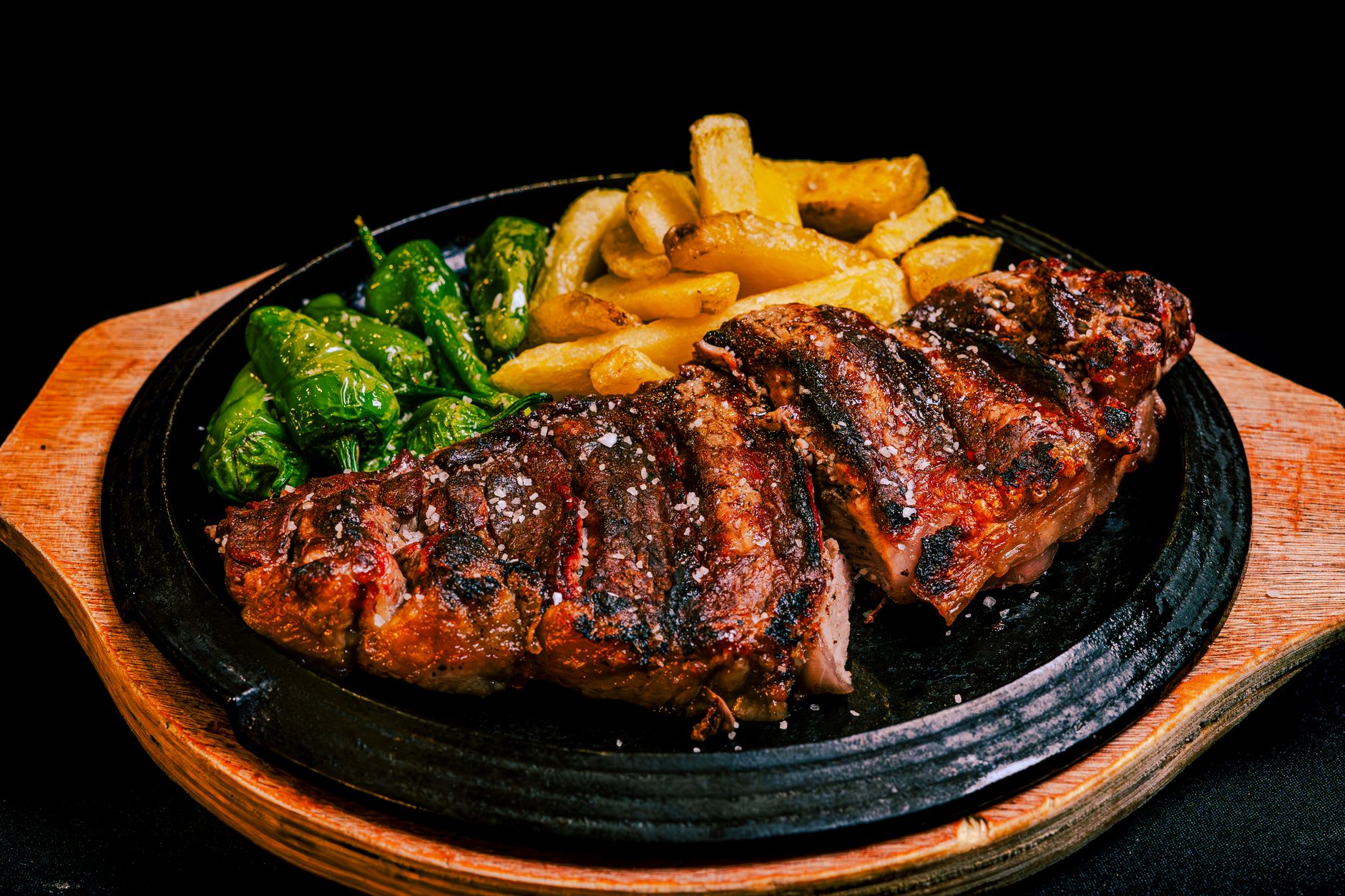
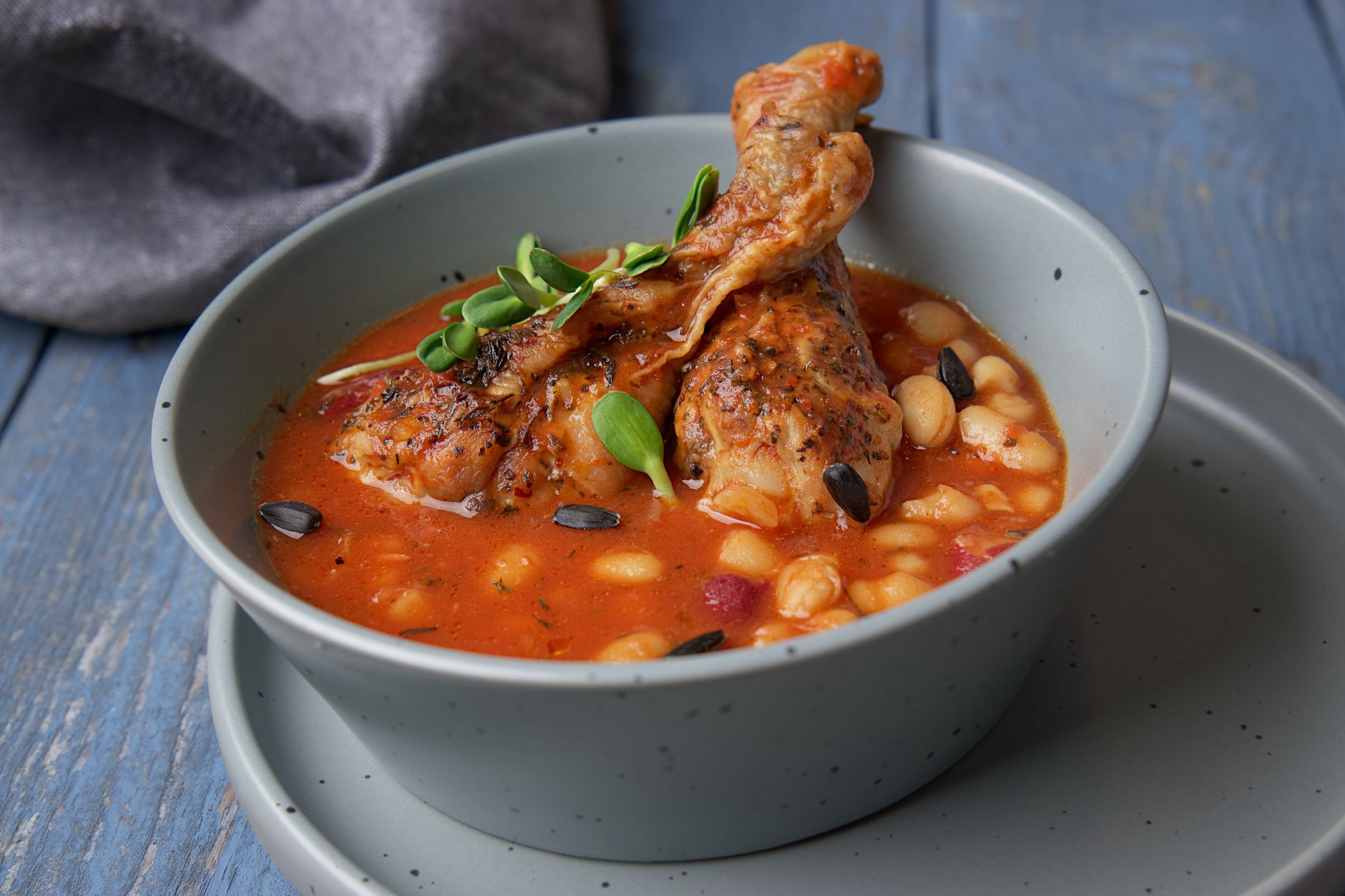
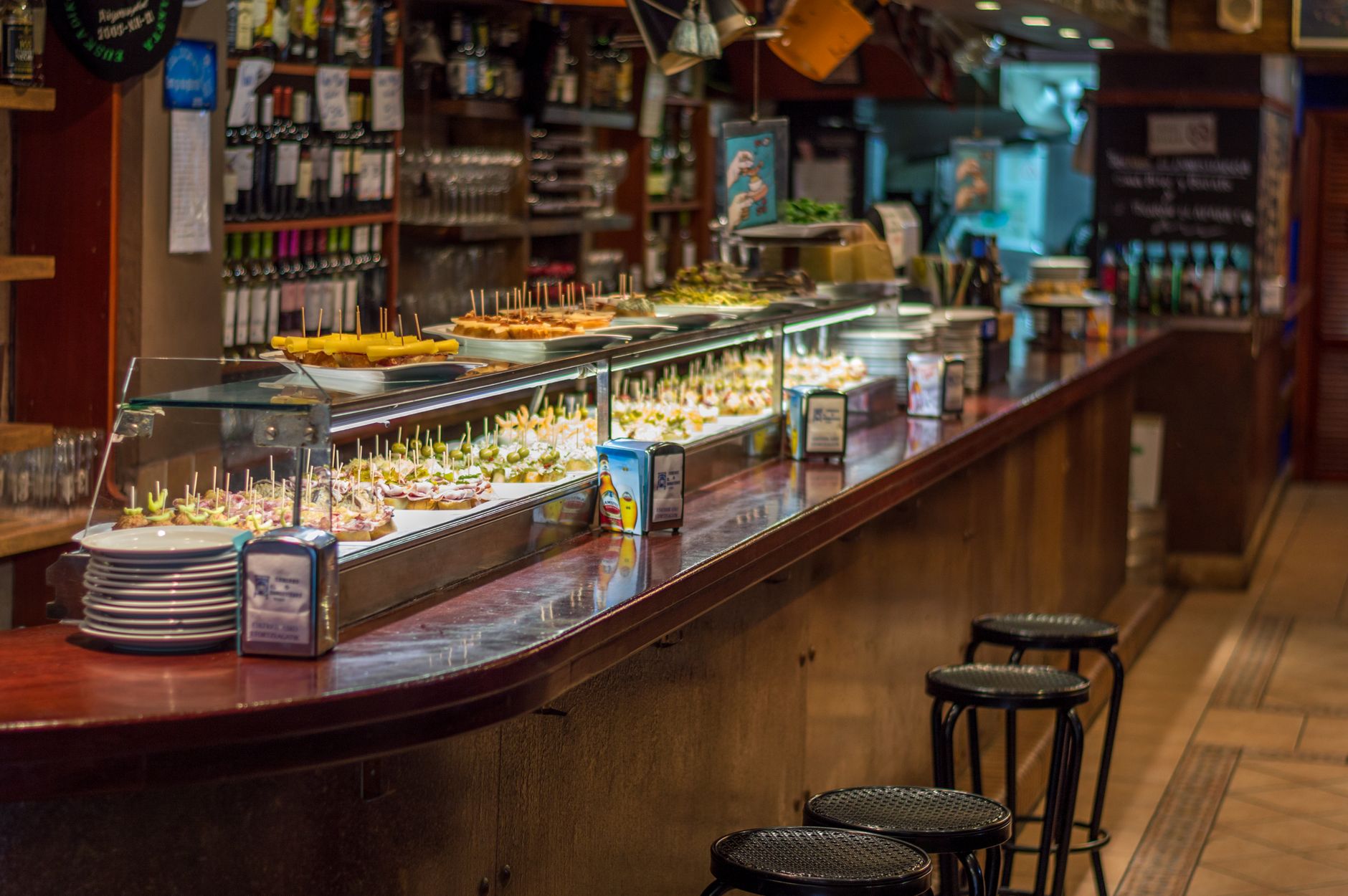
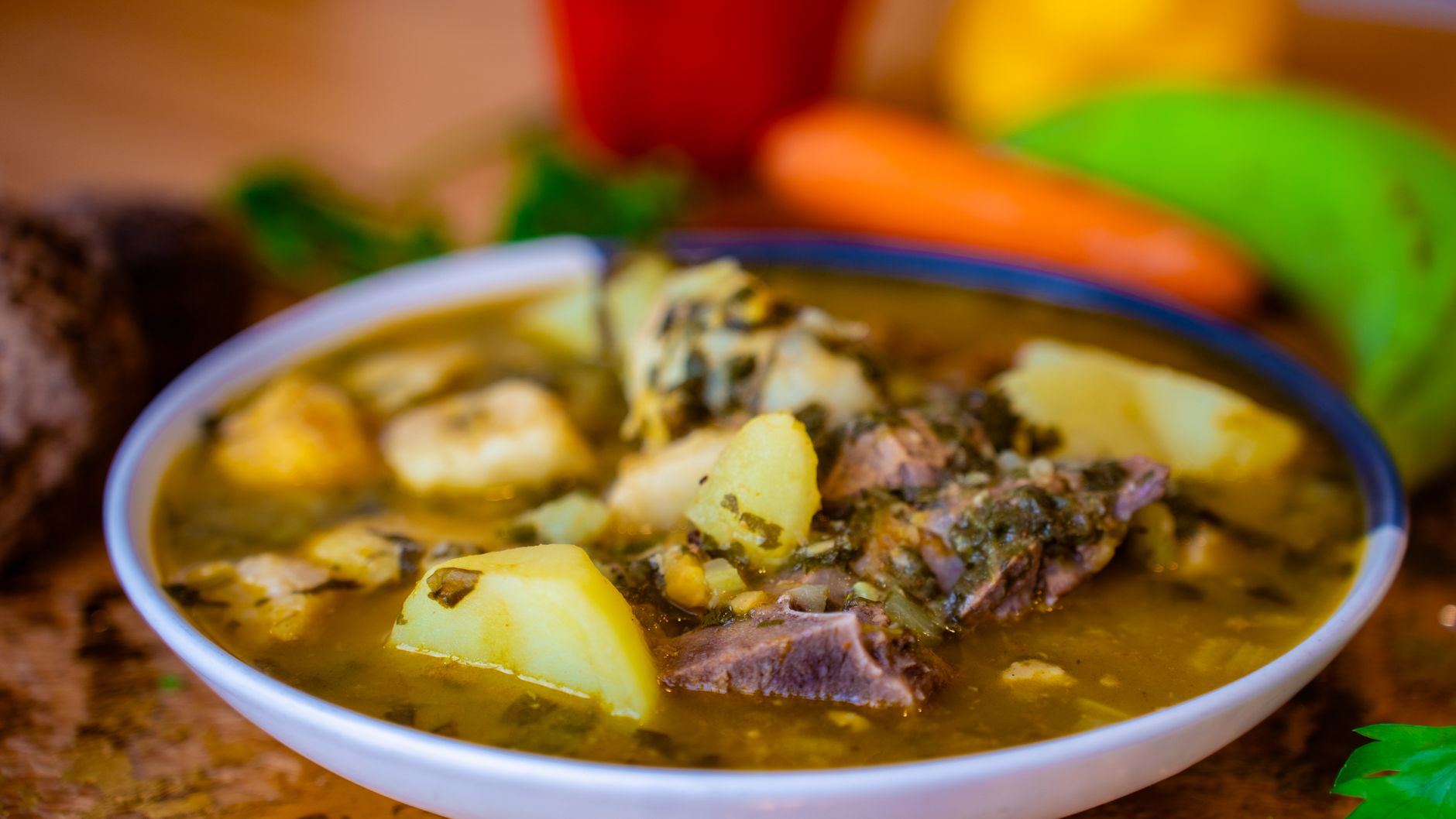
The cuisine of the Gipuzkoa mountains revolves around the products of the surrounding Basque farms and forests. Idiazabal, a firm, smoked sheep milk cheese produced in these high pastures, belongs on every table. Alubias de Tolosa, dark and creamy beans slow-cooked with blood sausage and cabbage, provide the necessary warmth during cold mountain days. Txakoli, a crisp, dry white wine with a natural effervescence, pours from the nearby coastal vineyards. Visitors finish with cuajada, a simple fresh sheep curd served with honey and walnuts, reflecting the long tradition of transhumance in these slopes.
Basque Country: the whole region
The Basque Country is the most expensive and the most rewarding corner of northern Spain: three small provinces, each with its own character, all within an hour of each other. It suits travellers who want to eat well and move slowly far…
Minimum 4 days · better 7 days · deep 2 weeks
What's Nearby


In Basque Country








In Basque Country


In Basque Country









Logistics are verified only. We don't publish schedules we haven't confirmed.
Appears In
Experiences worth booking ahead
Spain Field Guide may earn a commission when you book through selected links. Recommendations are editorial and independent of commission.
Ready to build Santuario de Aránzazu into a trip?
You've found a place worth going. When you're ready to turn discovery into an itinerary, Travel Itinerary Co picks up where the Field Guide leaves off — with your saved places already in hand.
Build this into a tripContinues on Travel Itinerary Co
Spain Field Guide may earn a commission when you book through selected links. Recommendations are editorial and independent of commission.