Urdaibai Estuary

Recommended as the other half of a Gernika or Mundaka day. Do it on foot or by bike rather than from the car.
The least built-up stretch of the Basque coast, with marshes, a ferry and a beach at the mouth.
At a Glance
- — You want a beach resort
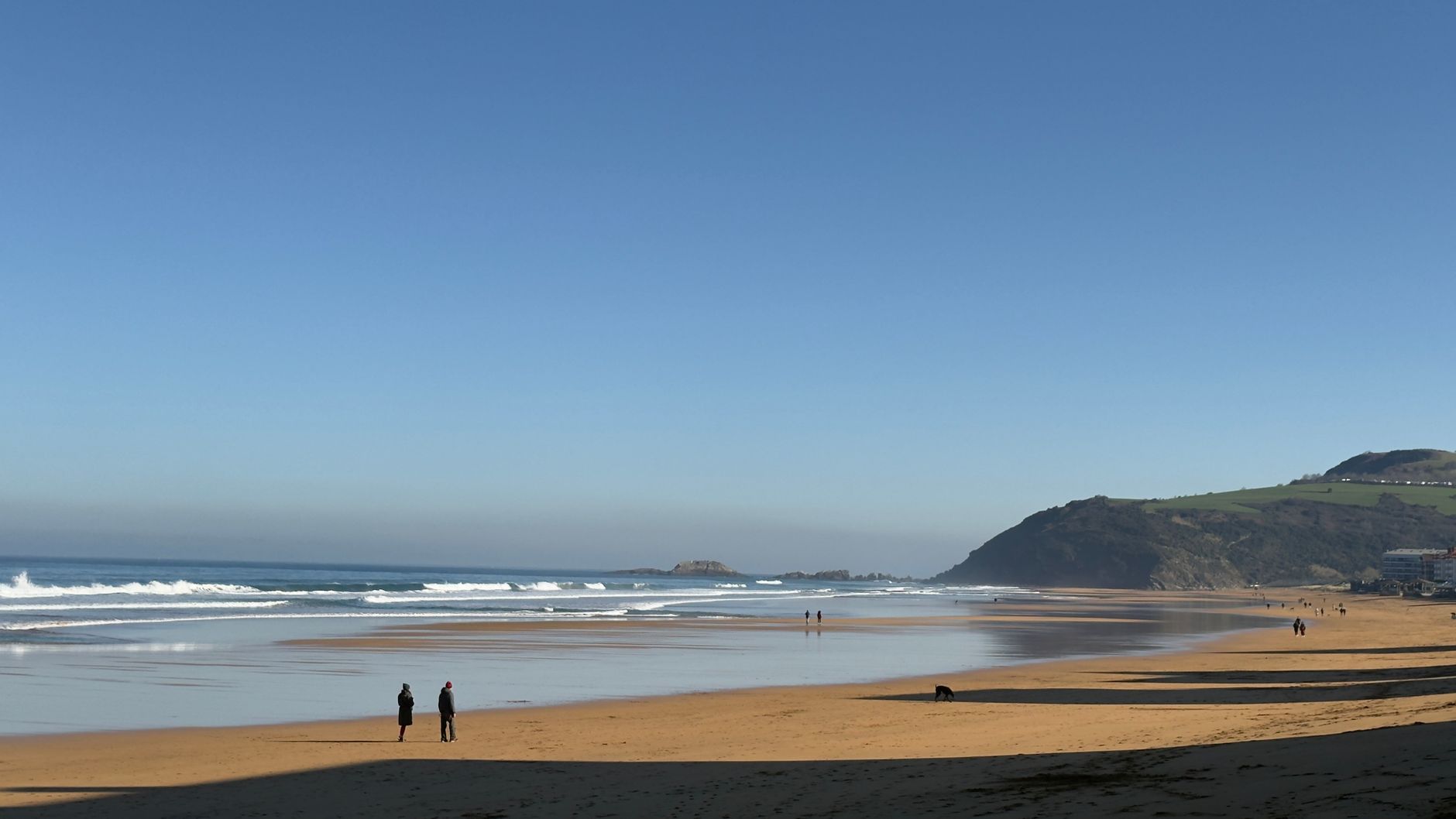
The Urdaibai estuary is a biosphere reserve covering the tidal marshes, sandbanks and wooded hills where the river Oka meets the sea, with Gernika at its head and Mundaka at its mouth. It is the least developed stretch of the Basque coast, protected since the 1980s, and it is best seen slowly: walking or cycling the paths along the water, or from the lookout above Mundaka, which takes in the whole estuary at once. The beach at Laida, on the far side of the river mouth, is the best on this coast and reachable by ferry in summer. Birdwatchers come for the marsh; everyone else comes for water, hills and small towns together.
How it got here
The history of this estuary centers on the strategic importance of the Oka river valley, providing shelter for coastal traffic and agricultural resources for inland settlements. Gernika rose in this setting as a place of assembly for the Lords of Biscay, where the oak tree symbolized the fueros or local laws that governed the province. Maritime trade and shipbuilding defined the development of towns such as Mundaka and Bermeo, creating links to ports across the Atlantic. Centuries of iron ore extraction and ironmongery in the surrounding valleys supported these coastal industries, leaving a legacy of heavy industrial activity that gave way to the preservation efforts initiated during the late twentieth century.
Where it sits
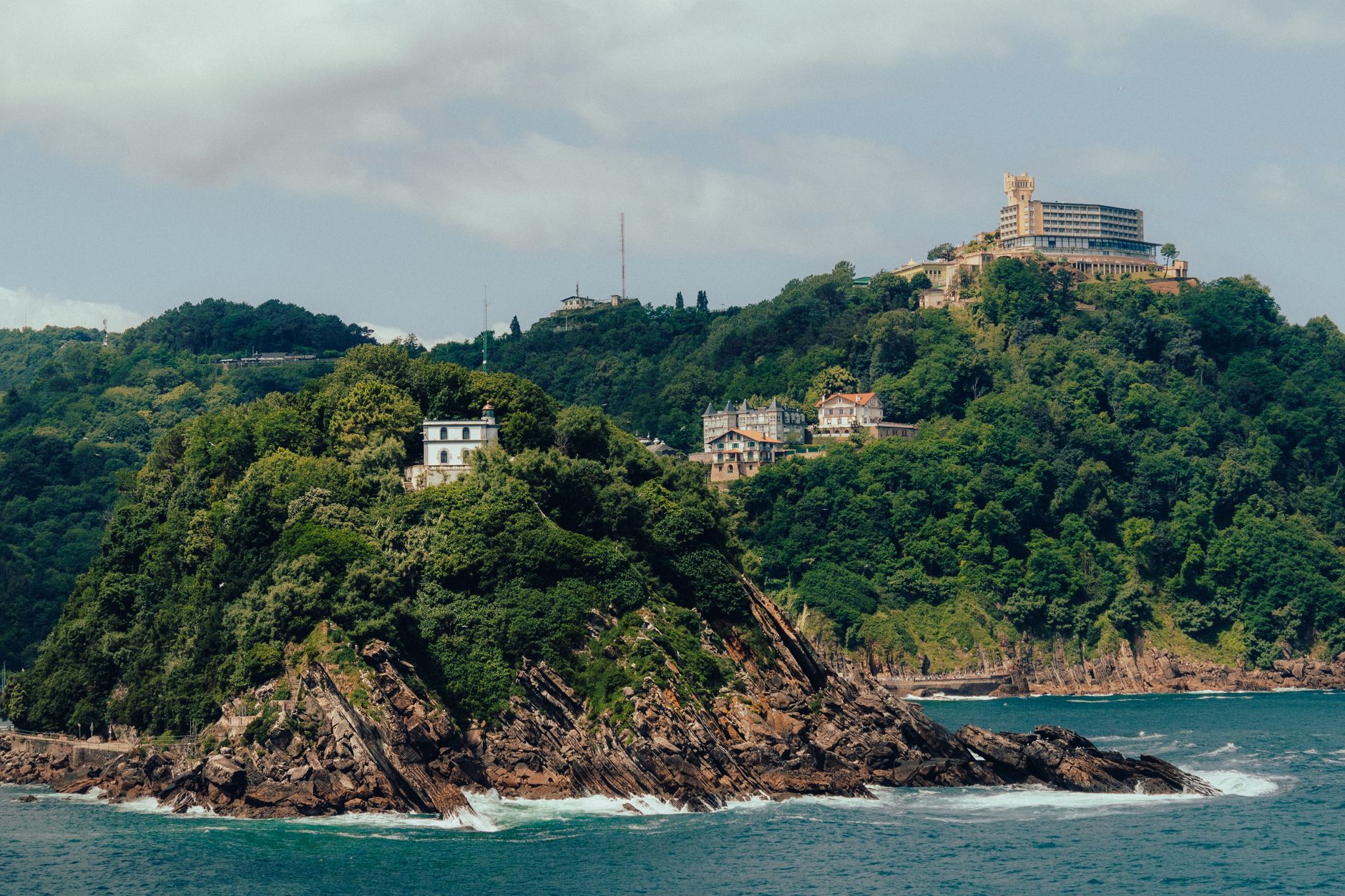
Deep green hills of pine and oak surround this tidal basin where the Cantabrian sea pushes deep into the Basque landscape. The terrain shifts between exposed mudflats at low tide and high, wind-swept cliffs that look out across the Gulf of Biscay. Summer brings warmth to the sand dunes at Laida while autumn and winter storms roll in from the ocean to batter the northern coast. Narrow roads wind through the steep hillsides, connecting the quiet villages that remain largely defined by the changing rhythms of the tide and the influx of those seeking the coast during the warmer months.
What to eat and drink
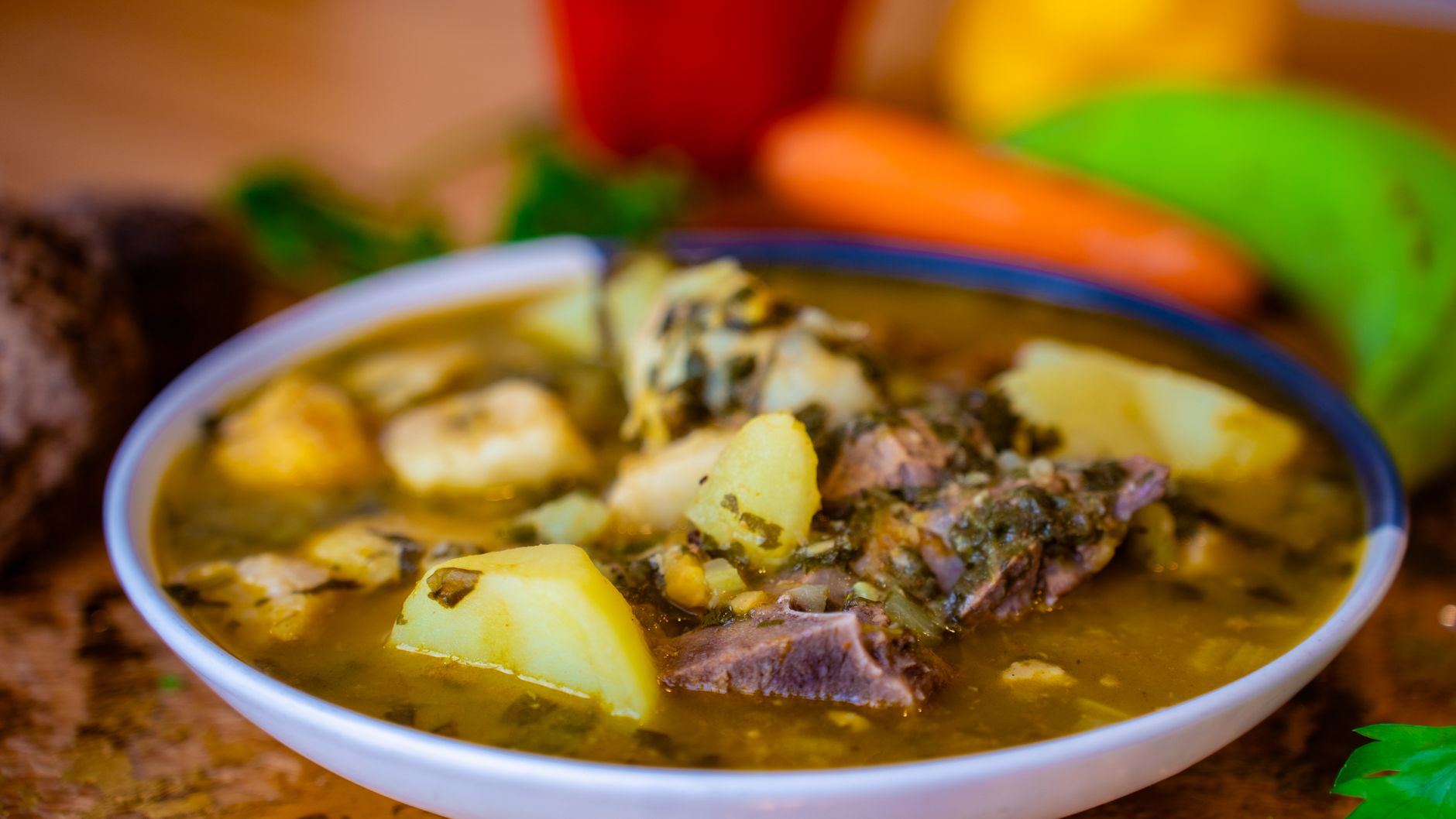
The cuisine relies on the bounty of the Bay of Biscay and the nearby fertile valleys. Bacalao al pil-pil, salt cod cooked slowly in a stable emulsion of olive oil and garlic, defines the local kitchen. Marmitako, a hearty stew of bonito tuna and potatoes thickened with peppers, originated as a meal for fishermen on their boats. Txakoli, a dry and slightly sparkling white wine produced from grapes grown on the nearby slopes, accompanies every meal. Dessert often consists of intxaursalsa, a traditional thick cream made from ground walnuts, milk, and sugar, served warm at the end of the day.
Basque Country: the whole region
The Basque Country is the most expensive and the most rewarding corner of northern Spain: three small provinces, each with its own character, all within an hour of each other. It suits travellers who want to eat well and move slowly far…
Minimum 4 days · better 7 days · deep 2 weeks
What's Nearby


In Basque Country










In Basque Country


In Basque Country











Linked from elsewhere
Entries that name this place in their own nearby lists.
Logistics are verified only. We don't publish schedules we haven't confirmed.
Appears In
Ready to build Urdaibai Estuary into a trip?
You've found a place worth going. When you're ready to turn discovery into an itinerary, Travel Itinerary Co picks up where the Field Guide leaves off — with your saved places already in hand.
Build this into a tripContinues on Travel Itinerary Co
Spain Field Guide may earn a commission when you book through selected links. Recommendations are editorial and independent of commission.