Playa de Laida

A quiet, tide-dependent beach inside a UNESCO biosphere reserve — good if you time it right, mostly mudflats if you don't.
Set within the Urdaibai estuary, the beach shifts dramatically with the tide, and the marshland setting draws more birdwatchers than beach crowds.
At a Glance
- — high tide visits
- — you want reliable sand
- — big-wave swimming
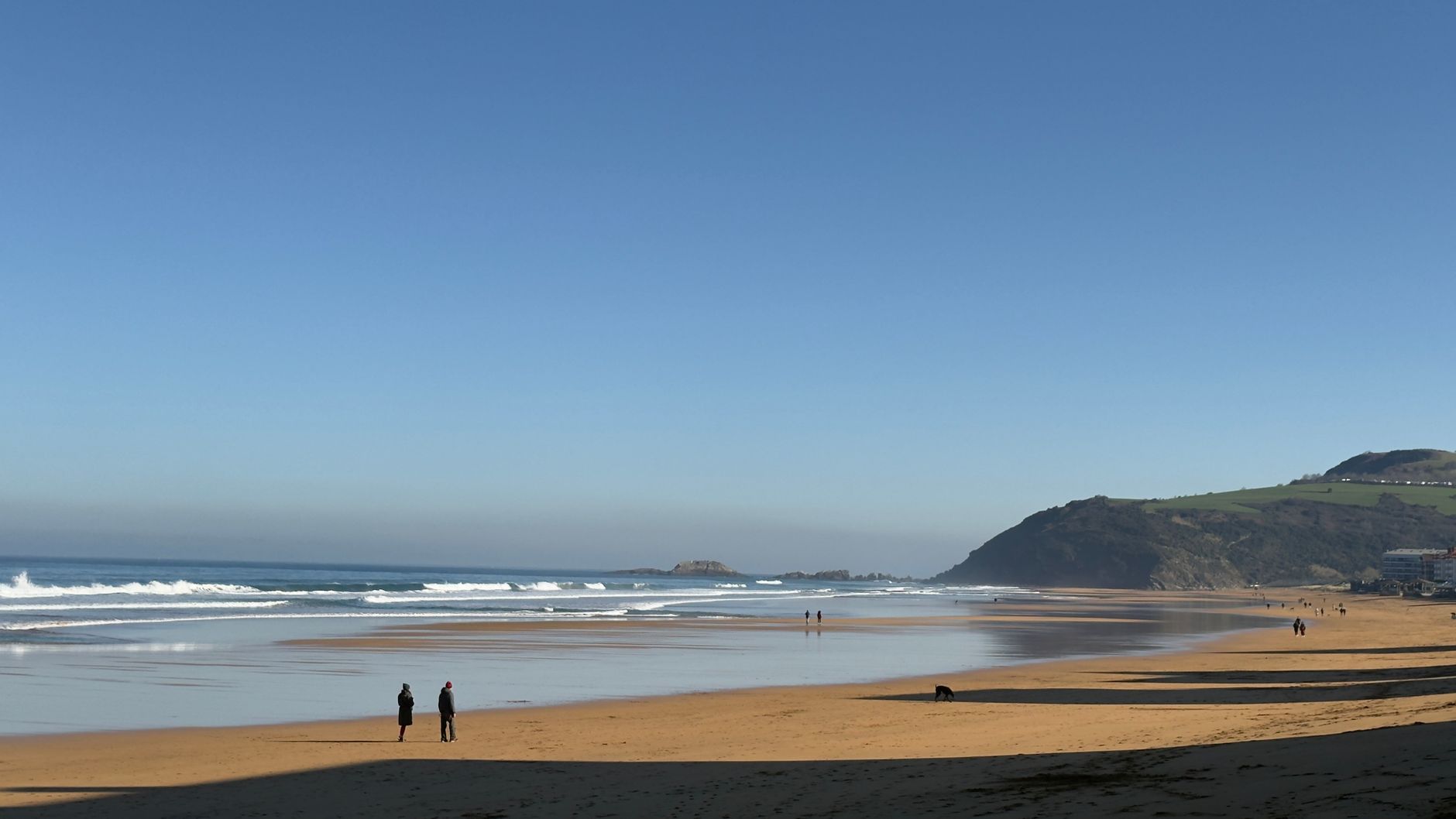
Set within the Urdaibai estuary, this tidal stretch transforms into a vast landscape of wet sand and marshland as the water recedes. It draws more birdwatchers than sunbathers, so check the tide tables before you haul your gear down to the water. If you hit it at the wrong hour, you will find yourself staring at an endless expanse of mudflats rather than the sea.
How it got here
The Urdaibai estuary formed through post-glacial sea level rises that inundated the valley of the Oka river. This landscape shaped the settlement patterns of Bizkaia where seafaring communities built ports along the narrow inlets. Throughout the middle ages, the local lords of the Busturialdea comarca controlled the trade routes and river traffic through these waters. The bay provided a sheltered harbor for small vessels transporting iron ore from the inland mines to the Cantabrian Sea. Today the marshes stand under the protection of the Urdaibai Biosphere Reserve, a status that preserves the geological evidence of these ancient shoreline shifts from industrial expansion.
Where it sits
The beach occupies a wide sandy spit at the mouth of the Oka river. Incoming tides cover the entirety of the sand and push the water deep into the marshlands while low tide retreats to reveal vast mudflats. Steep green hills rise from the water on either side to frame the mouth of the bay. Visitors reach the shore by descending from the coastal roads that wind through the surrounding pine forests. Winter rains swell the river and alter the sediment deposits along the banks. Summer months draw crowds from nearby towns, leaving the coast quiet and gray during the wetter seasons.
What to eat and drink
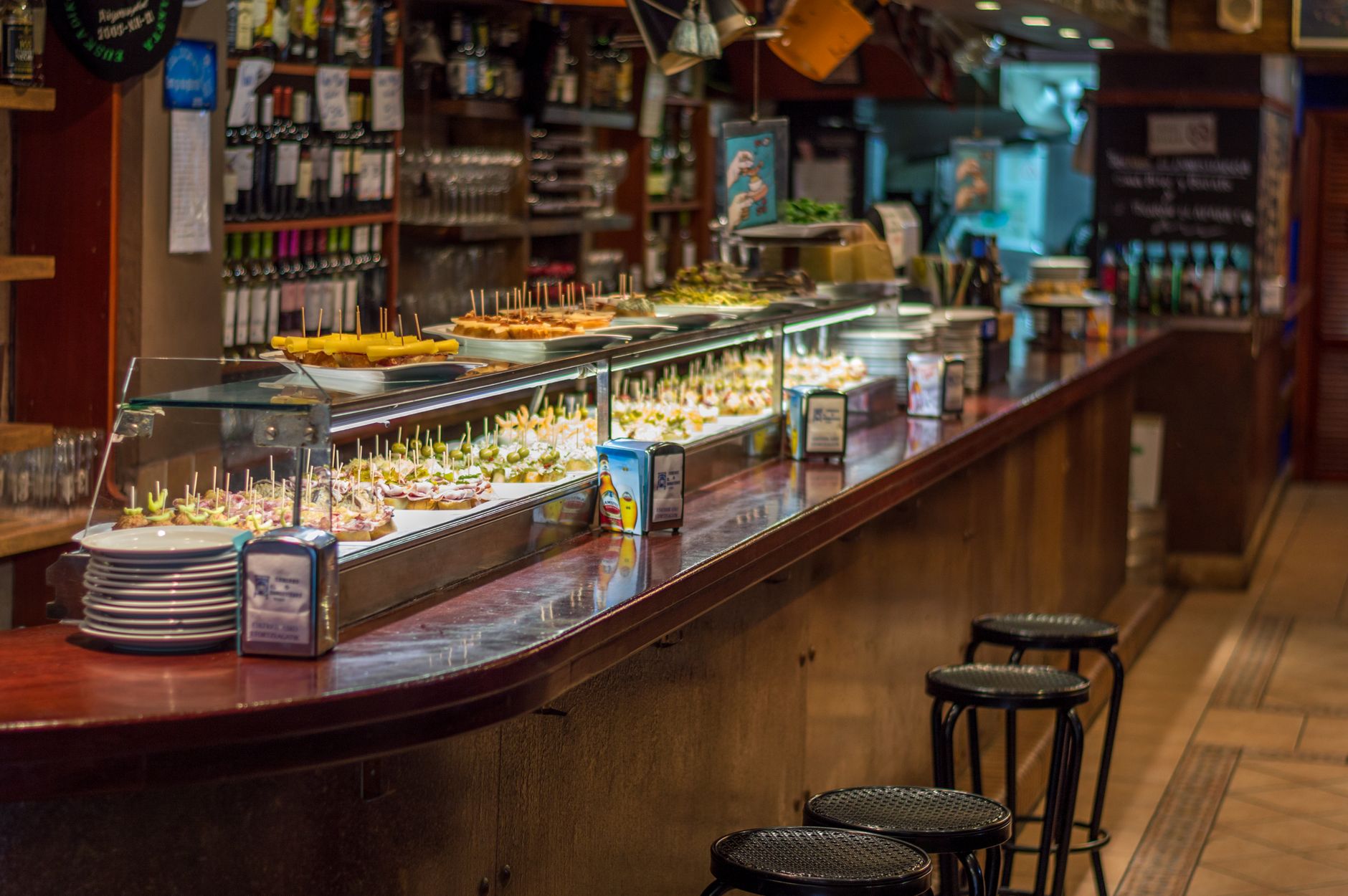
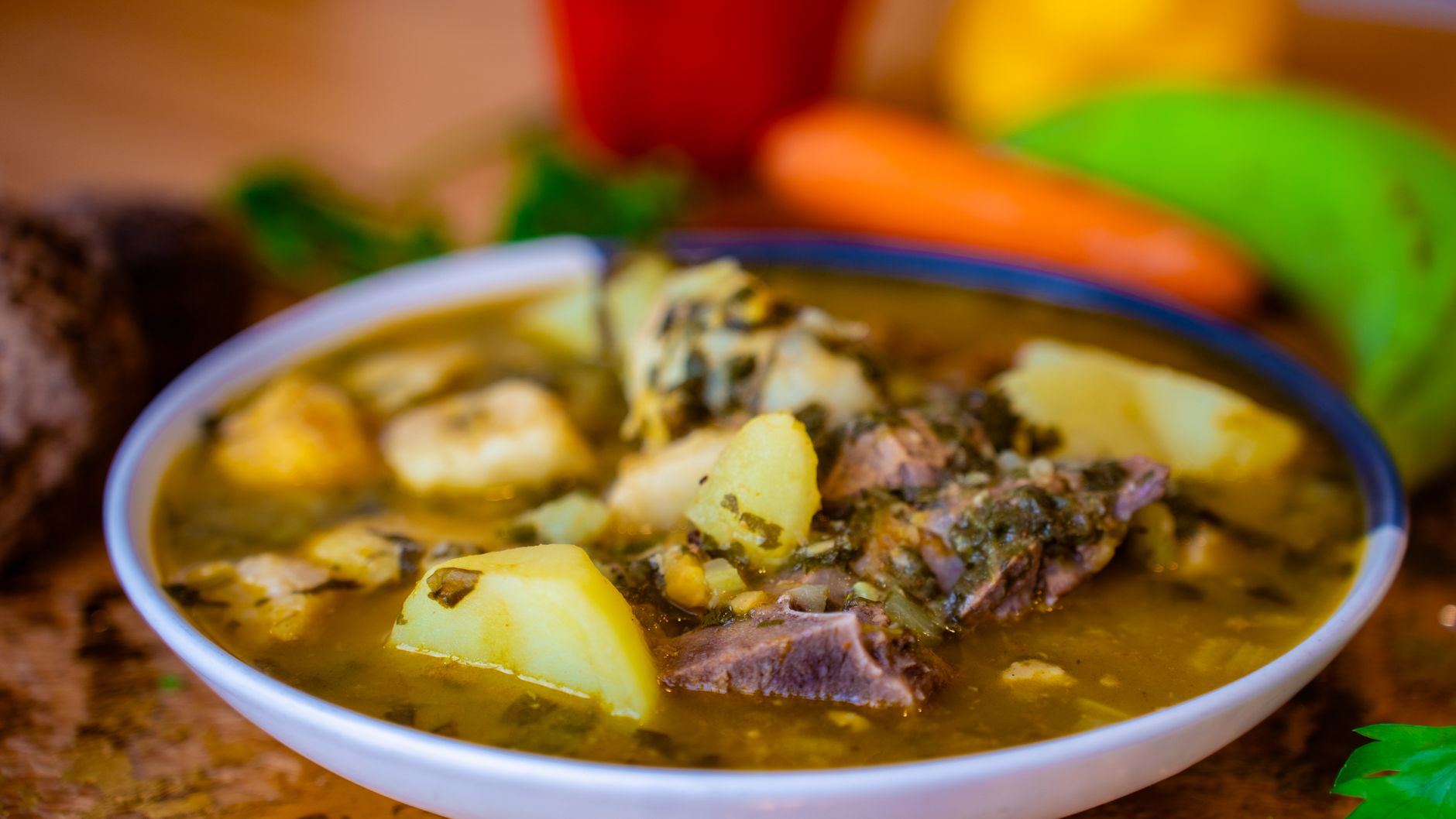
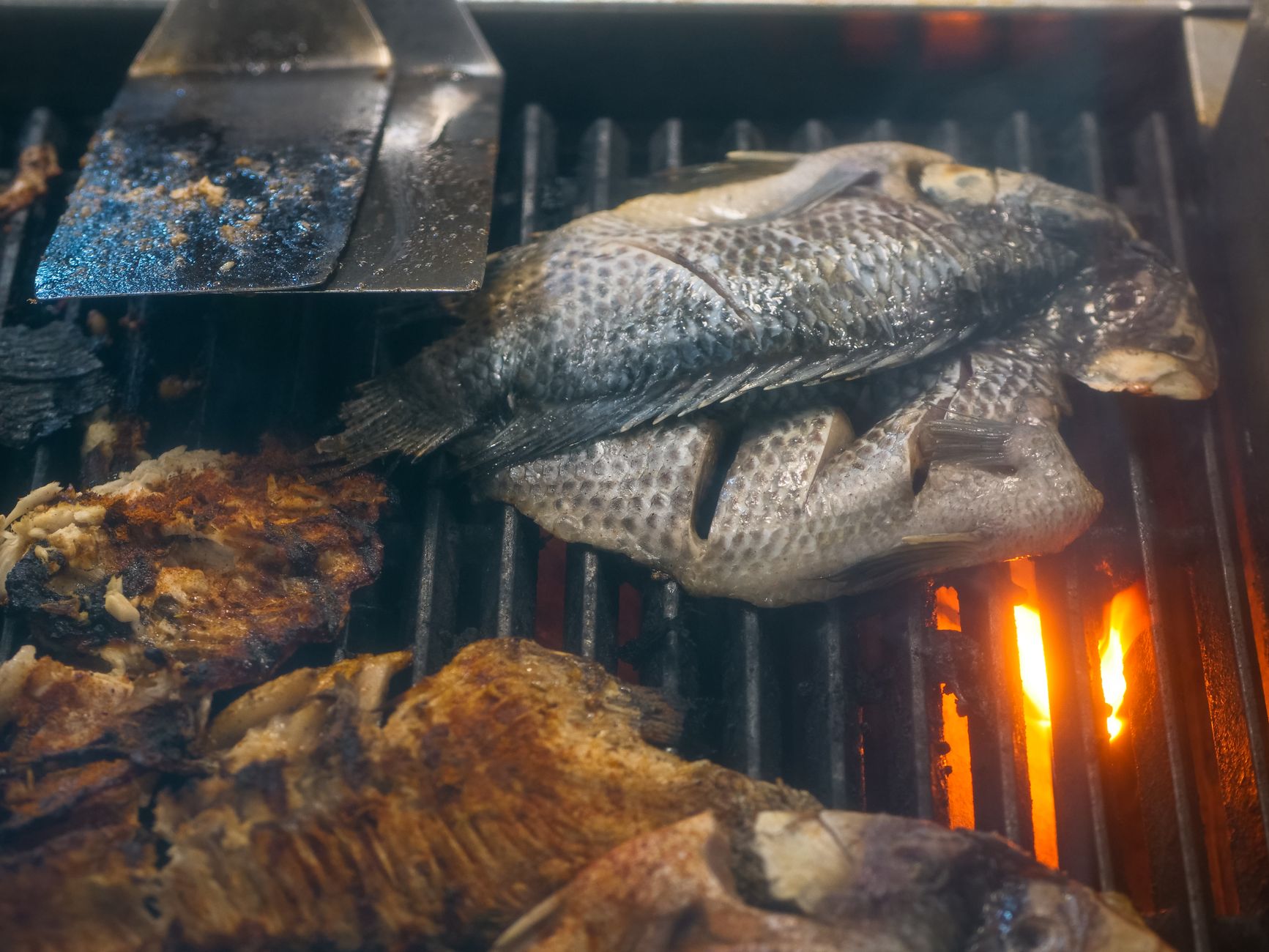
The cuisine of the Basque coast centers on the catch from the Cantabrian Sea. Marmitako, a tuna stew cooked with potatoes, onions, and peppers, provides the traditional meal for sailors and shore dwellers. Hake, often served in a green sauce made from parsley, garlic, and fish stock, defines the local preference for fresh white fish. Diners drink txakoli, a bone-dry, slightly sparkling white wine produced in the hillside vineyards of Bizkaia. This acidic wine cleanses the palate after rich preparations of salt cod, known as bacalao, which remains the staple protein for inland and coastal villages alike.
Basque Country: the whole region
The Basque Country is the most expensive and the most rewarding corner of northern Spain: three small provinces, each with its own character, all within an hour of each other. It suits travellers who want to eat well and move slowly far…
Minimum 4 days · better 7 days · deep 2 weeks

Pair It With

In Basque Country










In Basque Country


In Basque Country











Linked from elsewhere
Entries that name this place in their own nearby lists.

Logistics are verified only. We don't publish schedules we haven't confirmed.
Appears In
Ready to build Playa de Laida into a trip?
You've found a place worth going. When you're ready to turn discovery into an itinerary, Travel Itinerary Co picks up where the Field Guide leaves off — with your saved places already in hand.
Build this into a tripContinues on Travel Itinerary Co
Spain Field Guide may earn a commission when you book through selected links. Recommendations are editorial and independent of commission.