Txangurro

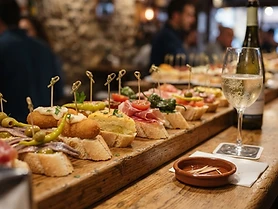
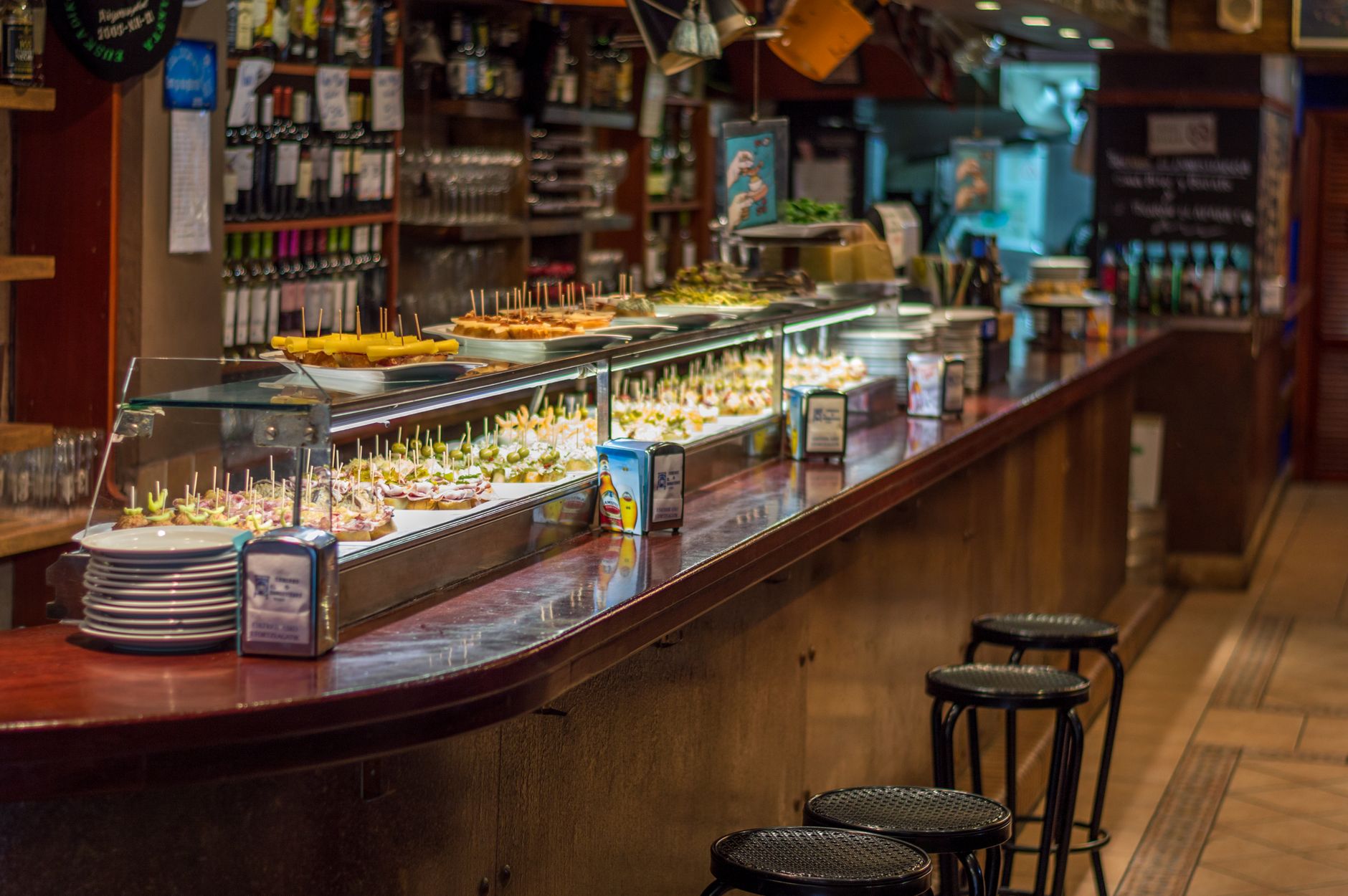
Eat it from the shell in a San Sebastián pintxo bar, hot, with bread to mop the sauce.
Basque spider-crab preparation: the meat picked and mixed with onion, tomato, brandy and cognac, then returned to the shell, gratinated under the grill and served bubbling. A pintxo-bar showpiece and a starter at serious Basque tables.
At a Glance
- — You dislike shellfish or brandy-forward sauces
A true showpiece of Basque culinary tradition, this spider-crab preparation is picked from the shell and mixed with a rich base of onion, tomato, brandy, and cognac. The mixture is returned to the shell and placed under a grill until the top is bubbling and gratinated. It is best enjoyed as a hot starter at a serious table or as a centerpiece in a San Sebastián pintxo bar, using crusty bread to mop up every drop of the flavorful sauce.
How it got here
Basque maritime identity grew from the rugged coastline of the Bay of Biscay. Fishing fleets operated from small ports to harvest spider crab and hake long before industrial methods took hold. The preparation of txangurro reflects a deep culinary reliance on the catch of the day. Traditions in Basque kitchens favor techniques that maximize the yield of local seafood, turning every part of the crustacean into a communal meal. This approach to cooking relies on the historical availability of ingredients like brandy and cognac, imports brought into Basque ports through centuries of maritime trade with French and international merchants.
Where it sits
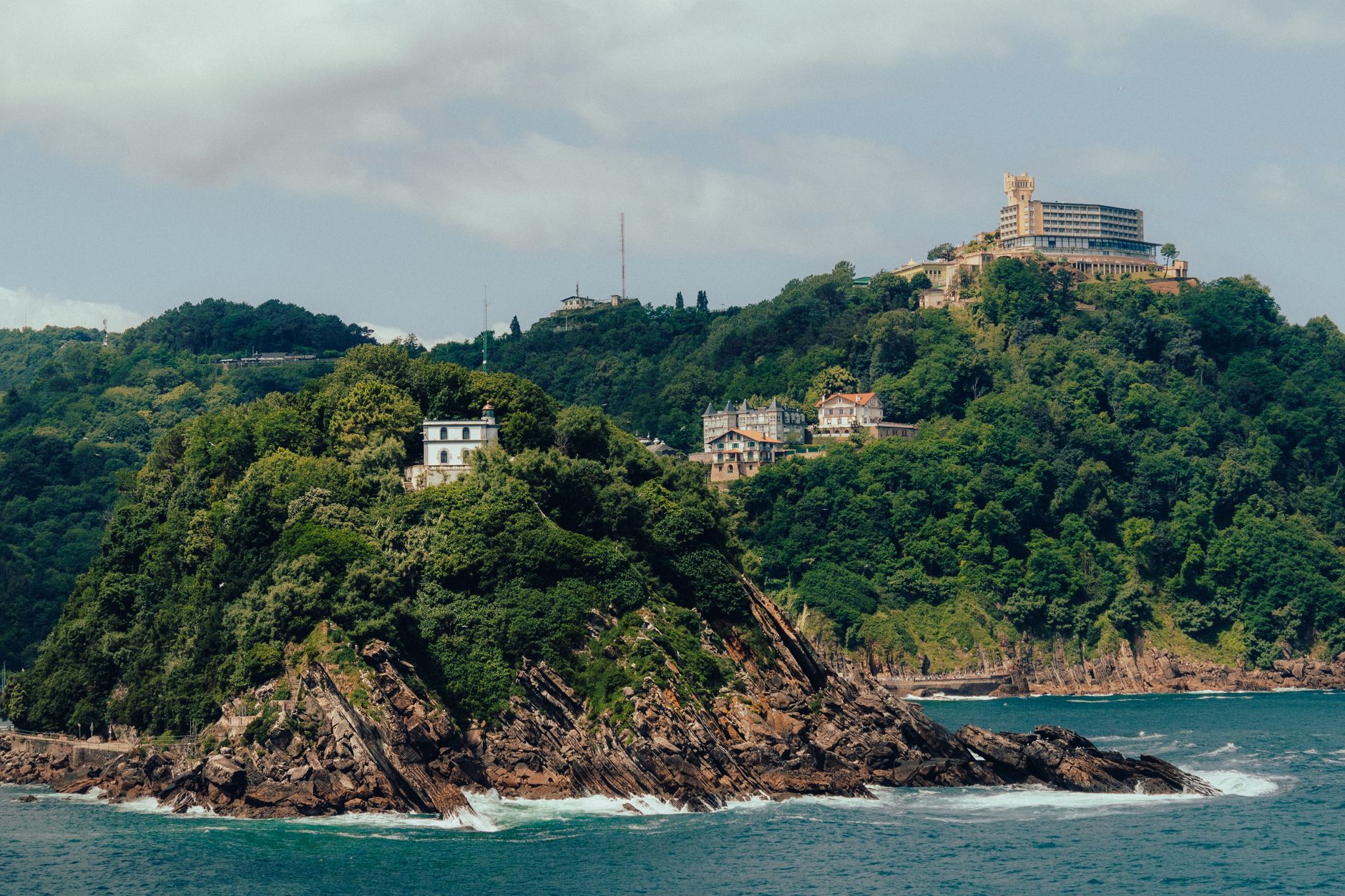
The Basque coast alternates between steep cliffs and protected harbors. Inland, the landscape shifts rapidly to rolling green hills and damp valleys where agriculture follows ancient patterns. Summer brings mild temperatures, though coastal weather shifts quickly with the Atlantic winds. Winter months turn the ports quiet and gray, focusing life inside stone taverns and traditional kitchens. Access requires traversing winding mountain roads or taking the coastal rail lines that cut through the sharp terrain. The bustle concentrates in the old quarters of coastal towns, where narrow streets channel the humidity off the sea.
What to eat and drink
Txangurro, spider crab meat baked in the shell with brandy and tomato, anchors the local seafood repertoire. The dish requires crusty bread to clean the plate. Beside the crab, order bacalao al pil-pil, salt cod emulsified in an olive oil and garlic sauce. Drink txakoli, the slightly effervescent white wine produced on terraced hillsides nearby. It has the necessary acidity to cut through the richness of shellfish and oil-based sauces. Sidra, a dry and tart apple cider poured from a height to aerate the liquid, also pairs with the heavy flavors of the Basque table.
Basque Country: the whole region
The Basque Country is the most expensive and the most rewarding corner of northern Spain: three small provinces, each with its own character, all within an hour of each other. It suits travellers who want to eat well and move slowly far…
Minimum 4 days · better 7 days · deep 2 weeks
What's Nearby


Pair It With


In Basque Country





In Basque Country


In Basque Country














Logistics are verified only. We don't publish schedules we haven't confirmed.
Ready to build Txangurro into a trip?
You've found a place worth going. When you're ready to turn discovery into an itinerary, Travel Itinerary Co picks up where the Field Guide leaves off — with your saved places already in hand.
Build this into a tripContinues on Travel Itinerary Co
Spain Field Guide may earn a commission when you book through selected links. Recommendations are editorial and independent of commission.