La Concha

The reason San Sebastián works as a beach-and-city trip. Swim in the morning, pintxos by lunch.
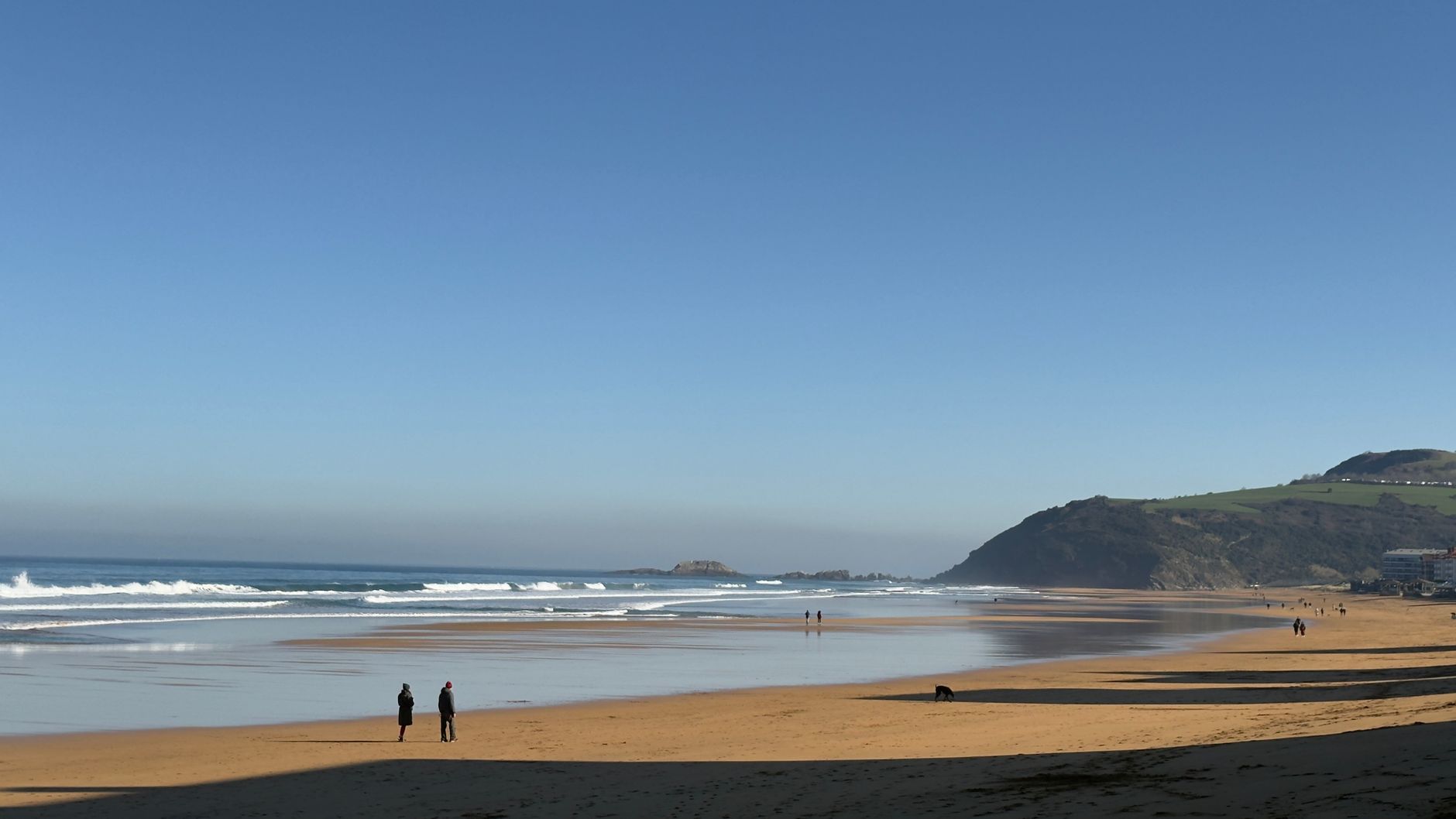
A perfect crescent of sand in the middle of a city, framed by two headlands. One of Europe's great urban beaches.
At a Glance
- — You're visiting in winter — it's a city beach, cold water
A perfect crescent of golden sand sits framed by two rocky headlands in the heart of San Sebastián, serving as one of Europe’s premier urban shorelines. Morning swimmers share the water with early-risers, followed by the inevitable retreat to the Old Town for salt-crusted pintxos by noon. This is the city’s living room, where the promenade hums with life regardless of the season.
How it got here
San Sebastián transitioned from a medieval maritime outpost to a summer retreat for the Spanish monarchy in the late nineteenth century. Queen María Cristina established her court here, drawing the aristocracy to build neoclassical villas along the waterfront. This period cemented the architectural character of the promenade. The bay itself bears the scars of centuries of maritime commerce and defensive fortification, yet its current layout results from the transformation of the city from a military stronghold into a resort destination during the Belle Époque. The physical structure of the beach today reflects these layers of royal patronage and shifts in European leisure culture.
Where it sits
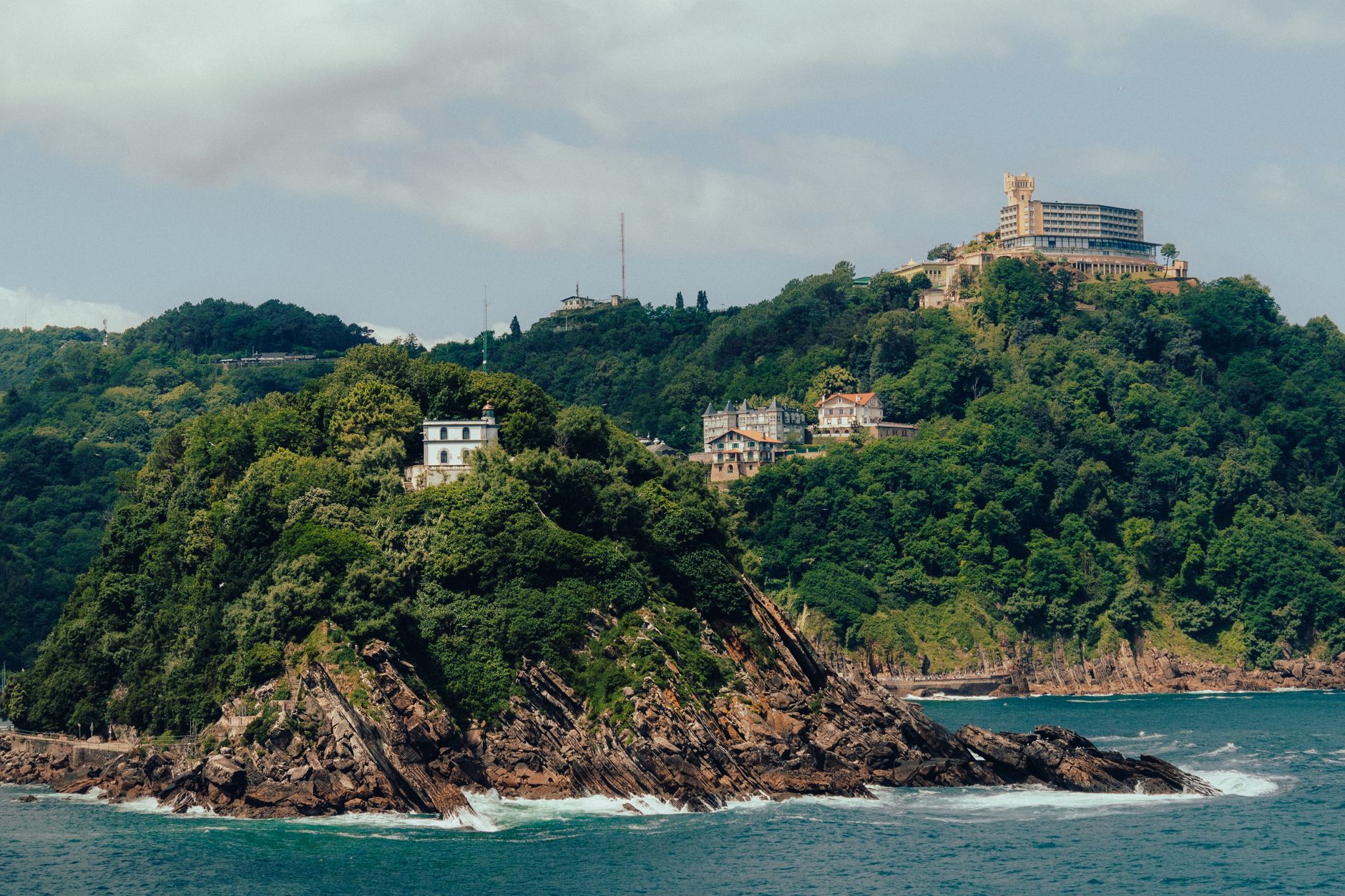
The bay curves between Mount Urgull and Mount Igueldo, acting as a natural harbor for the Cantabrian Sea. Tides dictate the use of the sand, as the water level shifts significantly throughout the day. Granite balustrades and lamp posts delineate the promenade, which connects the dense grid of the city to the cold Atlantic waves. Winter storms often batter the seawall, while summer humidity settles over the bay. The landscape transitions quickly from the shore into the steep, green hills of Gipuzkoa, where heavy rainfall sustains the surrounding forests and mountain pastures.
What to eat and drink
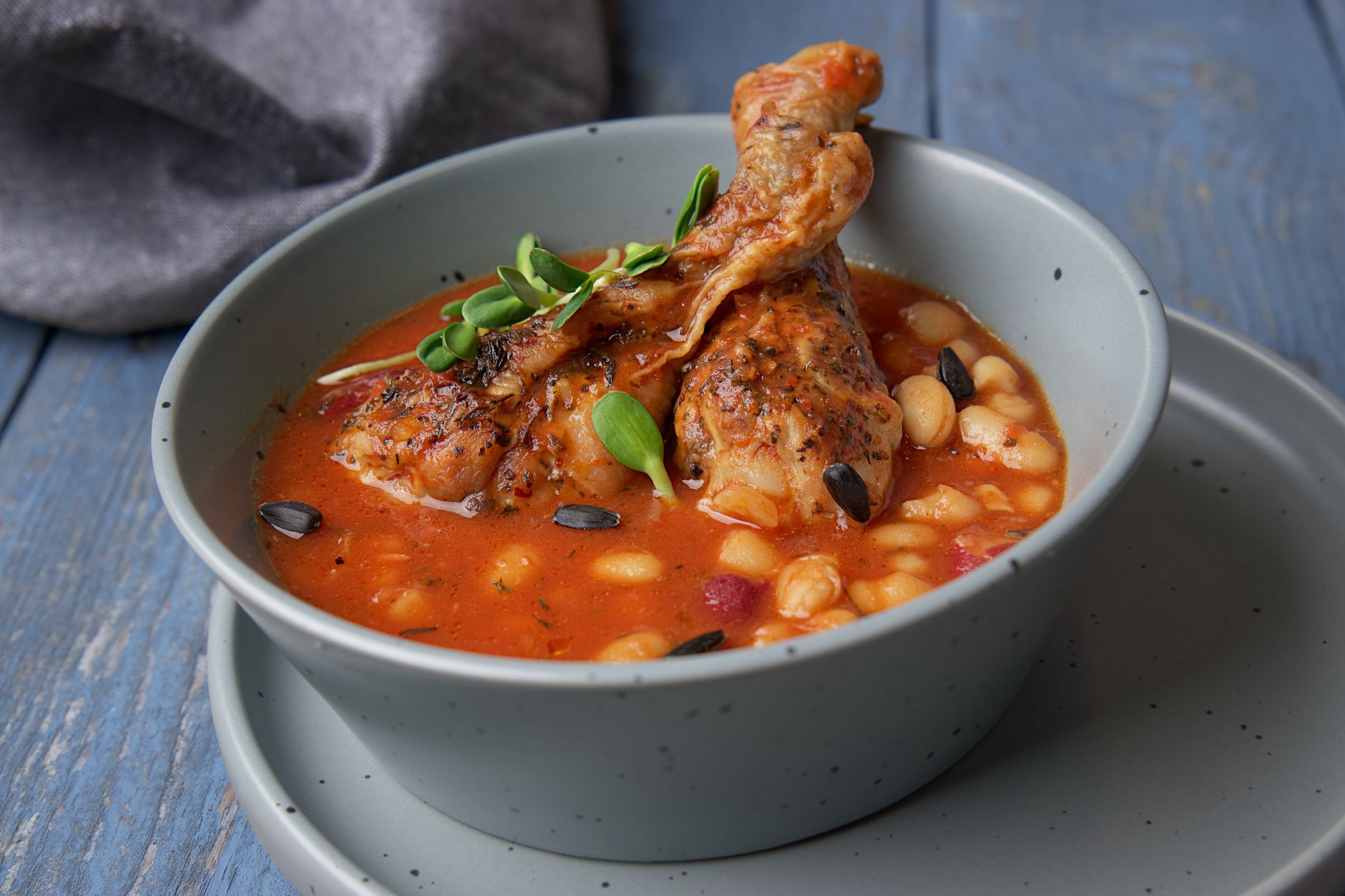
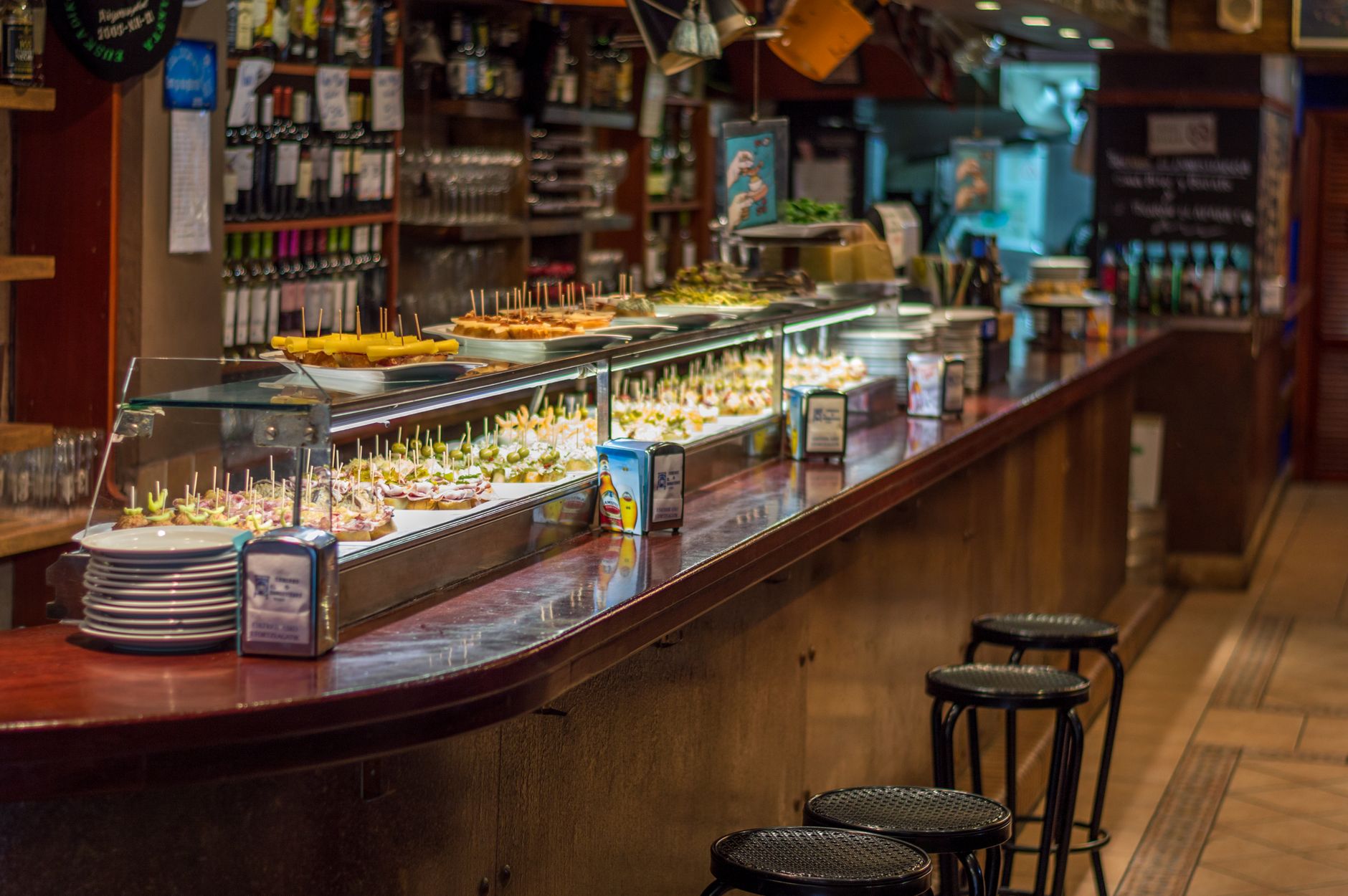
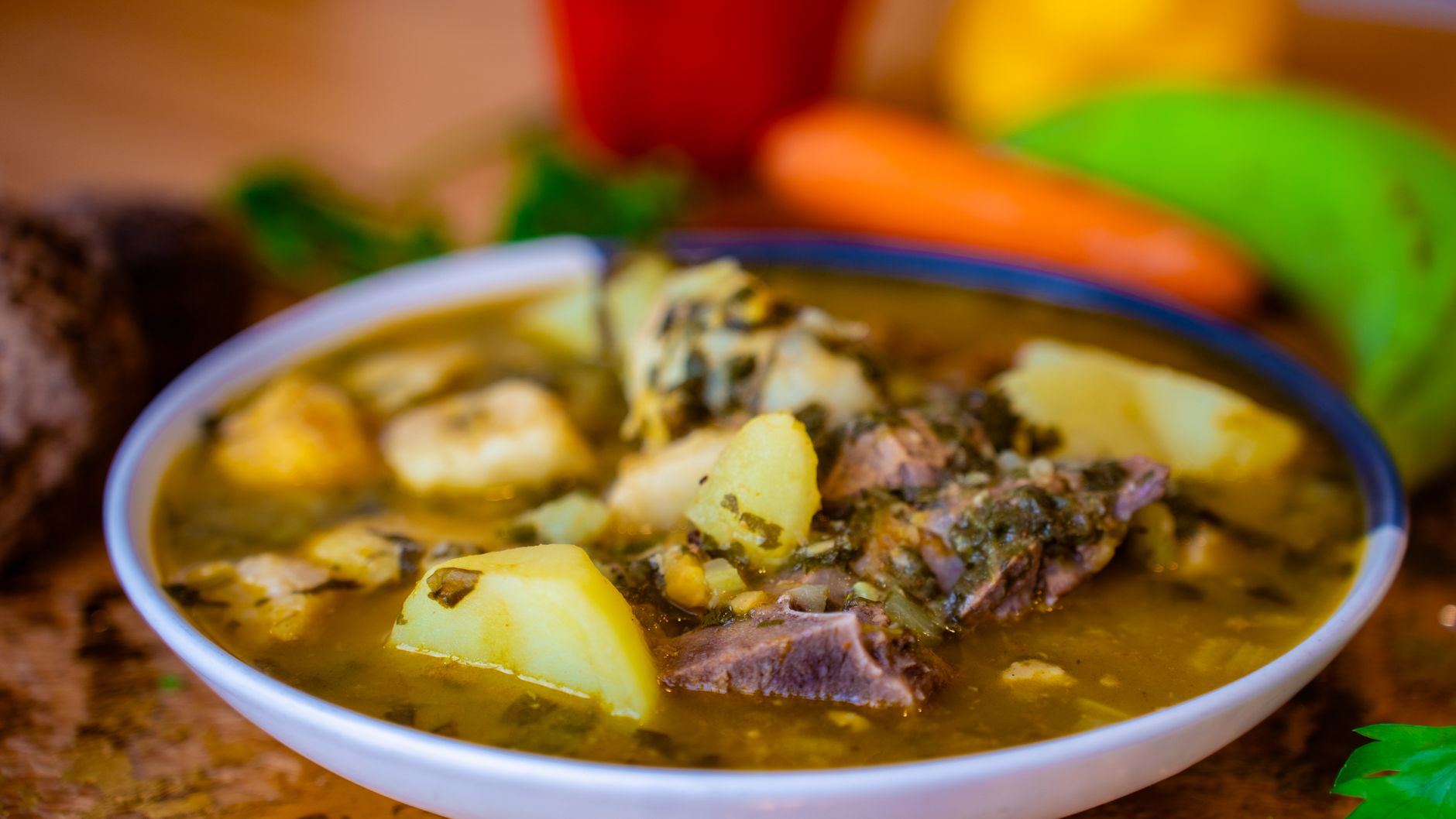
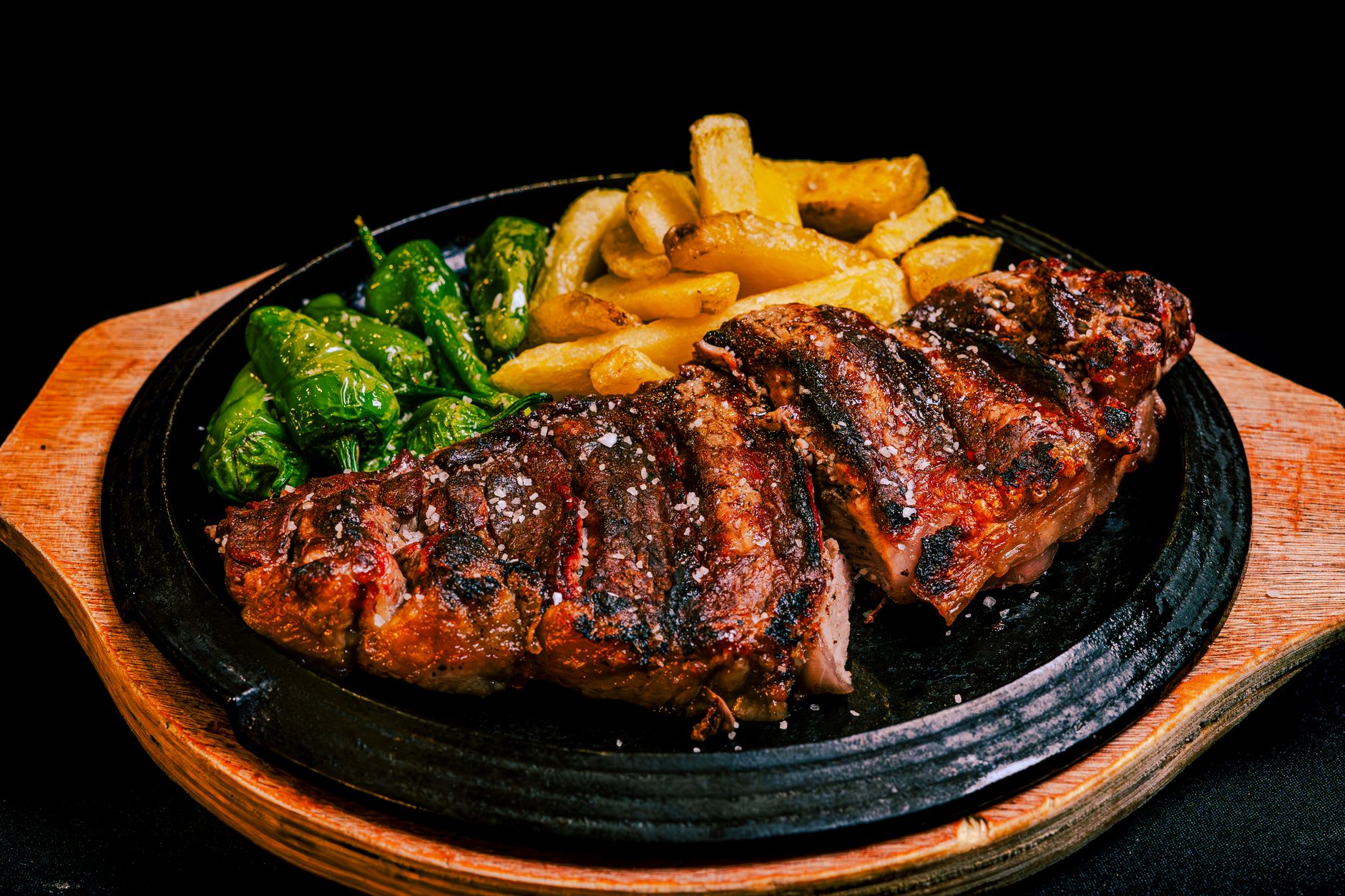
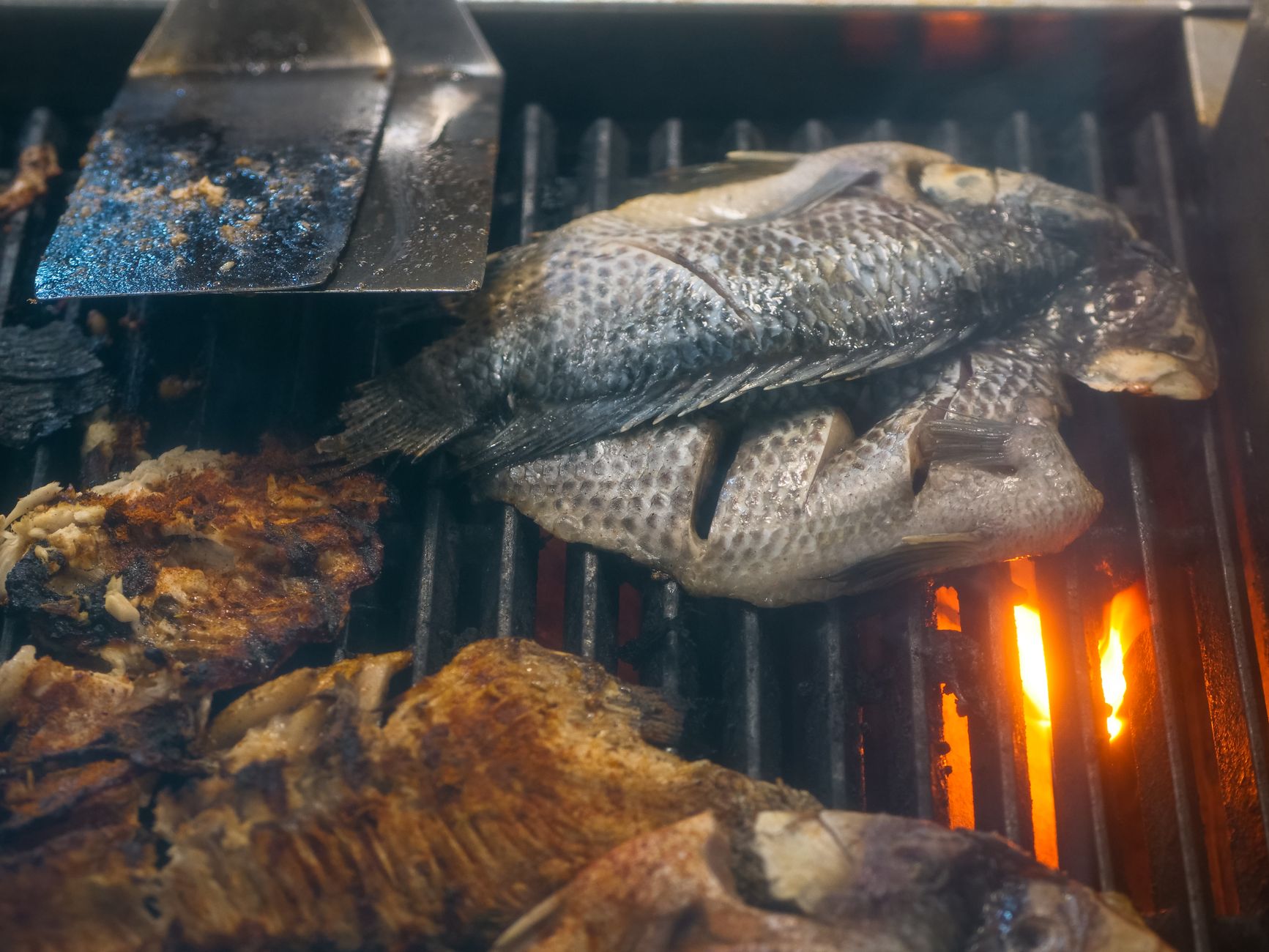
Gipuzkoa relies on the catch from the nearby fishing ports of Getaria and Pasaia. Fresh hake, cod, and sea bream appear grilled over open coals. Gilda, a skewer of pickled guindilla peppers, anchovies, and olives, anchors the culture of eating small portions while standing at bars. Txakoli, a dry, slightly effervescent white wine produced from grapes grown on the coastal slopes, accompanies these salty bites. The combination of high acidity in the wine and the oiliness of the preserved fish defines the palate of the province.
Basque Country: the whole region
The Basque Country is the most expensive and the most rewarding corner of northern Spain: three small provinces, each with its own character, all within an hour of each other. It suits travellers who want to eat well and move slowly far…
Minimum 4 days · better 7 days · deep 2 weeks
What's Nearby

Pair It With
In Basque Country








In Basque Country


In Basque Country










Linked from elsewhere
Entries that name this place in their own nearby lists.
Logistics are verified only. We don't publish schedules we haven't confirmed.
Appears In
Experiences worth booking ahead
Spain Field Guide may earn a commission when you book through selected links. Recommendations are editorial and independent of commission.
Ready to build La Concha into a trip?
You've found a place worth going. When you're ready to turn discovery into an itinerary, Travel Itinerary Co picks up where the Field Guide leaves off — with your saved places already in hand.
Build this into a tripContinues on Travel Itinerary Co
Spain Field Guide may earn a commission when you book through selected links. Recommendations are editorial and independent of commission.