Txuleta

Recommended, and cheaper than you expect outside the cities. Share one between two and order less of everything else.
The dish the Basque Country actually cooks best, and the reason the asadores exist.
At a Glance
- — You do not eat beef, or you want vegetables on the plate
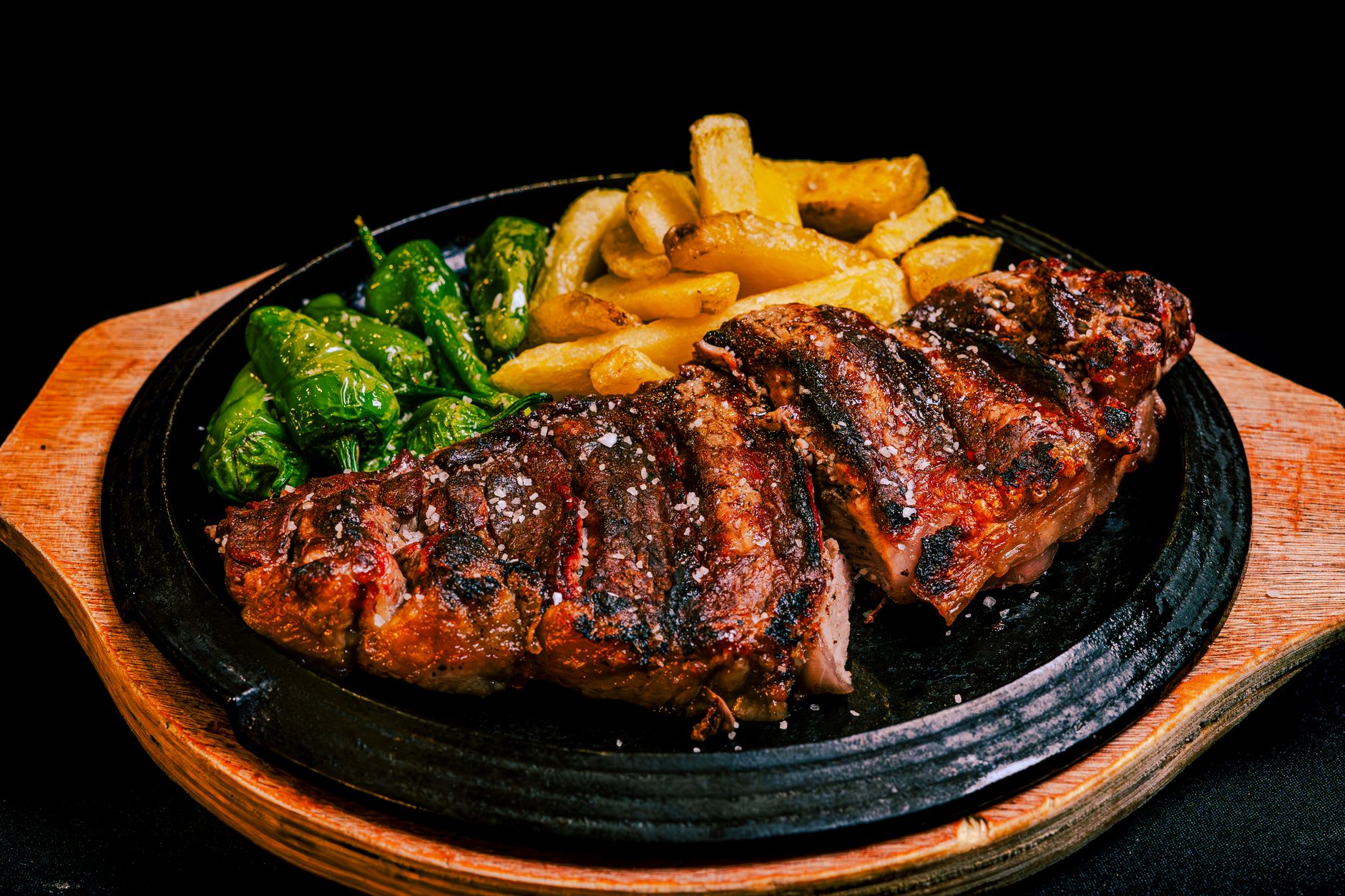
The txuleta is a bone-in rib steak, cut thick, aged until the outside darkens and the inside tender, and grilled over charcoal with salt and nothing else. It is the centrepiece of the Basque asador, the grill house, where the whole meal is built around a single shared piece of meat that arrives still hissing and is carved at the side of the table. Ordering it means giving up an hour of your evening: it comes rare by default and with nothing on the plate except itself. The asadores in the towns above the coast and around Tolosa and Vitoria do it best; in San Sebastián the price is high and the portions are cut for one.
How it got here
The ritual of the txuleta evolved from the rural tradition of slaughtering older dairy cows instead of young veal. Farmers in the mountainous interior of Gipuzkoa kept these animals for milk and labor until their final years. When the animals were eventually butchered, the meat required intense heat and careful aging to manage the tougher muscle tissue. This necessity defined the specialized charcoal grilling techniques of the inland asadores. Today, the practice maintains a clear connection to the agricultural history of the Basque countryside where the value of a single animal dictated the diet and customs of the rural population.
Where it sits
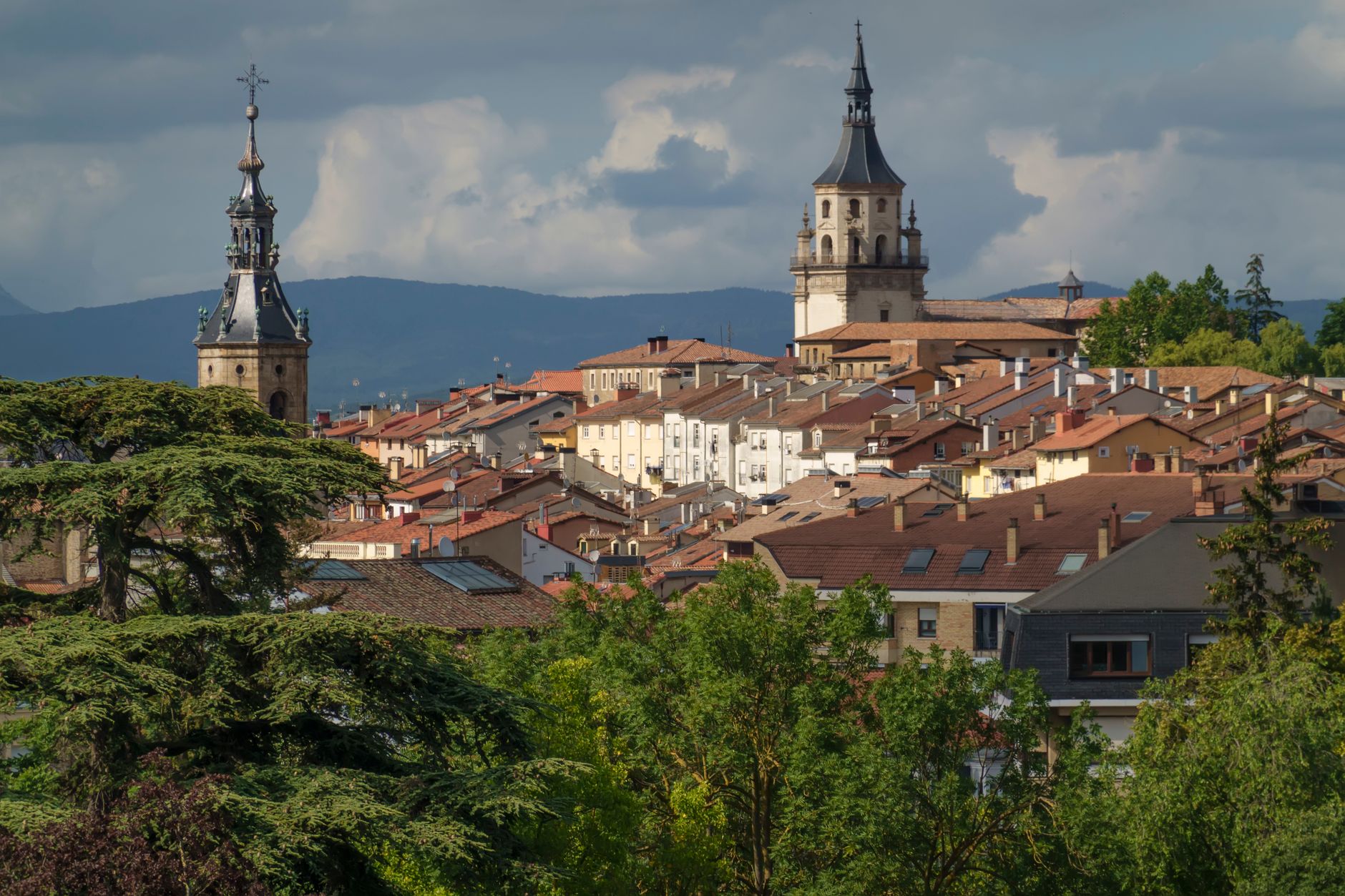
Deep valleys carved by fast rivers define the landscape around Tolosa and the rural interior of Gipuzkoa. Steep slopes covered in dense beech and oak forests trap humidity, keeping the hillsides green through the summer months. Small stone villages occupy the narrow valley floors, while larger farmsteads sit on the hills above. Frequent rain ensures thick pasture growth that sustained the cattle herds for centuries. Roads follow the winding paths of the riverbeds, connecting the remote hamlets to the coast. Autumn brings mist to the ridges, while winters turn the higher summits cold and quiet.
What to eat and drink
Txuleta is the bone-in rib steak of older cattle, aged and seared over high heat until the fat renders and the crust turns dark. It arrives at the table with only coarse salt to season the deep flavor of the meat. Accompany the meal with piquillo peppers, which are small red chiles roasted and served in oil. Drink idiazabal, a smoked sheep milk cheese, or a glass of txakoli, a dry, slightly acidic white wine from the nearby coastal vineyards. The meal ends with simple desserts like intxaursalsa, a thick cream made from crushed walnuts and milk.
Basque Country: the whole region
The Basque Country is the most expensive and the most rewarding corner of northern Spain: three small provinces, each with its own character, all within an hour of each other. It suits travellers who want to eat well and move slowly far…
Minimum 4 days · better 7 days · deep 2 weeks
What's Nearby


Pair It With

In Basque Country





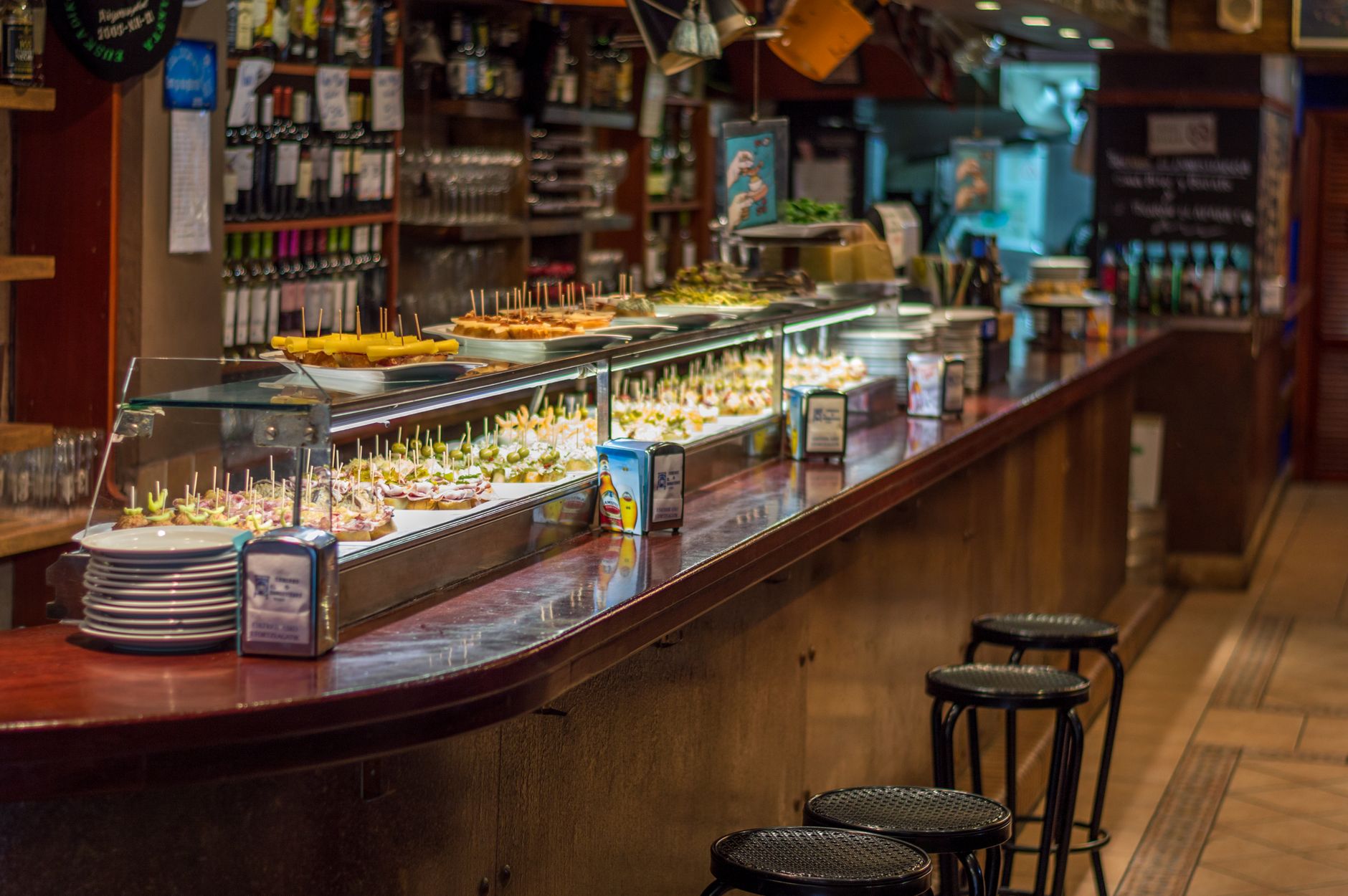


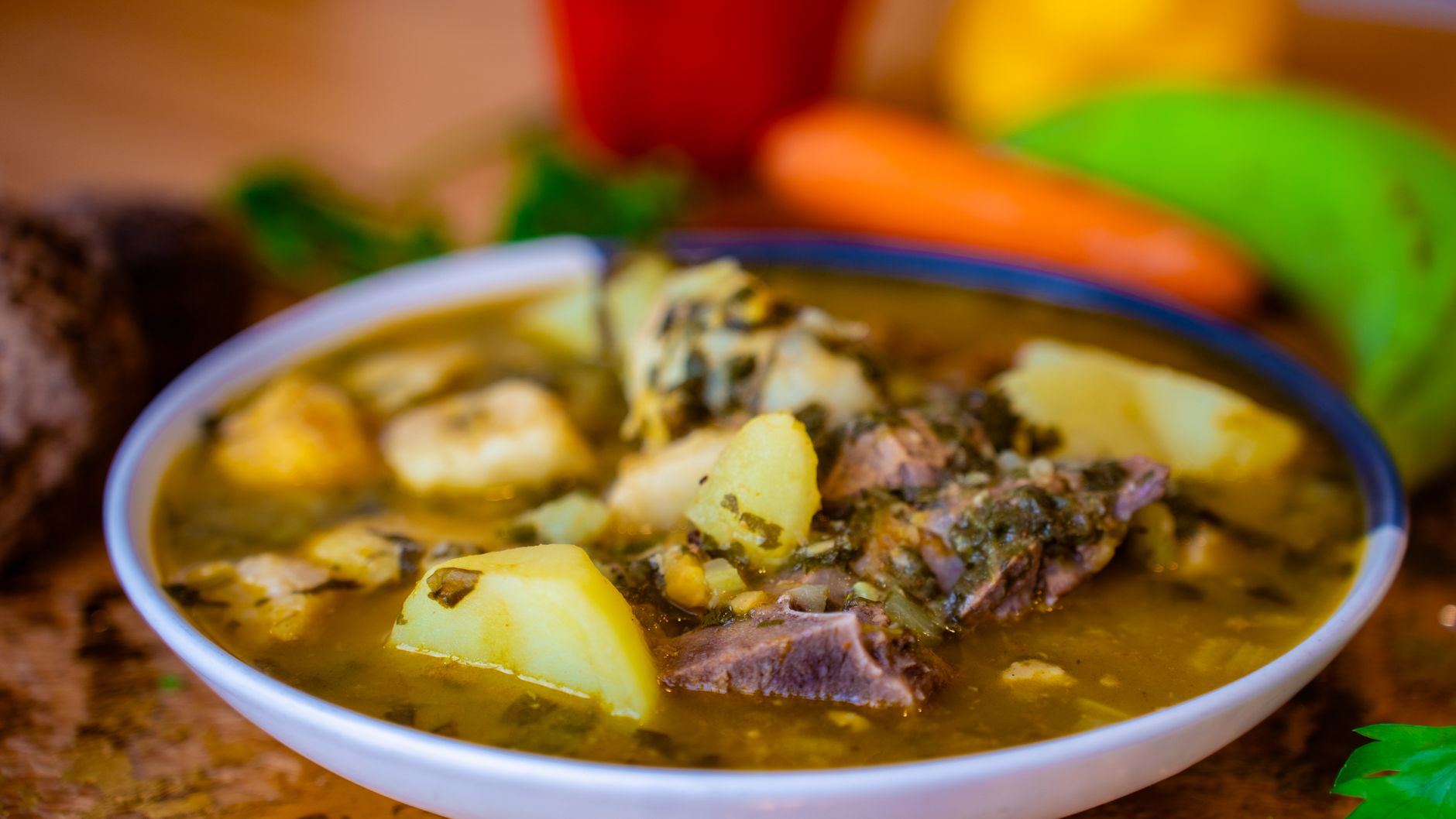
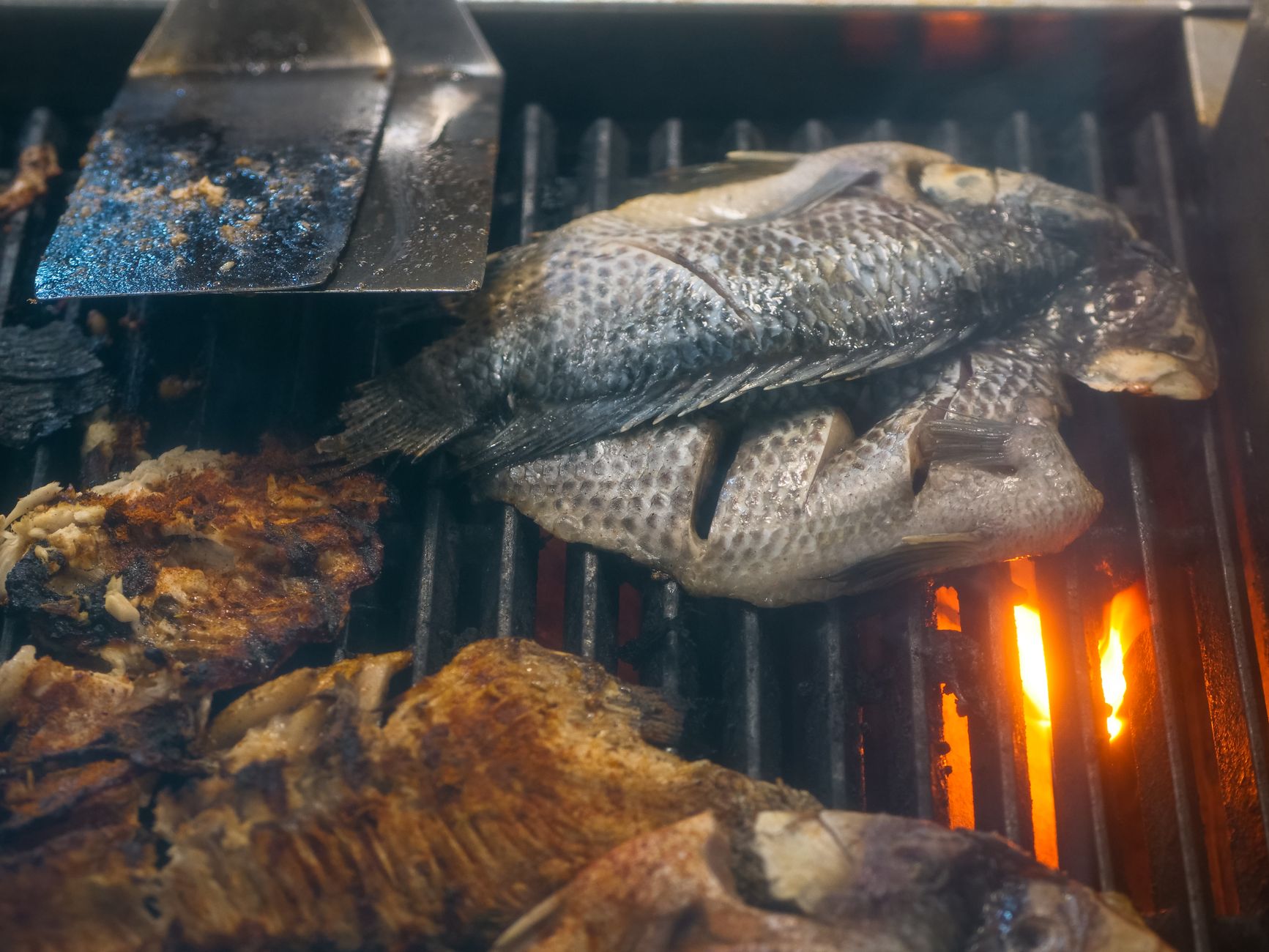

In Basque Country


In Basque Country







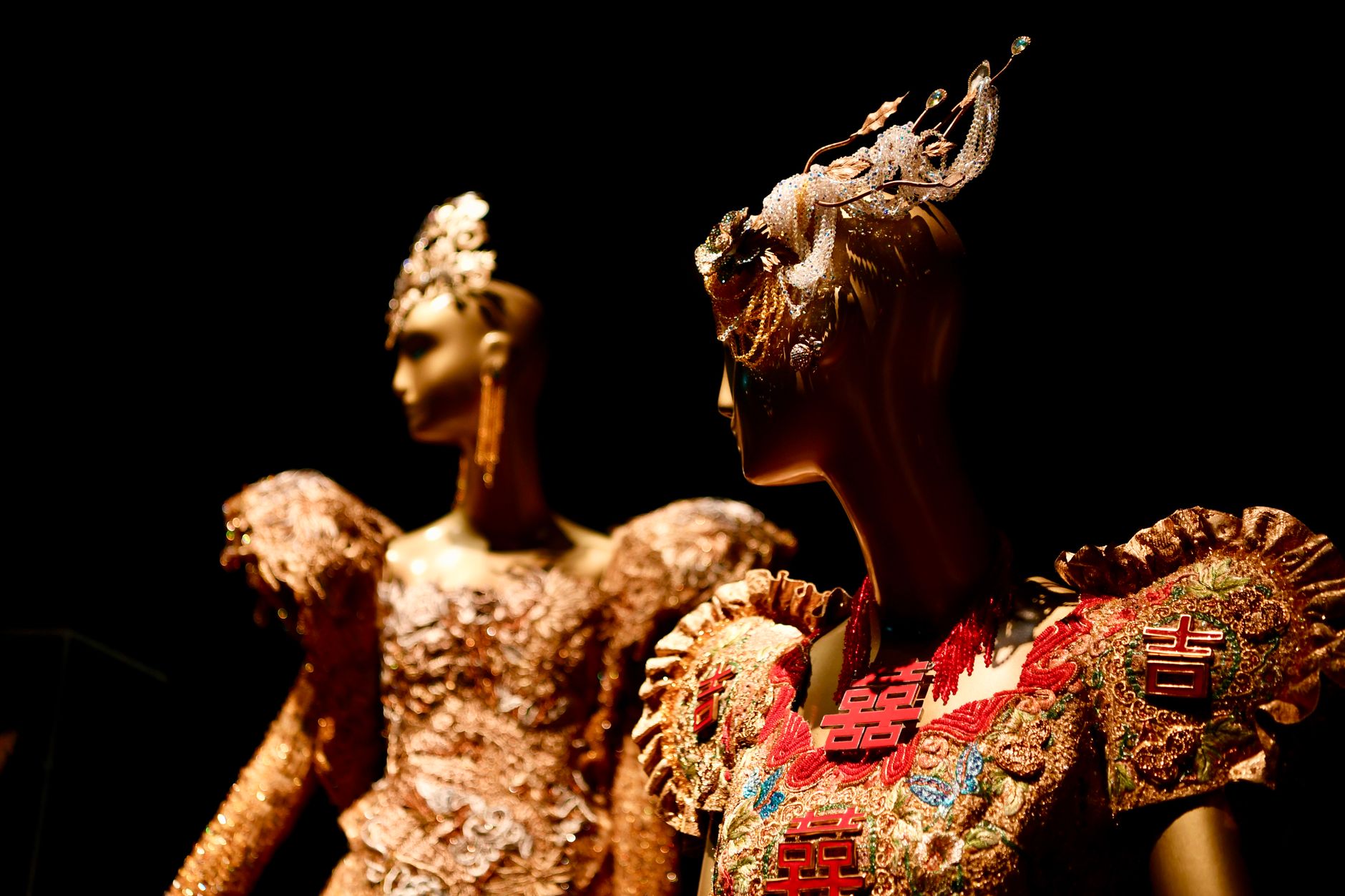







Logistics are verified only. We don't publish schedules we haven't confirmed.
Ready to build Txuleta into a trip?
You've found a place worth going. When you're ready to turn discovery into an itinerary, Travel Itinerary Co picks up where the Field Guide leaves off — with your saved places already in hand.
Build this into a tripContinues on Travel Itinerary Co
Spain Field Guide may earn a commission when you book through selected links. Recommendations are editorial and independent of commission.