Sagardotegi Petritegi

A Basque winter ritual. Go in cider season (Jan–April), stand under the txotx (barrel tap), catch the cider in your glass, eat the set menu. It's a feast.
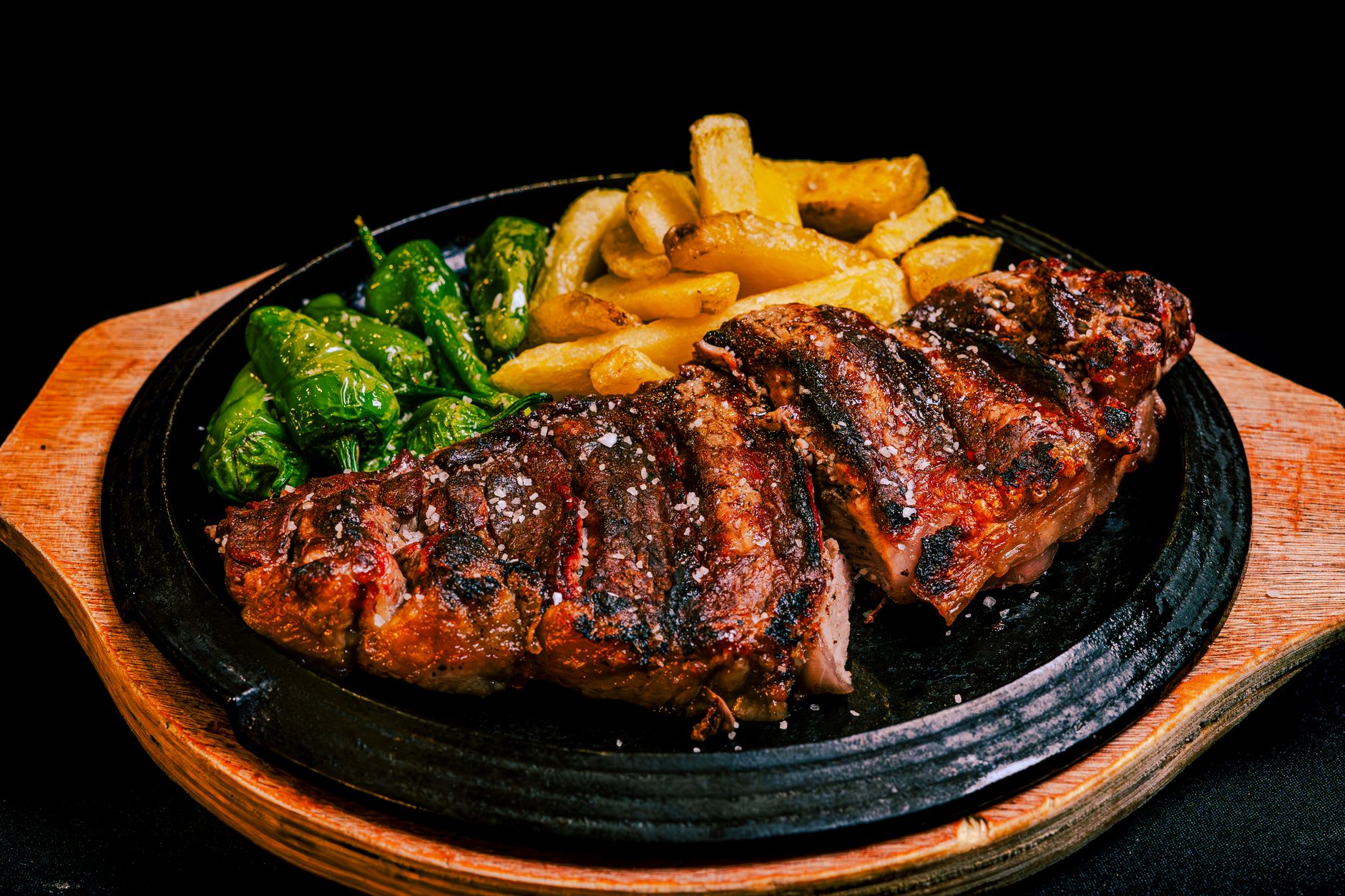
A traditional Basque cider house near Astigarraga, where natural cider pours straight from the barrel and you drink it with a fixed menu: cod omelette, fried cod, big rib steak, cheese with quince.
At a Glance
- — You're not there between January and April — it's a seasonal thing
In the damp heart of a Basque winter, cider houses come alive with the thunderous, repetitive chant of 'txotx' as barrels are uncorked. A rustic, communal feast of thick-cut salt cod, chorizo, and bone-in rib steaks cooked over open fires sets the stage for drinking natural, unfiltered cider poured directly from the tap into your glass. The atmosphere is raw, loud, and bracingly cold, centering on the simple pleasure of catching a stream of cloudy, sour-sweet liquid from the wooden spout while standing in a cavernous, barn-like hall.
How it got here
The production of cider stems from the agricultural traditions of the Gipuzkoa province where apple orchards once blanketed the damp, verdant valleys. Local families pressed the autumn harvest into cider, a beverage that provided essential hydration for laborers in the ironworks and maritime industries. Cider houses evolved from these domestic cellars into communal spaces where barrels were tapped for friends and neighbors. This practice persisted through generations, maintaining a link to rural Basque life even as the surrounding coastal towns industrialized. Today, these cider houses preserve the ritual of drinking unfiltered cider directly from the tonels, a direct continuation of the seasonal labor and social patterns that shaped the valley long ago.
Where it sits
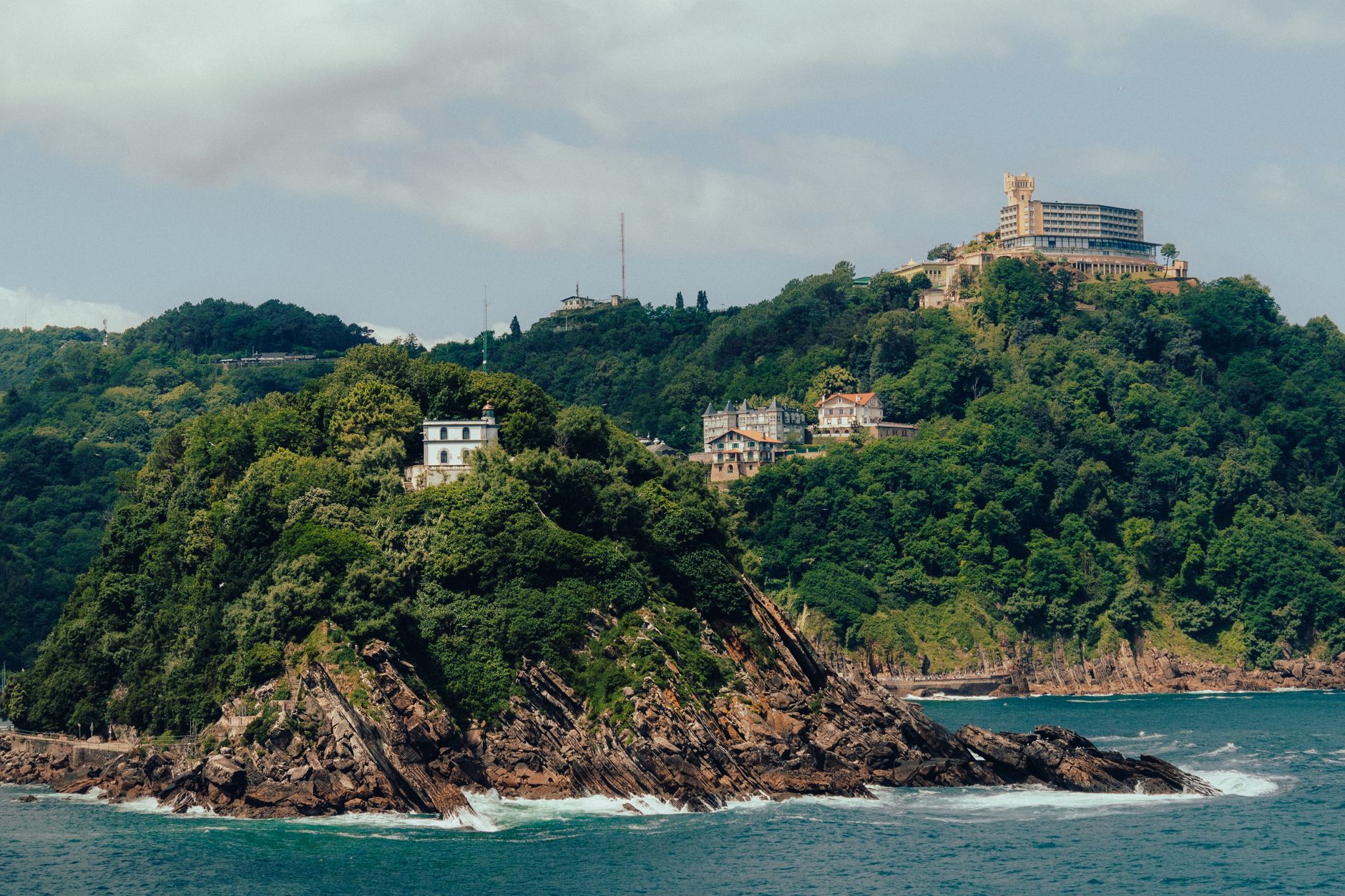
The valley sits between the green slopes of the Basque interior and the damp, salt-air influence of the Cantabrian Sea. Heavy rainfall defines this landscape, creating thick forests and pastures that remain lush through the year. Steep hillsides limit available flat ground, forcing buildings into narrow clearings or against the base of limestone outcrops. Summer months bring cooling breezes from the coast, while winter mists fill the lower elevations. The terrain requires careful travel along winding roads that follow the contours of the rivers and the jagged ridgelines of the Atlantic mountains.
What to eat and drink
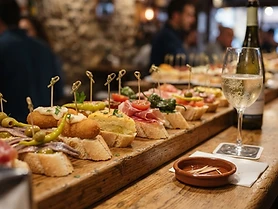
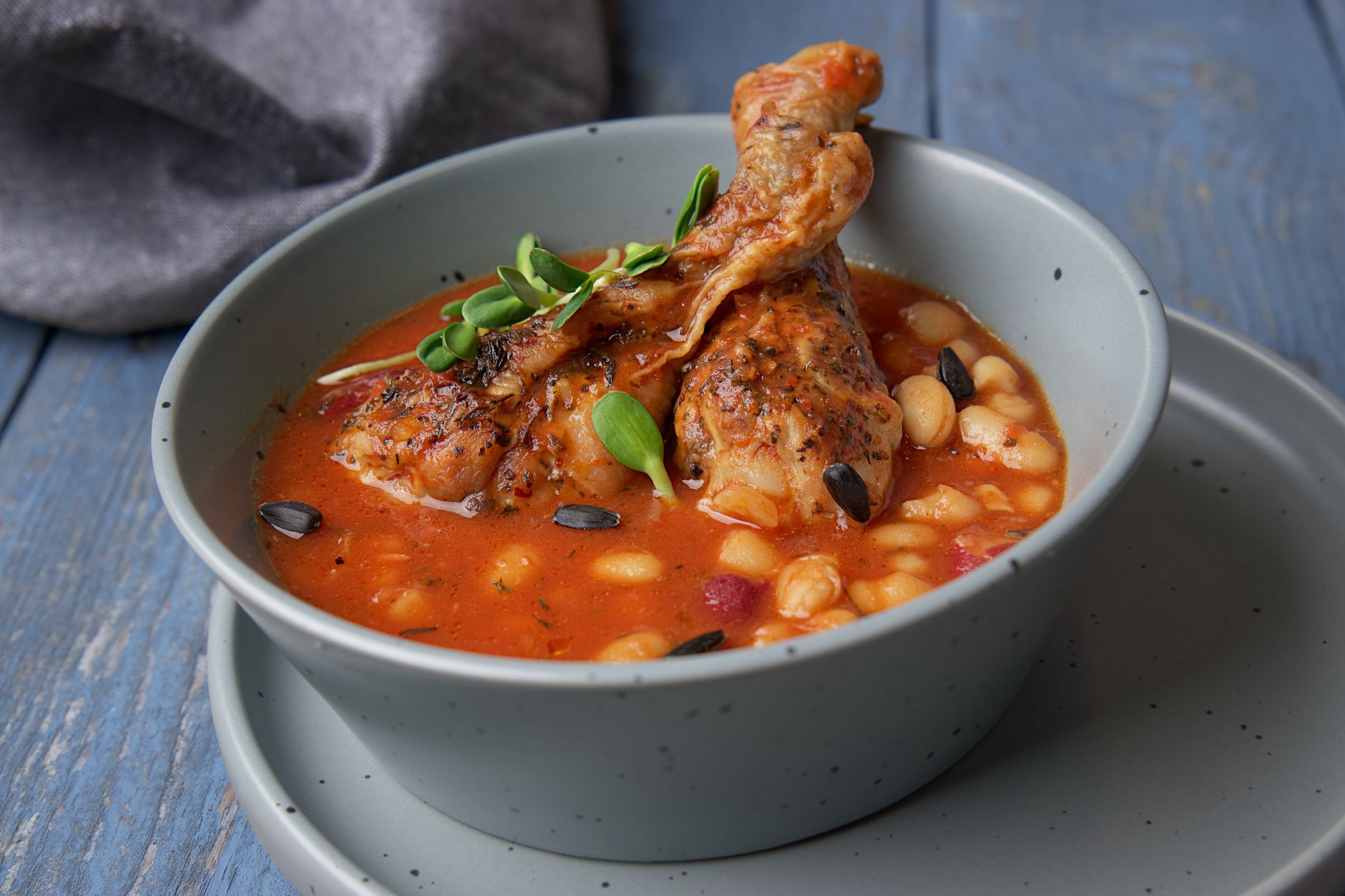
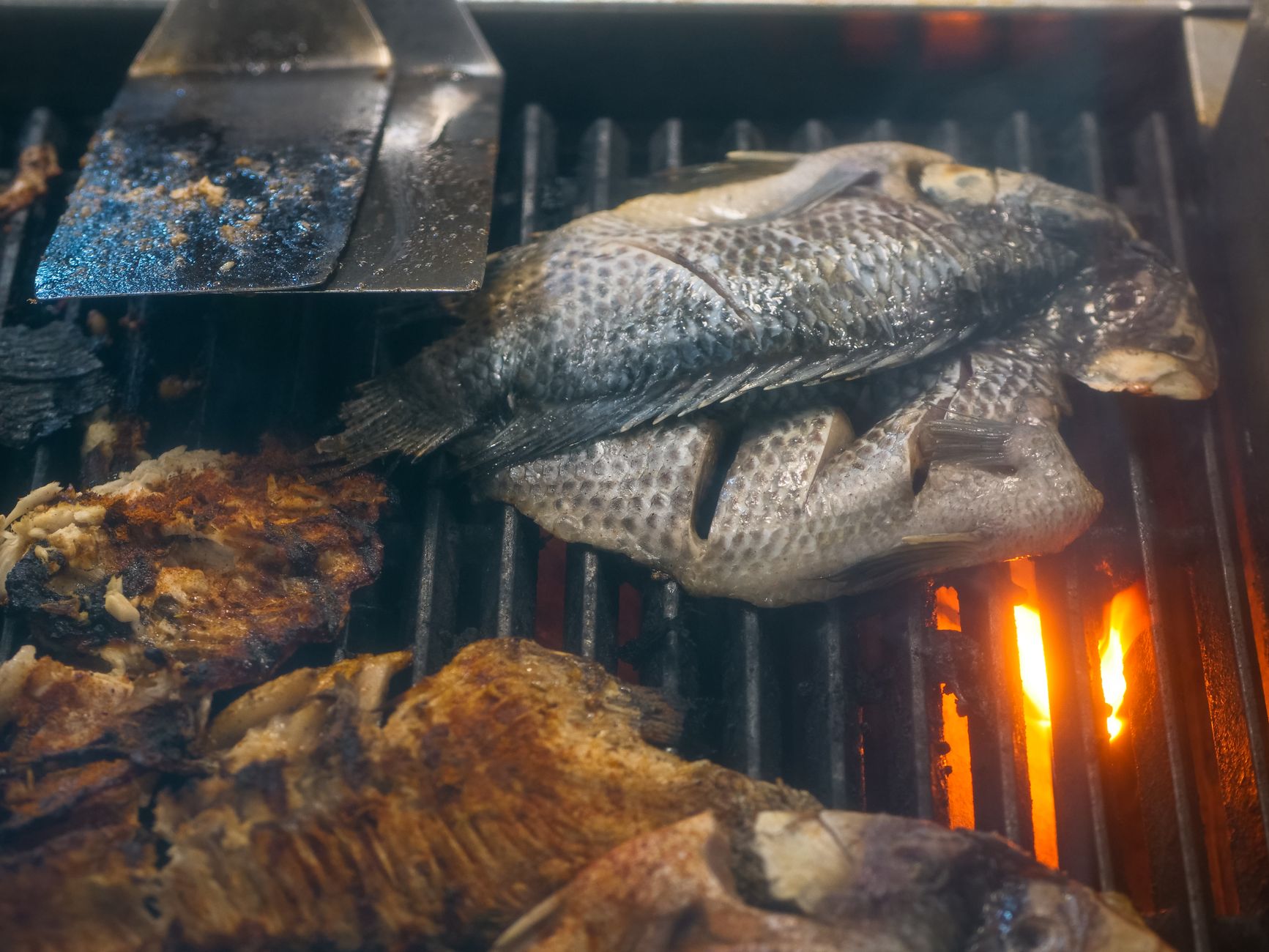
The meal follows a rigid, centuries-old sequence centered on the wood-fired grill. Diners eat salt cod, known as bacalao, prepared with peppers or fried with onions. The main course consists of txuleta, large cuts of bone-in beef sourced from mature cattle and seared over hot coals until the fat renders and the crust turns dark. Cider is served from the barrel when the shout of txotx rings through the room, signaling the opening of a fresh tap. The drink is cloudy, tart, and acidic, distinct from the filtered, sweetened versions produced elsewhere.
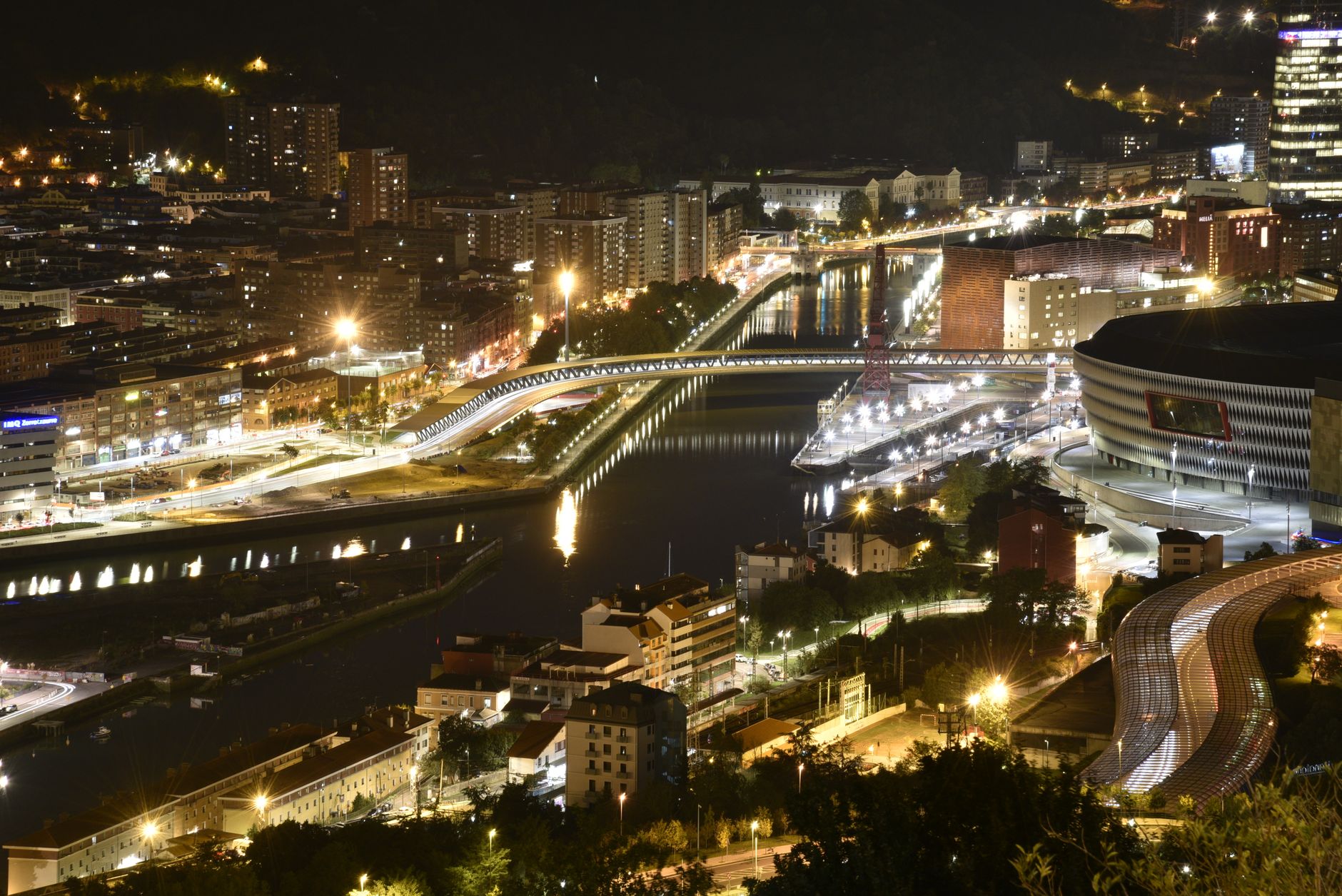
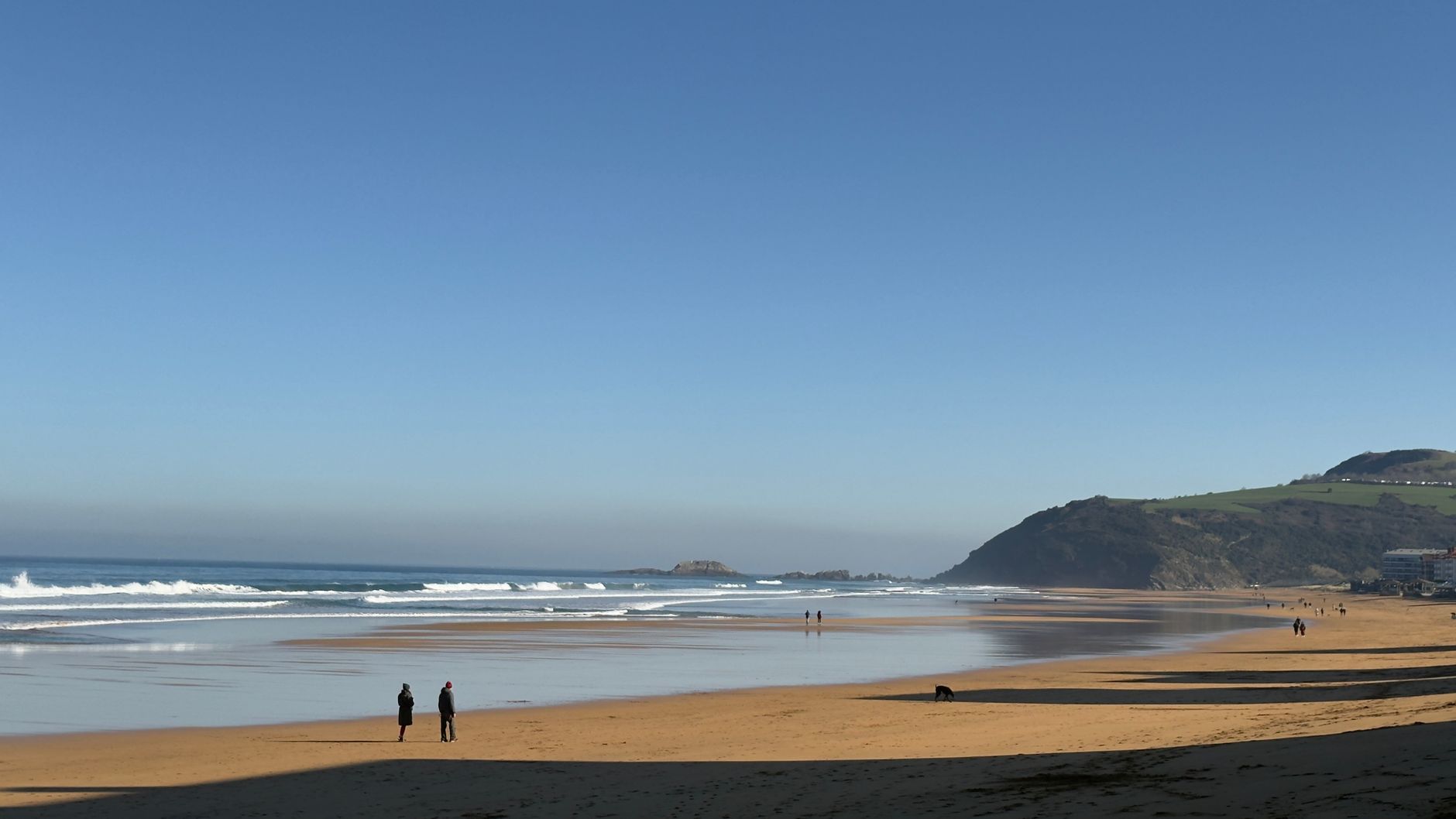
Basque Country: the whole region
The Basque Country is the most expensive and the most rewarding corner of northern Spain: three small provinces, each with its own character, all within an hour of each other. It suits travellers who want to eat well and move slowly far…
Minimum 4 days · better 7 days · deep 2 weeks

Pair It With



In Basque Country







In Basque Country


In Basque Country












Linked from elsewhere
Entries that name this place in their own nearby lists.
Logistics are verified only. We don't publish schedules we haven't confirmed.
Appears In
Ready to build Sagardotegi Petritegi into a trip?
You've found a place worth going. When you're ready to turn discovery into an itinerary, Travel Itinerary Co picks up where the Field Guide leaves off — with your saved places already in hand.
Build this into a tripContinues on Travel Itinerary Co
Spain Field Guide may earn a commission when you book through selected links. Recommendations are editorial and independent of commission.