Alubias de Tolosa
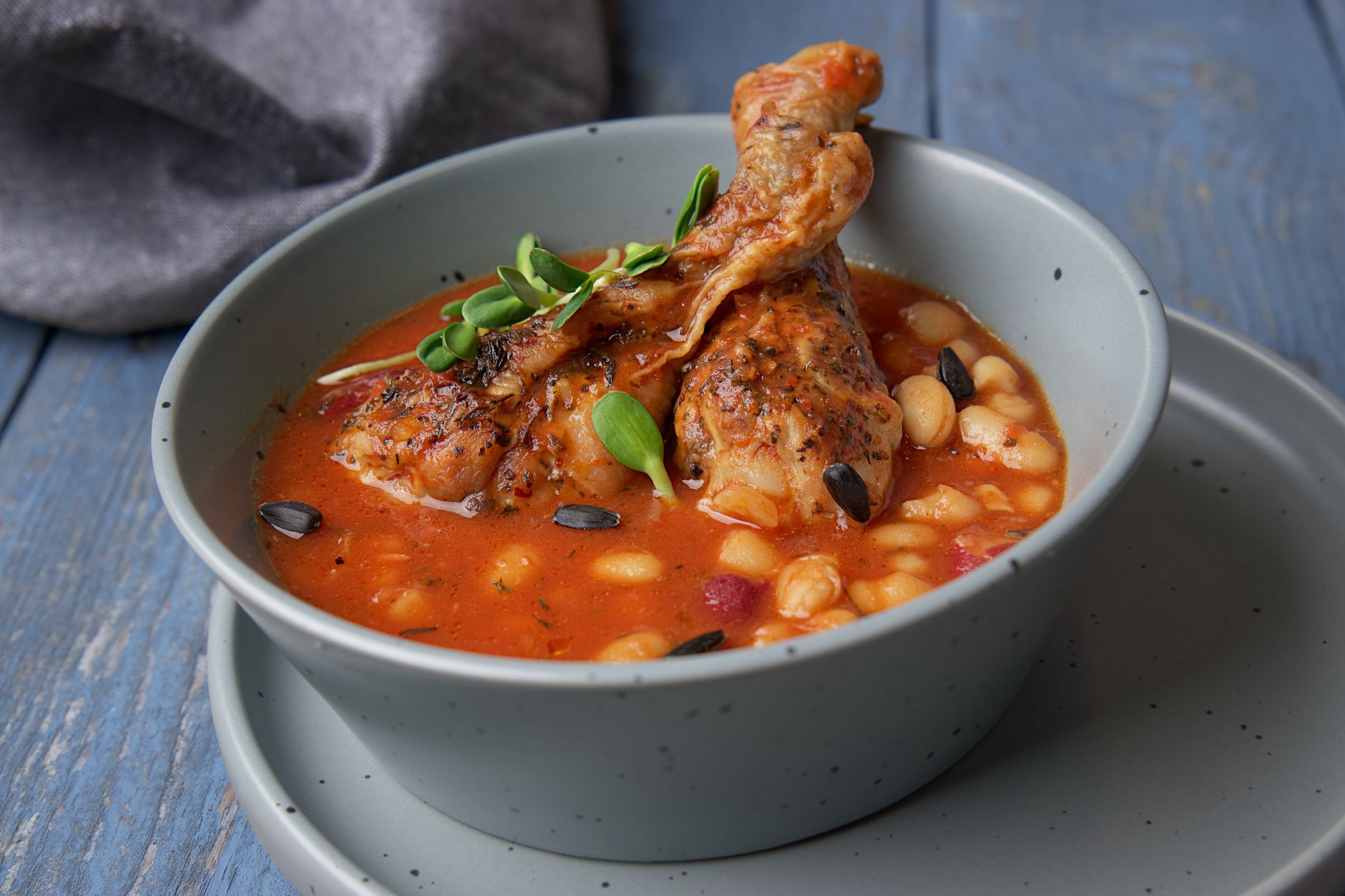
Recommended, and the best lunch in the Basque Country on a cold day. Order it where it is grown.
A humble plate with a quality label, eaten at midday in the valley that has grown the beans for centuries.
At a Glance
- — You want something light — this is a heavy plate, eaten at midday
The beans grown on the flood plain of the Oria around Tolosa are dark, small and unusually creamy, and they carry a quality label of their own. In the restaurants of Tolosa and the villages around it they are served as a course in their own right, with morcilla, a little pork fat and pickled guindilla peppers, and nothing else: no tomato, no chorizo, no herbs. It is winter food, cooked slowly in the morning for lunch, and outside the Basque Country you will often see alubias de Tolosa on a menu when the beans came from somewhere else entirely. Buy them dried at the Saturday market in Tolosa or the Wednesday market in Ordizia.
How it got here
The production of these specific black beans persists because of the particular alluvial soil deposited by the Oria river valley. Throughout the nineteenth century, the small agricultural plots surrounding Tolosa supplied the growing industrial hubs of Gipuzkoa with staples. Farmers maintained the local seed variety through individual harvests, protecting the integrity of the bean against imported legumes that flooded markets during the twentieth century. Recognition of the product through modern quality seals formalized the link between the crop and the town, preventing the loss of the specific cultivar as local agriculture shifted to accommodate a changing economy.
Where it sits
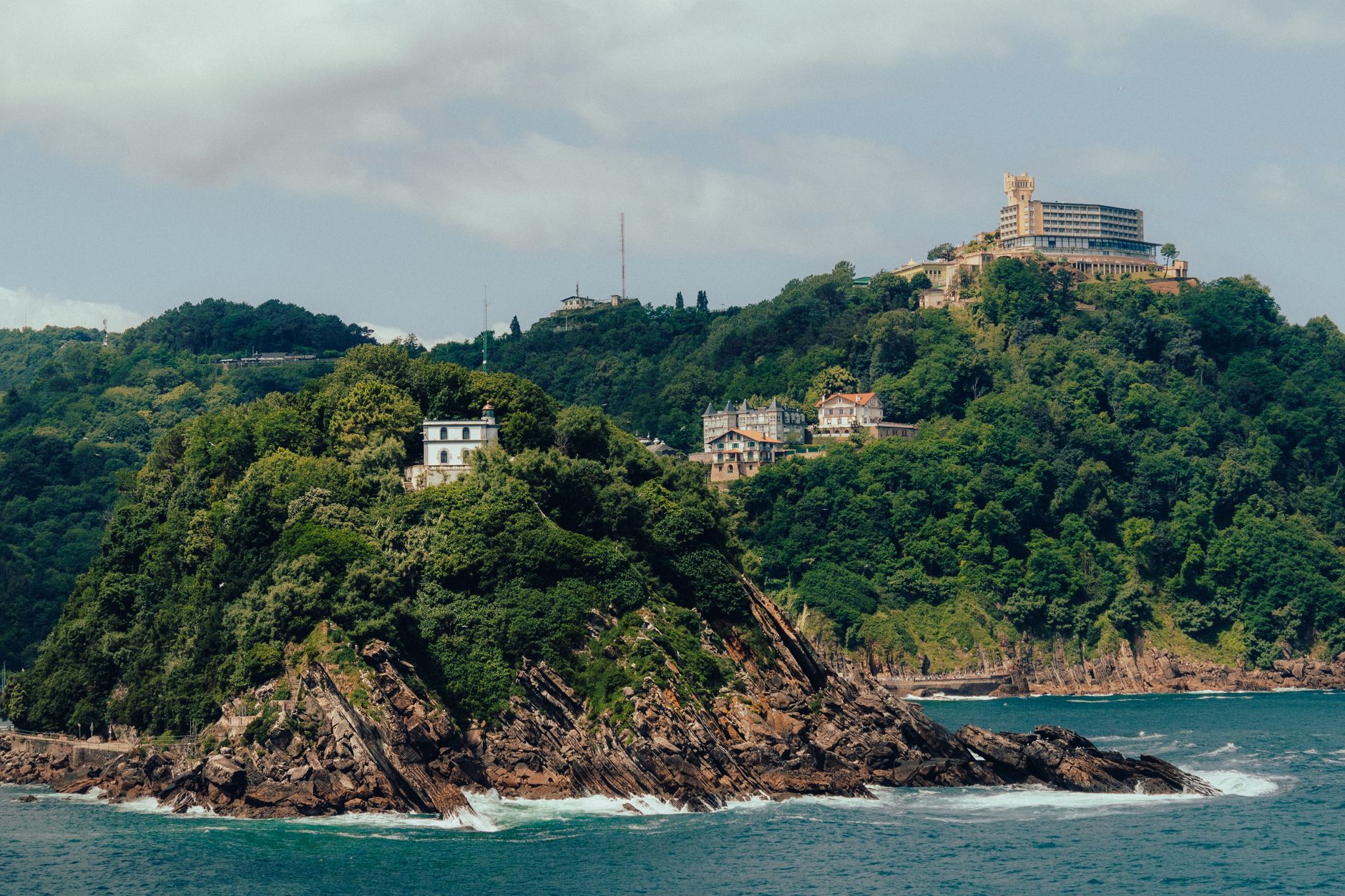
The town occupies a narrow valley floor where the mountains rise sharply into green pastures and dense forests. Winter brings persistent rain and low clouds that cling to the steep slopes of the foothills. Steam rises from the kitchens on Saturdays as market stalls fill the town square with produce from the surrounding caseríos. This landscape depends on high rainfall and cool nights, conditions that distinguish the valley from the arid plains of the south. Travelers arrive by train from San Sebastián, passing through the deep river gorges that define the transit between the coast and the inland mountains.
What to eat and drink
The standard preparation isolates the bean, cooked slowly in water with salt and a modest amount of pork fat until the broth turns dark and opaque. Cooks serve the legumes separately from the accompaniments to maintain the texture of the skins. The traditional plate includes morcilla, a blood sausage thickened with leeks or rice, and pickled guindilla peppers that cut through the richness of the fat. Diners finish the meal with a glass of txakoli, the sharp, slightly effervescent white wine produced on the nearby coastal slopes that balances the weight of the winter pulses.
Basque Country: the whole region
The Basque Country is the most expensive and the most rewarding corner of northern Spain: three small provinces, each with its own character, all within an hour of each other. It suits travellers who want to eat well and move slowly far…
Minimum 4 days · better 7 days · deep 2 weeks
What's Nearby


In Basque Country






In Basque Country


In Basque Country













Logistics are verified only. We don't publish schedules we haven't confirmed.
Ready to build Alubias de Tolosa into a trip?
You've found a place worth going. When you're ready to turn discovery into an itinerary, Travel Itinerary Co picks up where the Field Guide leaves off — with your saved places already in hand.
Build this into a tripContinues on Travel Itinerary Co
Spain Field Guide may earn a commission when you book through selected links. Recommendations are editorial and independent of commission.