Santuario de Loyola

Worth going if you have any interest in Jesuit history — an unusually grand Baroque basilica built on the birthplace of Ignatius of Loyola.
The domed basilica and attached tower house (Ignatius's actual birthplace) offer a rare combination of biographical pilgrimage site and architectural spectacle.
At a Glance
- — not interested in religious history
- — short on time in Basque Country
Surrounded by the emerald hills of the Basque Country, this massive, domed basilica serves as the birthplace of Ignatius of Loyola, the founder of the Jesuits. The contrast between the simple, humble tower room where the saint was born and the soaring, gold-laden Baroque architecture of the basilica is striking. It is a site of pilgrimage that balances personal history with grand, theatrical display. Even for those not moved by religious history, the sheer scale of the dome and the precision of the surrounding gardens make it a singular, architecturally heavy stop.
How it got here
Iñigo López de Loyola was born in the medieval tower house here in 1491. After his injury at the Battle of Pamplona in 1521, his convalescence turned toward religious devotion and the eventual founding of the Society of Jesus. The present basilica grew from an original seventeenth-century project commissioned by Mariana of Austria to enclose the birthplace. Italian architects Carlo Fontana and Mattia de Rossi oversaw the structural design, applying Roman Baroque principles to the Gipuzkoan landscape. This project integrated the austere stone tower into a massive complex, marking the transition from local nobility to global ecclesiastical influence that continues to define the site.
Where it sits
The Urola river winds through a valley of steep, dark green slopes covered in thick oak and chestnut forest. This section of Gipuzkoa stays humid year-round, turning the limestone cliffs above the valley floor grey against the surrounding pasture. Roads follow the narrow river corridors, cutting through industrial towns before reaching the quiet enclave of Loyola. Heavy mists cling to the hillsides during the shoulder seasons and winter, while summer temperatures remain moderate due to the proximity of the Cantabrian Sea. Pilgrims and architectural researchers visit in steady numbers, though the interior maintains a quiet atmosphere.
What to eat and drink
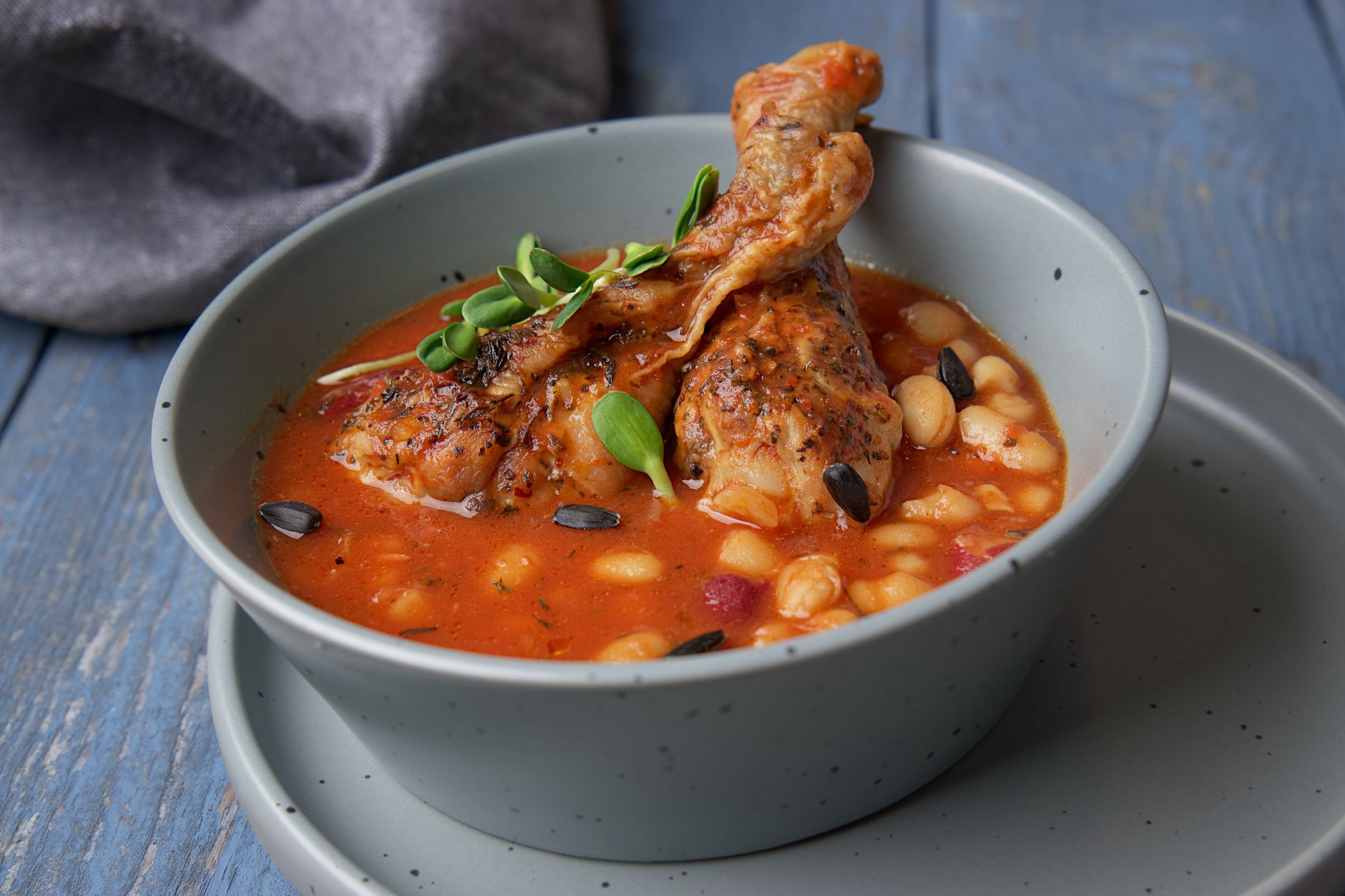
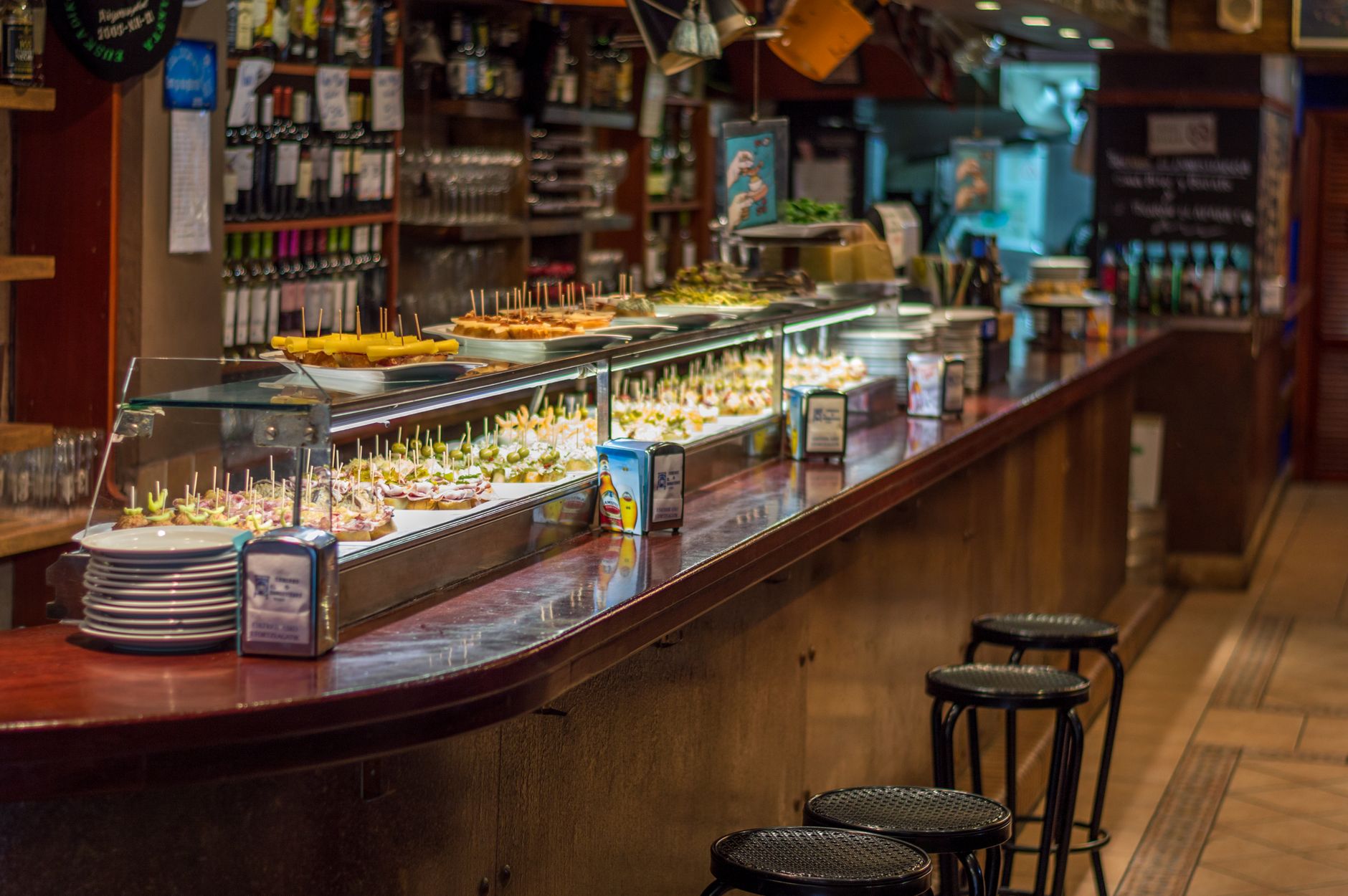
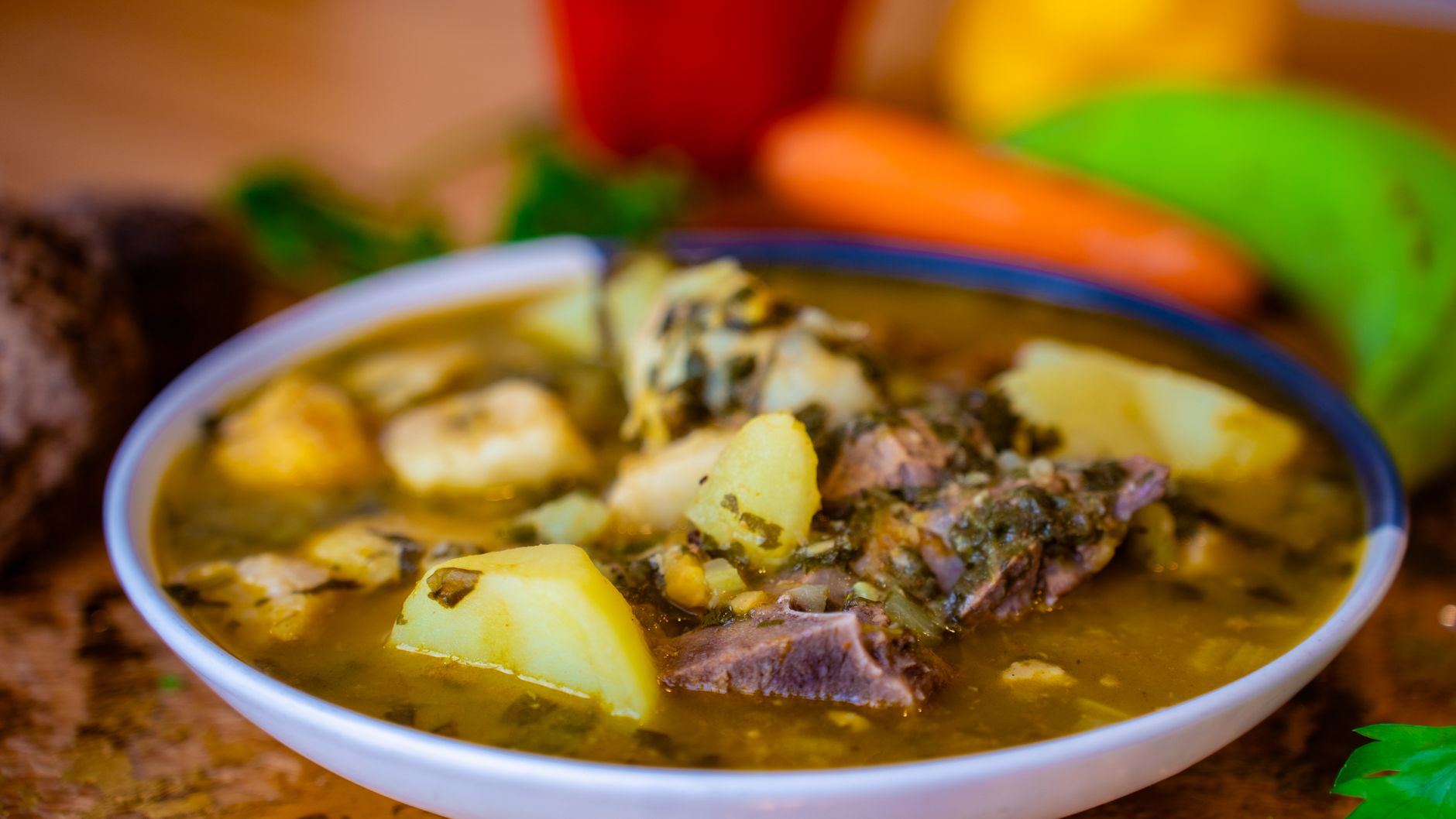
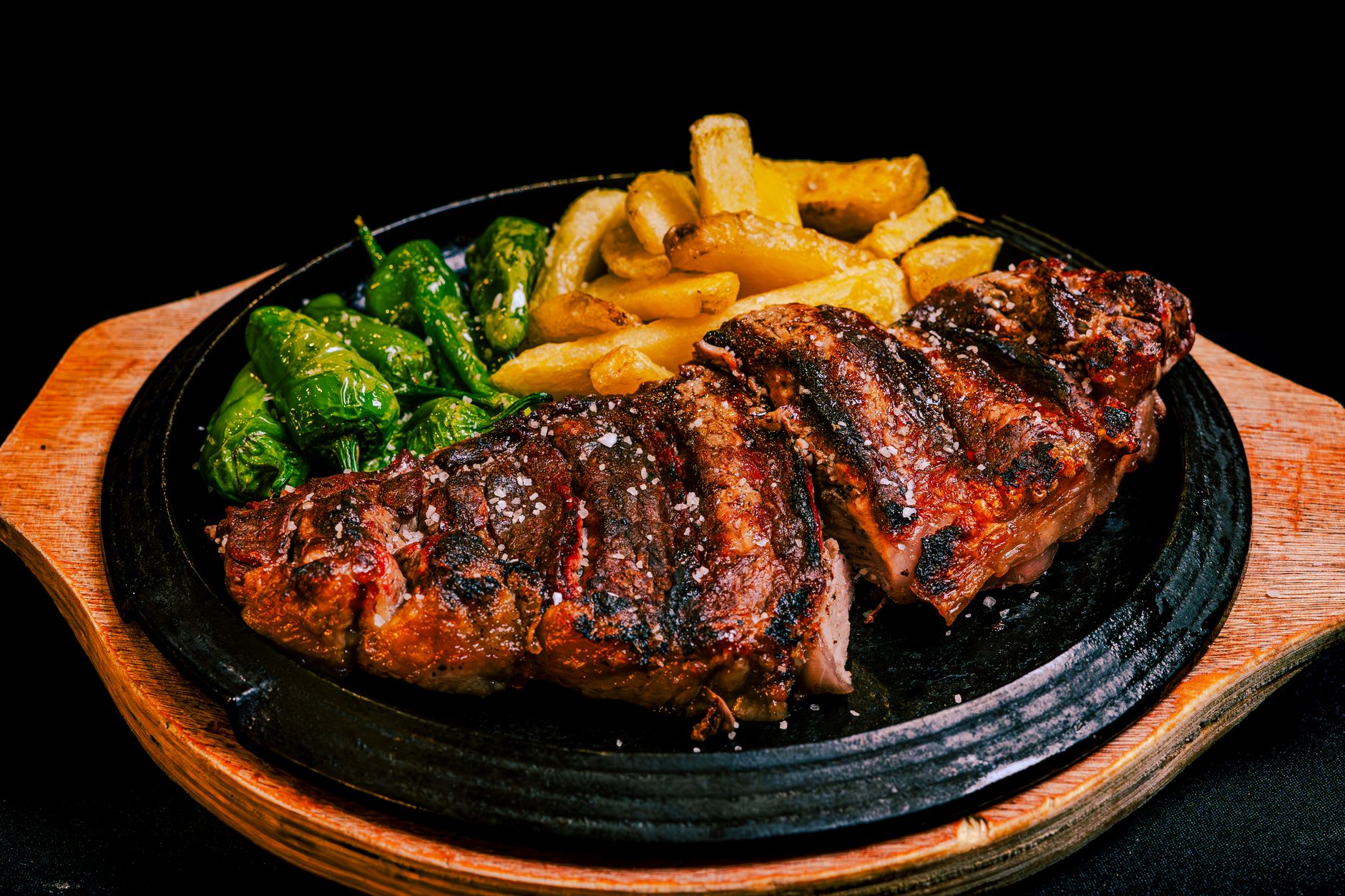
The cuisine follows the traditions of the Gipuzkoan interior. Idiazábal cheese, a smoked sheep milk cheese produced from the Latxa breed, forms the standard conclusion to any meal. Salt cod prepared as bacalao al pil-pil, emulsified with olive oil, garlic, and chili in a clay pot, provides the region’s signature texture. For meat, look for chuletón, thick cuts of mature beef grilled over charcoal until the fat renders. Sagardoa, a tart and naturally fermented cider poured from height to aerate the liquid, fills the glasses in local taverns during the spring bottling season.
Basque Country: the whole region
The Basque Country is the most expensive and the most rewarding corner of northern Spain: three small provinces, each with its own character, all within an hour of each other. It suits travellers who want to eat well and move slowly far…
Minimum 4 days · better 7 days · deep 2 weeks

Pair It With

In Basque Country








In Basque Country


In Basque Country











Logistics are verified only. We don't publish schedules we haven't confirmed.
Appears In
Ready to build Santuario de Loyola into a trip?
You've found a place worth going. When you're ready to turn discovery into an itinerary, Travel Itinerary Co picks up where the Field Guide leaves off — with your saved places already in hand.
Build this into a tripContinues on Travel Itinerary Co
Spain Field Guide may earn a commission when you book through selected links. Recommendations are editorial and independent of commission.