Bodegas Ysios

Pair with Marqués de Riscal for the modern-architecture Rioja day. The tasting is good; the photo is the point.
A Calatrava-designed winery outside Laguardia, its aluminum roof rippling like the Cantabrian mountains behind it. The building is the reason.
At a Glance
- — You've already done one Gehry winery (Marqués de Riscal)
An aluminum roof rippling like the serrated peaks of the Cantabrian Mountains serves as a striking silhouette against the sprawling vineyards of the Rioja Alavesa. Designed by Santiago Calatrava, the structure feels less like a winery and more like a sculptural gateway to the horizon, its long, rhythmic lines reflecting the seasonal shifts of the valley floor. It is a place where the architecture demands as much focus as the vintage, providing a sleek, photogenic contrast to the weathered wood and ancient cellars found elsewhere in the province.
How it got here
Rioja Alavesa holds the southern edge of the Basque Country, a strip of land wedged between the Ebro River and the Sierra de Cantabria. For centuries, local agrarian life revolved around the cultivation of cereal crops and small vineyards, a pattern solidified by the medieval transition of these lands to the Kingdom of Castile. The current viticultural identity of the area solidified during the late nineteenth century when phylloxera devastated French vineyards, forcing a surge in demand for Basque-grown grapes. Modern wineries like this one rely on the geological and political history of the Ebro valley, which long served as a vital passage for trade between the plateau and the north.
Where it sits
The terrain rises from the Ebro River toward the steep limestone cliffs of the Sierra de Cantabria. Vineyards cover the chalky, white slopes in a mosaic of green during the summer and gold after the autumn harvest. Narrow roads link the small stone villages of the Rioja Alavesa where the sound of the wind carries across the vines. Cold air descends from the mountains during the winter, while the summers bring dry heat to the valley floor. Travelers reach the vineyards by driving through the rolling, rural landscape of the province, which keeps a slow pace compared to the industrial hubs to the north.
What to eat and drink
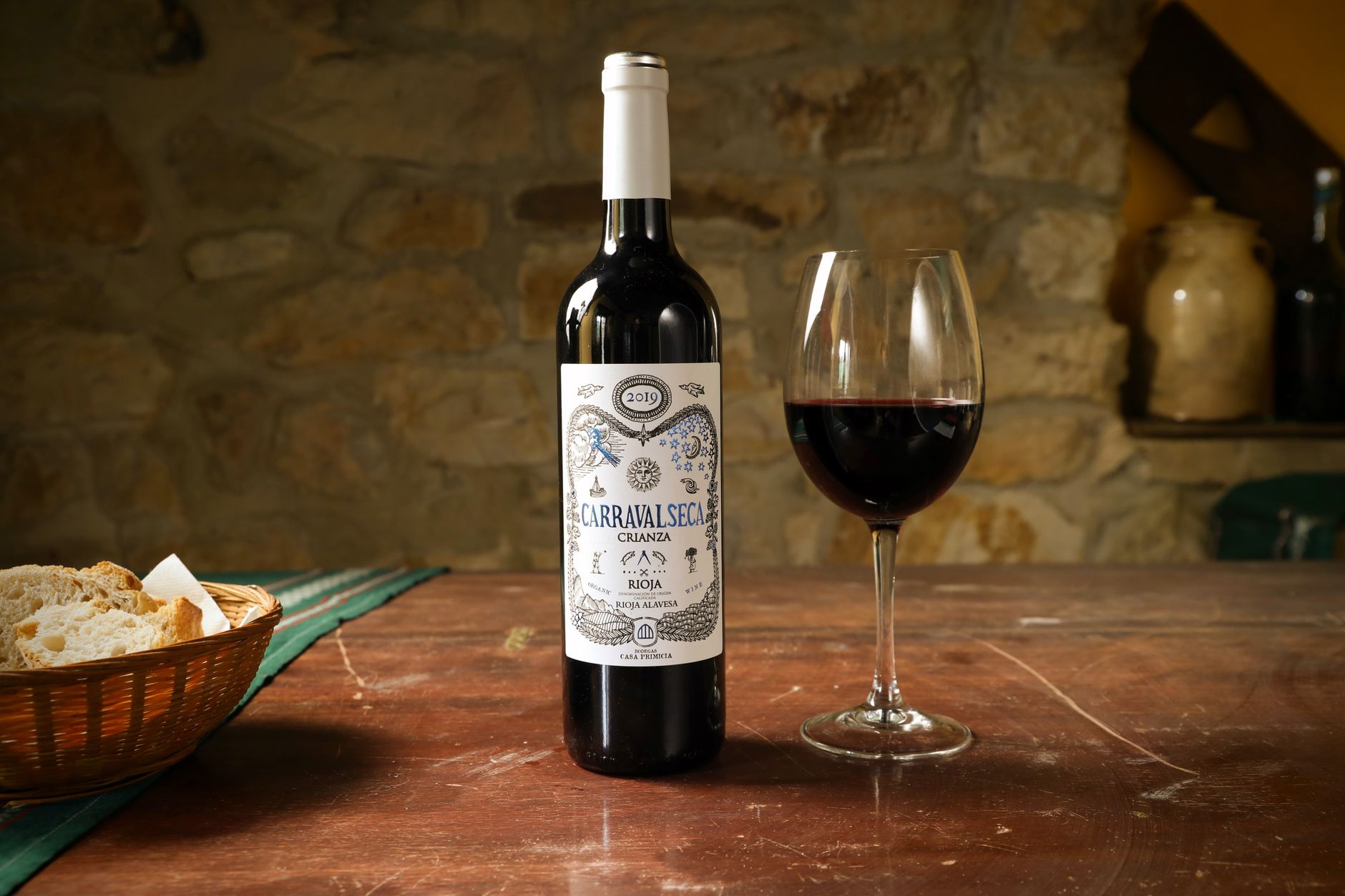
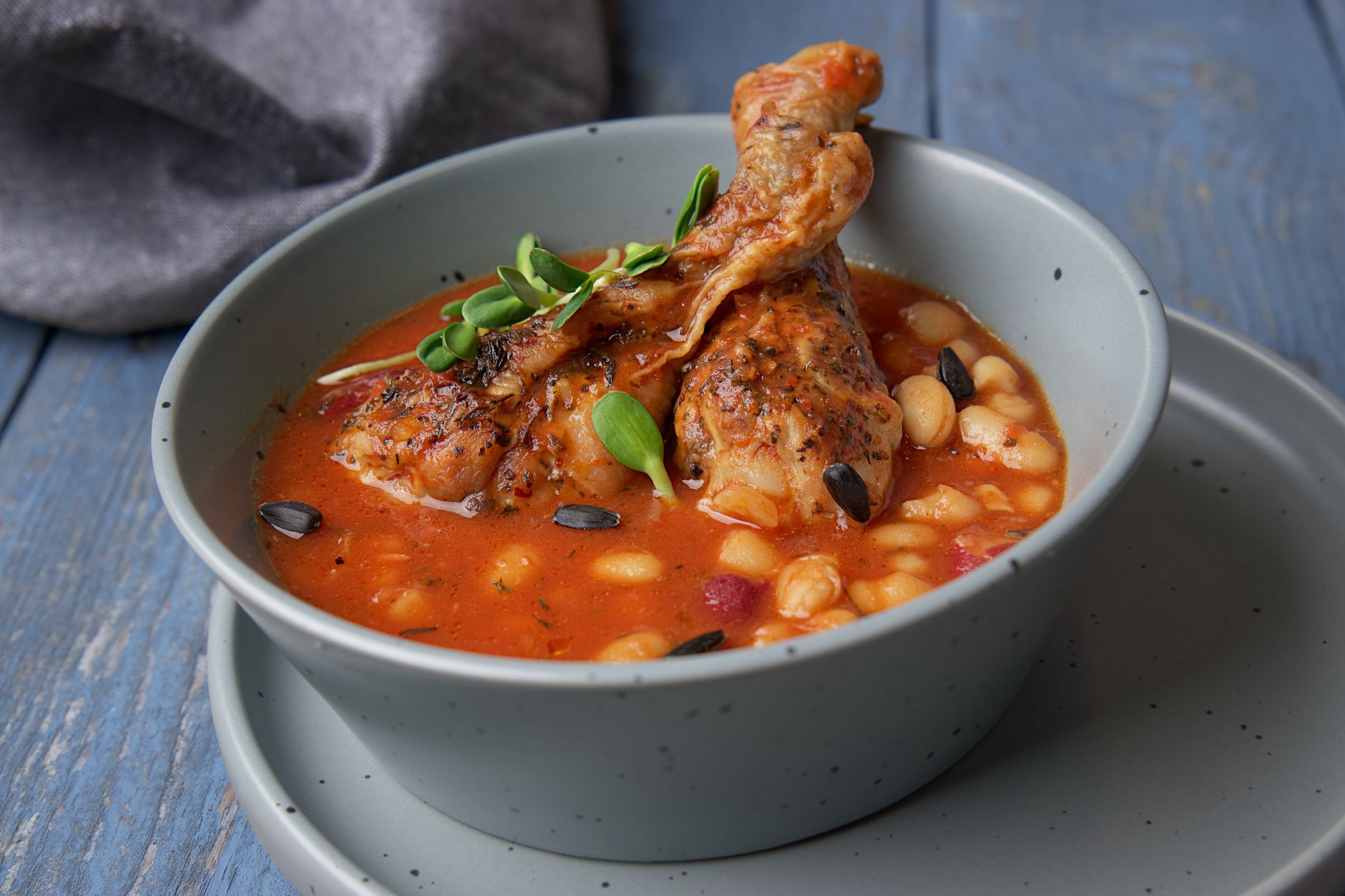
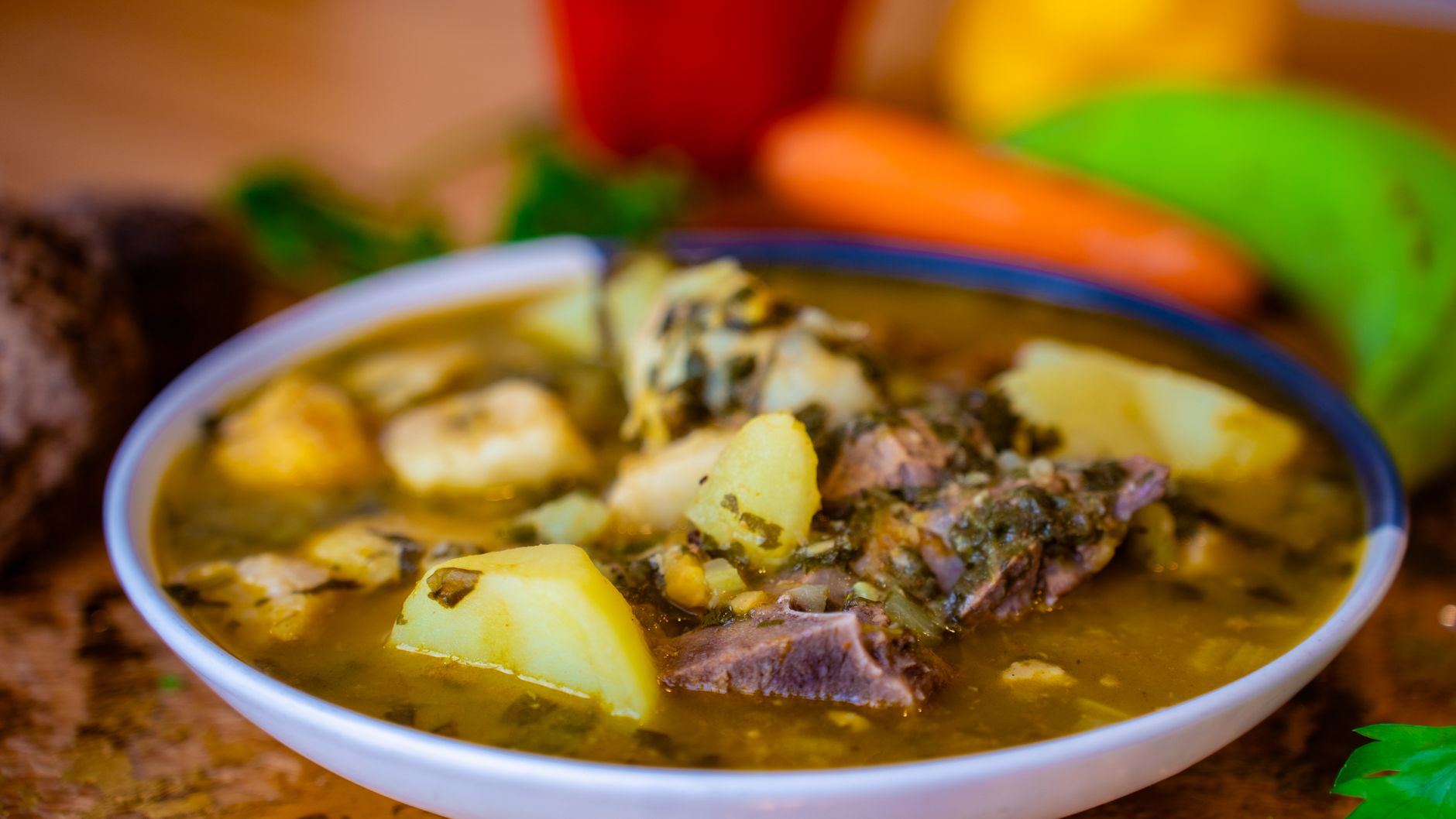
Rioja Alavesa cuisine relies on the produce of the Ebro valley. Patatas a la riojana, a stew of potatoes cooked with spicy chorizo and pimentón, serves as the primary regional dish. Bacalao a la vizcaína, salt cod rehydrated and simmered in a thick sauce of choricero peppers, defines the local preference for preserved fish. Meals conclude with glasses of Rioja, the red wine fermented from Tempranillo grapes grown in the surrounding chalky soil. The heavy fruit profile of the wine balances the salt and fat of the local pork products served in rural kitchens across the valley.
Basque Country: the whole region
The Basque Country is the most expensive and the most rewarding corner of northern Spain: three small provinces, each with its own character, all within an hour of each other. It suits travellers who want to eat well and move slowly far…
Minimum 4 days · better 7 days · deep 2 weeks
Pair It With

In Basque Country








In Basque Country


In Basque Country












Linked from elsewhere
Entries that name this place in their own nearby lists.
Logistics are verified only. We don't publish schedules we haven't confirmed.
Appears In
Wine tastings and vineyard visits worth booking ahead
Spain Field Guide may earn a commission when you book through selected links. Recommendations are editorial and independent of commission.
Ready to build Bodegas Ysios into a trip?
You've found a place worth going. When you're ready to turn discovery into an itinerary, Travel Itinerary Co picks up where the Field Guide leaves off — with your saved places already in hand.
Build this into a tripContinues on Travel Itinerary Co
Spain Field Guide may earn a commission when you book through selected links. Recommendations are editorial and independent of commission.