Salinas de Añana

An hour, well spent, on the road between Bilbao and Logroño. Book a slot rather than turning up.
An industrial landscape that predates industry, in a valley that has been making salt for thousands of years.
At a Glance
- — You want a large attraction with facilities
Salt has been made at Añana for millennia, from springs so salty the water is close to brine. What remains is remarkable: a valley of wooden and stone evaporation terraces built up the hillside, each one once an independent holding, restored over the last twenty years and producing salt again. Because the spring is the source, the whole operation sits inland, hours from the sea, in the middle of Basque farmland. Visits run on guided slots and walkways take you along the terraces; an hour is enough, and it pairs naturally with the villages and vineyards of the Rioja Alavesa twenty minutes south.
How it got here
Salt extraction began here during the Neolithic period when inhabitants diverted spring water into small evaporation plots. The unique geography of the valley dictates the industry because four natural springs emerge with high salinity levels. During the Middle Ages, the community organized the terraces into communal and private holdings, establishing a complex system of wooden channels to distribute water. These structures allowed the valley to supply the inland trade routes long before coastal salt production dominated the market. Recent archaeological surveys confirm the continuous operation of these pans since the eleventh century, providing a rare link to pre-industrial production methods that survived regional shifts in power.
Where it sits
The valley cuts into the limestone landscape of the Añana district, defined by the dry hills of the Basque interior. Salt pans extend up the steep hillsides, creating a distinct geometric pattern against the surrounding scrub and oak forests. High plateau winds dry the pans during the summer, while winter snows halt production until the spring thaw. The site sits along the winding roads that connect the Ebro valley to the northern mountains. Travelers arrive through narrow village passes that transition from the open cereal fields of the Castilian border into the more enclosed topography of the salt springs.
What to eat and drink
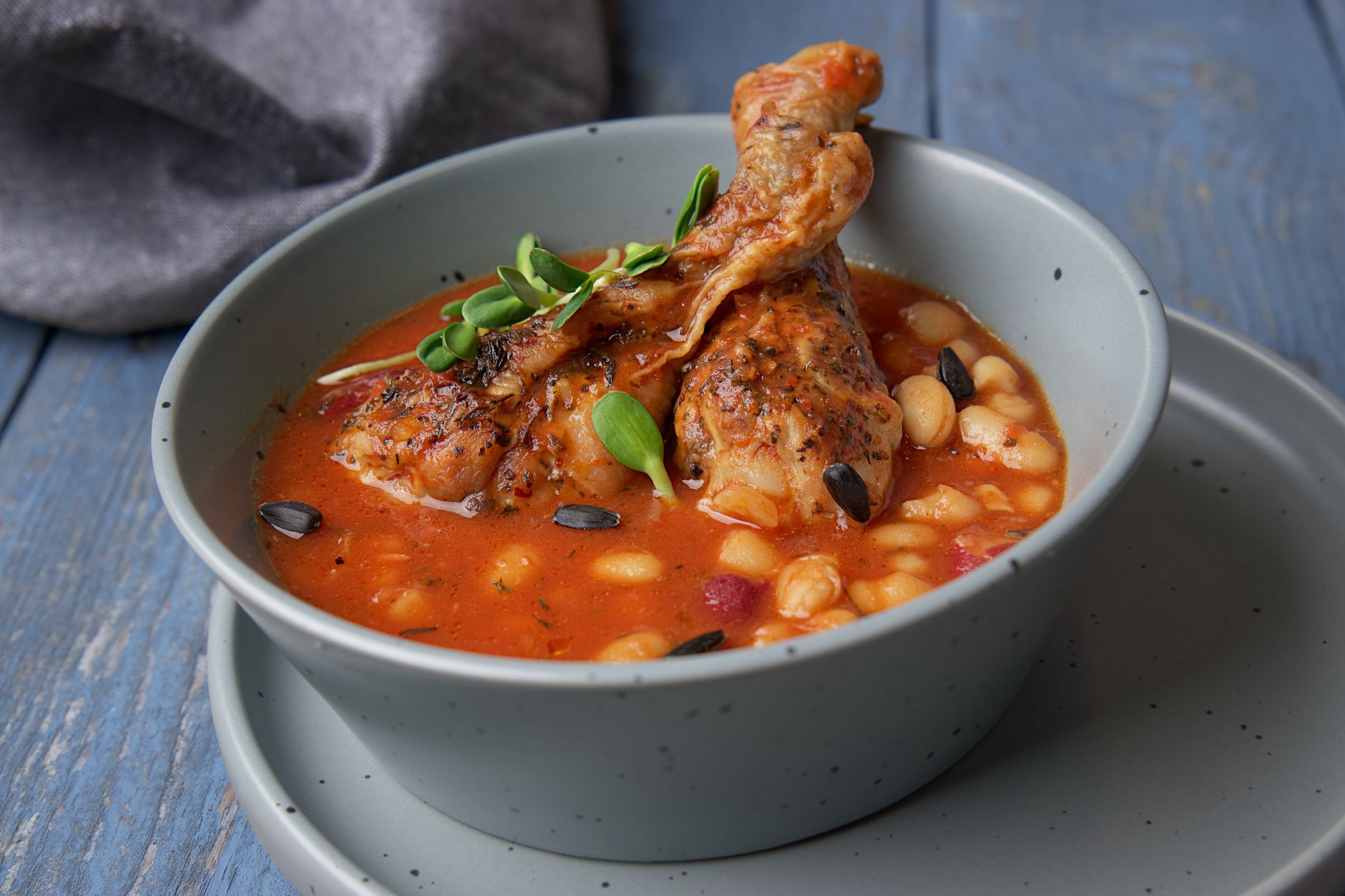
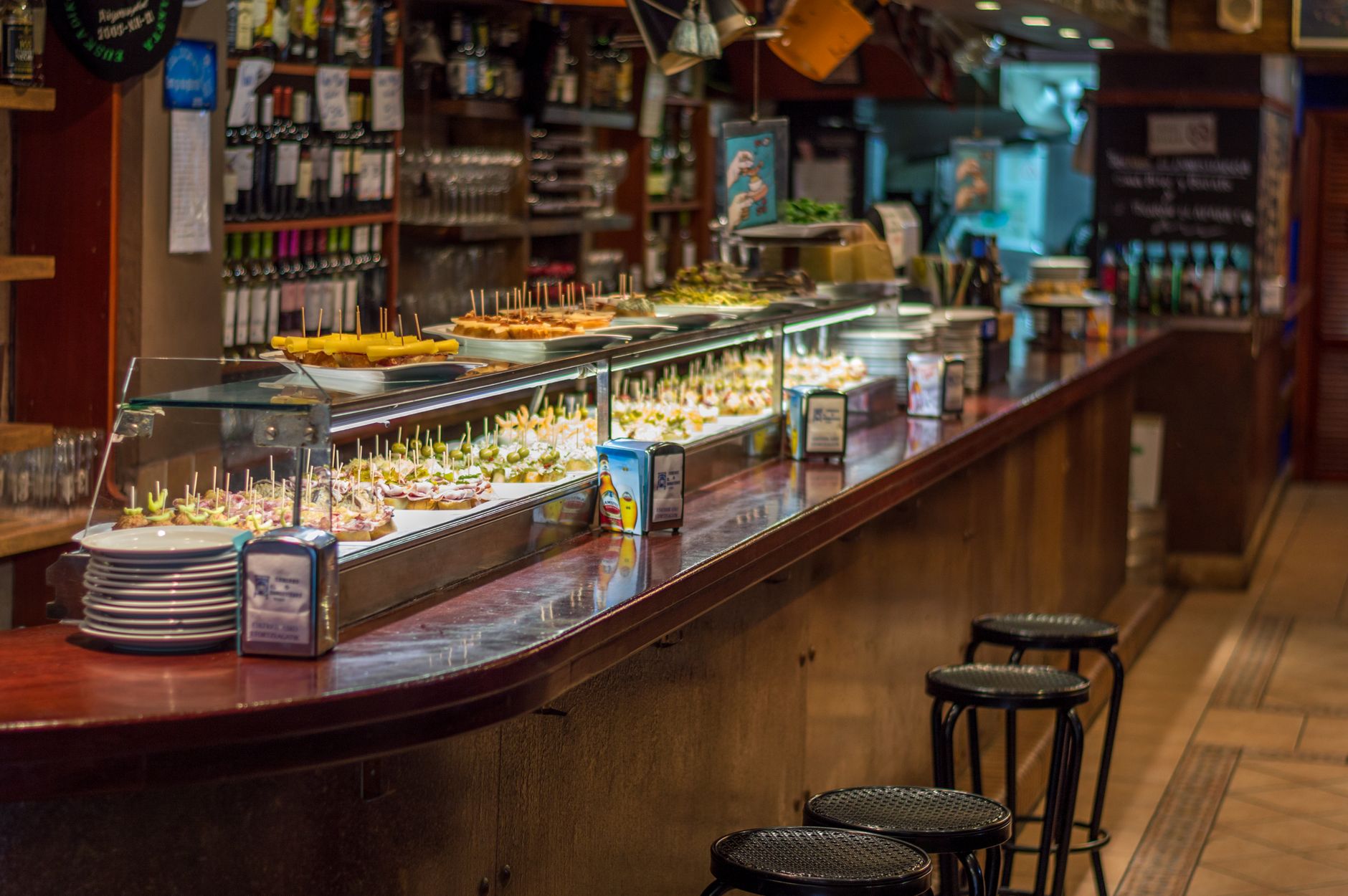
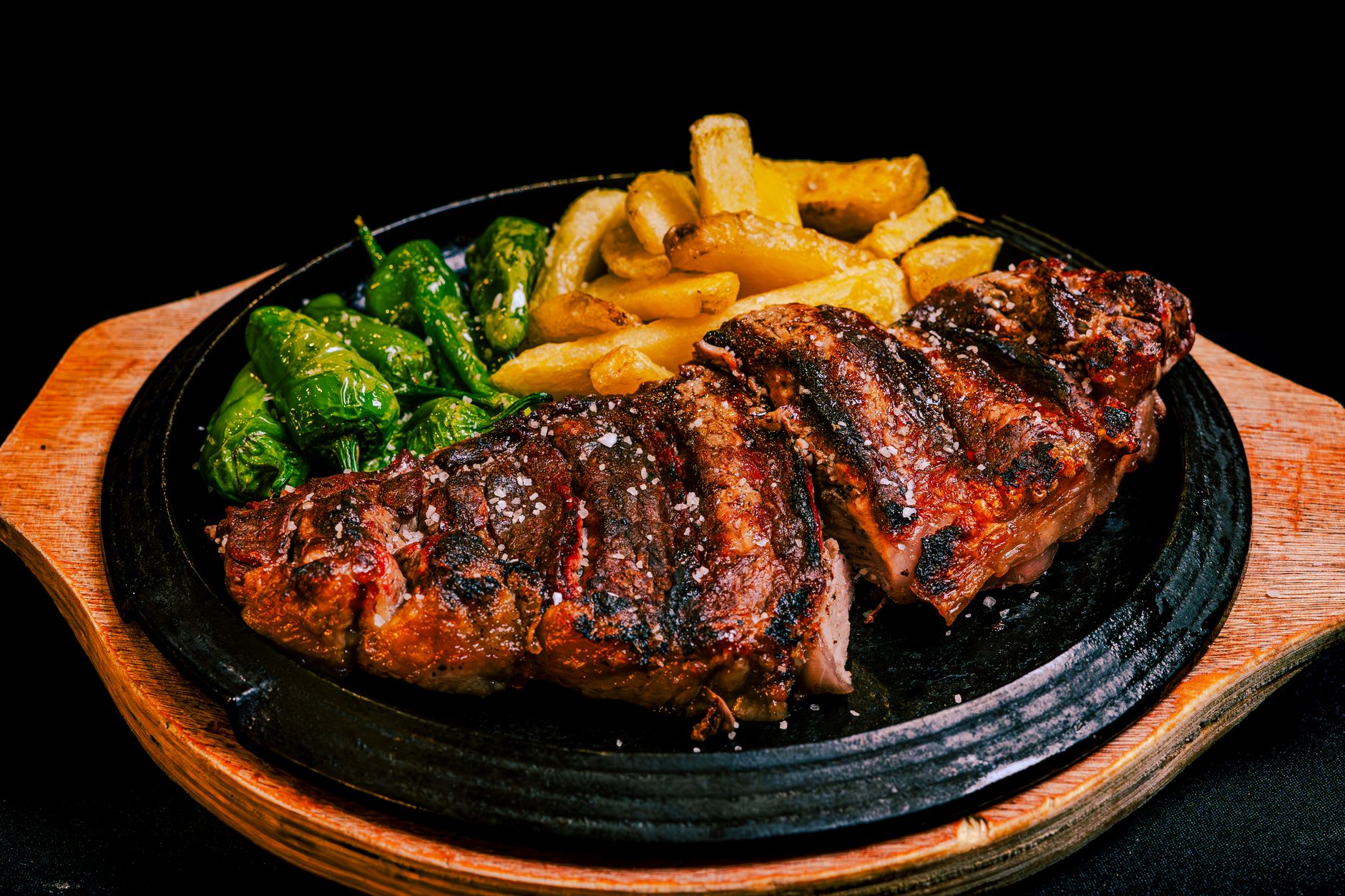
Meals in this province rely on the hearty ingredients of the Basque interior. Gilda, a skewer of olives, anchovies, and pickled peppers, provides a sharp start to any lunch. Order bacalao al pil-pil, salt cod cooked in a emulsion of olive oil and garlic. For the main course, look for chuletón, a thick cut of beef grilled over charcoal until charred. Pair these plates with Txakoli, the effervescent white wine produced in the nearby vineyards, or a deep red Rioja Alavesa, which thrives in the thin soil of the nearby southern valleys.
Basque Country: the whole region
The Basque Country is the most expensive and the most rewarding corner of northern Spain: three small provinces, each with its own character, all within an hour of each other. It suits travellers who want to eat well and move slowly far…
Minimum 4 days · better 7 days · deep 2 weeks

Pair It With


In Basque Country








In Basque Country


In Basque Country













Linked from elsewhere
Entries that name this place in their own nearby lists.
Logistics are verified only. We don't publish schedules we haven't confirmed.
Appears In
Ready to build Salinas de Añana into a trip?
You've found a place worth going. When you're ready to turn discovery into an itinerary, Travel Itinerary Co picks up where the Field Guide leaves off — with your saved places already in hand.
Build this into a tripContinues on Travel Itinerary Co
Spain Field Guide may earn a commission when you book through selected links. Recommendations are editorial and independent of commission.