Mercado de la Ribera

Go mid-morning for coffee and a pintxo at the upstairs bar. Buy txakoli, fish, and cheese for a riverside picnic.
Europe's largest covered fresh produce market (Guinness record, 1929) — on the river in the Casco Viejo, with the best pintxo counters in Bilbao upstairs.
At a Glance
- — You're not hungry
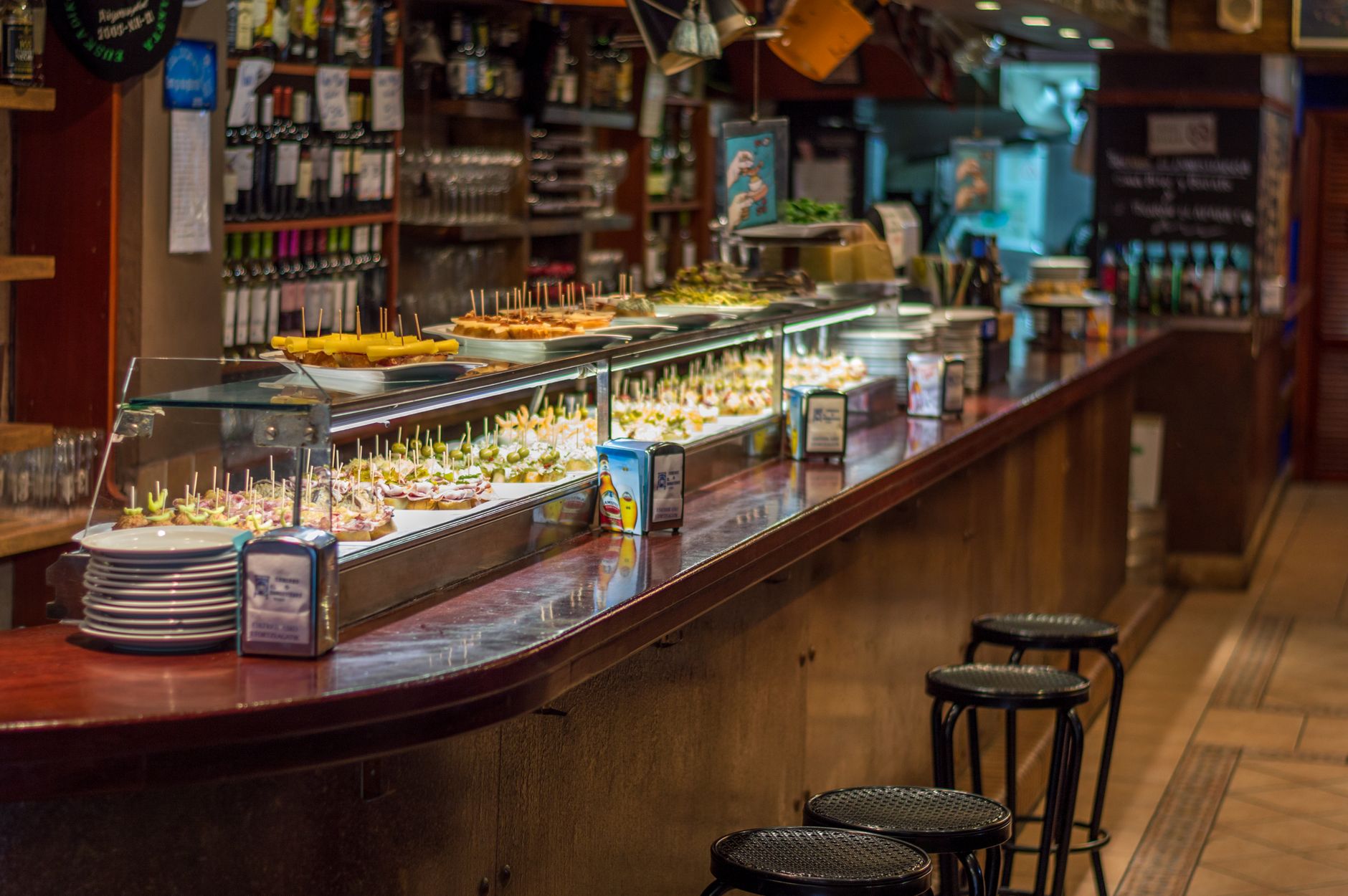
Standing on the banks of the Nervión River, this massive structure of glass and steel is the beating heart of Bilbao's culinary life. Every morning, the stalls overflow with fresh Atlantic fish, Basque cheeses, and bright, seasonal vegetables that make for a colorful, chaotic scene. Head upstairs to the long bar, where plates of pintxos are piled high with local anchovies, peppers, and goat cheese, inviting you to eat standing up while watching the river traffic pass through the large, open windows.
How it got here
Bilbao grew through the fourteenth century as a port and commercial center tied to the wool trade and later to iron mining in the hills. The Nervión River facilitated the movement of goods from the interior of the Basque Country to the Bay of Biscay. The present building occupies a site long used for commerce on the riverside. Pedro Ispizua designed the current structure in 1929 using Art Deco architecture. The design prioritized light and ventilation to support the daily commerce of the city. It replaced older wooden structures destroyed by flooding and wartime damage while maintaining a central role in the food supply of the urban population.
Where it sits
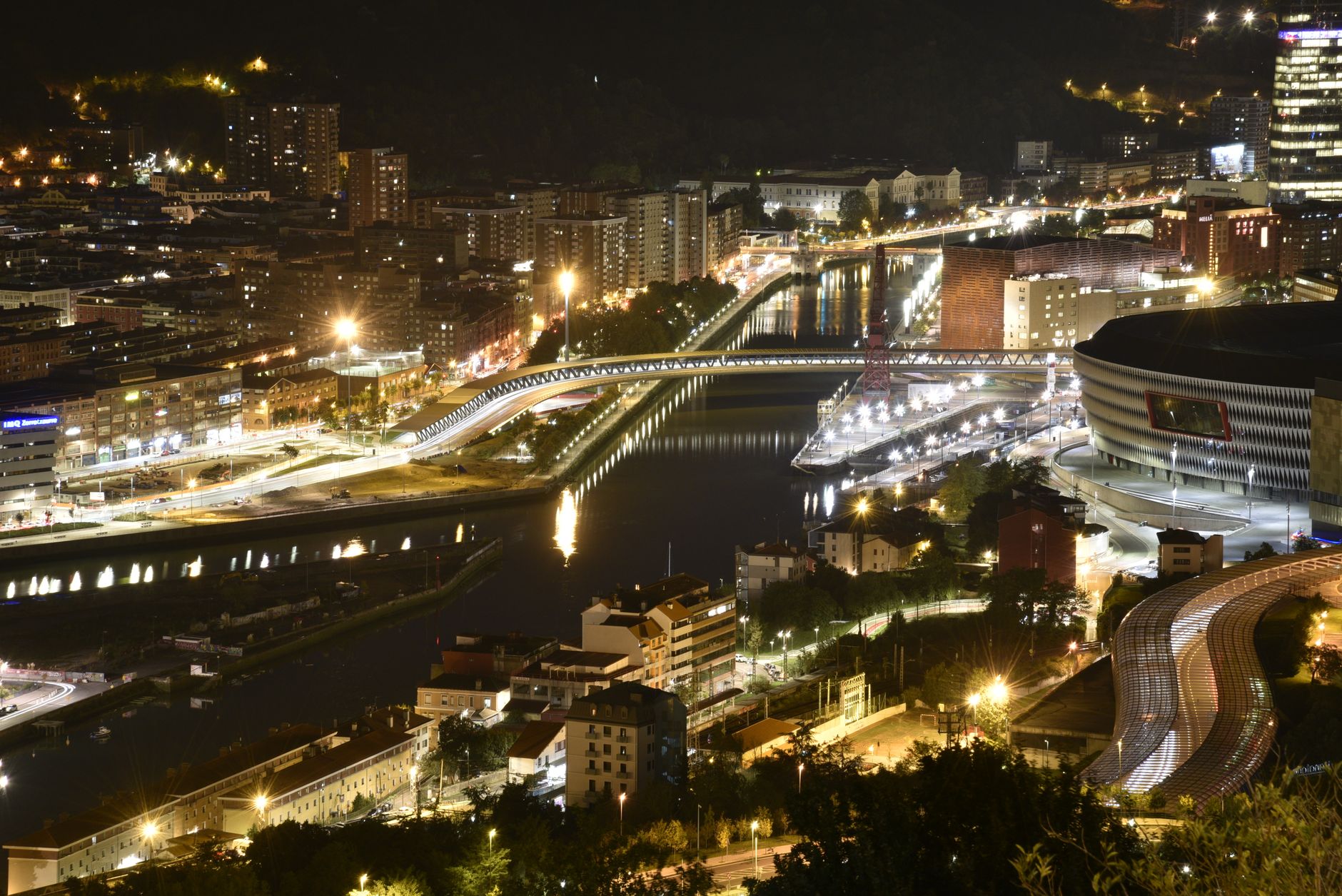
The market occupies a bend in the Nervión River as it cuts through the center of Bilbao. Steep hills flank the city, pressing the dense urban fabric against the water. Heavy Atlantic clouds frequently roll off the bay to dampen the limestone and steel. Summer days bring humidity to the valley, while winter storms bring grey skies and rising river levels. Trains and trams connect the riverbank to the wider Bizkaia province. The surrounding streets consist of narrow stone lanes that predate the modern structure and funnel residents toward the riverfront stalls.
What to eat and drink
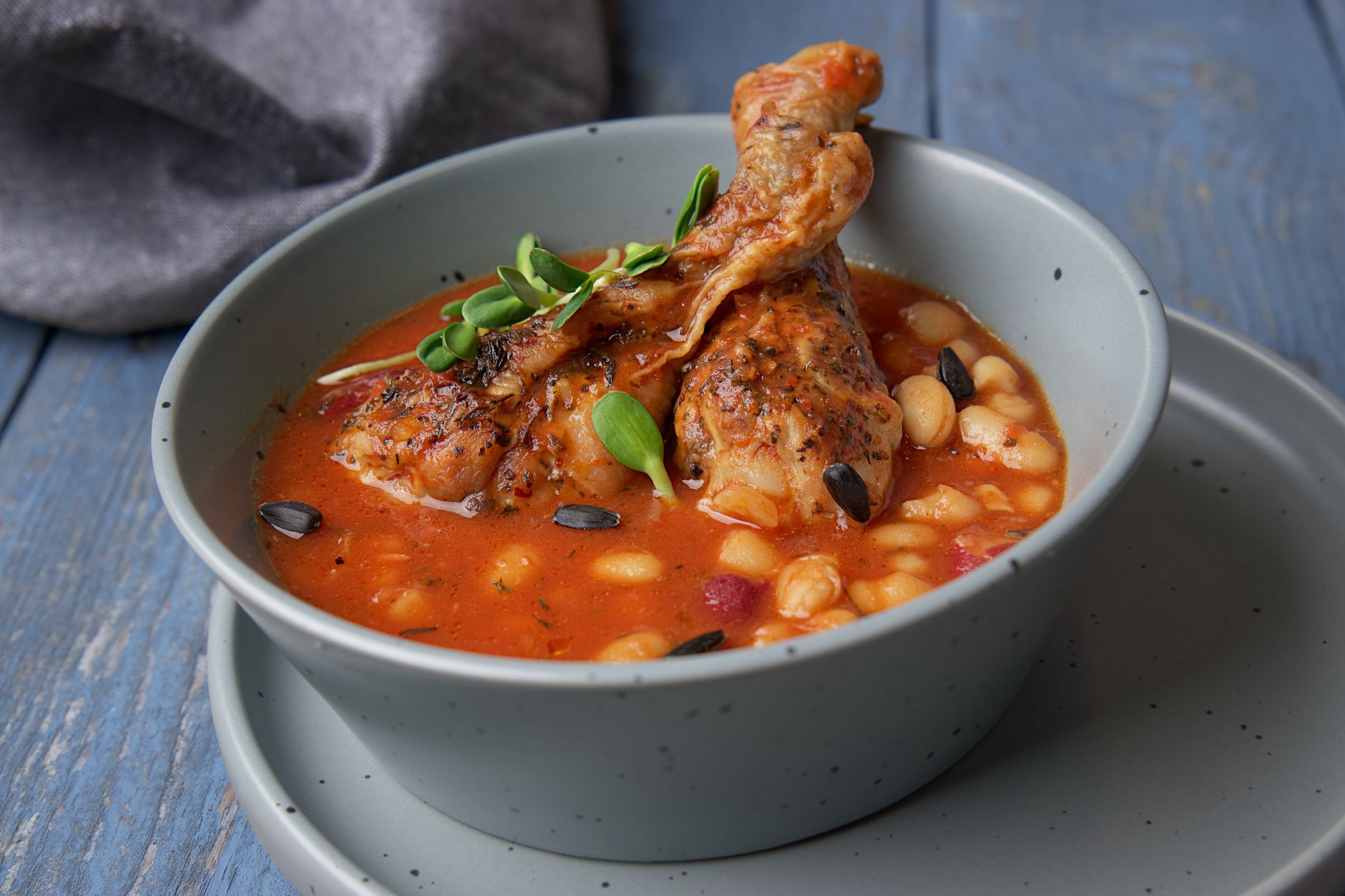
Local produce fills the stalls from the nearby coastal farms and inland valleys. Bacalao, salted cod, arrives as a staple of Basque cuisine, often prepared al pil-pil with olive oil and garlic. Pintxos consist of small slices of bread topped with ingredients such as Gilda, a skewer of olives, spicy peppers, and salty anchovies. Txakoli, a dry, slightly effervescent white wine from the nearby coastal vineyards, serves as the standard drink. Idiazabal, a firm sheep milk cheese smoked over beech wood, appears on nearly every counter to conclude a meal.
Basque Country: the whole region
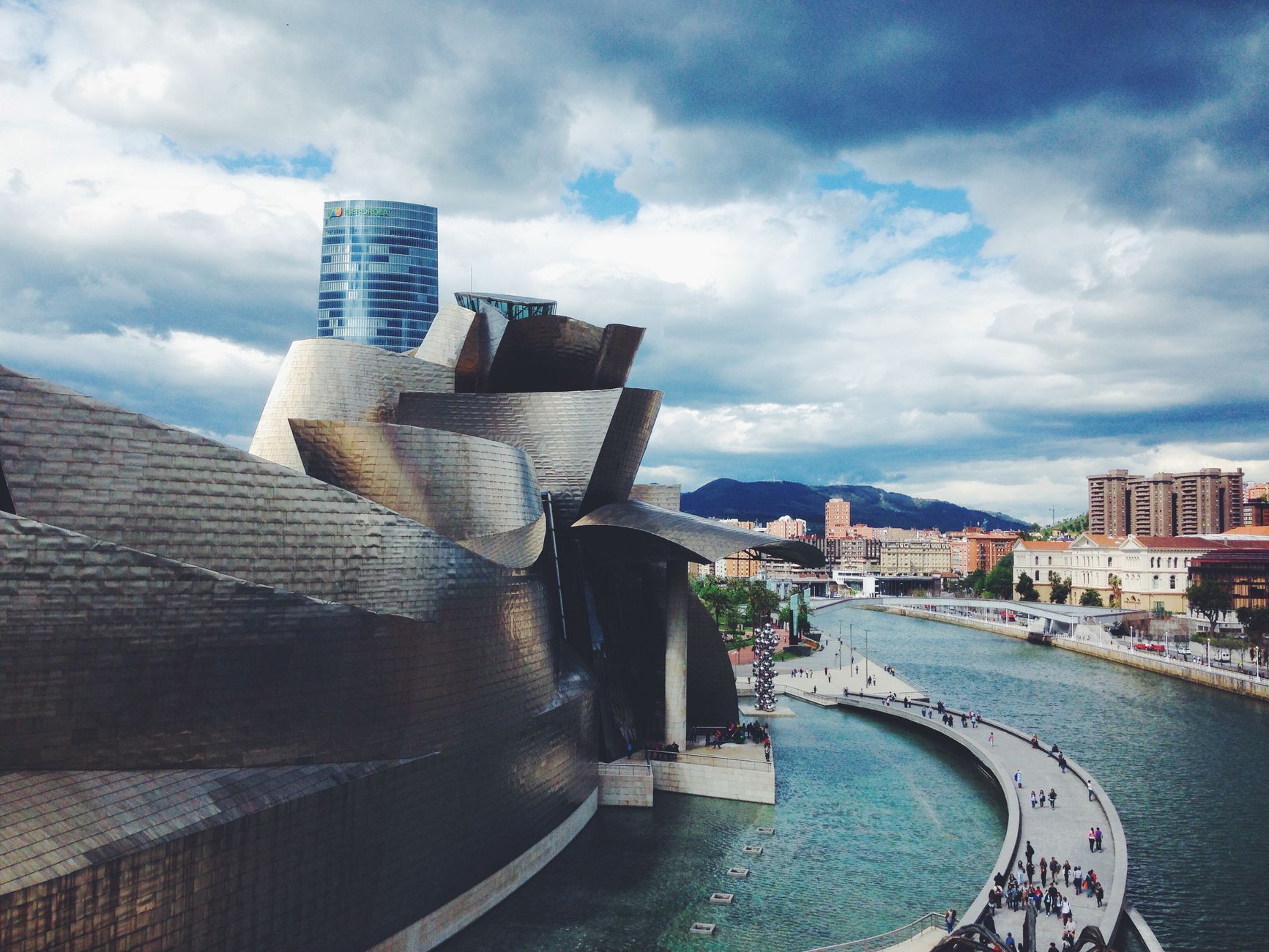
The Basque Country is the most expensive and the most rewarding corner of northern Spain: three small provinces, each with its own character, all within an hour of each other. It suits travellers who want to eat well and move slowly far…
Minimum 4 days · better 7 days · deep 2 weeks
Pair It With

In Basque Country







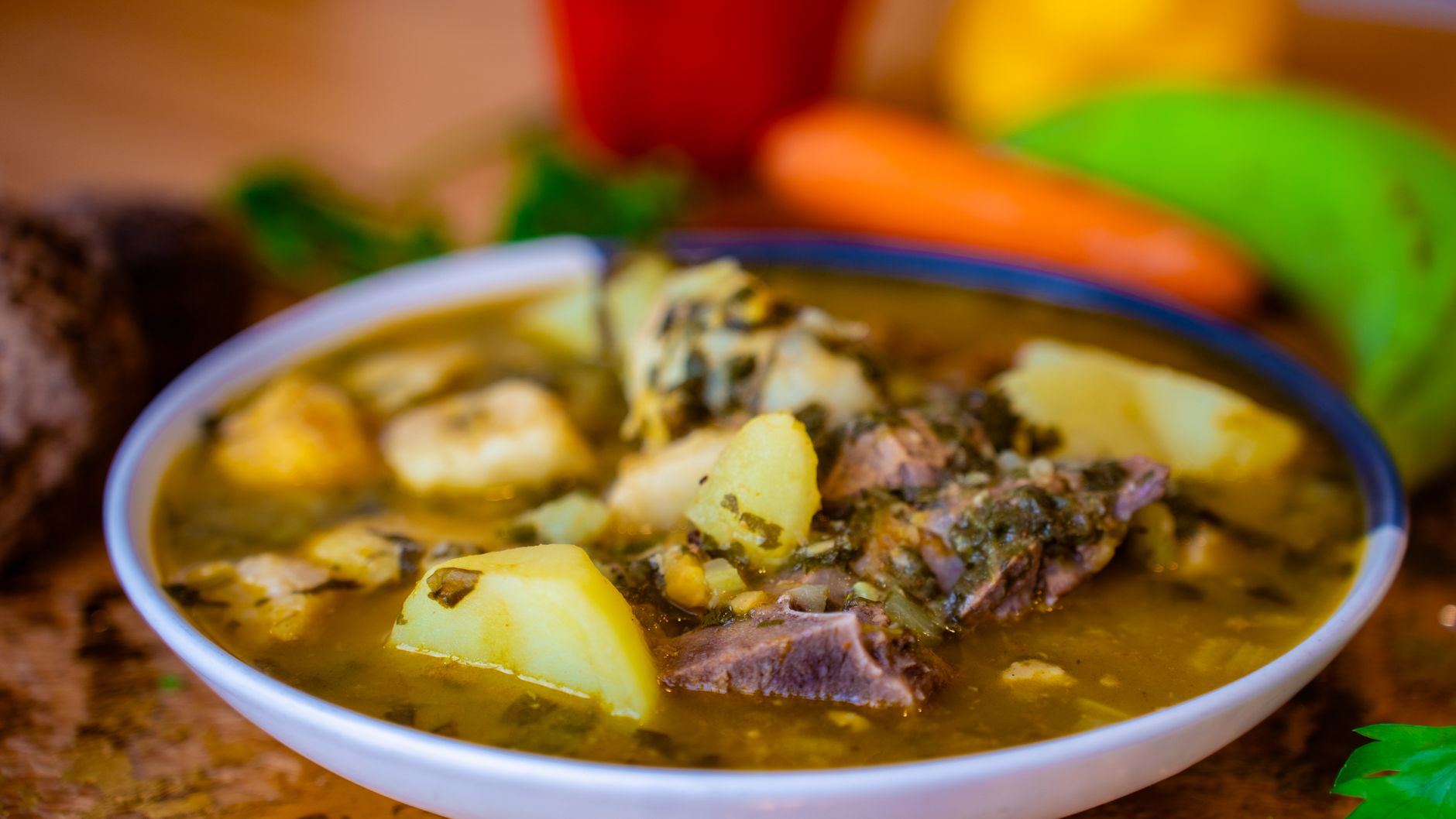
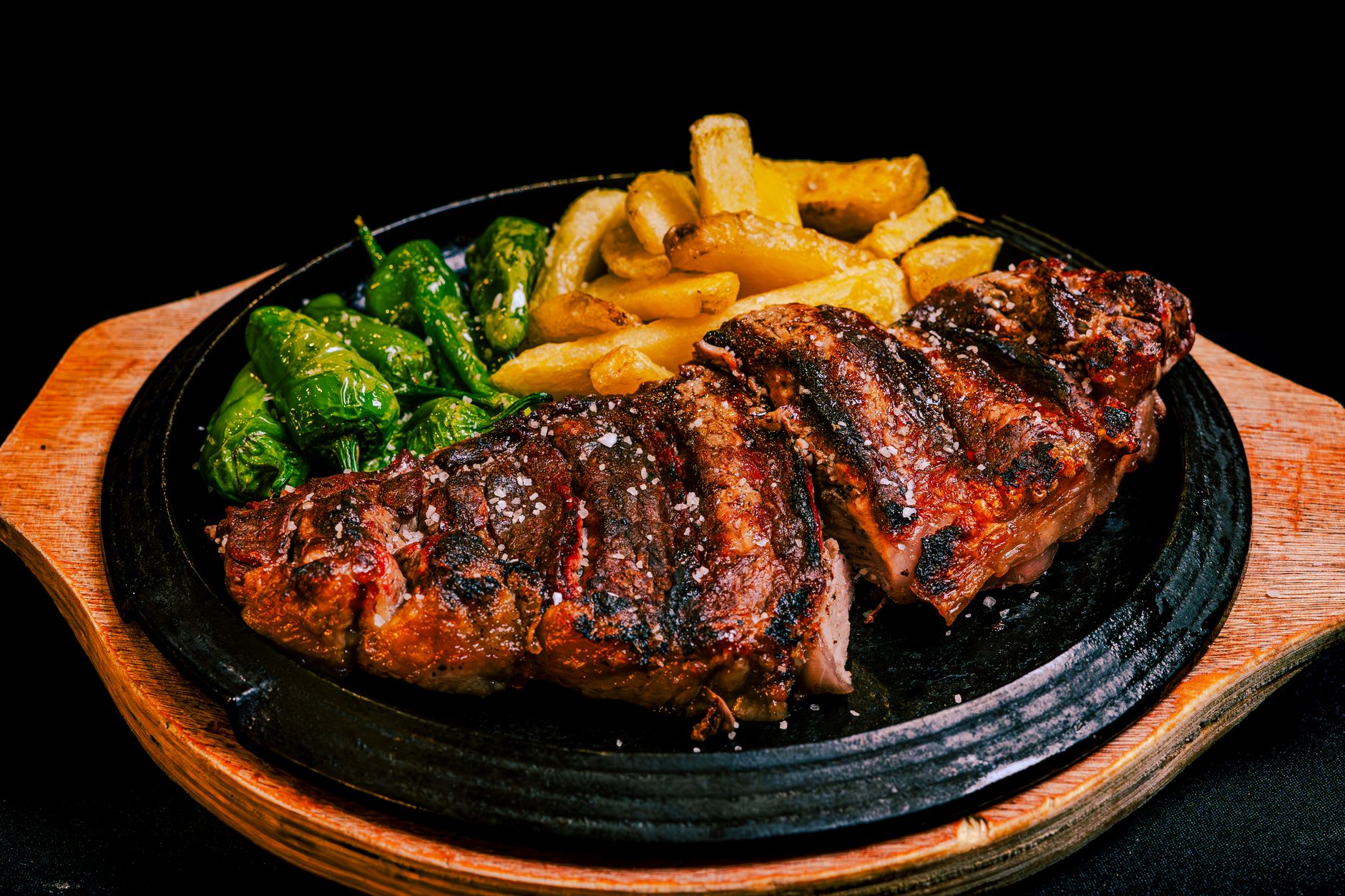
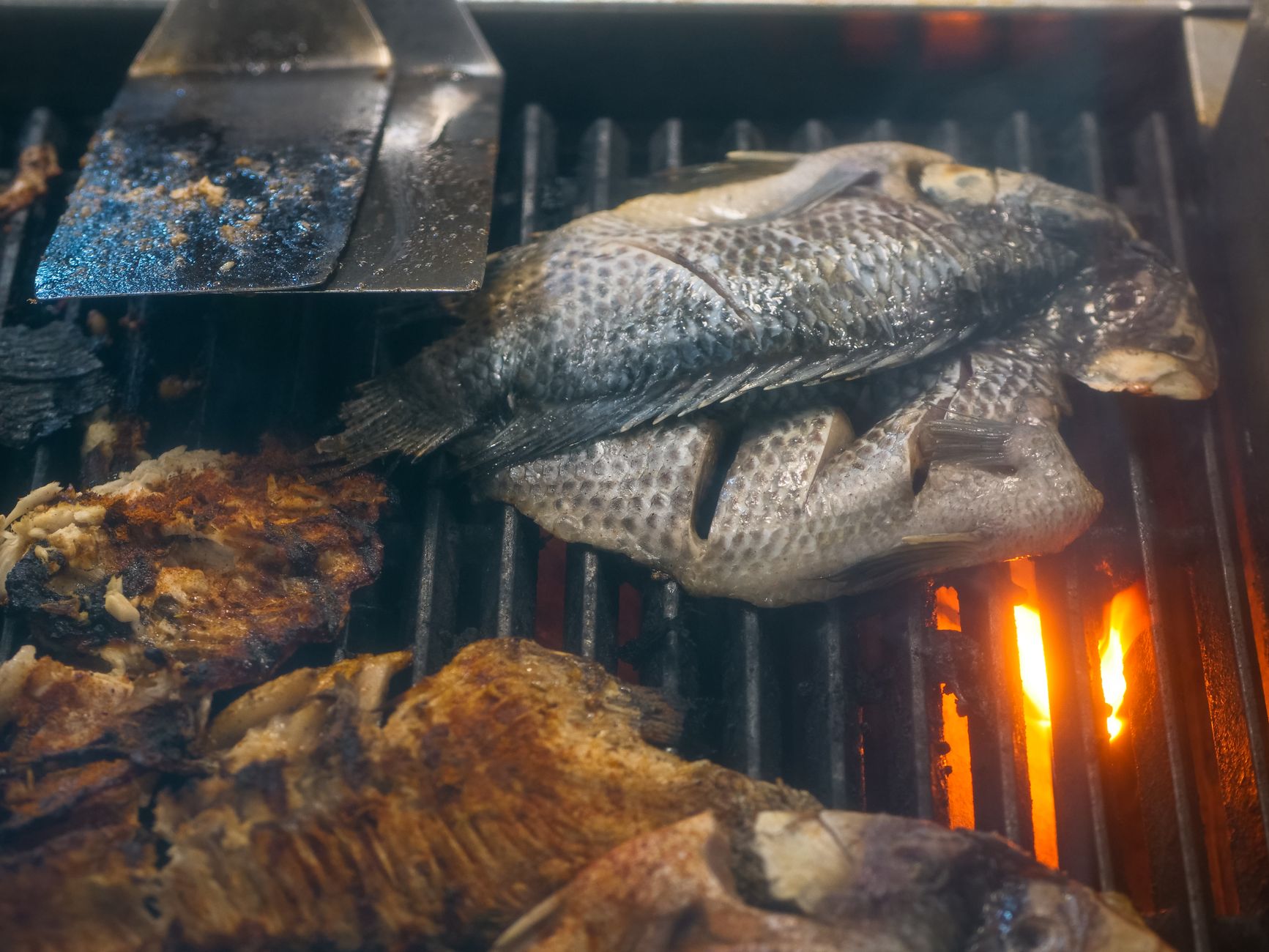

In Basque Country


In Basque Country

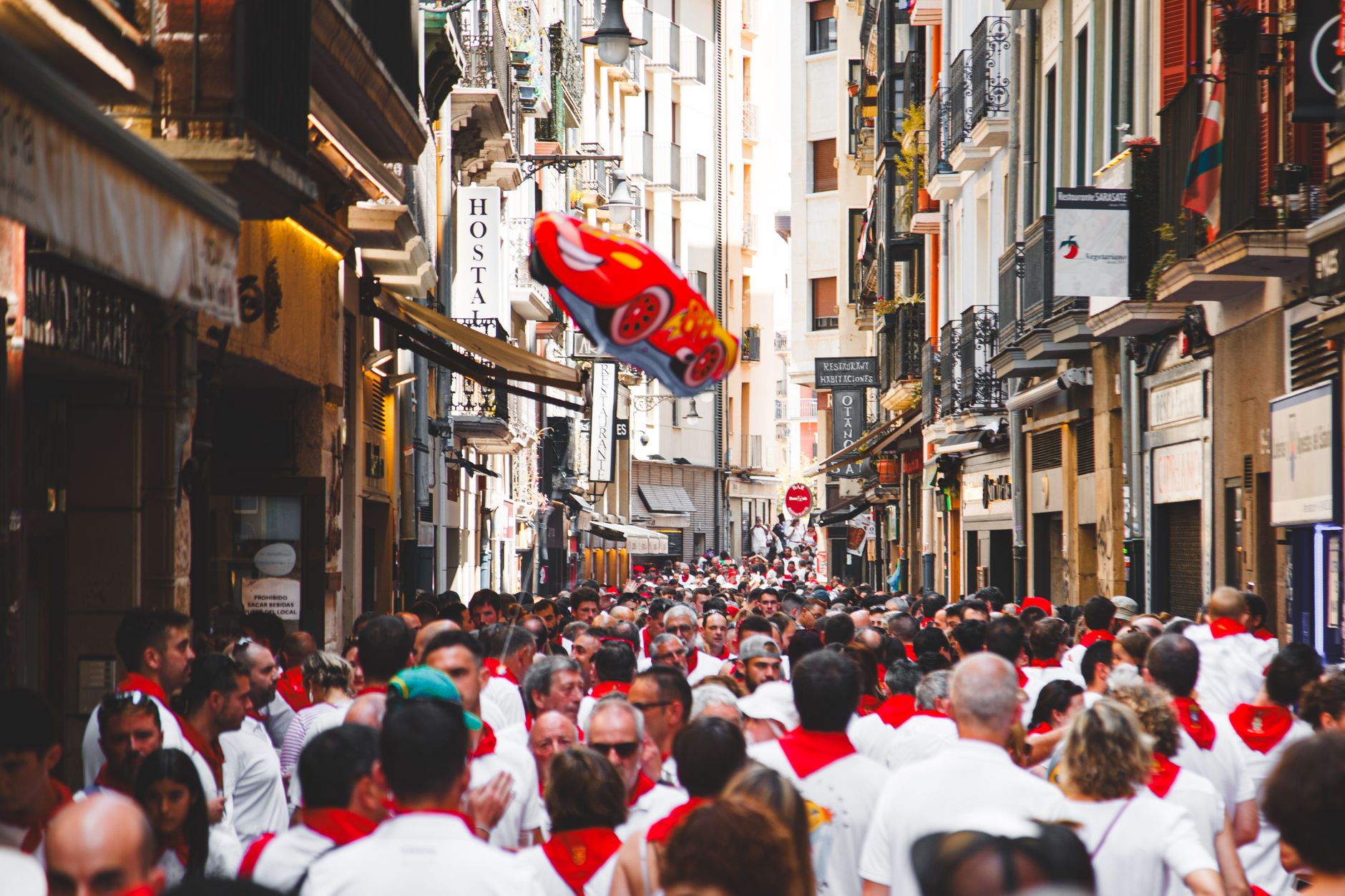









Linked from elsewhere
Entries that name this place in their own nearby lists.
Logistics are verified only. We don't publish schedules we haven't confirmed.
Appears In
Cooking classes and food tours worth booking ahead
- Traditional Basque Pintxos Cooking Class in Bilbao4.9 (114)2.5 hrsFrom €100
- The Award-Winning Bilbao Food Tour & Wine Pairing by Basque Local5.0 (1,297)3 hrsFrom €105
- Paella and Burnt Basque Cheesecake Cooking Class in Bilbao5.0 (73)3.5 hrsFrom €125
- The Authentic Bilbao Pintxos, Food & Wine Tour with a Local4.9 (449)3 hrsFrom €99
Spain Field Guide may earn a commission when you book through selected links. Recommendations are editorial and independent of commission.
Ready to build Mercado de la Ribera into a trip?
You've found a place worth going. When you're ready to turn discovery into an itinerary, Travel Itinerary Co picks up where the Field Guide leaves off — with your saved places already in hand.
Build this into a tripContinues on Travel Itinerary Co
Spain Field Guide may earn a commission when you book through selected links. Recommendations are editorial and independent of commission.