Aquarium & San Telmo Museum

A rainy-day option that's actually good. The Sert Hall (a black-and-gold mural room) is the reason. Combine with the Aquarium down the bay.
San Sebastián's history museum — a 16th-century Dominican convent with a Sert murals hall and a Basque society collection. The most underrated sight in the city.
At a Glance
- — You're only here for pintxos
Housed within a 16th-century Dominican convent, this museum marries the weight of Basque history with the striking, modern aesthetic of the Sert mural hall. The black-and-gold murals are a visceral experience, providing a dark, artistic anchor to the broader collection of societal artifacts. It is an ideal refuge on rainy days, offering a deep, underrated look at the region’s past, especially when combined with a walk down to the nearby aquarium.
How it got here
Donostia-San Sebastián occupies a site contested by kings and generals for centuries due to its position on the Atlantic border. The San Telmo Museum occupies a Dominican convent built in the sixteenth century on the slopes of Monte Urgull. The building stands where the city expanded beyond its original medieval walls to protect the harbor. The site holds murals by José María Sert that depict the daily lives of Basque whalers and coastal laborers. These images connect the religious architecture to the seafaring heritage that funded the growth of the town. The aquarium stands on the harbor wall, marking the evolution of this maritime trade into modern scientific observation.
Where it sits
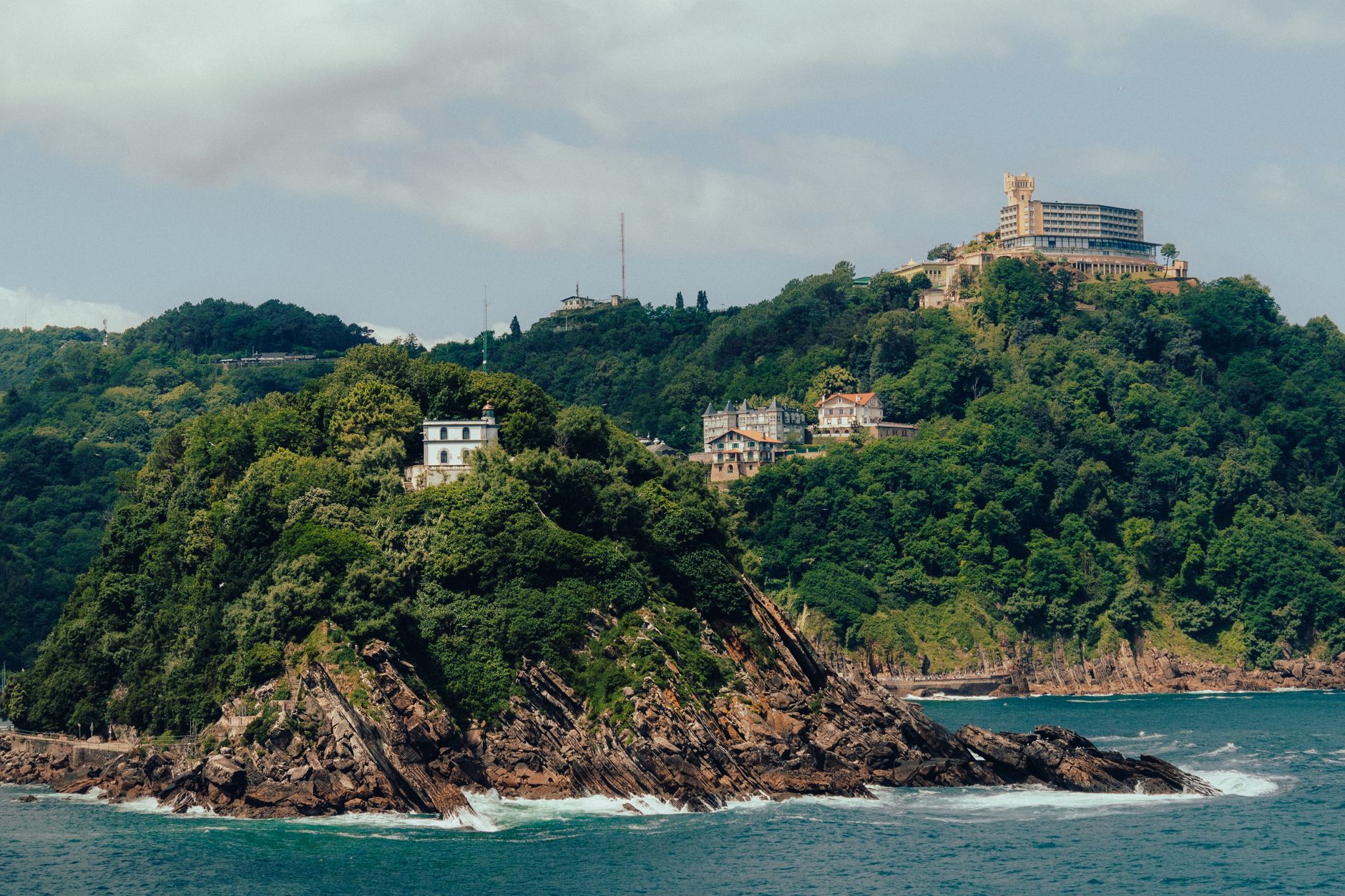
The city curves around La Concha bay, hemmed in by the abrupt green cliffs of Monte Urgull and Monte Iguelda. The landscape remains dominated by the Cantabrian Sea, which batters the stone fortifications throughout the winter months. Humidity clings to the harbor, and salt air permeates the narrow streets of the Parte Vieja. Summer brings heavy crowds to the boardwalks and sandy coves, but the museum halls provide cool respite behind thick masonry. Access requires navigating the steep, winding paths of the old quarter where buildings date back to the rebuilding efforts after the fire of eighteen thirteen.
What to eat and drink
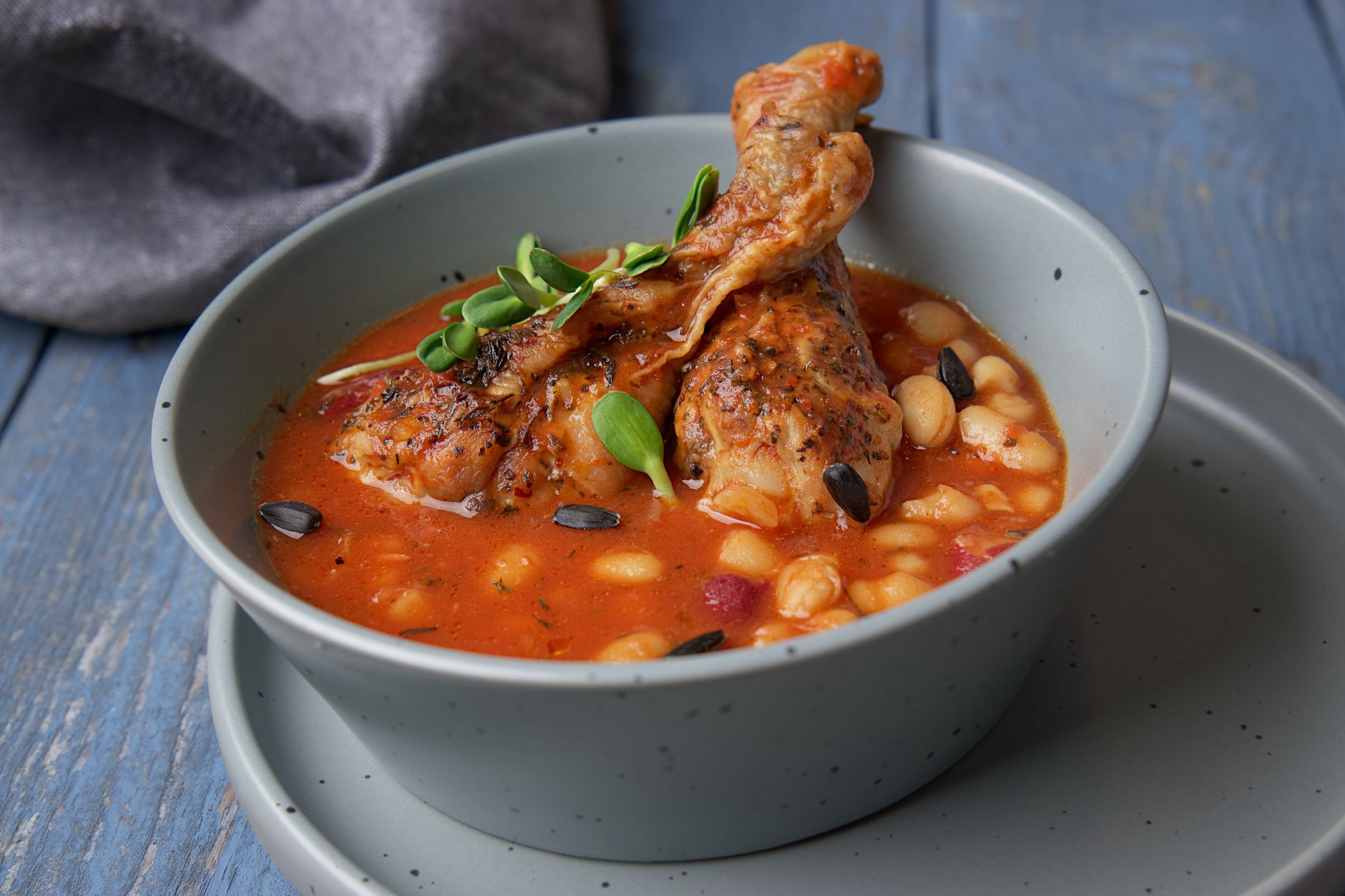
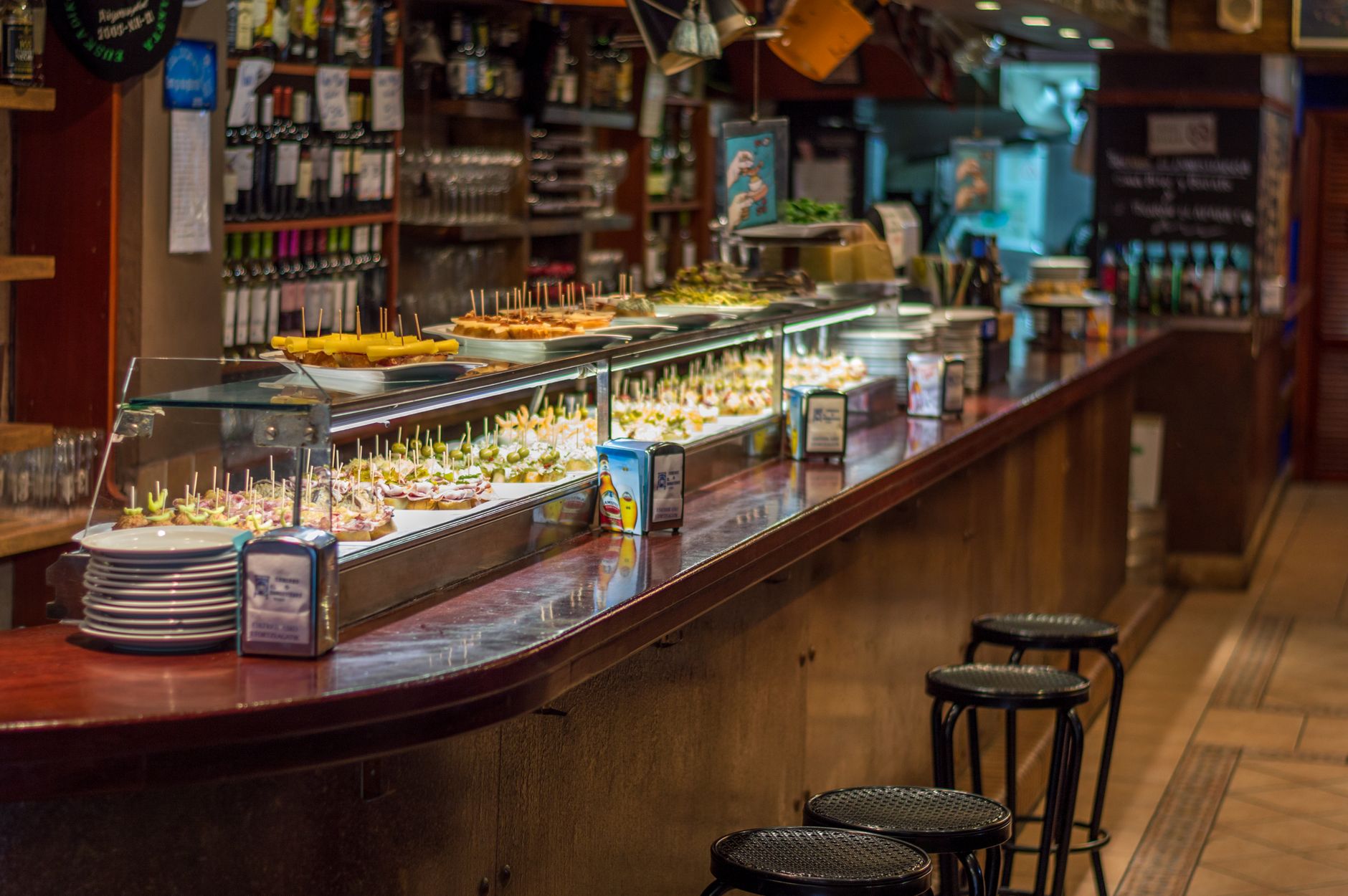
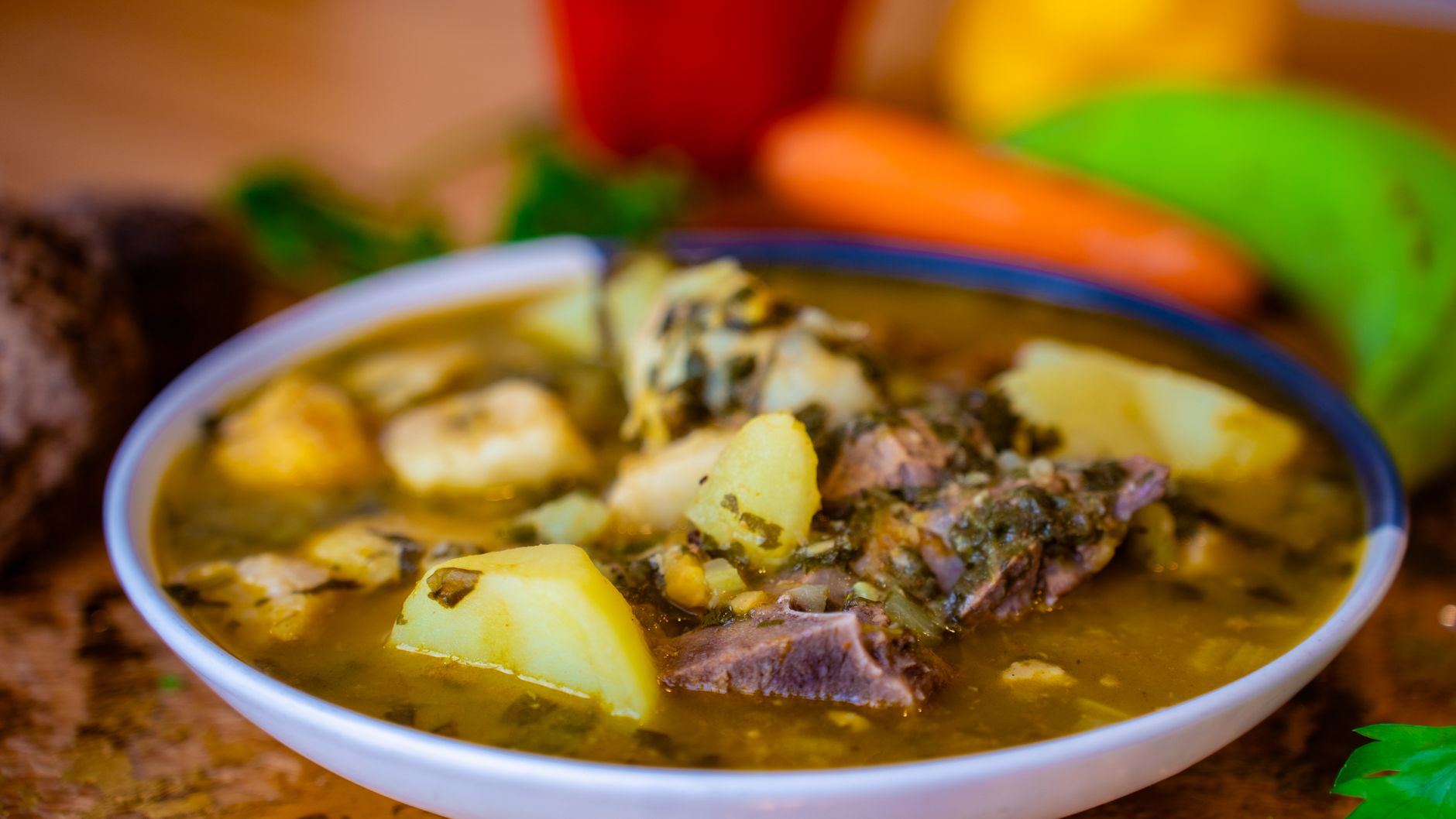
Coastal Basque cuisine relies on the daily catch from the port. Marmitako, a tuna stew thickened with potatoes and colored with choricero peppers, defines the local diet. Bacalao al pil-pil, salt cod emulsified in its own gelatin with olive oil and garlic, persists as the standard preparation for fish. Diners drink Txakoli, a sharp, slightly effervescent white wine produced in the nearby vineyards of Getaria. When the tide pulls back, the taverns serve gildas, skewers of green olives, spicy guindilla peppers, and anchovies, which sharpen the appetite before the midday meal.
Basque Country: the whole region
The Basque Country is the most expensive and the most rewarding corner of northern Spain: three small provinces, each with its own character, all within an hour of each other. It suits travellers who want to eat well and move slowly far…
Minimum 4 days · better 7 days · deep 2 weeks

In Basque Country








In Basque Country


In Basque Country









Logistics are verified only. We don't publish schedules we haven't confirmed.
Experiences worth booking ahead
Spain Field Guide may earn a commission when you book through selected links. Recommendations are editorial and independent of commission.
Ready to build Aquarium & San Telmo Museum into a trip?
You've found a place worth going. When you're ready to turn discovery into an itinerary, Travel Itinerary Co picks up where the Field Guide leaves off — with your saved places already in hand.
Build this into a tripContinues on Travel Itinerary Co
Spain Field Guide may earn a commission when you book through selected links. Recommendations are editorial and independent of commission.