Monte Igueldo
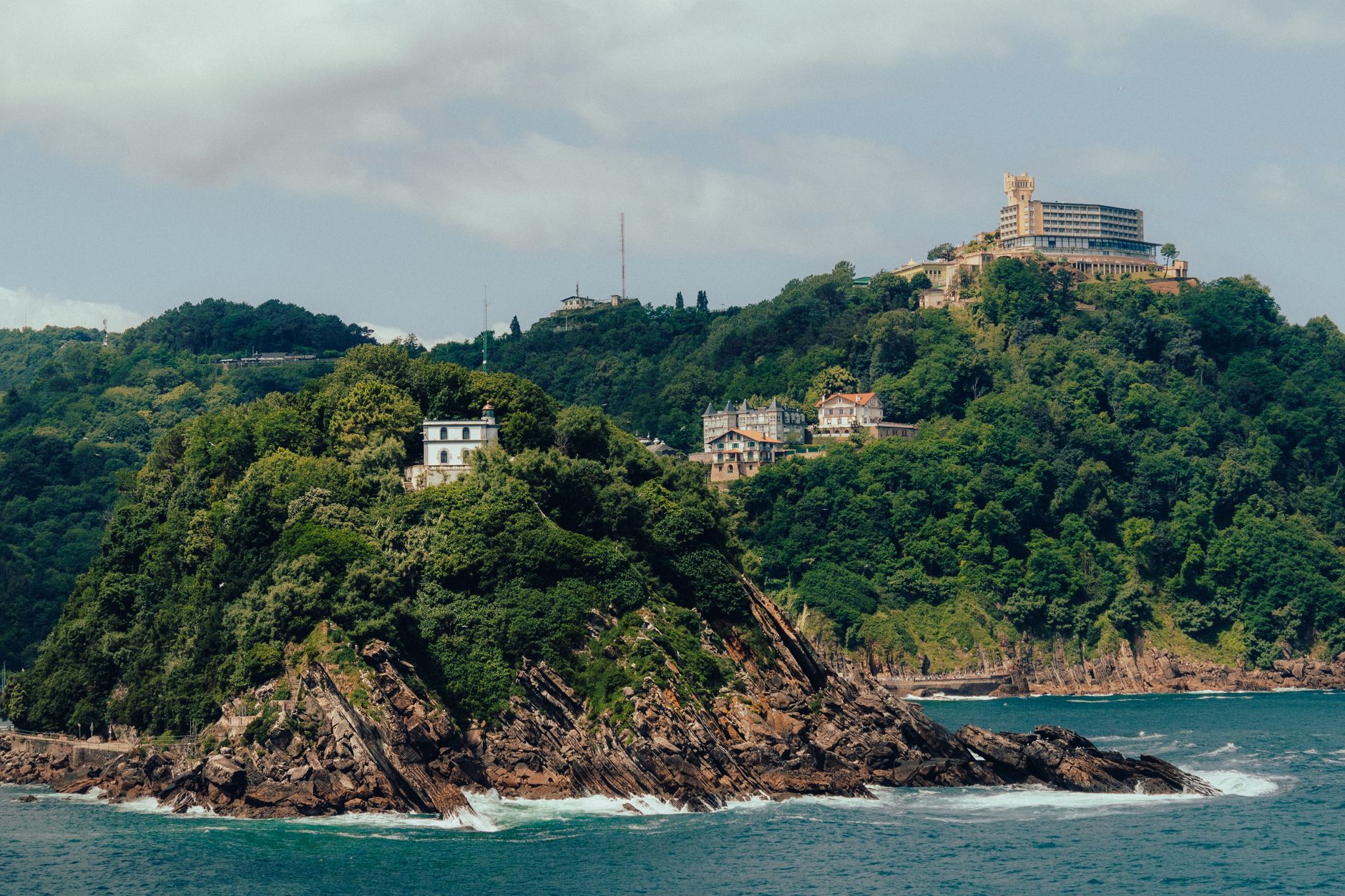
Take the funicular up at sunset. The view of La Concha from the top is the postcard. The fairground is dated charm; ride the bumper cars if you must.
The hill above La Concha, with the classic curved-bay view, a 1912 funicular, and a vintage fairground at the top. The standard San Sebastián photograph.
At a Glance
- — You don't do old funfairs
A vintage 1912 funicular carries passengers up to this summit, where a slightly weathered fairground overlooks the dramatic curve of La Concha bay. The view from the top is the definitive San Sebastián postcard, capturing the contrast between the deep bay and the jagged coastline. It is a classic, somewhat nostalgic destination, best visited as the sun dips low and the bay lights begin to shimmer against the darkening water.
How it got here
San Sebastián developed as a defensive port on the Bay of Biscay, and this high ground above the western end of the bay provided a natural observation point for coastal security. The funicular railway began operation in 1912, connecting the residential outskirts to a summit developed as an amusement park during a period of burgeoning tourism among the Spanish aristocracy. This development mirrored the transition of the Basque coast into a favored summer retreat for the royal family and wealthy industrialists. The park maintains a nostalgic character that links the early twentieth century to the present, preserving the mid-century structures that overlook the strategic maritime gateway.
Where it sits
The mountain rises abruptly from the Cantabrian Sea, defining the western boundary of the bay. The funicular climbs through dense coastal vegetation to arrive at a plateau of pale stone and wind-swept pines. In winter, salt spray coats the funicular tracks, and storms from the Atlantic batter the cliffs below. Summer brings clear light, but the summit remains exposed to the shifting winds of the northern coast. Visitors gather here for the perspective on the city, where the urban grid meets the beach, providing a view of the heavy tides and the jagged silhouette of the coastline.
What to eat and drink
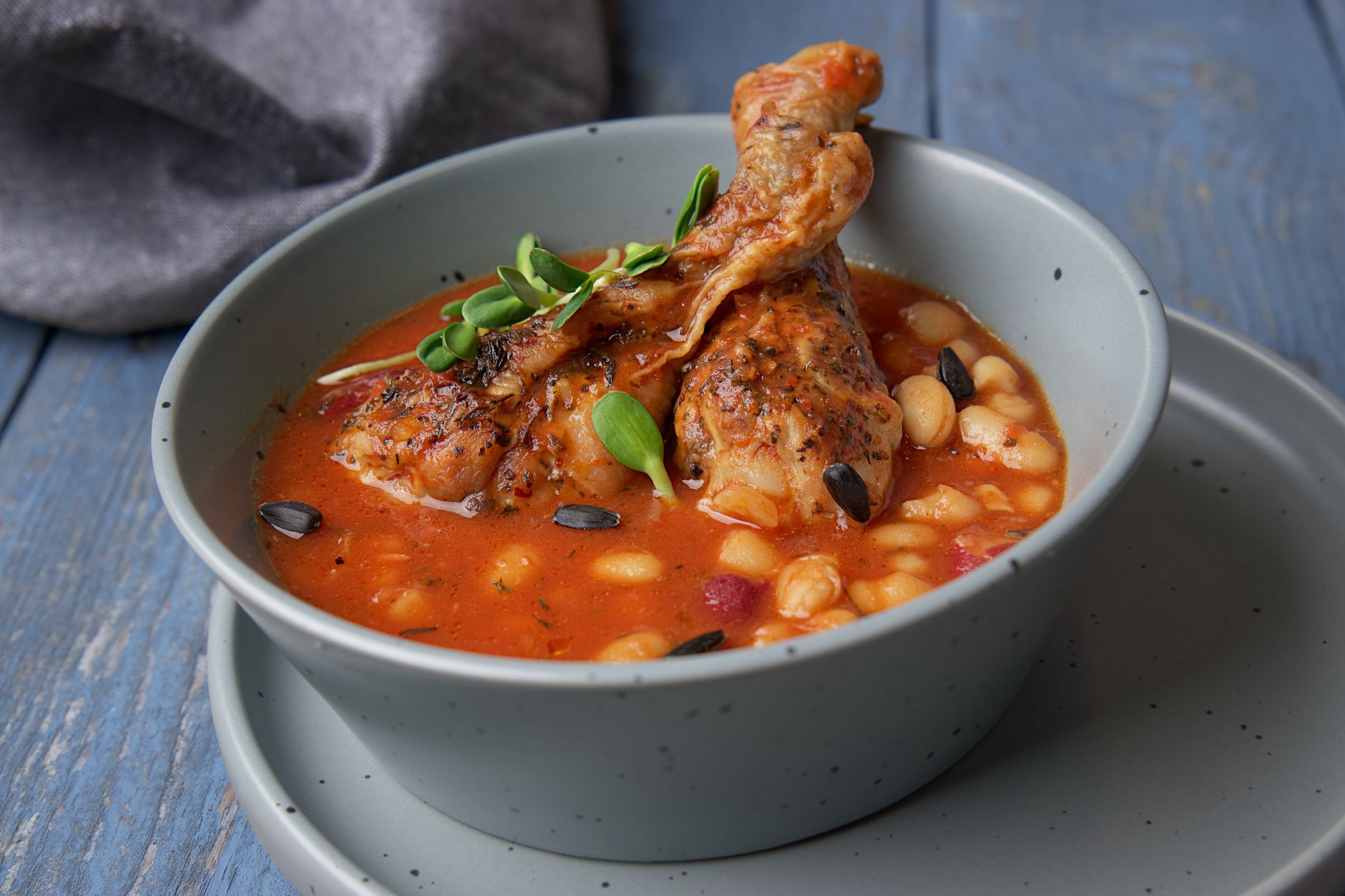
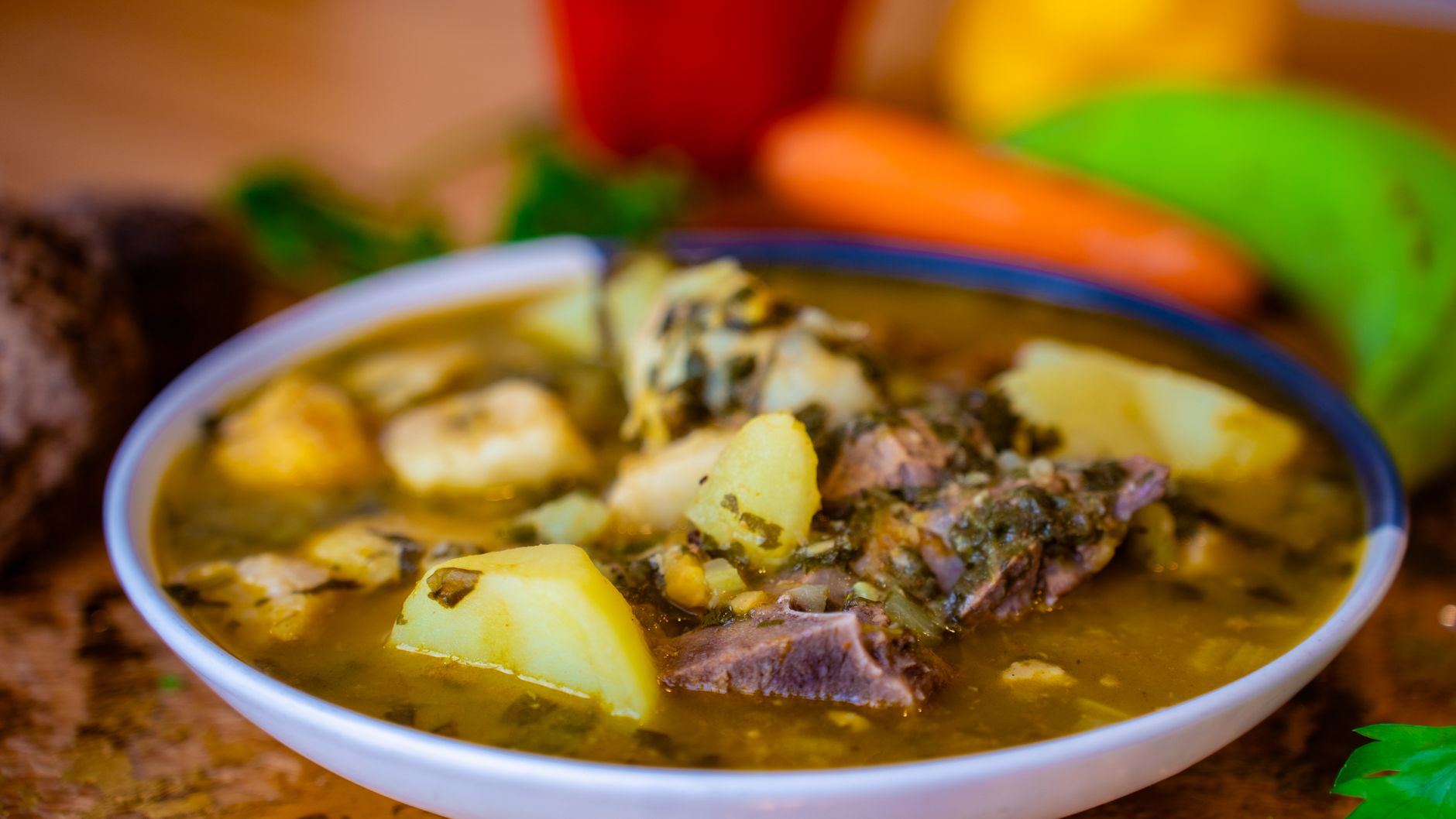
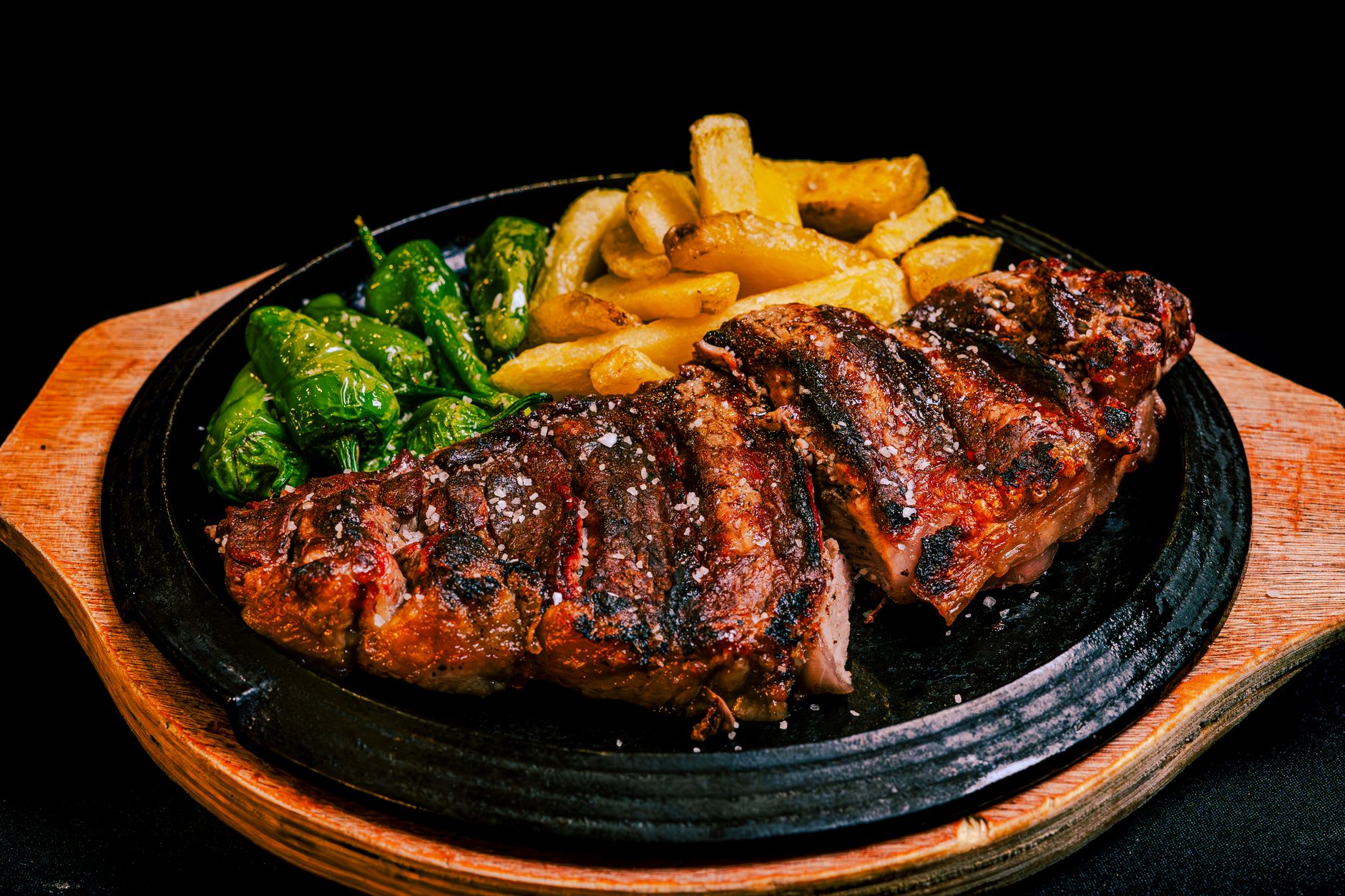
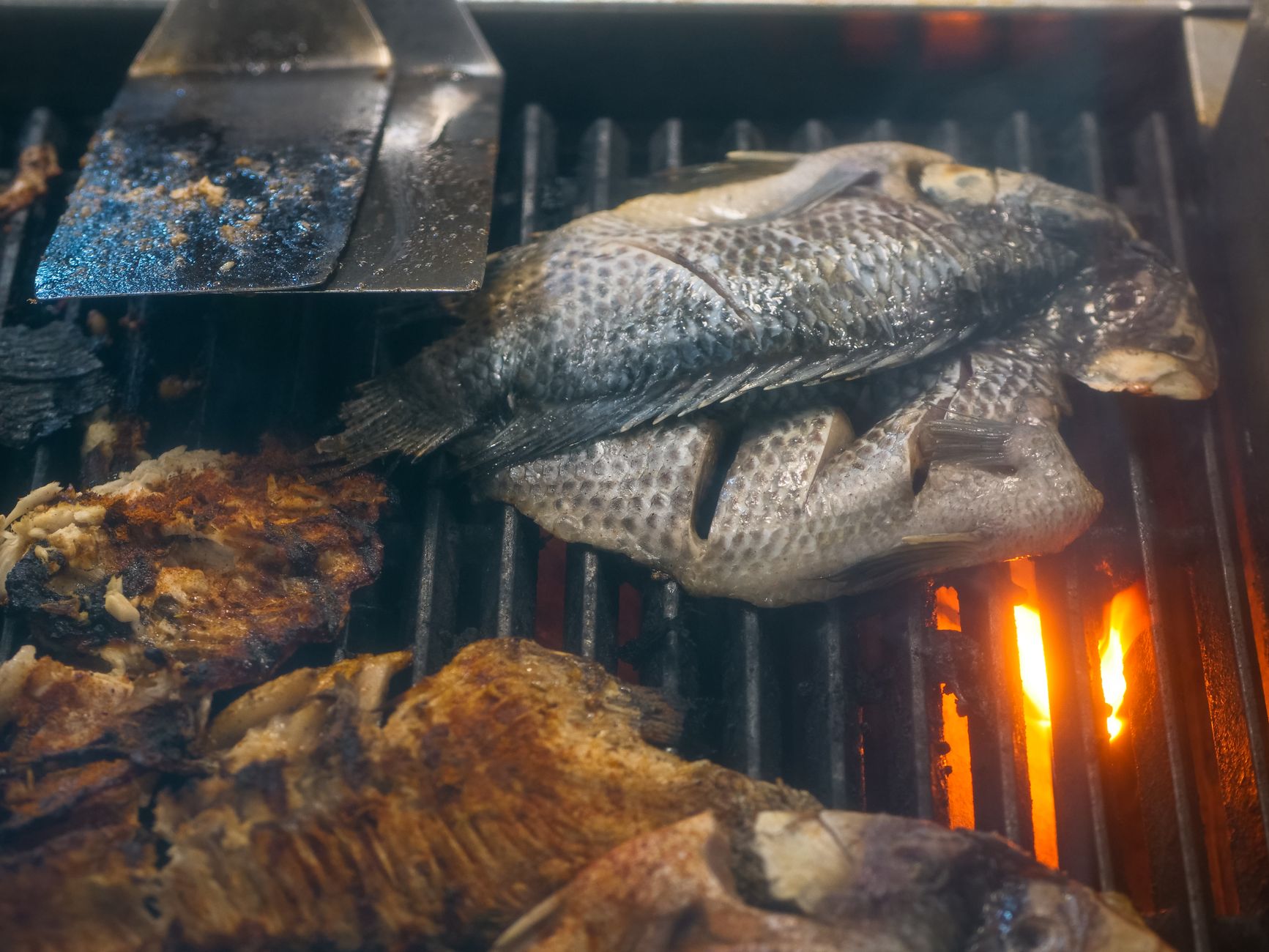
The province of Gipuzkoa emphasizes the catch of the local fleet and the produce of the surrounding hills. Order bacalao al pil-pil, salt cod cooked in an emulsion of garlic, olive oil, and fish gelatin. This pairs with txakoli, a bone-dry, slightly sparkling white wine produced from grapes grown on the coastal slopes. The regional palate favors simple preparations, such as rodaballo grilled over charcoal or seasonal vegetables sourced from the inland farms. A glass of cold cider, sidra, traditionally poured from a height to aerate the fermented apple liquid, remains the standard accompaniment to salt-cured fish.
Basque Country: the whole region
The Basque Country is the most expensive and the most rewarding corner of northern Spain: three small provinces, each with its own character, all within an hour of each other. It suits travellers who want to eat well and move slowly far…
Minimum 4 days · better 7 days · deep 2 weeks

In Basque Country








In Basque Country


In Basque Country










Linked from elsewhere
Entries that name this place in their own nearby lists.
Logistics are verified only. We don't publish schedules we haven't confirmed.
Appears In
Experiences worth booking ahead
Spain Field Guide may earn a commission when you book through selected links. Recommendations are editorial and independent of commission.
Ready to build Monte Igueldo into a trip?
You've found a place worth going. When you're ready to turn discovery into an itinerary, Travel Itinerary Co picks up where the Field Guide leaves off — with your saved places already in hand.
Build this into a tripContinues on Travel Itinerary Co
Spain Field Guide may earn a commission when you book through selected links. Recommendations are editorial and independent of commission.