Calahorra
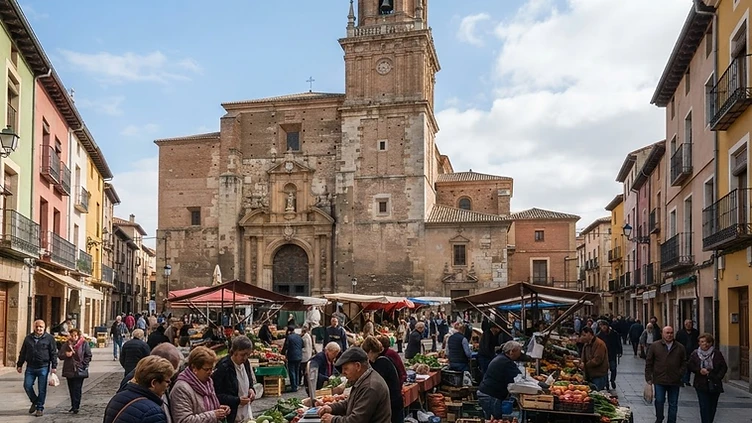
A base for eating in the eastern Rioja, and a useful overnight between Zaragoza and Logroño.
The best vegetables in Spain, in a town that has been growing them for two thousand years.
Rioja Oriental · Alfaro · Laguardia · Haro
At a Glance
Calahorra is the second city of La Rioja and the market garden of the Ebro valley: peppers, artichokes, asparagus and tomatoes grown on the flats around it, and an industry of preserving them that fills the roadsides. It has a Roman history — it was Calagurris, the city that held out for Pompey and whose citizens, according to the sources, ate their own dead rather than surrender — and a cathedral with a good museum that almost nobody visits. Come for the food and the market, and give the old town an hour.
How it got here
Calagurris defied Roman legions during the Sertorian War. Chroniclers recorded the extreme starvation of its defenders, who subsisted on leather and boiled shoes before the city surrendered in 72 BC. Following this resistance, the town attained status as a Roman municipality under the Empire. The influence of this period persists in the archaeological remains of the circus and the baths. During the medieval period, the episcopal see established a permanent seat, defining the layout of the old quarter around the cathedral. The medieval structure preserves the power dynamics between the church authorities and the municipal guilds that organized the regional trade of the Ebro valley.
Where it sits
The town commands the fertile silt plains of the lower Ebro valley where the river carves through the landscape of La Rioja. Sunlight bounces off the clay soils that support intensive market gardening. Beyond the immediate irrigation channels, the terrain transitions into arid ridges and scrubland. The climate brings scorching summer heat that sustains the growth of vegetables, while winters turn the valley floors damp and prone to river fog. Rail lines connect the town to the regional hubs of Logroño and Zaragoza, linking the local agricultural cycle to the wider distribution networks of the Ebro corridor.
What to eat and drink
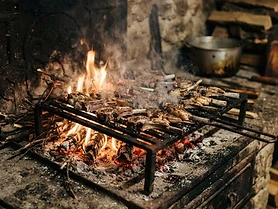
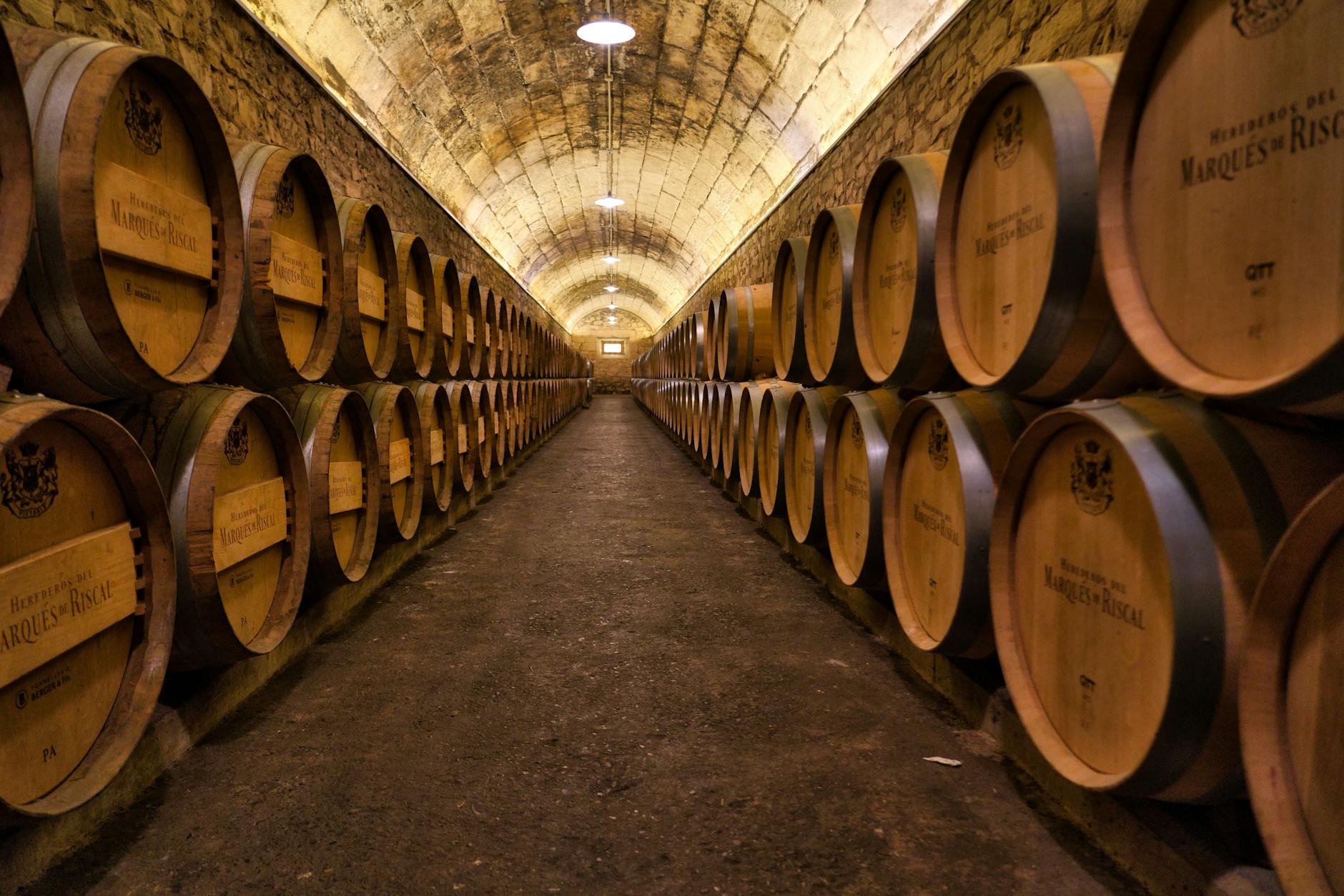
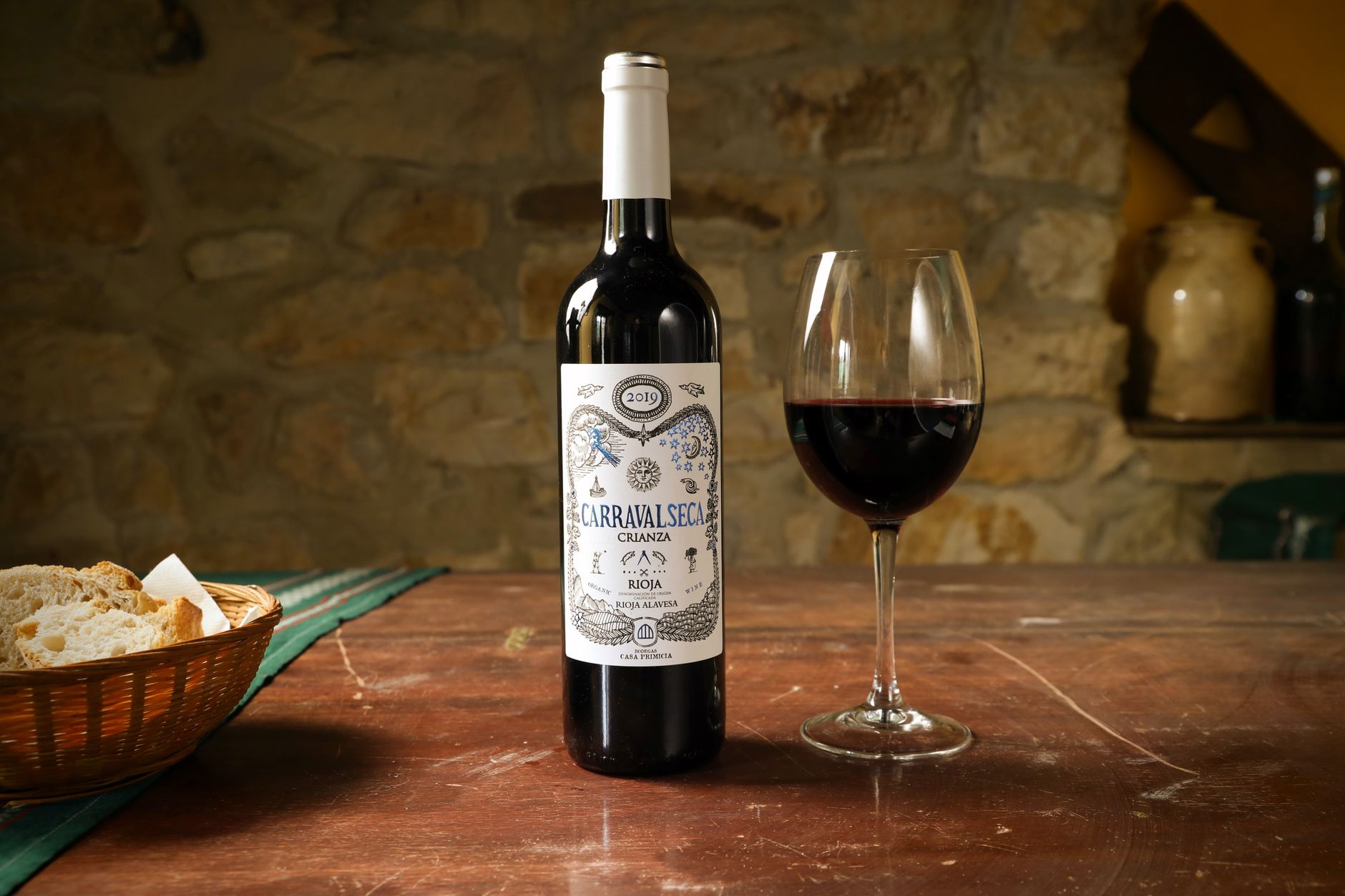
The pantry centers on the produce of the Ebro river flats. Verduras de la huerta, particularly white asparagus, artichokes, and red peppers, appear in seasonal stews or grilled over vine clippings. Pocha beans, a buttery white variety harvested in late summer, serve as a staple dish simmered with garlic and bits of pork fat. The proximity to the wider Rioja province dictates the drink, with heavy reliance on Tempranillo grapes. These red wines, aged in oak, accompany the local vegetable preparations and the heavy, slow-cooked lamb dishes common to the interior table.
La Rioja: the whole region
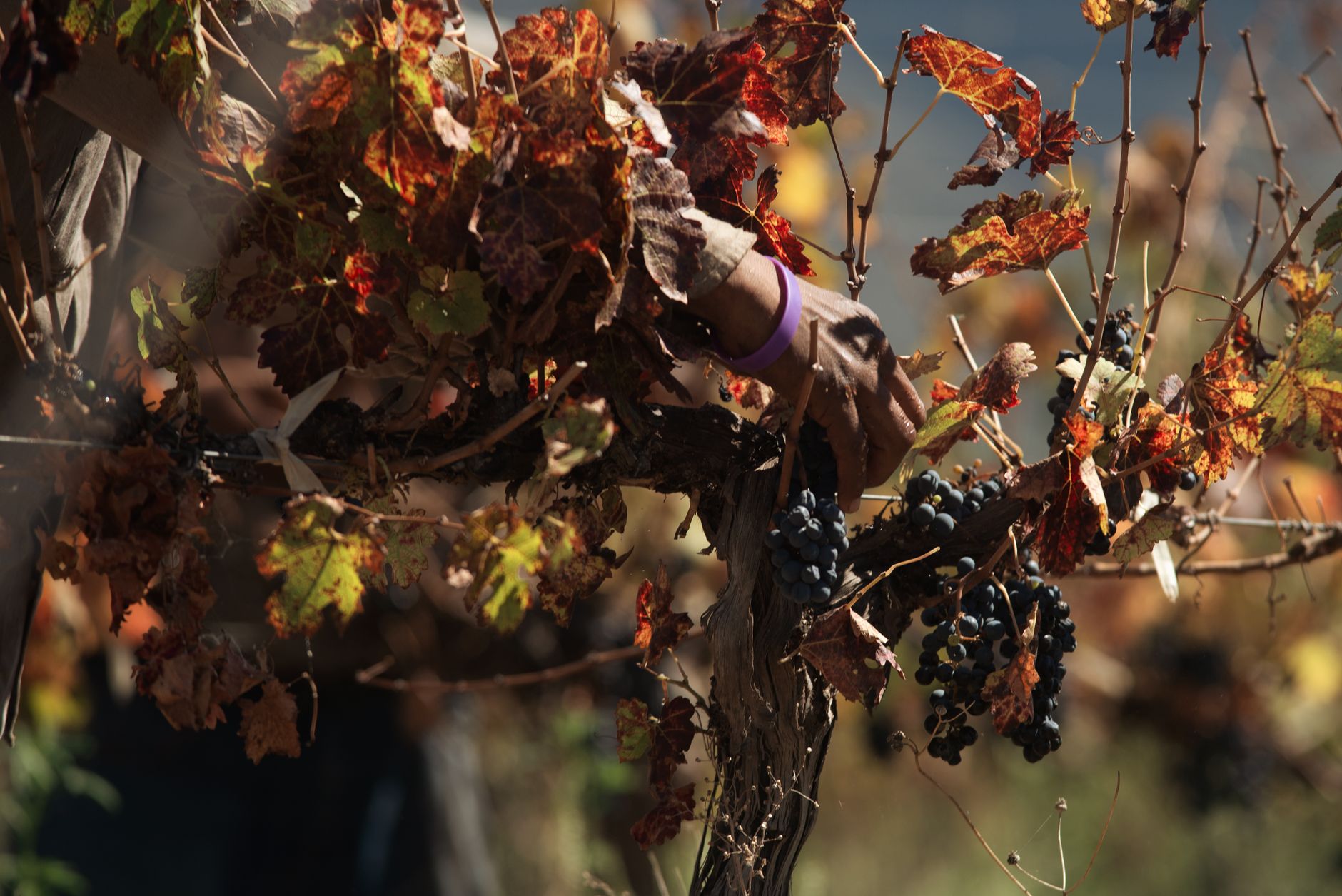
One product, done better here than anywhere else in Spain: a wine region that fits inside a valley, vineyards running from the Ebro plain up into the Sierra de Cantabria, and every town on the road between Haro and Logroño involved in it.…
Minimum 3 days · better 4-5 days · deep 7 days
In La Rioja


In La Rioja



In La Rioja








Other Base in La Rioja

Logistics are verified only. We don't publish schedules we haven't confirmed.
Experiences worth booking ahead
- Corral de la Moreria Madrid Flamenco Show with Optional Dinner4.8 (2,544)3 hrsFrom €50
- Cordoba Day Trip : A Journey Through History from Malaga4.7 (669)11 hrsFrom €35
- Costa Brava: Via Ferrata Cala del Molí4.7 (132)3 hrsFrom €40
- Cordoba Private Tour with Mosque Entrance from Seville4.9 (56)10 hrsFrom €313
Spain Field Guide may earn a commission when you book through selected links. Recommendations are editorial and independent of commission.
Ready to build Calahorra into a trip?
You've found a place worth going. When you're ready to turn discovery into an itinerary, Travel Itinerary Co picks up where the Field Guide leaves off — with your saved places already in hand.
Build this into a tripContinues on Travel Itinerary Co
Spain Field Guide may earn a commission when you book through selected links. Recommendations are editorial and independent of commission.