Zaragoza
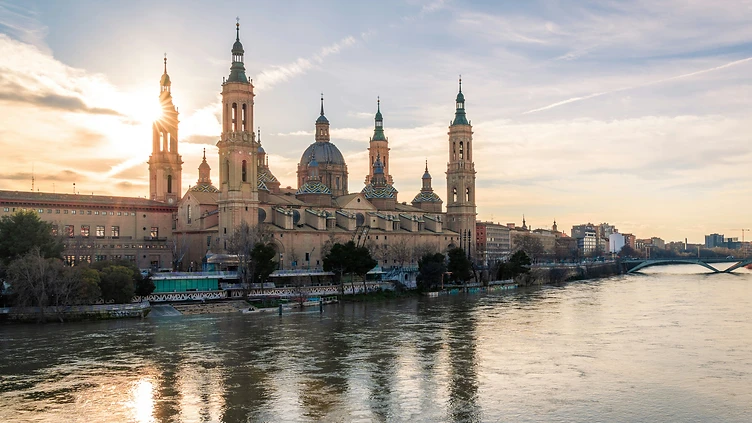
Worth a stop if you're driving or taking the train between Madrid and Barcelona. Not a destination on its own for most.
An underrated Moorish-era city halfway between Madrid and Barcelona, with a Mudéjar cathedral and a basilica that locals love. A natural AVE stop.
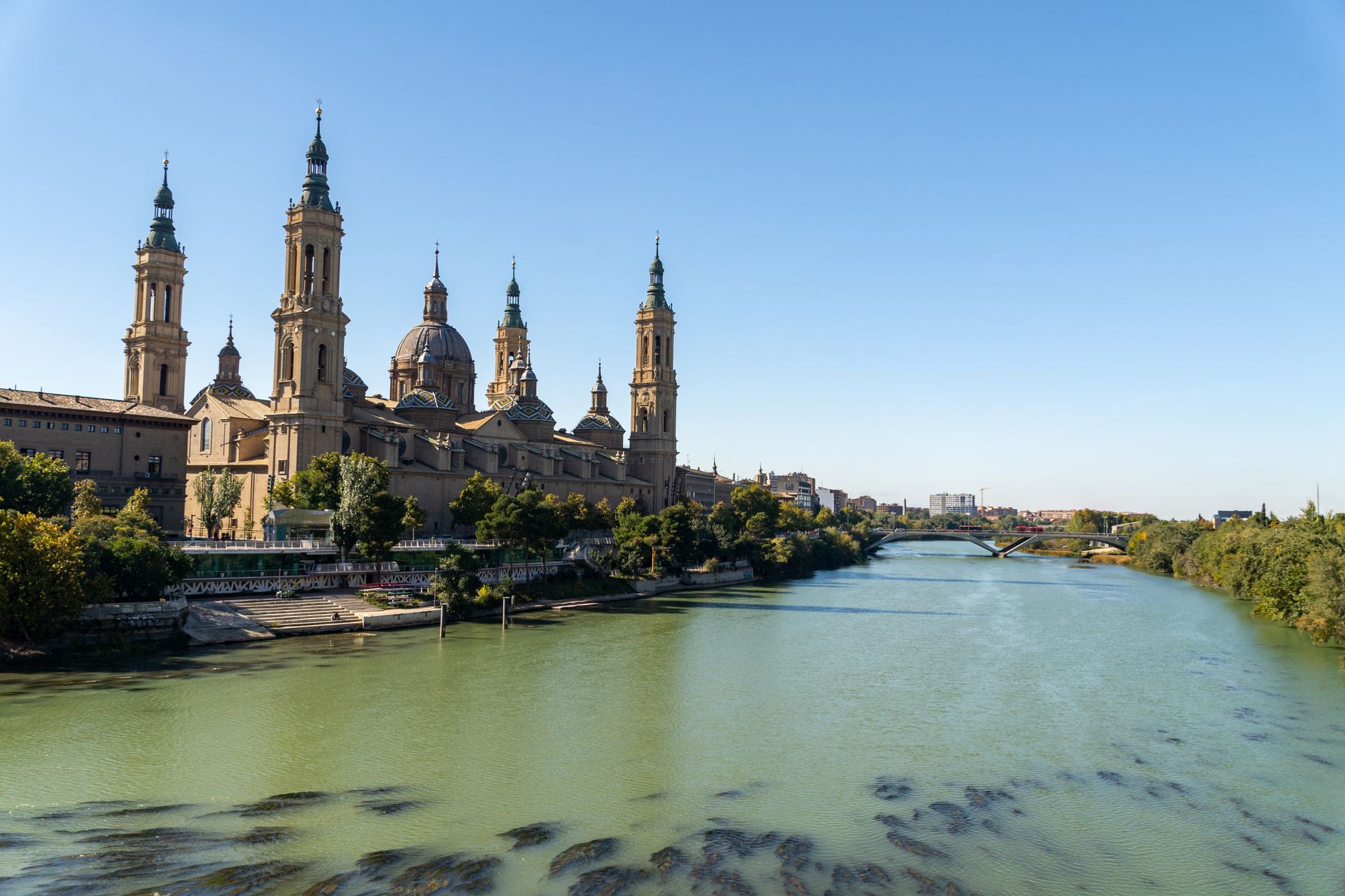
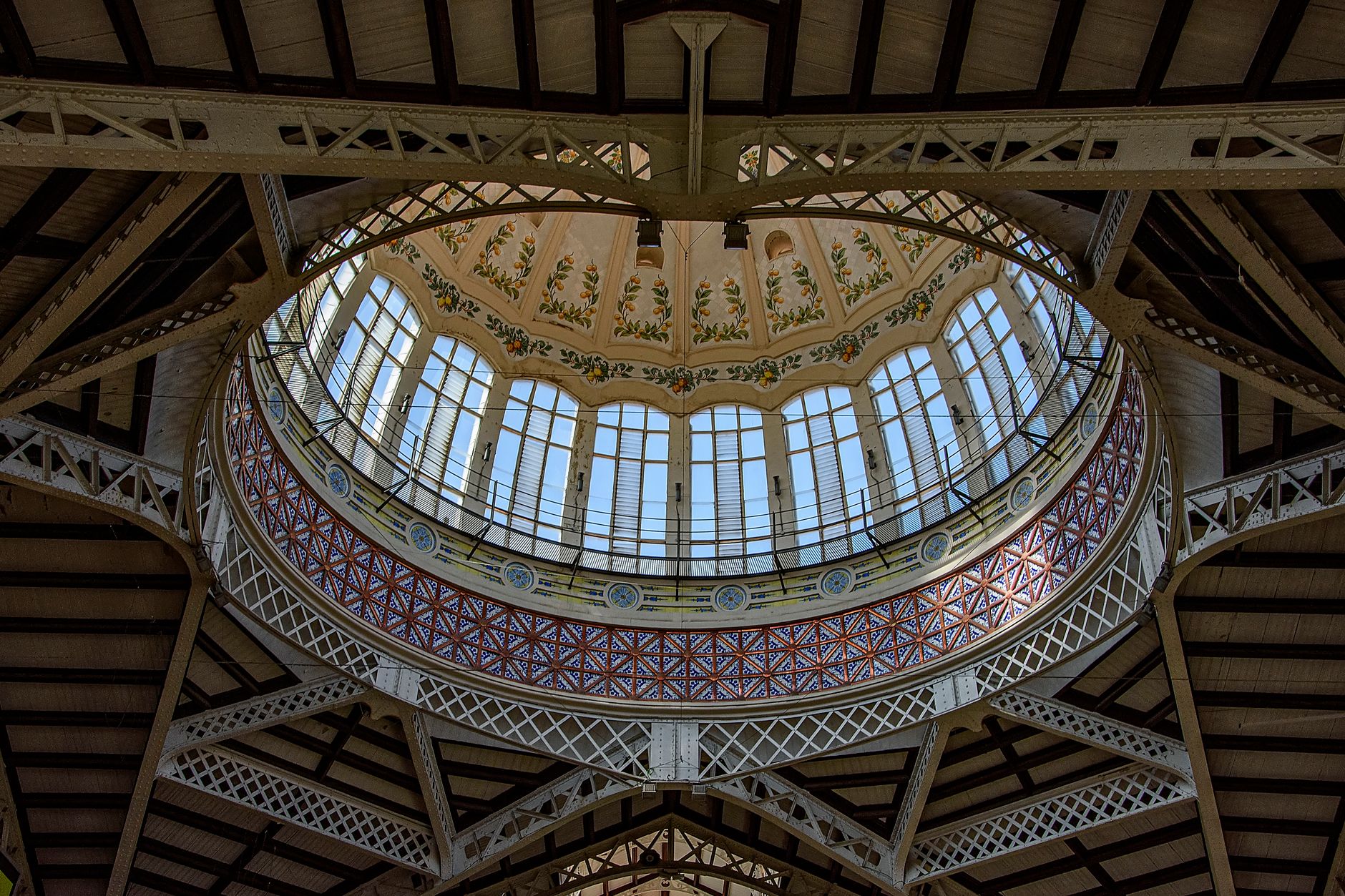
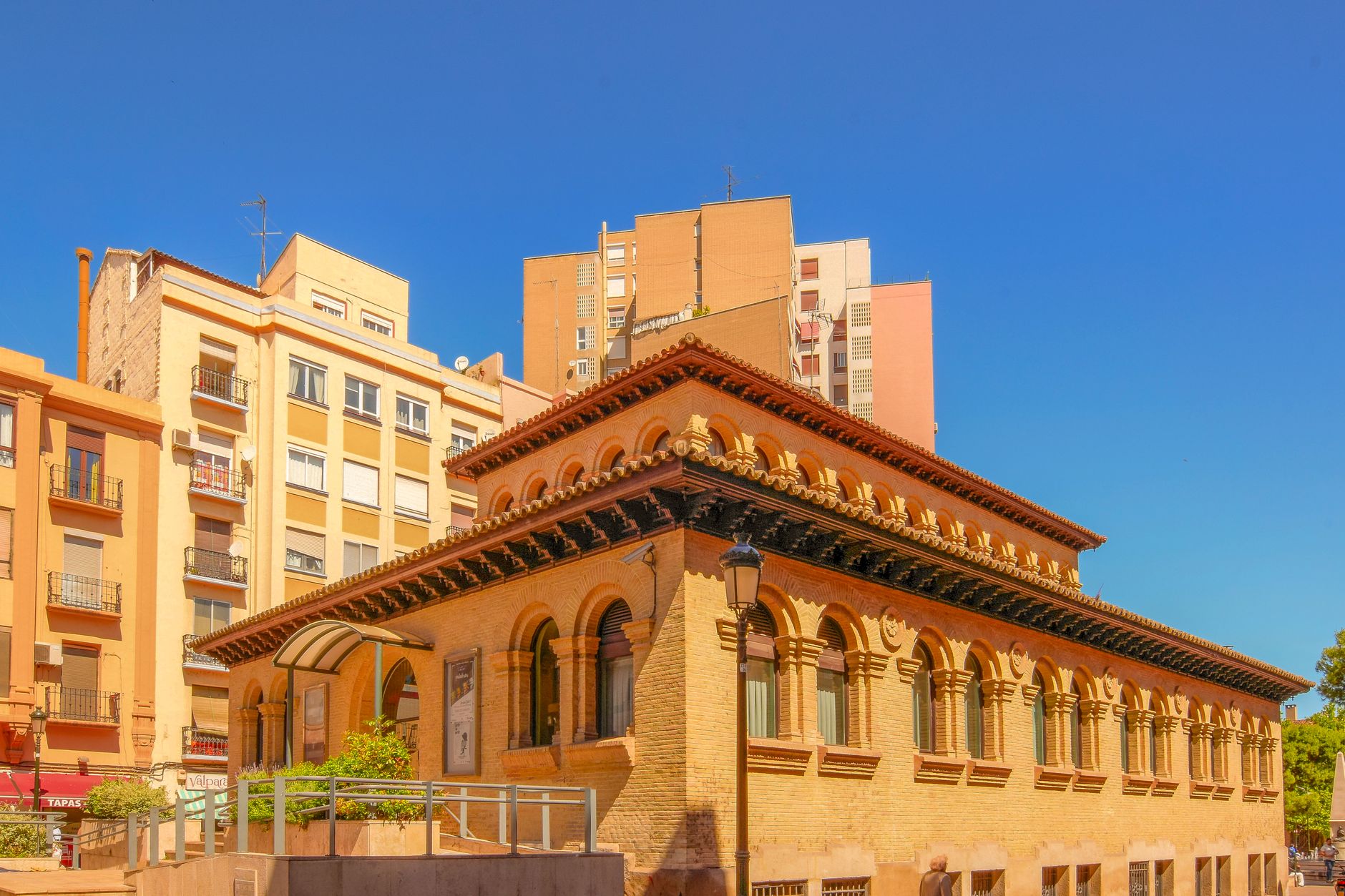
La Seo (San Salvador) Cathedral · Mercado Central de Zaragoza · Basílica del Pilar · Goya Museum (Camón Aznar)
At a Glance
- — You're flying between Madrid and Barcelona and won't stop
Straddling the Ebro River, this city serves as a sprawling, sun-drenched bridge between the two largest urban centers in Spain. The skyline is dominated by the tiled domes of its basilica, a place of local devotion that feels entirely grounded and unpretentious compared to the tourism-heavy cathedrals elsewhere. It is a city of honest labor and Mudéjar brickwork, best explored by walking the river banks until you find a tavern serving local lamb stew.
How it got here
Caesaraugusta grew from a Roman colony founded on an older Celtiberian site, earning importance as a river port along the Ebro. The city fell to the Umayyad conquest in 714 and developed as Saraqusta, an Islamic intellectual center under the Banu Tujib and Banu Hud dynasties. After Alfonso I of Aragon took the city in 1118, the architecture preserved the Mudéjar style where Christian craftsmen applied Islamic geometric brickwork techniques to towers and churches. This hybrid design persists in the Aljafería palace, which transitioned from the seat of a Taifa kingdom into the residence for the later Christian monarchs of the Kingdom of Aragon.
Where it sits
The Ebro River bisects the Ebro Depression, carving a wide path through a semi-arid landscape where the proximity of the Moncayo massif influences the winds. Low rainfall defines the valley, leaving the terrain around the river prone to dust and sun while the mountains to the west remain rugged. Winter brings the Cierzo, a cold wind funneling down the valley that strips the air of moisture. Summer heat reflects off the surrounding plains, turning the city into a quiet corridor during the hottest daylight hours when the population retreats from the glare of the sun.
What to eat and drink
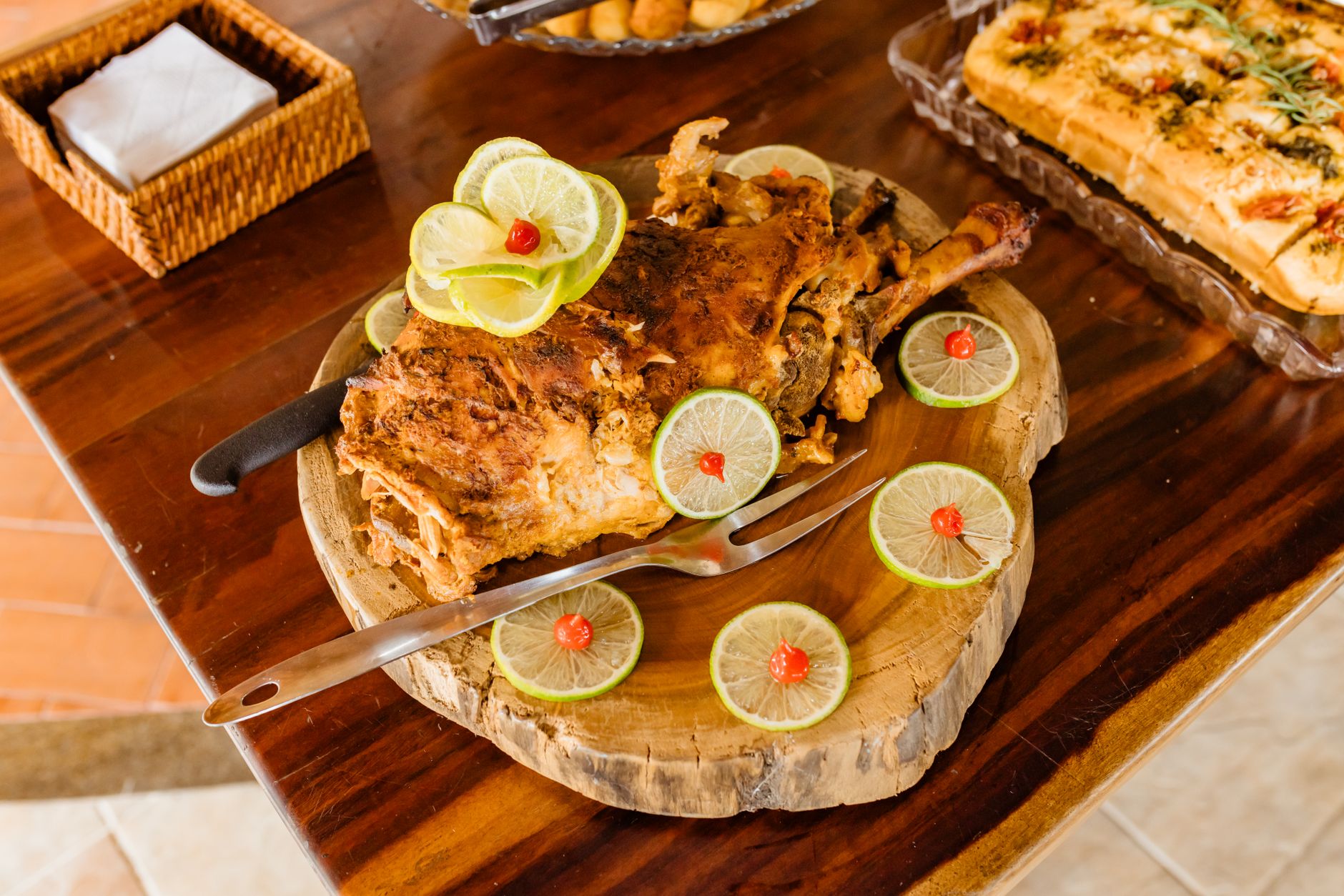
Ternasco, lamb younger than three months roasted with potatoes, provides the core of the local diet. Borage, a green vegetable often sautéed with garlic and potatoes, appears daily in kitchens across the province. Garden produce from the Ebro silt brings tomatoes and onions to the table, frequently paired with Bacalao al ajoarriero, salt cod emulsified with oil and garlic. For dessert, fruits from the valley such as cherries and peaches are preserved or baked into cakes. The drink of choice remains the wine from the nearby Campo de Borja, a dry red made from Garnacha grapes grown in stone-strewn soils.
Aragón: the whole region
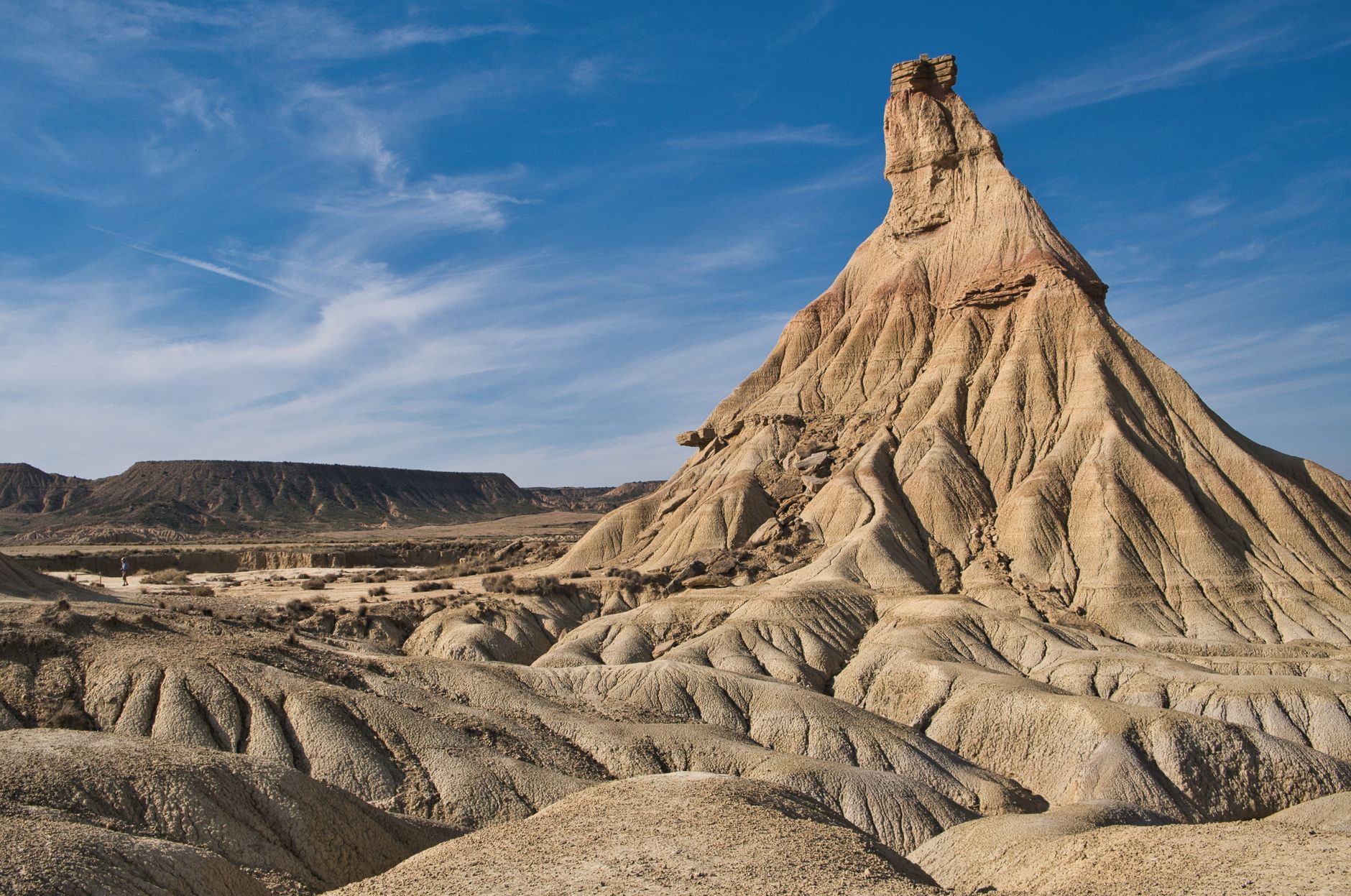
Three landscapes in one region: the Pyrenees and their canyons in the north, the dry Ebro plain with Zaragoza at its centre, and the high, empty south where Teruel's villages and the Maestrazgo stand. It is the least-visited half of…
Minimum 4 days · better 7-8 days · deep 10-12 days
In and around Zaragoza


What's Nearby


Pair It With
In Aragón

In Aragón

In Aragón


Linked from elsewhere
Entries that name this place in their own nearby lists.


Logistics are verified only. We don't publish schedules we haven't confirmed.
Experiences worth booking ahead
Spain Field Guide may earn a commission when you book through selected links. Recommendations are editorial and independent of commission.
Ready to build Zaragoza into a trip?
You've found a place worth going. When you're ready to turn discovery into an itinerary, Travel Itinerary Co picks up where the Field Guide leaves off — with your saved places already in hand.
Build this into a tripContinues on Travel Itinerary Co
Spain Field Guide may earn a commission when you book through selected links. Recommendations are editorial and independent of commission.