Aljafería Palace

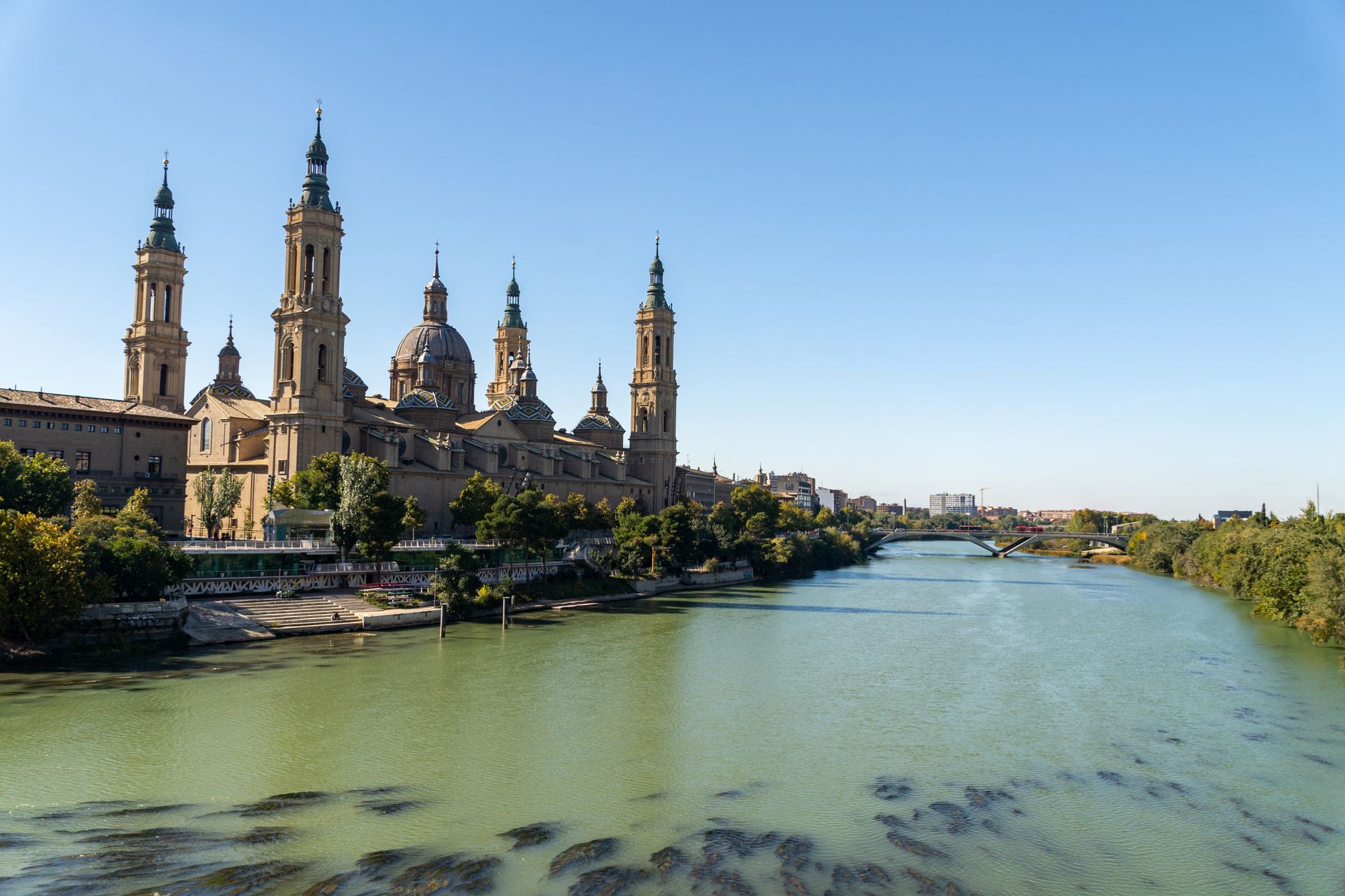
Zaragoza's best-kept secret. The golden Mudéjar ceiling in the throne room is the highlight. Pair with the Pilar for a Zaragoza morning.
An 11th-century taifa palace, the best-preserved Islamic palace in Spain outside Granada and Córdoba, with a fine mihrab and later additions by a Catholic king. The Cortes of Aragón still meet here.
At a Glance
- — You've just seen the Alhambra
Behind a fortress-like exterior is a delicate 11th-century Islamic palace whose throne room carries a golden, honeycomb ceiling that catches the light. The arches are interlaced and refined, the work of the taifa kings who built this as a retreat. It is a quiet, well-preserved contrast to the rest of the city.
How it got here
Built during the eleventh century for the Banu Hud dynasty, the palace functioned as the seat of the taifa of Saraqusta. It represents the height of Islamic architecture in northern Iberia, designed as a royal residence for the taifa kings during their struggle for autonomy following the fragmentation of the Caliphate of Córdoba. Later monarchs of the Kingdom of Aragón adapted the structure into a royal palace after the conquest of the city in 1118. The interplay between the original Islamic masonry and the later Gothic additions documents the shifting political power between the taifa kingdoms and the expanding Christian northern states.
Where it sits
The palace sits within the urban expanse of Zaragoza, caught between the industrial outskirts and the historic center on the banks of the Ebro River. This dry landscape of the Ebro valley experiences extreme seasonal transitions, baking under a relentless sun in July and biting under the cold cierzo wind during the winter months. Visitors reach the site by crossing the dense street grids that define this riverside city. While the interior courtyard offers a silent, shaded relief, the city beyond the walls hums with a steady, pragmatic rhythm far removed from the ornamental stillness of the taifa throne room.
What to eat and drink
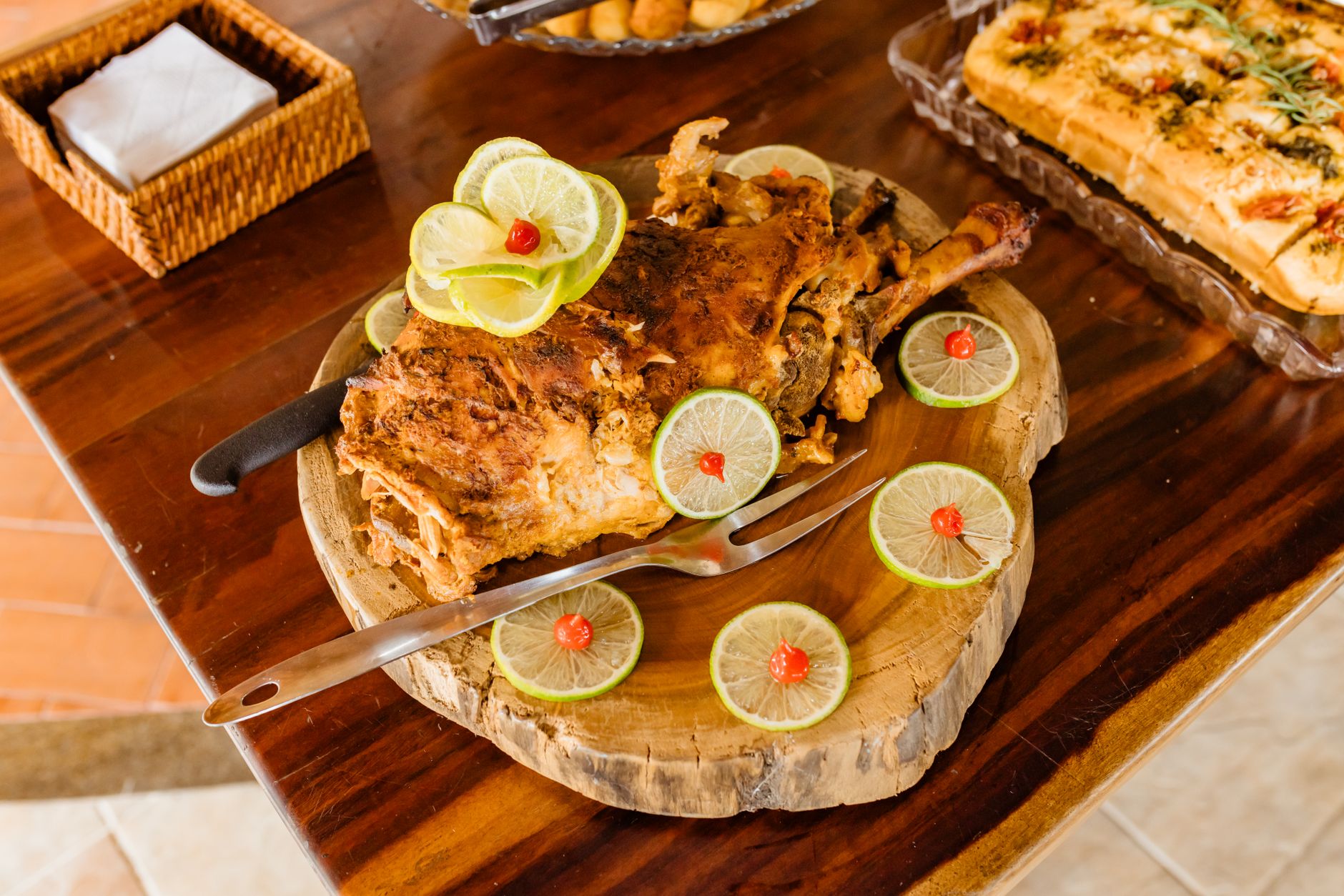
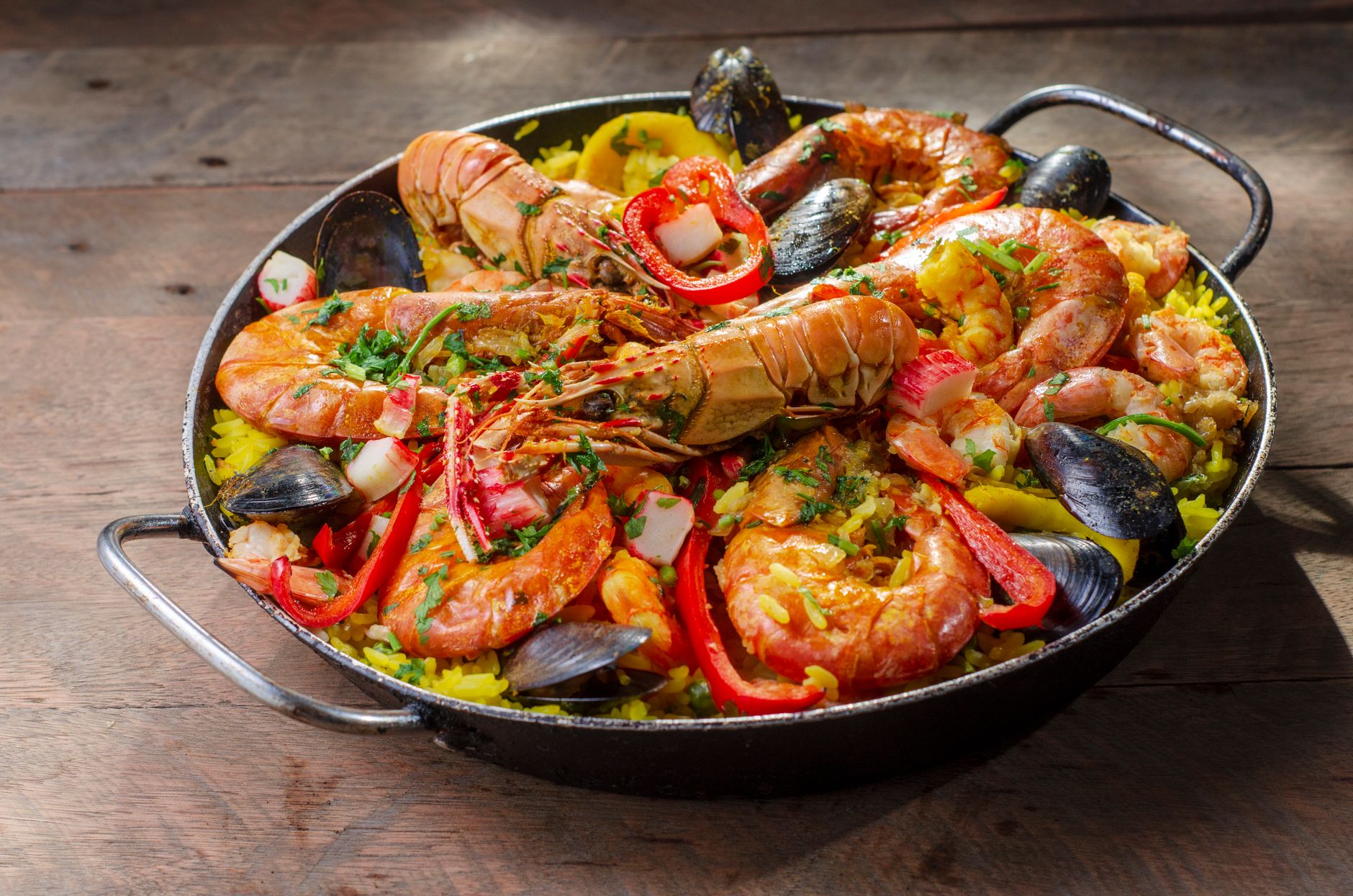
Zaragoza relies on the agricultural bounty of the Ebro valley. Order borraja, a local borage vegetable served boiled with a splash of olive oil and garlic. Bacalao al ajoarriero, salted cod cooked with garlic, peppers, and tomatoes, represents the city’s historic trade links. For dessert, purchase frutas de Aragón, pieces of candied fruit coated in dark chocolate. Wash these down with a glass of red wine from the nearby Cariñena or Borja denominations, which produce robust bottles that withstand the intensity of the local climate and the traditional strength of Aragonese cooking.
Aragón: the whole region
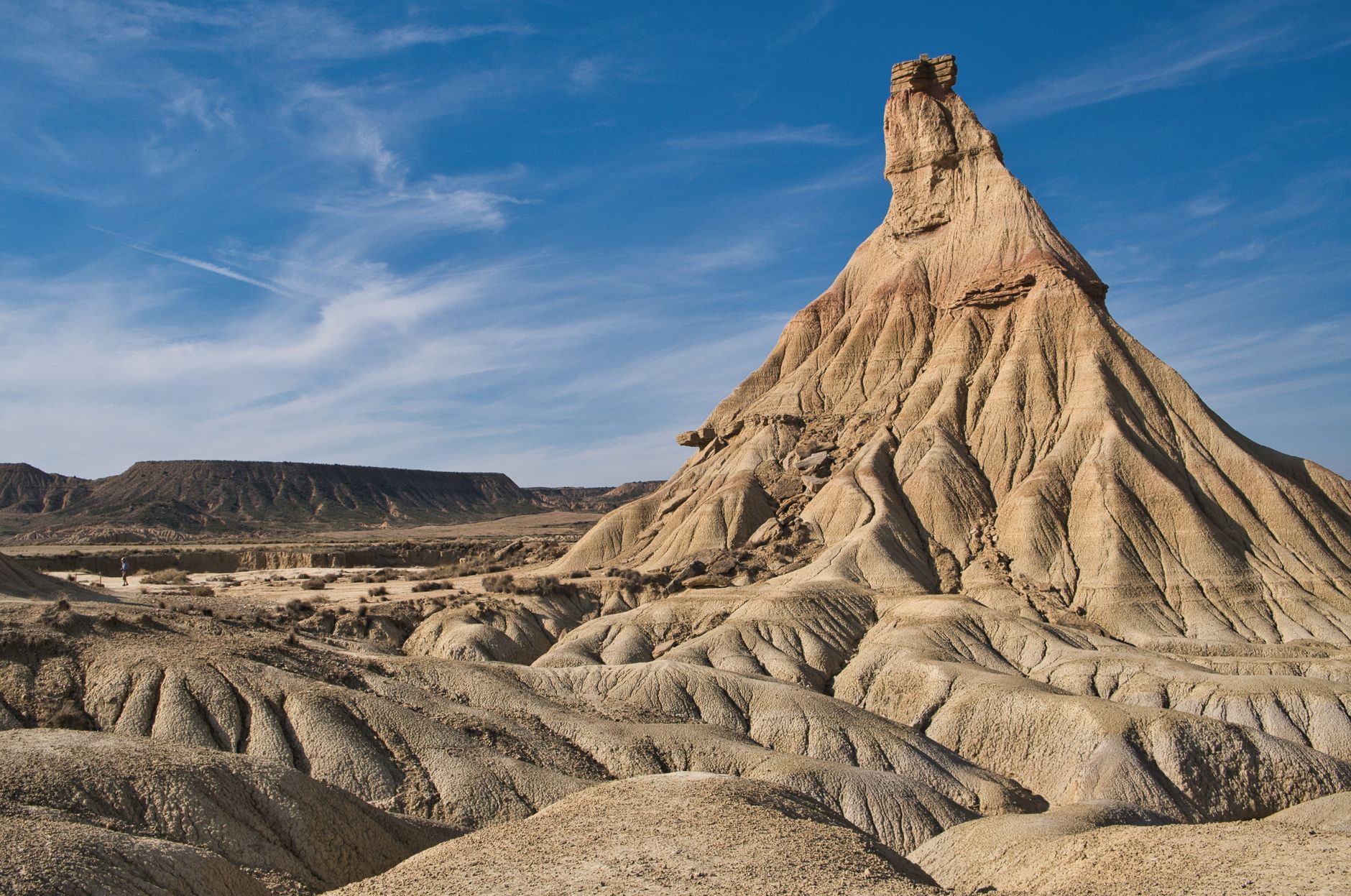
Three landscapes in one region: the Pyrenees and their canyons in the north, the dry Ebro plain with Zaragoza at its centre, and the high, empty south where Teruel's villages and the Maestrazgo stand. It is the least-visited half of…
Minimum 4 days · better 7-8 days · deep 10-12 days
Pair It With

In Aragón

In Aragón

In Aragón



Linked from elsewhere
Entries that name this place in their own nearby lists.
Logistics are verified only. We don't publish schedules we haven't confirmed.
Appears In
Experiences worth booking ahead
Spain Field Guide may earn a commission when you book through selected links. Recommendations are editorial and independent of commission.
Ready to build Aljafería Palace into a trip?
You've found a place worth going. When you're ready to turn discovery into an itinerary, Travel Itinerary Co picks up where the Field Guide leaves off — with your saved places already in hand.
Build this into a tripContinues on Travel Itinerary Co
Spain Field Guide may earn a commission when you book through selected links. Recommendations are editorial and independent of commission.