La Seo (San Salvador) Cathedral
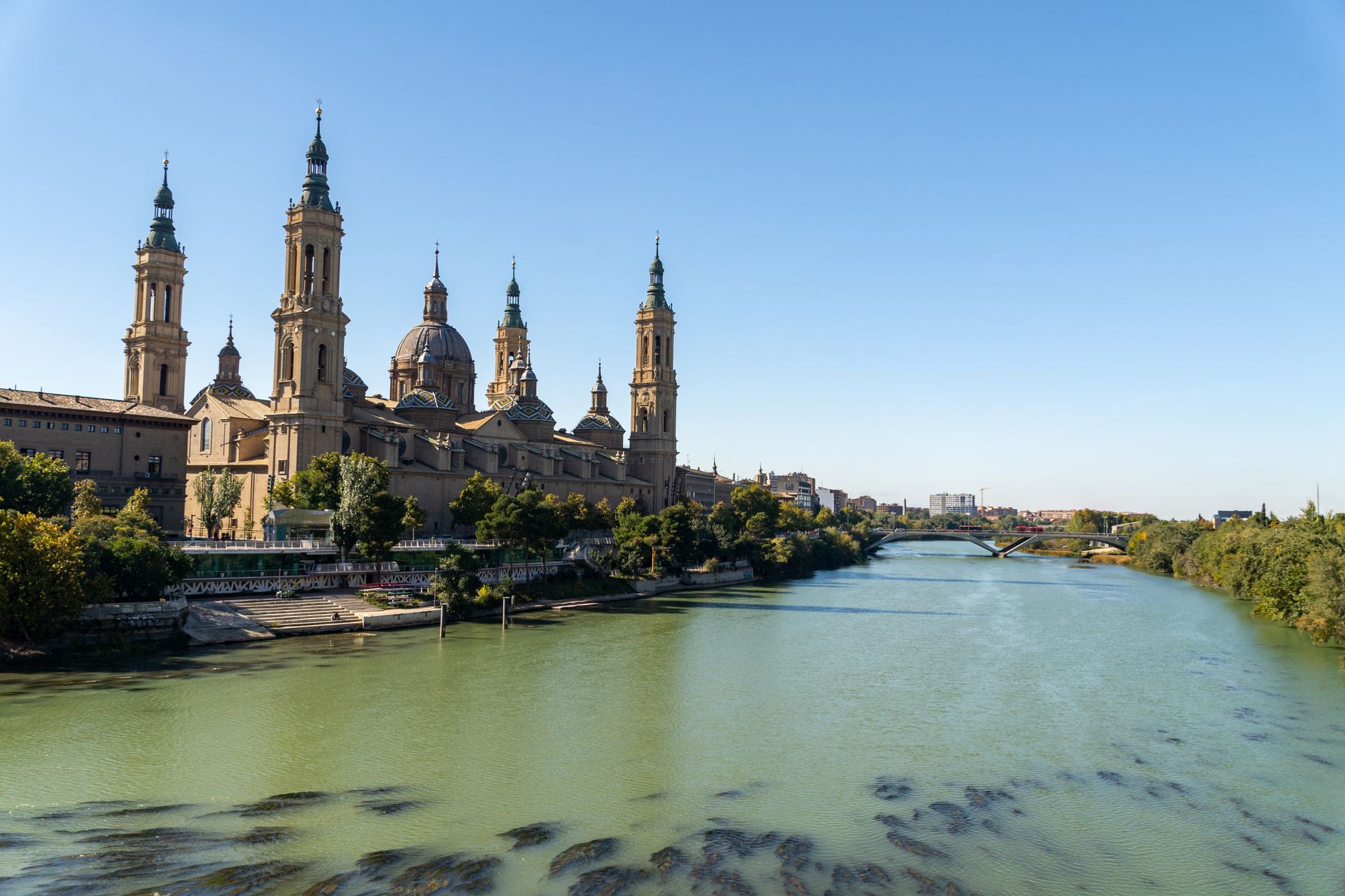
The architectural layer-cake the Pilar isn't. The tapestry museum (some 15th-century Flemish masterpieces) is the surprise. 90 minutes.
Zaragoza's other cathedral — built over the main mosque, layering Romanesque, Mudéjar, Gothic, Renaissance, and Baroque in one building. The Mudéjar apse is a UNESCO detail.
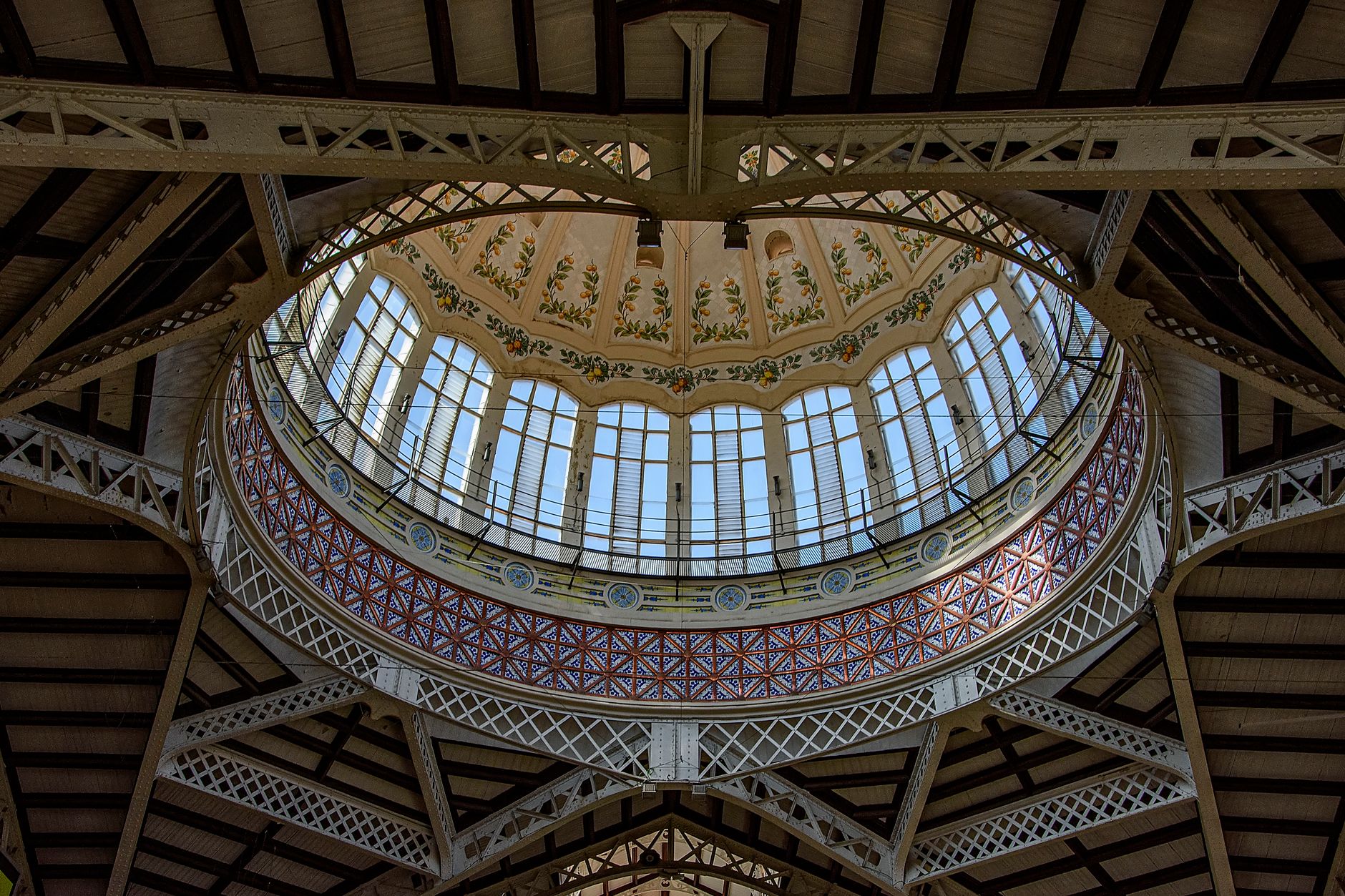
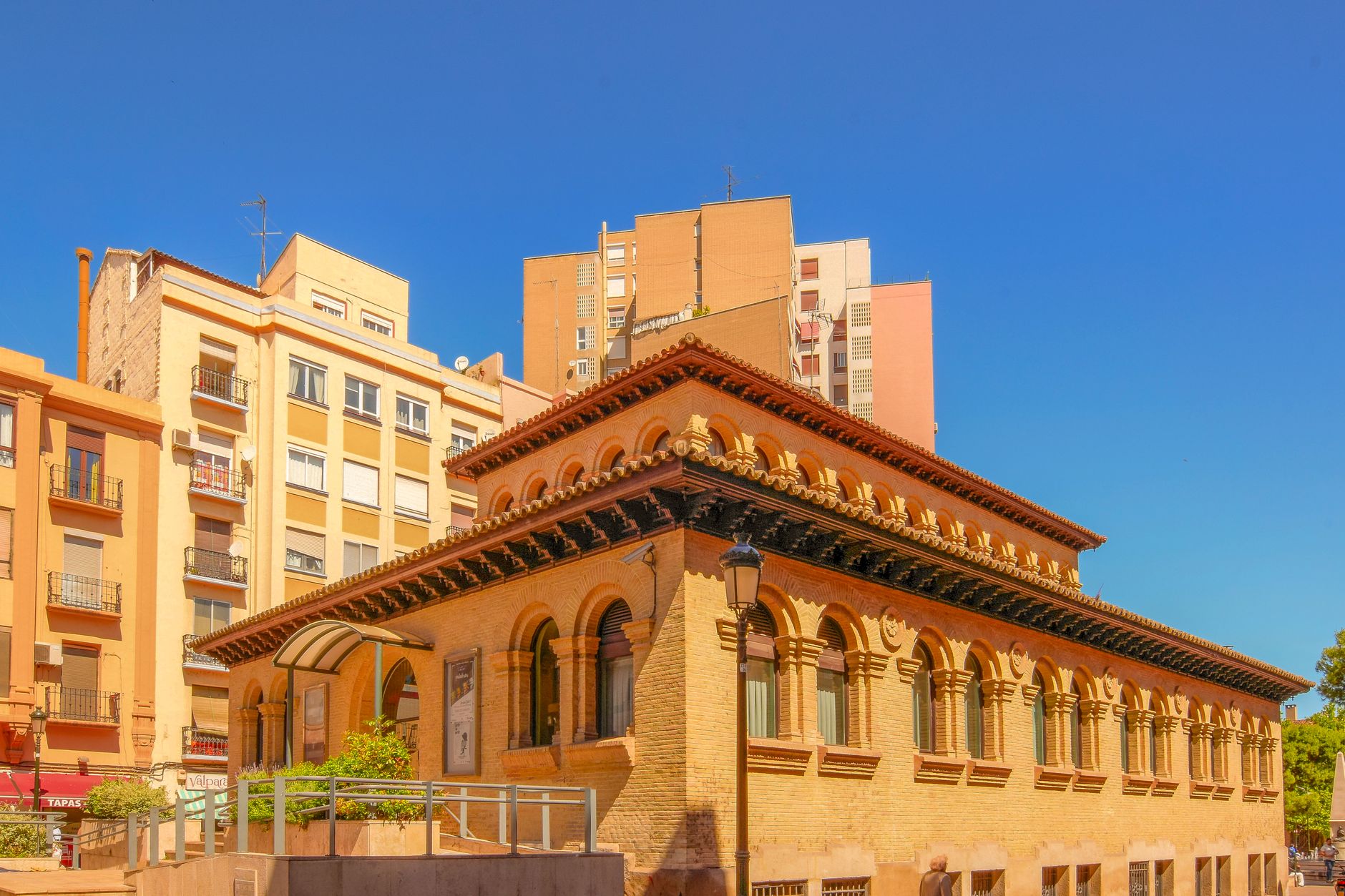
Mercado Central de Zaragoza · Basílica del Pilar · Aljafería Palace
At a Glance
- — You only have time for one cathedral — do the Pilar
This cathedral is an architectural layer-cake, showing the marks of every culture that has held Zaragoza, from the original mosque to the Baroque exterior. The Mudéjar apse is a lesson in brickwork, its patterns surviving from the period of Moorish influence. Inside, the tapestry museum holds Flemish works as sharp and detailed as the stone carving, and the silence makes the whole tour worth the time.
How it got here
The site holds the remains of the Roman forum temple, a Visigothic church, and the main mosque of the Saraqusta taifa. After Alfonso I captured the city in 1118, the cathedral began its long evolution atop these foundations. Romanesque elements survive in the early core, but the distinct brickwork of the Mudéjar exterior walls demonstrates the labor of local craftspeople who remained after the Reconquista. Successive centuries layered Baroque towers and portals over the medieval structure. This sequence of construction maps the transition from Islamic rule to Christian sovereignty, creating a physical record of the shifting powers that shaped the Ebro valley across nine centuries.
Where it sits
Zaragoza lies in the middle of the Ebro depression, a flat and semi-arid landscape that separates the Pyrenees from the Iberian system. The river winds through a city of brick and stone, where summer heat hangs heavy in the streets and winter brings the cold cierzo wind down from the mountains. This plaza sits at the center of the old town, a dense grid that keeps the noise of the modern city at a distance. The surrounding country consists of irrigated orchards near the river and vast, dry plains of wheat that stretch toward the horizon.
What to eat and drink
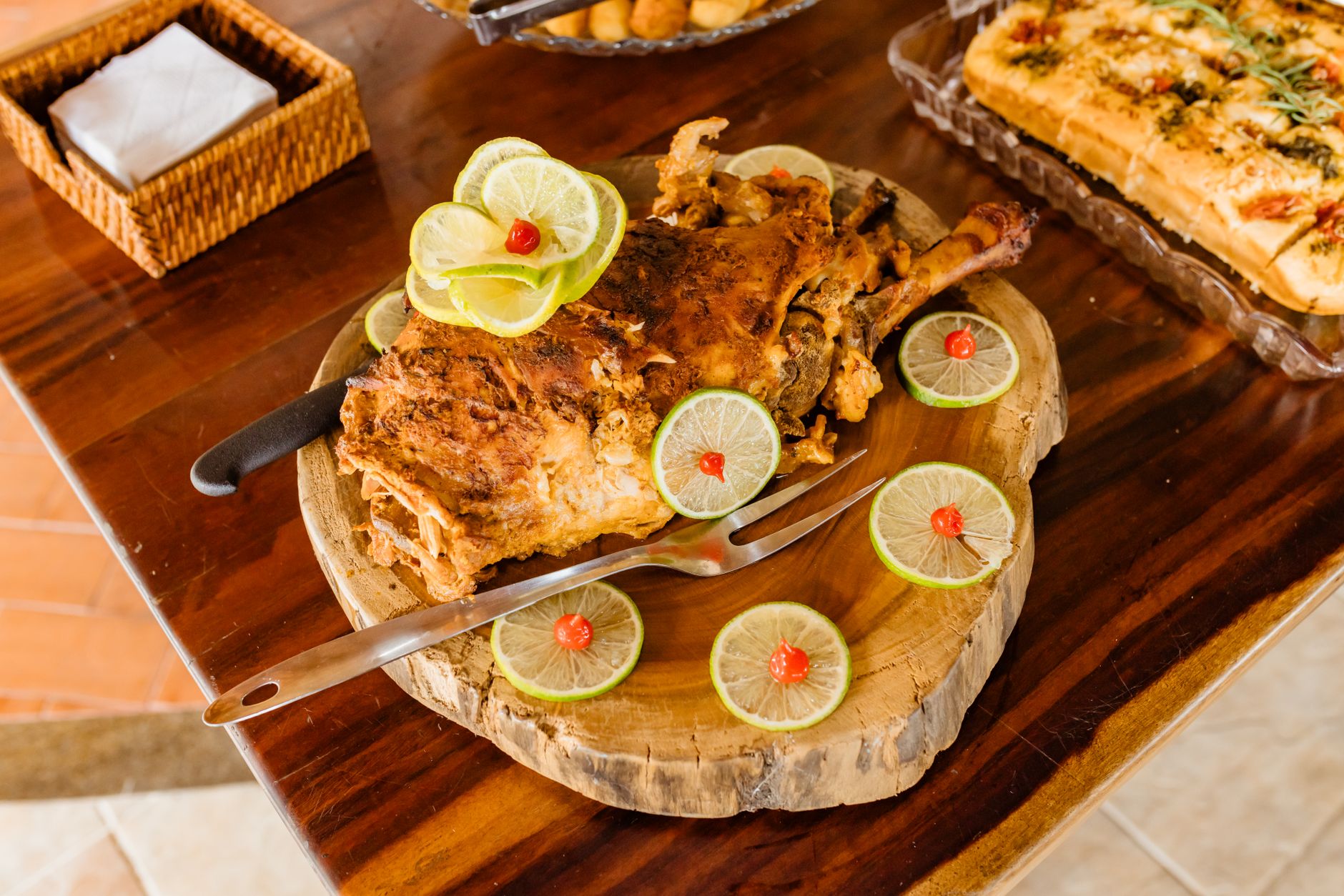
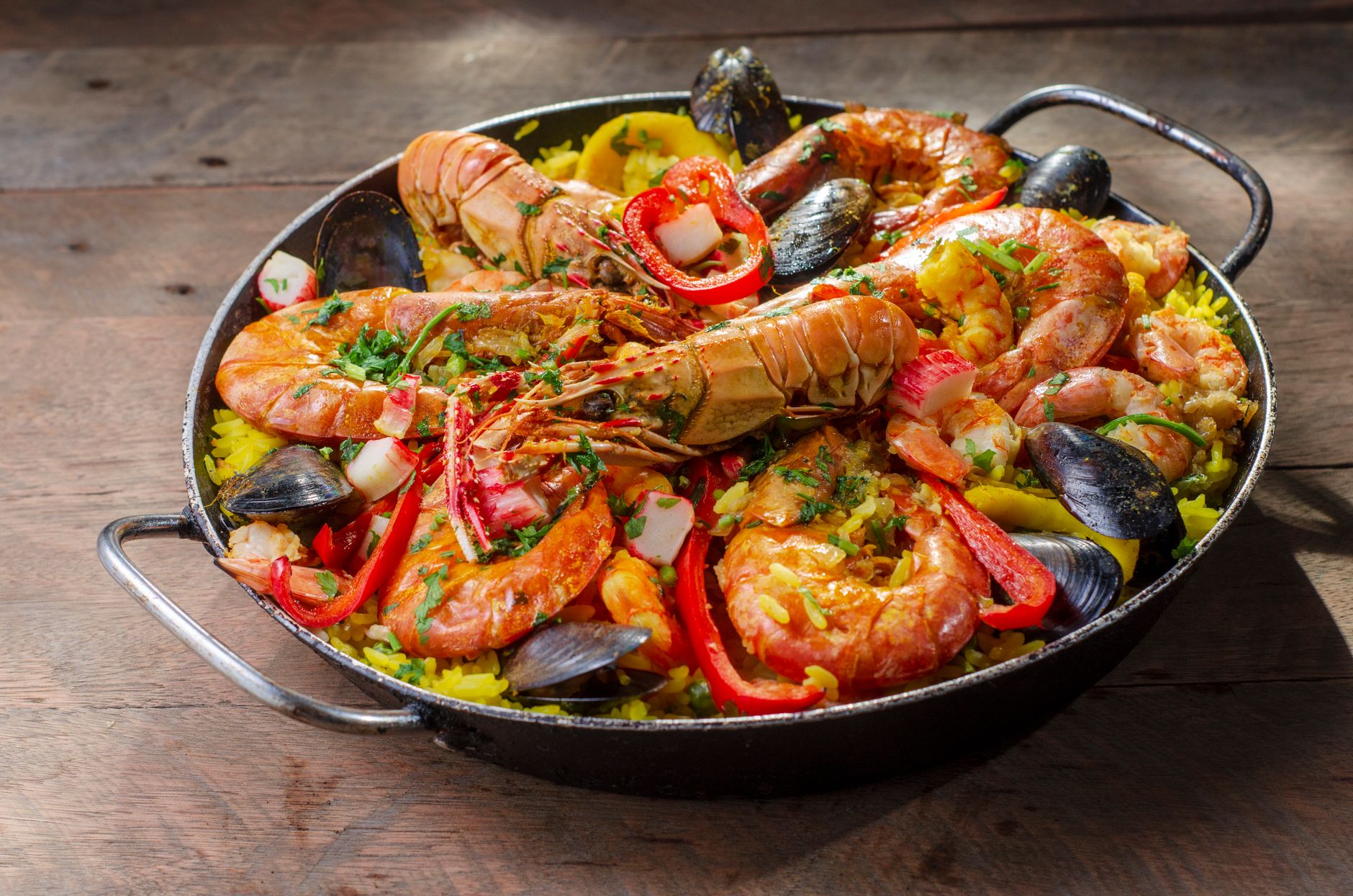
Borage is the staple vegetable of the region, served boiled with potatoes and olive oil. Visitors seek out bacalao al ajoarriero, salt cod flaked and cooked with garlic, tomatoes, and peppers, reflecting the historic reliance on preserved fish in inland trade. For dessert, tortas de alma consist of thin pastry pockets filled with pumpkin jam or almonds. The wine comes from the nearby Cariñena hills, where sun-drenched vineyards produce robust reds. These dishes rely on simple ingredients pulled from the river basin, providing a grounding, utilitarian culinary tradition that persists in every household and tavern across the province.
Aragón: the whole region
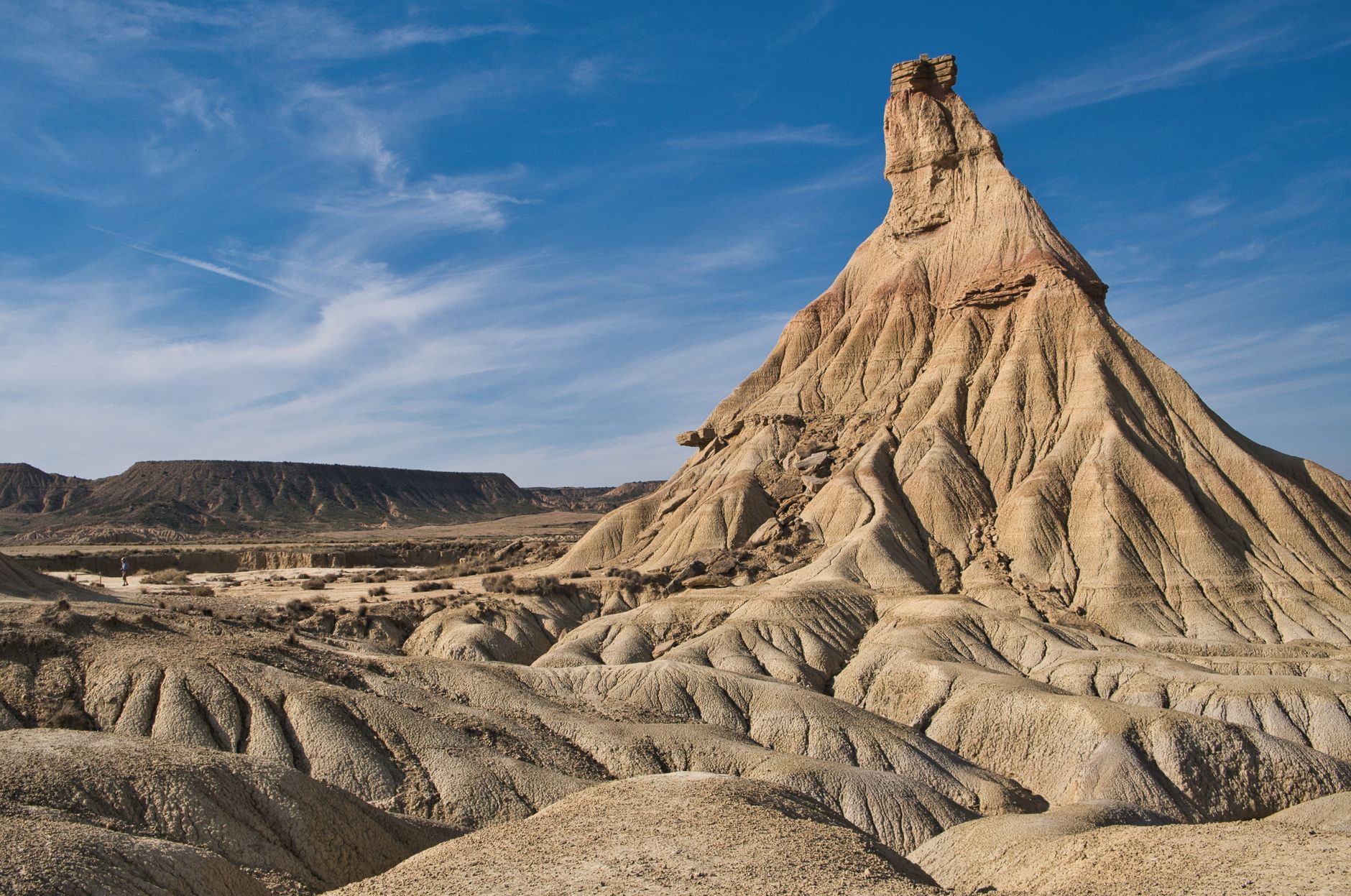
Three landscapes in one region: the Pyrenees and their canyons in the north, the dry Ebro plain with Zaragoza at its centre, and the high, empty south where Teruel's villages and the Maestrazgo stand. It is the least-visited half of…
Minimum 4 days · better 7-8 days · deep 10-12 days

Pair It With

In Aragón

In Aragón

In Aragón



Linked from elsewhere
Entries that name this place in their own nearby lists.
Logistics are verified only. We don't publish schedules we haven't confirmed.
Appears In
Experiences worth booking ahead
Spain Field Guide may earn a commission when you book through selected links. Recommendations are editorial and independent of commission.
Ready to build La Seo (San Salvador) Cathedral into a trip?
You've found a place worth going. When you're ready to turn discovery into an itinerary, Travel Itinerary Co picks up where the Field Guide leaves off — with your saved places already in hand.
Build this into a tripContinues on Travel Itinerary Co
Spain Field Guide may earn a commission when you book through selected links. Recommendations are editorial and independent of commission.