Teruel Mudéjar Towers

Worth a special trip for the towers alone — this is Mudéjar brickwork at its most inventive, and it's a UNESCO site with almost no crowds.
The intricate brick and ceramic towers scattered through Teruel's old town represent a genuinely distinct architectural tradition, blending Islamic and Christian styles in a way you won't see elsewhere in Spain.
At a Glance
- — expecting a well-known tourist hub
- — short on time and prioritizing bigger cities
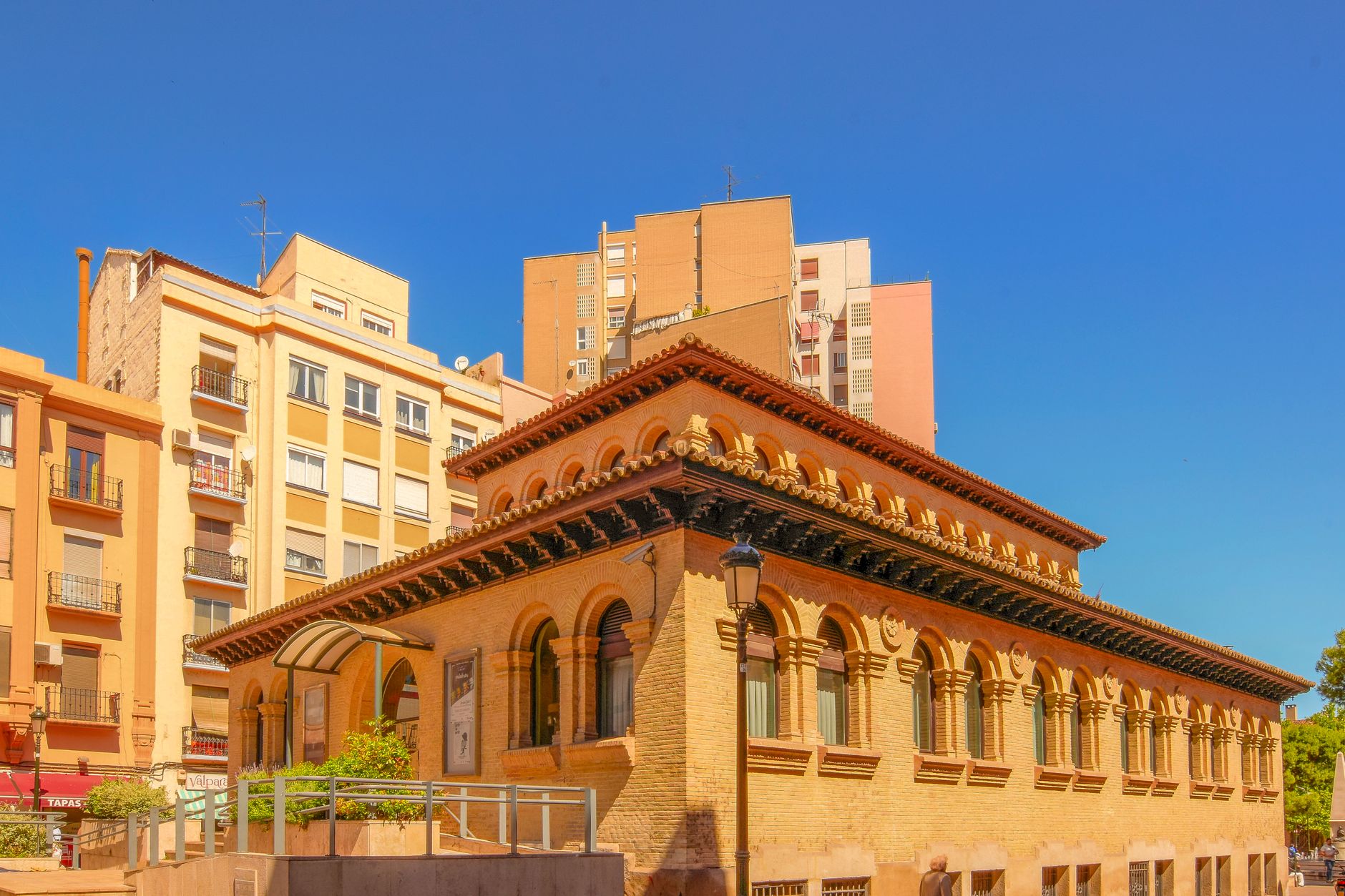
Intricate brickwork and glazed ceramic tiling decorate these 12th-century towers, representing a singular fusion of Islamic and Christian building traditions. Scattered through the town’s quiet streets, the towers stand as rare, undisturbed examples of a style unique to the Iberian Peninsula. It is a UNESCO site that defies the usual crowds, offering an inventive architectural history lesson hidden in plain sight.
How it got here
The Mudéjar architecture of Teruel reflects the influence of Islamic craftsmen working under Christian rule following the Reconquista. UNESCO designated the towers of El Salvador, San Martín, and San Pedro along with the cathedral tower as a collective World Heritage site in 1986. These structures date primarily from the 13th to 16th centuries. They utilize brick and glazed ceramic tiles in geometric patterns derived from Almohad traditions. The evolution of these towers documents the integration of Islamic construction techniques into the liturgical requirements of the church. The buildings persist as physical evidence of the demographic and cultural shifts that occurred within the Ebro River basin after the 12th century.
Where it sits
Teruel sits in a high plateau region of the Southern Iberian System at an elevation of approximately 900 meters. The surrounding landscape consists of rugged terrain and sparse vegetation. The climate features cold, dry winters and moderate summers with significant temperature fluctuations between day and night. Access to the town is primarily by road or rail from the city of Zaragoza or from the coastal regions of Valencia. Foot traffic remains consistent throughout the year, primarily centered within the historic urban core where the architectural sites are concentrated. The provincial setting remains quiet relative to major metropolitan centers.
What to eat and drink
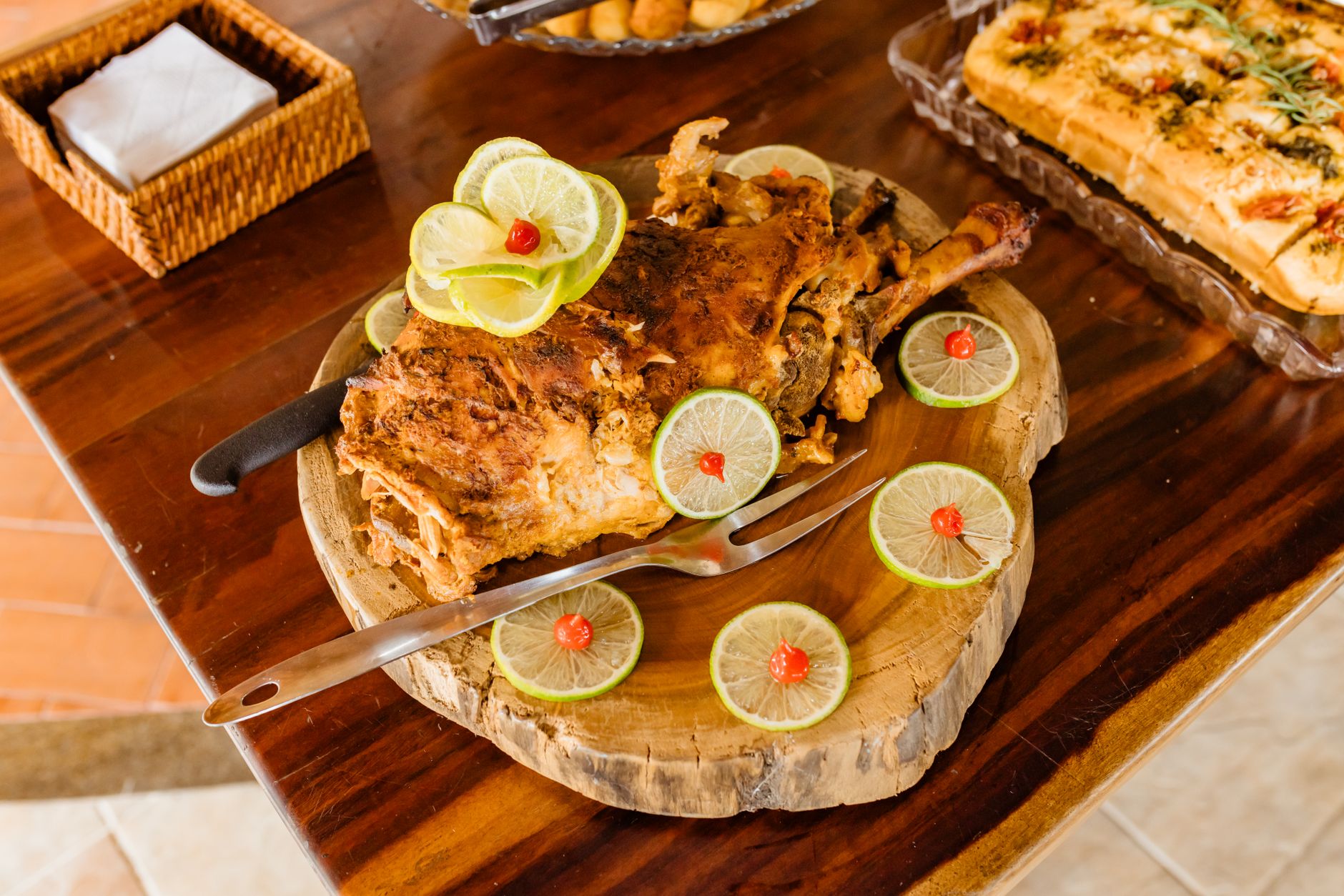
The culinary traditions of Teruel are centered on products from the surrounding rural highlands. The most prominent product is Jamón de Teruel, a cured ham protected by a designation of origin. Regional agriculture contributes significant quantities of ternasco, a specific breed of lamb known for its meat quality. Saffron and black truffle are harvested in the rural districts surrounding the town. Local vegetable dishes often incorporate borage or cardoon. Common regional baked goods include suspiros de amante, a small curd-based pastry. Regional wines from the Bajo Aragón district are commonly consumed alongside meals prepared with locally produced olive oil.
Aragón: the whole region
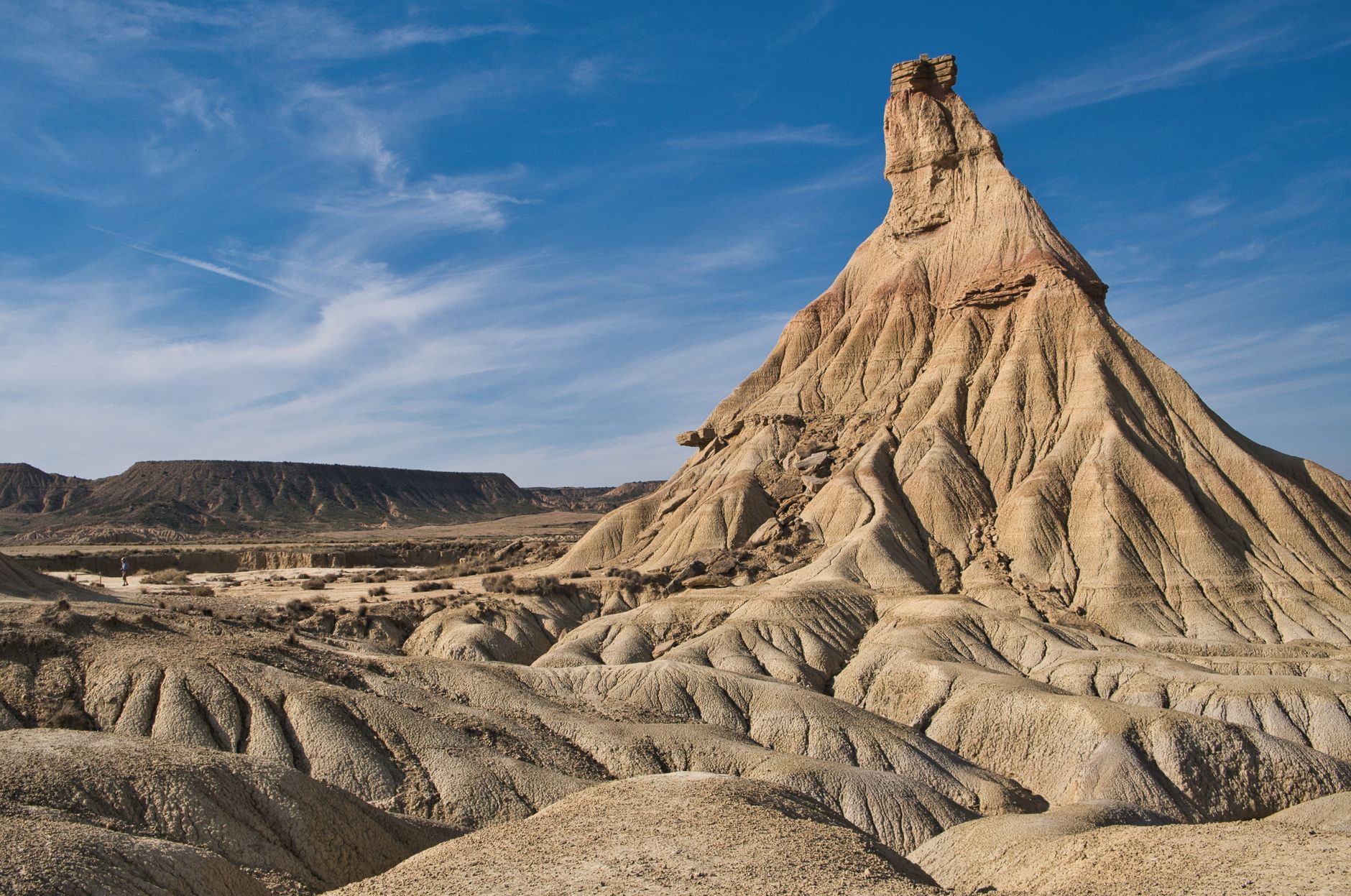
Three landscapes in one region: the Pyrenees and their canyons in the north, the dry Ebro plain with Zaragoza at its centre, and the high, empty south where Teruel's villages and the Maestrazgo stand. It is the least-visited half of…
Minimum 4 days · better 7-8 days · deep 10-12 days

Pair It With


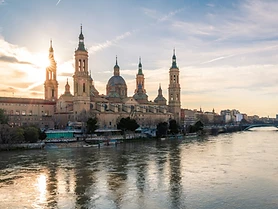

In Aragón

In Aragón

In Aragón





Logistics are verified only. We don't publish schedules we haven't confirmed.
Appears In
Ready to build Teruel Mudéjar Towers into a trip?
You've found a place worth going. When you're ready to turn discovery into an itinerary, Travel Itinerary Co picks up where the Field Guide leaves off — with your saved places already in hand.
Build this into a tripContinues on Travel Itinerary Co
Spain Field Guide may earn a commission when you book through selected links. Recommendations are editorial and independent of commission.