Teruel

Worth a night if you are driving Aragón, and worth the train stop even without a car. Two towers and the museum are enough; the city does not need two days.
Mudejar towers that rival anything in Andalusia, in the city most travellers skip between Madrid and Valencia.
At a Glance
- — You cannot handle a cold winter city
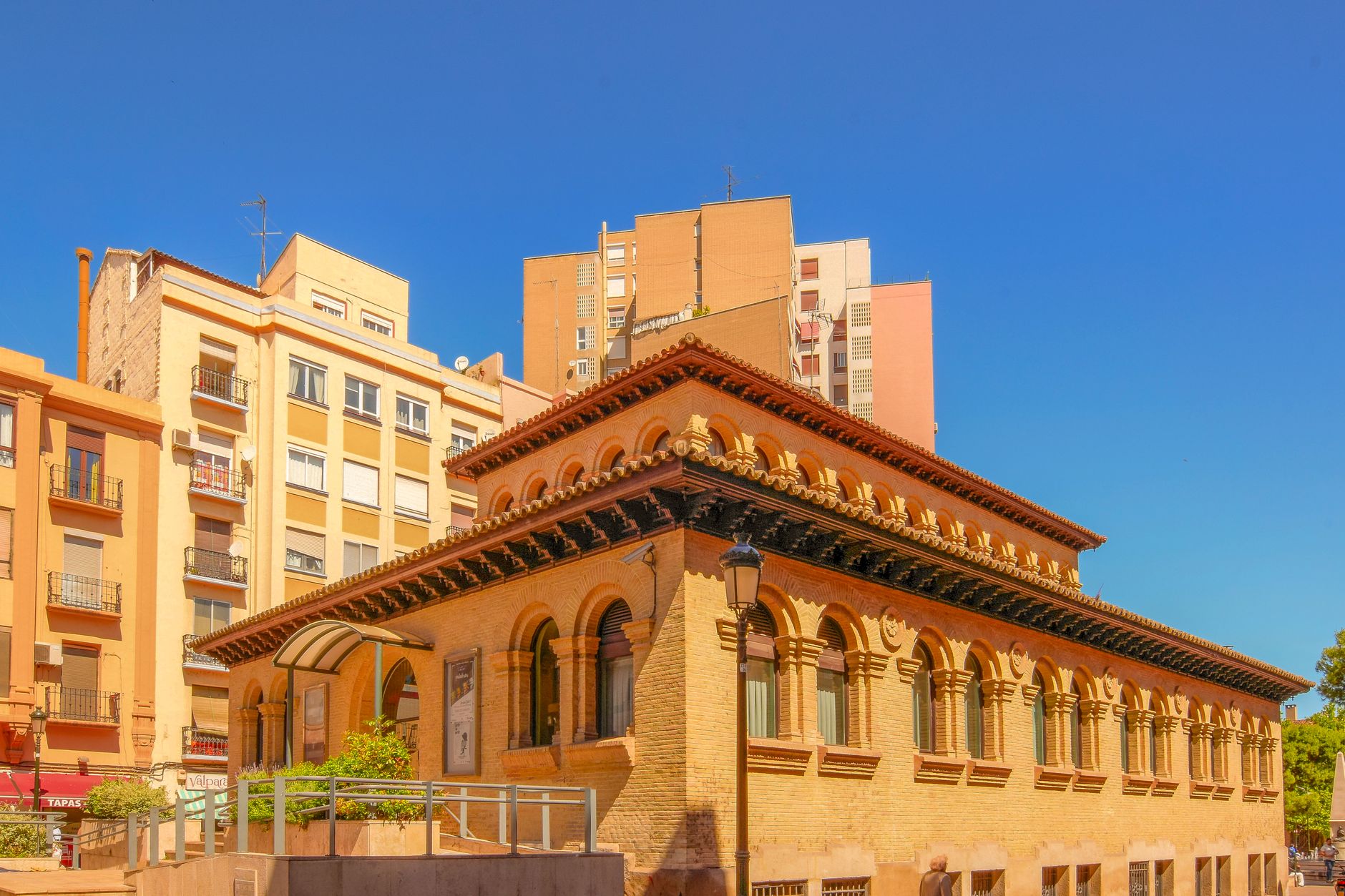
Teruel is the capital of Mudejar brickwork: four towers of glazed tile and interlaced brick, raised by Muslim craftsmen for Christian patrons after the Reconquest and listed as UNESCO sites in their own right. The city sits high and cold, which is why it is known for jamón as much as for architecture, and why it stays empty of visitors for most of the year. The towers are best in the last hour of light, when the brick turns orange and the tile catches. This is also the city of the Lovers of Teruel, a story the town has no intention of letting anyone forget.
How it got here
Alfonso II of Aragon captured the town from the Almohad Caliphate in 1171. Its strategic position on the frontier necessitated the construction of heavy fortifications and allowed the town to serve as a base for subsequent Aragonese campaigns toward Valencia. The arrival of Muslim craftsmen under Christian rule shaped the city architecture, leading to the construction of four towers decorated with brickwork and glazed ceramic tiles. The story of the Lovers of Teruel, Isabel de Segura and Diego de Marcilla, emerged in local oral tradition during the sixteenth century and solidified the town identity as a place of tragic romance.
Where it sits
The city perches on a high promontory above the confluence of the Turia and Alfambra rivers. The surrounding countryside of southern Aragón consists of dry, high plateaus and deep, carved ravines. Winters bring cold winds from the Iberian System mountain range, while summers offer sharp relief from the heat of the plains. Access requires a slow ascent through desolate, limestone-heavy terrain. Traffic remains light throughout the year as the city lies far from the primary transit routes that connect Madrid to the Mediterranean coast.
What to eat and drink
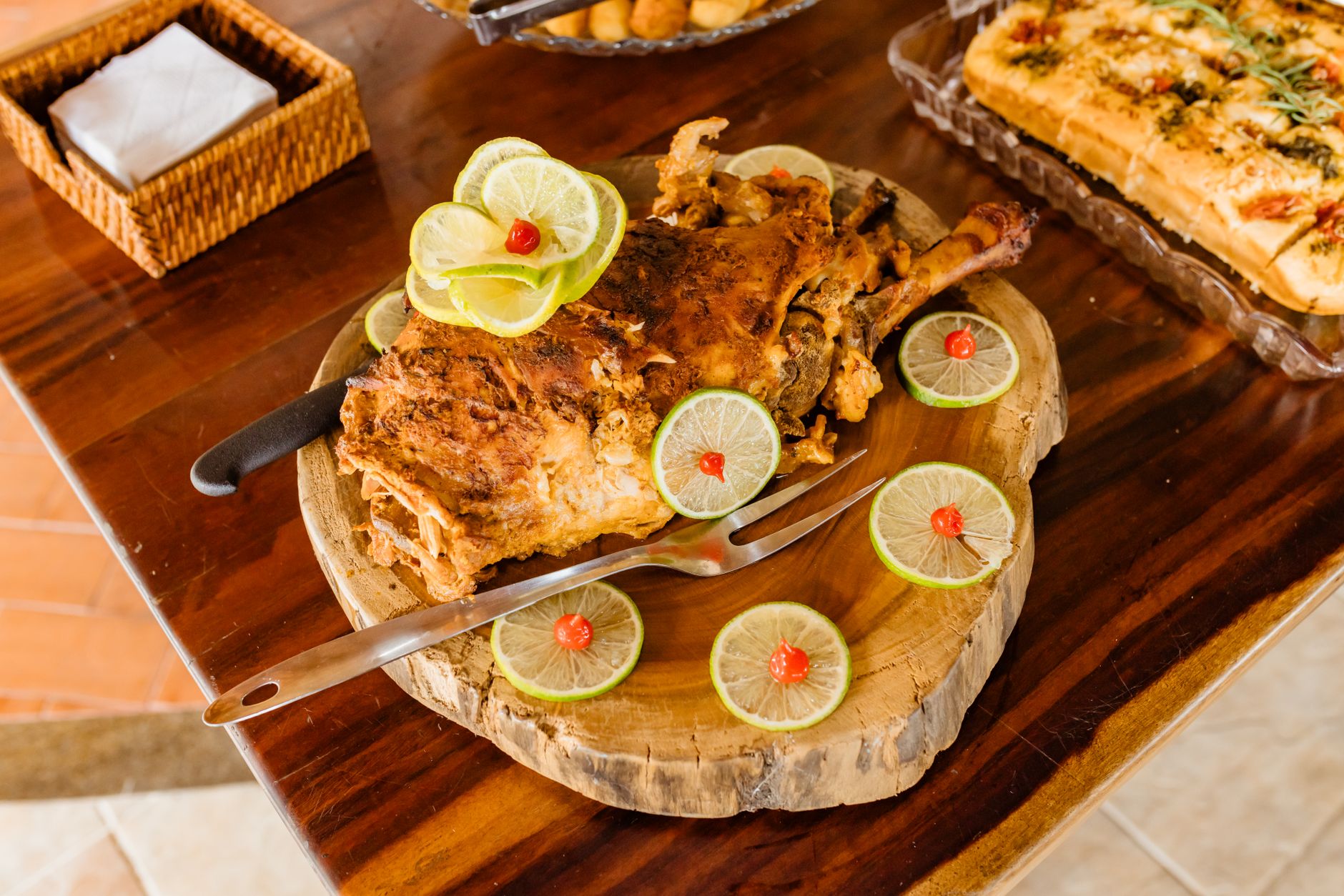
Jamón de Teruel stands as the primary export, a dry-cured ham from white pigs raised at high altitude and aged in the cool, dry mountain air. Restaurants serve ternasco, milk-fed lamb roasted with potatoes, as the standard main course. Sopa turolense, a broth prepared with bread, eggs, and local sausage, provides a heavy meal suited to the cold winters. Wines from the nearby Denominación de Origen Calatayud or Cariñena pair with these plates, as the local climate favors hardy, high-tannin reds that cut through the richness of the cured pork and roasted fats.
Aragón: the whole region
Three landscapes in one region: the Pyrenees and their canyons in the north, the dry Ebro plain with Zaragoza at its centre, and the high, empty south where Teruel's villages and the Maestrazgo stand. It is the least-visited half of…
Minimum 4 days · better 7-8 days · deep 10-12 days
What's Nearby


Pair It With


In Aragón

In Aragón

In Aragón





Logistics are verified only. We don't publish schedules we haven't confirmed.
Appears In
Experiences worth booking ahead
- Toledo Tour & Vineyard Experience with Wine Tasting from Madrid4.9 (3,061)8 hrsFrom €75
- Toledo Day Trip with Cathedral from Madrid4.8 (398)8 hrsFrom €60
- Toledo Highlights: Premium Small-Group Tour from Madrid4.9 (228)5 hrsFrom €160
- Tour Ruta Hierve el Agua, Tule, Mitla, Teotitlan and Mezcal4.7 (21)From €26
Spain Field Guide may earn a commission when you book through selected links. Recommendations are editorial and independent of commission.
Ready to build Teruel into a trip?
You've found a place worth going. When you're ready to turn discovery into an itinerary, Travel Itinerary Co picks up where the Field Guide leaves off — with your saved places already in hand.
Build this into a tripContinues on Travel Itinerary Co
Spain Field Guide may earn a commission when you book through selected links. Recommendations are editorial and independent of commission.