Monastery of San Juan de la Peña

Astonishing. The Romanesque carvings (Pantocrator) in the lower church are the reason to go. Pair with a Jaca stop and the Ordesa park.
A 10th-century monastery built under a massive overhanging rock, half-cave, half-building. The most dramatically sited monastery in Spain, on the Camino de Aragón.
At a Glance
- — You're not in the Aragonese Pyrenees
A 10th-century monastic complex sits tucked beneath a gargantuan, overhanging limestone shelf, blurring the line between natural cavern and man-made sanctuary. The lower church hides sophisticated Romanesque carvings, including a weathered Pantocrator that remains the site’s undisputed artistic peak. This is a quiet, shadowed place on the Camino de Aragón, perfect for those seeking the intersection of medieval devotion and geological drama.
How it got here
Kings of Aragón chose this site as their pantheon, placing the remains of their early sovereigns within the cold stone. The monastery sits within the Santa Cruz de la Serós valley, a corridor through the Pyrenean foothills that linked the kingdom to the mountain passes. When the monks moved to the new monastery higher on the plateau during the seventeenth century, the older site became a place of memory. It persists as a monument to the formative centuries of the Aragonese state, when the frontier between Christian northern strongholds and southern al-Andalus territories shifted through the surrounding valleys.
Where it sits
Deep limestone overhangs protect the stone architecture from the harsh winters and summer sun of the Jaca basin. Dense forests of oak and pine mantle the surrounding slopes, hiding the winding road that climbs from the valley floor. Thick mountain mists often obscure the cliffside, leaving the monastery in near total isolation for days at a time. The rugged terrain demands effort from those traveling from Jaca, though the silence of the woods rewards the climb. Autumn colors turn the valley gold while the first snows of November quickly mark the high elevation.
What to eat and drink
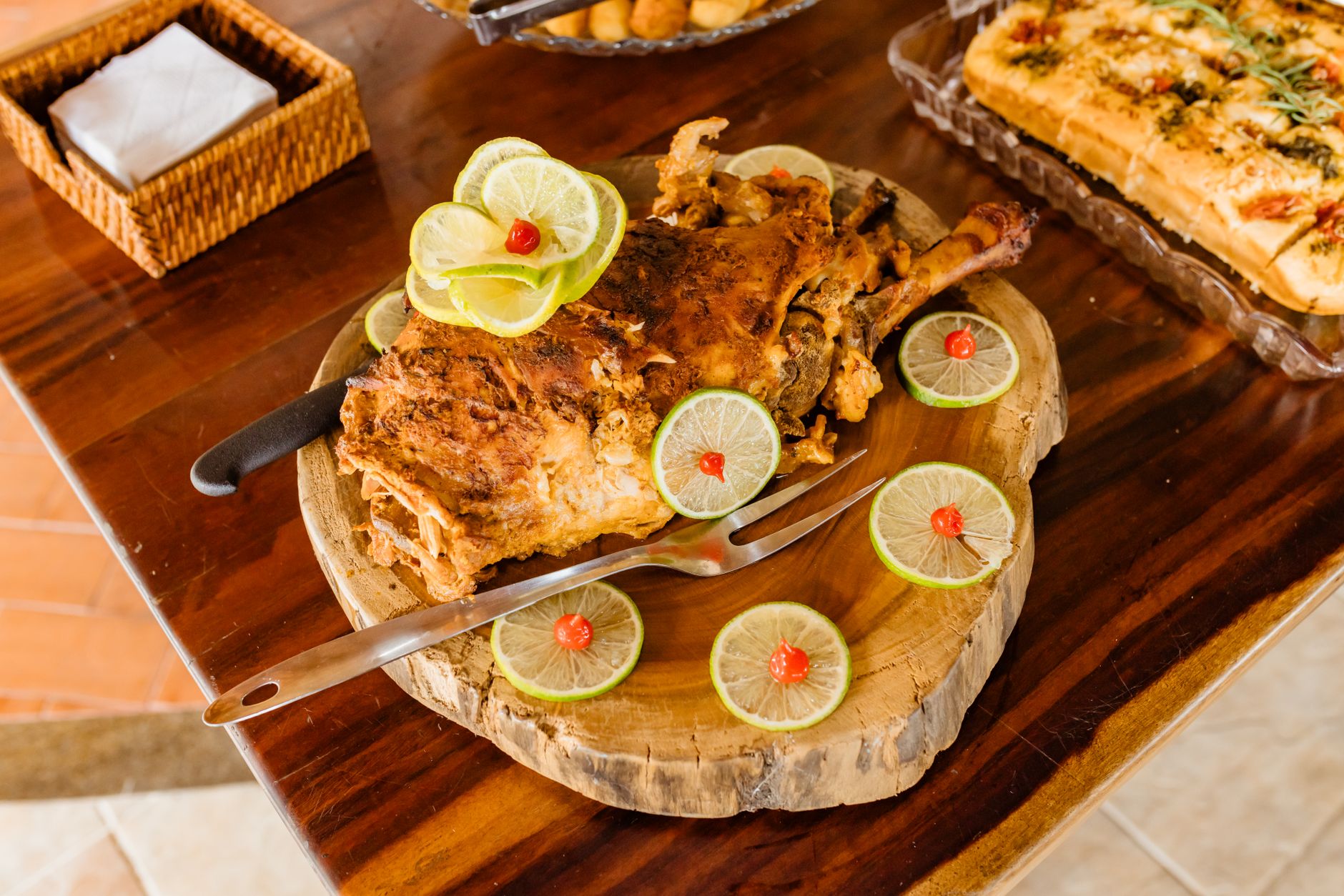
The high valleys of the Pyrenees rely on the meat of the mountain. Ternasco de Aragón, milk-fed lamb roasted with potatoes, provides the essential protein for local households. Hearty stews made with boliches, small white beans grown in the neighboring fields, appear on tables during the coldest months. Thick slices of country bread soaked in wine or broth often accompany long-simmered game. Local red wines from the Somontano foothills provide a robust finish to these meals, contrasting with the sharp, acidic bite of regional cheeses made from goat milk.
Aragón: the whole region
Three landscapes in one region: the Pyrenees and their canyons in the north, the dry Ebro plain with Zaragoza at its centre, and the high, empty south where Teruel's villages and the Maestrazgo stand. It is the least-visited half of…
Minimum 4 days · better 7-8 days · deep 10-12 days

Pair It With


In Aragón

In Aragón

In Aragón




Linked from elsewhere
Entries that name this place in their own nearby lists.

Logistics are verified only. We don't publish schedules we haven't confirmed.
Appears In
Ready to build Monastery of San Juan de la Peña into a trip?
You've found a place worth going. When you're ready to turn discovery into an itinerary, Travel Itinerary Co picks up where the Field Guide leaves off — with your saved places already in hand.
Build this into a tripContinues on Travel Itinerary Co
Spain Field Guide may earn a commission when you book through selected links. Recommendations are editorial and independent of commission.